Adapting Manufacturing Supply Chains in a Deglobalized World

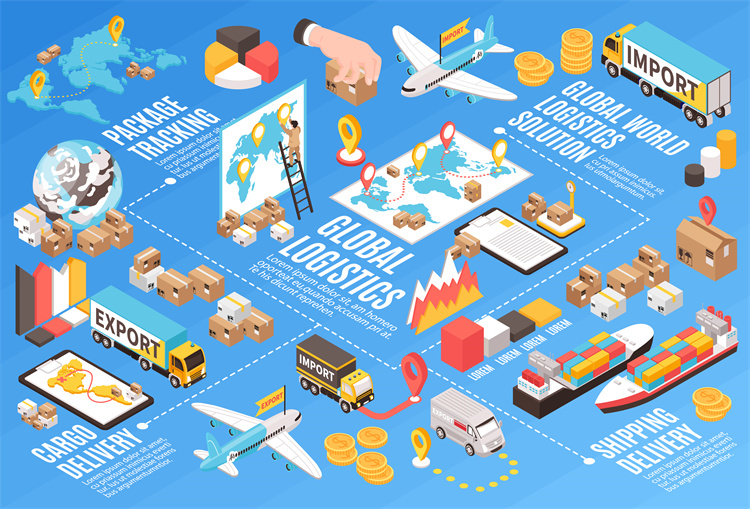
Deglobalization reshapes manufacturing supply chains. This trend reflects a shift toward producing goods closer to their final markets. The share of intermediate goods imported from within the EU increased over the past decade. Manufacturers face challenges due to economic contractions and trade tensions. The 1981-82 recession saw manufacturers suffer 90% of job losses. Adapting supply chains becomes crucial for competitiveness. Companies must explore strategies like near-shoring and reshoring. These approaches help reduce dependence on foreign suppliers and build resilience against disruptions.
Understanding Deglobalization
Definition and Causes
Deglobalization refers to the process of reducing global interdependence and integration. Economic factors play a significant role in this shift. Many countries experience economic contractions, leading to a decline in global trade and investment. Supply chain failures contribute to this trend. Companies face challenges in maintaining efficient supply networks. Political influences also drive deglobalization. Governments implement protectionist policies to safeguard domestic industries. Trade tensions between major economies exacerbate the situation.
Impact on Global Trade
Changes in trade policies significantly impact global trade. Many countries revise their trade agreements to focus on regional partnerships. This shift marks a move away from extensive global networks. Regional trade agreements gain prominence. These agreements promote trade within specific regions. Countries aim to reduce dependency on distant markets. The decline of global trade and investment indicates a new phase of deglobalization. Manufacturers must adapt to these changes to remain competitive.
Challenges for Manufacturing Supply Chains
Disruption in Supply Networks
Manufacturers face significant challenges due to deglobalization. One major issue involves disruptions in supply networks. These disruptions lead to increased costs for manufacturers. Companies must navigate complex logistics and transportation hurdles. Rising fuel prices and tariffs contribute to these expenses. Manufacturers struggle to maintain cost-effective operations.
Delays in production also pose a serious challenge. Supply chain interruptions cause bottlenecks in manufacturing processes. Companies experience setbacks in meeting production deadlines. Delays result in lost revenue and customer dissatisfaction. Manufacturers must find ways to mitigate these disruptions.
Case Studies:
Global Electronics Manufacturer: This company navigated the pandemic without supply chain disruptions. The firm implemented strategic measures to ensure resilience. These efforts included diversifying suppliers and enhancing logistics.
Need for Localization
Deglobalization emphasizes the need for localization in supply chains. Sourcing local materials becomes crucial for manufacturers. Companies seek to reduce dependence on distant suppliers. Local sourcing minimizes transportation costs and risks. Manufacturers benefit from quicker access to essential components.
Building regional partnerships strengthens supply chain resilience. Companies collaborate with local businesses to enhance their networks. Regional partnerships foster innovation and shared resources. Manufacturers gain a competitive edge through these alliances.
Industry Insights:
Supply Chain Myths: Experts highlight the importance of restructuring supply chains. Companies must focus on building resilience through localization. This approach addresses vulnerabilities exposed by global disruptions.
Deglobalization reshapes the landscape of manufacturing supply chains. Companies must adapt to these changes to remain competitive. Embracing localization and addressing supply network disruptions are key strategies. Manufacturers can build more resilient and efficient supply chains.
Strategies for Adapting Supply Chains

Diversification of Suppliers
Manufacturers can enhance supply chain resilience through diversification. Multiple sourcing provides several benefits. Companies reduce reliance on a single supplier. This approach minimizes the risk of disruptions. Manufacturers gain access to a broader range of materials. Diverse suppliers offer competitive pricing options. Businesses can negotiate better terms.
Risk management techniques play a crucial role in diversification. Companies must assess potential risks associated with each supplier. Evaluating supplier reliability ensures consistent quality. Businesses should establish contingency plans. These plans address potential supply chain interruptions. Regular communication with suppliers strengthens relationships.
Expert Testimony:
"Collaboration with your suppliers and partners is key when building a more adaptive supply chain so that your business can mitigate any disruptions and issues."
Embracing Technology
Technology adoption transforms supply chains. Automation enhances operational efficiency. Automated systems streamline production processes. Machines perform repetitive tasks with precision. Automation reduces human error and increases output. Companies achieve faster production cycles.
Data analytics provides valuable insights into supply chain dynamics. Real-time data monitoring informs decision-making. Businesses analyze market trends and adjust strategies accordingly. Data-driven approaches improve supply chain adaptability. Companies anticipate demand fluctuations and optimize logistics.
Expert Testimony:
"Adaptive supply chain management leverages advanced insights into supply chain dynamics, complexity, and uncertainty to build resilience."
Enhancing Flexibility
Flexibility is essential in a deglobalized world. Agile manufacturing processes enable quick adjustments. Companies respond swiftly to changing market conditions. Agile systems allow for rapid production shifts. Manufacturers meet evolving customer demands efficiently.
Responsive logistics systems support flexibility. Efficient transportation networks ensure timely deliveries. Companies optimize routes to minimize delays. Logistics systems adapt to unforeseen challenges. Businesses maintain smooth operations despite disruptions.
Expert Testimony:
"A resilient supply chain functions by optimizing production through strategic supply chain planning, which is vital for achieving resilience."
Deglobalization necessitates these strategic adaptations. Manufacturers must diversify suppliers, embrace technology, and enhance flexibility. These strategies build resilient supply chains. Companies remain competitive in a rapidly changing environment.
Implications and Benefits of Adaptation
Competitive Advantage
Manufacturers gain a competitive edge through improved efficiency. Adaptive supply chains enable swift responses to changes. Companies optimize inventory and logistics. Agile supplier management enhances operations. Businesses achieve faster production cycles. Efficiency reduces costs and increases profitability.
Customer satisfaction improves with adaptive supply chains. Companies respond quickly to customer needs. Businesses deliver products on time. Customers receive high-quality goods consistently. Satisfaction leads to repeat business and brand loyalty.
Long-term Sustainability
Environmental considerations play a crucial role in supply chain adaptation. Companies focus on sustainable practices. Businesses reduce waste and emissions. Manufacturers use eco-friendly materials. Sustainable practices improve brand reputation. Environmental responsibility attracts environmentally conscious consumers.
Economic resilience strengthens through adaptive supply chains. Companies withstand disruptions and uncertainties. Businesses rely on real-time data and analytics. Resilient supply chains balance inventory levels effectively. Economic resilience ensures long-term stability and growth.
Adapting supply chains in a deglobalized world holds immense importance. Manufacturers must embrace strategies that enhance resilience and adaptability. Companies should diversify suppliers and leverage technology to build robust supply chains. Collaboration with suppliers and partners ensures a more adaptive approach. Manufacturers must implement these strategies to thrive in dynamic environments. The future of manufacturing supply chains relies on adaptability and strategic planning. Businesses that prioritize these elements will achieve long-term success and sustainability.
See Also
Addressing Globalized World Challenges in Supply Chain Expansion
Managing Tech-Driven Solutions in Evolving Supply Chain
Optimizing High-Tech Manufacturing's Supply Chain Solutions
Revolutionizing Supply Chain Management with Cloud-Based Solutions