AI-Driven Smart Logistics: A Forecast for the Next Decade

Artificial Intelligence (AI) has revolutionized many industries, from healthcare to finance. Logistics and supply chain management play a crucial role in the global economy, ensuring that goods move efficiently from producers to consumers. AI-Driven Smart Logistics transforms this sector by enhancing efficiency, reducing costs, and optimizing processes. Nearly 75% of companies use AI in some capacity, showcasing its widespread adoption. AI improves logistics costs by 15%, inventory levels by 35%, and service levels by 65%. These advancements highlight the transformative potential of AI in logistics.
AI-Driven Smart Logistics: Applications and Benefits
Predictive Analytics
Predictive analytics plays a crucial role in AI-Driven Smart Logistics. Companies use predictive analytics to forecast demand and manage inventory efficiently.
Demand Forecasting
AI-driven demand forecasting uses historical sales data and market trends. This helps businesses predict future demand accurately. Accurate demand forecasting prevents overstocking and stockouts. AI systems offer a crystal ball forecasting method, allowing businesses to position assets where they need them.
Inventory Management
Inventory management becomes more efficient with AI. Machine learning algorithms analyze sales patterns and customer behavior. This helps in maintaining optimal inventory levels. Businesses can reduce holding costs and improve service levels. AI-driven inventory management ensures that products are available when customers need them.
Autonomous Vehicles and Drones
Autonomous vehicles and drones revolutionize delivery and warehouse operations in AI-Driven Smart Logistics. These technologies enhance efficiency and reduce operational costs.
Delivery Optimization
Self-driving trucks and drones optimize delivery routes. AI algorithms calculate the most efficient paths, reducing fuel consumption and delivery times. This leads to faster deliveries and lower transportation costs. Customers receive their orders quicker, improving overall satisfaction.
Warehouse Automation
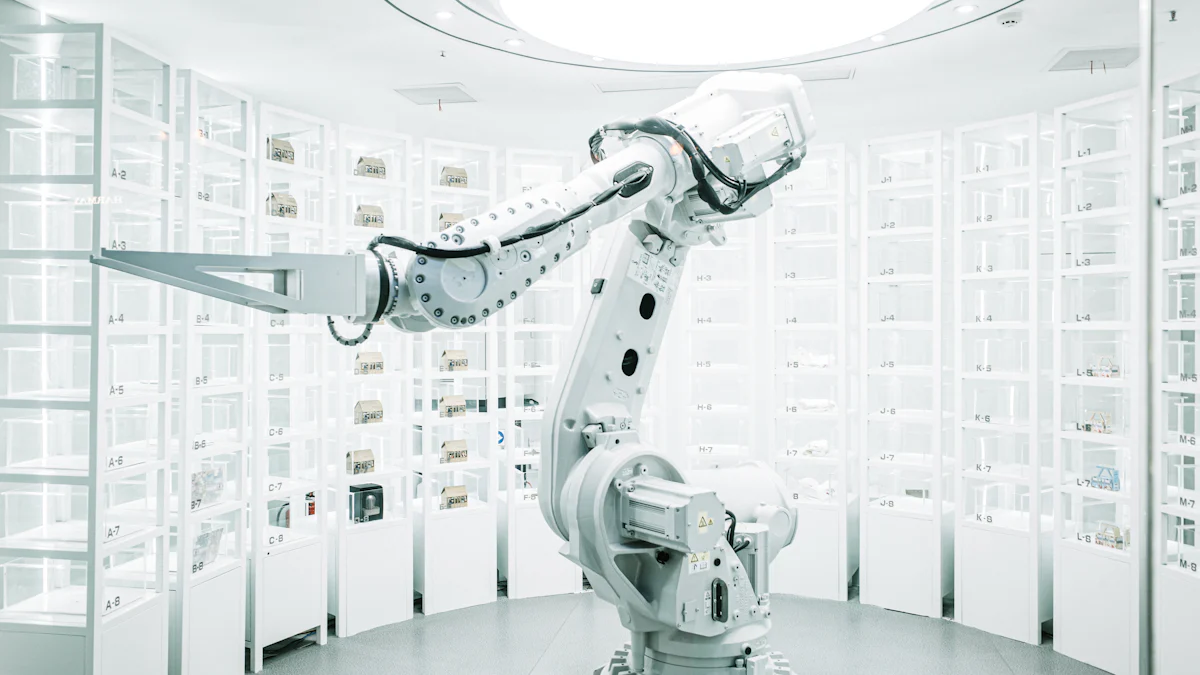
Warehouse automation involves using robots and AI systems. These technologies streamline warehouse operations. Robots handle repetitive tasks like picking, packing, and sorting. AI systems manage inventory and track product locations. Warehouse automation reduces labor costs and minimizes human errors.
IoT and Real-Time Tracking
The Internet of Things (IoT) and real-time tracking play a significant role in AI-Driven Smart Logistics. These technologies provide real-time data on fleet and asset management.
Fleet Management
IoT devices monitor vehicle conditions and performance. Real-time data helps in scheduling maintenance and preventing breakdowns. This ensures continuous operations and reduces downtime. Fleet management becomes more efficient, leading to cost savings.
Asset Tracking
Real-time tracking enhances asset visibility. Businesses can monitor the location and status of goods throughout the supply chain. This reduces the risk of theft and loss. Accurate asset tracking improves inventory management and customer service.
Benefits of AI-Driven Smart Logistics
Efficiency and Cost Reduction
Process Automation
AI-Driven Smart Logistics automates many repetitive tasks. Robots handle activities like picking, packing, and sorting in warehouses. This reduces the need for human labor. Automated systems also manage inventory and track product locations. Businesses save on labor costs and minimize errors. McKinsey research shows that early adopters of AI in logistics see a 15% decrease in costs.
Resource Optimization
AI-Driven Smart Logistics optimizes resource use. AI algorithms analyze data to determine the best ways to allocate resources. This includes optimizing delivery routes and scheduling maintenance. Companies experience fewer breakdowns and less downtime. AI helps businesses use their assets more efficiently. This leads to significant cost savings.
Enhanced Customer Experience
Faster Delivery Times
AI-Driven Smart Logistics speeds up delivery times. Self-driving trucks and drones deliver goods faster. AI calculates the most efficient routes. This reduces fuel consumption and delivery times. Customers receive their orders quicker, which boosts satisfaction. Business leaders report a 44% increase in productivity through AI adoption.
Improved Service Quality
AI-Driven Smart Logistics improves service quality. Real-time tracking provides accurate information about shipments. Customers know exactly when to expect their deliveries. AI systems also predict demand accurately. This ensures that products are available when needed. Better service quality leads to happier customers.
Sustainability
Reduced Carbon Footprint
AI-Driven Smart Logistics contributes to sustainability. Optimized delivery routes reduce fuel consumption. This lowers carbon emissions. Automated systems also reduce waste in warehouses. Businesses can achieve their sustainability goals more easily. AI helps create a greener supply chain.
Waste Minimization
AI-Driven Smart Logistics minimizes waste. Accurate demand forecasting prevents overstocking. This reduces the amount of unsold goods. Automated inventory management ensures optimal stock levels. Businesses waste fewer resources and improve efficiency. AI makes logistics more sustainable and cost-effective.
Challenges and Considerations
Data Privacy and Security
Protecting Sensitive Information
AI-driven smart logistics relies heavily on data. Protecting sensitive information becomes crucial. Companies must safeguard customer details, transaction records, and operational data. Data breaches can lead to significant financial losses and damage to reputation. Implementing robust cybersecurity measures helps in protecting this valuable information.
Compliance with Regulations
Legal and regulatory frameworks around AI and data privacy are evolving. Companies need to stay updated with these changes. Compliance with laws such as the General Data Protection Regulation (GDPR) is essential. Non-compliance can result in hefty fines and legal repercussions. Ensuring transparency and user consent in data handling practices is also critical.
Integration with Existing Systems
Compatibility Issues
Integrating AI solutions with existing systems poses challenges. Legacy systems may not be compatible with new AI technologies. This can lead to disruptions in operations. Companies need to assess their current infrastructure before implementing AI. Upgrading or replacing outdated systems might be necessary.
Implementation Costs
Implementing AI-driven solutions involves significant costs. These include expenses for new software, hardware, and training. Small and medium-sized enterprises (SMEs) might find these costs prohibitive. However, the long-term benefits of AI can outweigh the initial investment. Careful planning and budgeting are essential for successful implementation.
Ethical and Social Implications
Job Displacement
AI automation can lead to job displacement. Robots and AI systems take over tasks previously performed by humans. This can result in job losses, especially in roles involving repetitive tasks. Companies need to address this issue by providing retraining and upskilling opportunities for affected employees.
Bias in AI Algorithms
AI algorithms can exhibit biases. These biases arise from the data used to train the AI models. Biased algorithms can lead to unfair treatment of certain groups. Ensuring diversity in training data helps mitigate this issue. Regular audits and updates to AI systems are necessary to maintain fairness and accuracy.
Case Studies and Real-World Examples

Leading Companies Implementing AI in Logistics
Amazon
Amazon stands at the forefront of AI-Driven Smart Logistics. The company uses AI to optimize its vast supply chain network. Machine learning algorithms predict customer demand and manage inventory levels. Amazon employs autonomous robots in warehouses to handle picking and packing tasks. These robots work alongside human employees, enhancing efficiency and reducing errors. Delivery routes get optimized using AI, ensuring faster delivery times. Amazon's AI-driven approach has revolutionized logistics, setting new standards for efficiency and customer satisfaction.
DHL
DHL leverages AI-Driven Smart Logistics to enhance operational efficiencies. The company uses autonomous forklifts in warehouses. These forklifts navigate and operate without human intervention, increasing safety and productivity. AI algorithms optimize delivery routes, reducing fuel consumption and delivery times. DHL also employs predictive analytics to forecast demand and manage inventory. This approach minimizes overstocking and stockouts. The integration of AI technologies has transformed DHL's logistics operations, showcasing the practical benefits of AI in the industry.
Success Stories and Lessons Learned
Improved Efficiency
AI-Driven Smart Logistics has significantly improved efficiency in the logistics sector. Companies like Amazon and DHL have experienced notable enhancements in their operations. Autonomous robots and forklifts streamline warehouse processes, reducing the need for human labor. AI algorithms optimize resource allocation, ensuring efficient use of assets. Predictive maintenance prevents equipment breakdowns, minimizing downtime. These improvements lead to cost savings and increased productivity. The success stories of leading companies highlight the transformative potential of AI in logistics.
Customer Satisfaction
Customer satisfaction has seen a boost with AI-Driven Smart Logistics. Faster delivery times and accurate tracking information enhance the customer experience. AI-driven demand forecasting ensures products are available when needed, preventing stockouts. Real-time tracking provides customers with precise delivery updates, improving transparency. Companies like Amazon and DHL have reported higher customer satisfaction rates due to these advancements. The practical application of AI in logistics not only improves efficiency but also elevates service quality, leading to happier customers.
Future Outlook and Trends
Emerging Technologies
Quantum Computing
Quantum computing promises to revolutionize logistics. Traditional computers struggle with complex calculations. Quantum computers handle these tasks with ease. Logistics companies can optimize routes and schedules in real-time. This leads to faster deliveries and lower costs. Quantum computing also enhances predictive analytics. Companies can forecast demand more accurately. This reduces overstocking and stockouts.
Advanced Robotics
Advanced robotics will transform warehouse operations. Robots will handle tasks like picking, packing, and sorting. This reduces the need for human labor. Robots work faster and make fewer errors. This boosts efficiency and lowers costs. Advanced robots also adapt to new tasks quickly. This makes warehouses more flexible and responsive.
Market Growth and Opportunities
Investment Trends
Investment in AI-driven logistics is growing rapidly. Companies see the potential for cost savings and efficiency gains. Early adopters of AI report significant benefits. These include reduced costs and improved service levels. Investors are pouring money into AI startups. This fuels innovation and accelerates development.
New Business Models
AI enables new business models in logistics. Companies can offer faster and more reliable services. Real-time tracking provides customers with accurate delivery updates. Predictive analytics helps companies manage inventory better. This ensures products are available when needed. AI also supports on-demand delivery services. This meets the growing demand for convenience.
Actionable Insights for Businesses
Strategic Planning
Businesses need a strategic plan for AI adoption. Start by assessing current operations. Identify areas where AI can add value. Set clear goals and objectives. Develop a roadmap for implementation. Allocate resources for training and development. Monitor progress and adjust the plan as needed.
Adoption Roadmap
An adoption roadmap guides businesses through AI implementation. Begin with pilot projects. Test AI solutions in a controlled environment. Evaluate the results and make improvements. Scale up successful projects. Integrate AI with existing systems. Ensure compatibility and minimize disruptions. Provide training for employees. Help them adapt to new technologies. Monitor performance and make continuous improvements.
AI-driven smart logistics offers immense potential. Emerging technologies like quantum computing and advanced robotics will drive innovation. Market growth and investment trends highlight the opportunities. Businesses must plan strategically and follow a clear adoption roadmap. This ensures successful AI implementation and maximizes benefits.
AI holds the power to transform logistics. Companies can enhance efficiency and reduce costs. Predictive analytics, real-time tracking, and autonomous vehicles drive these improvements. Staying ahead of technological trends is crucial. Businesses must adopt AI to remain competitive. The future of AI-driven smart logistics looks promising. Embracing these advancements will lead to a more efficient and sustainable supply chain.
See Also
Tomorrow's Logistics Revolution: AI Transforming Supply Chain
Exploring AI's Hidden Power: Unraveling Logistics Innovation
Future Voyage: Exploring Breakthroughs in Logistics Technology
Insights on AI Integration: Revealing the Future of Supply Chain