How AI-Powered Logistics Automation Transforms Supply Chain Management

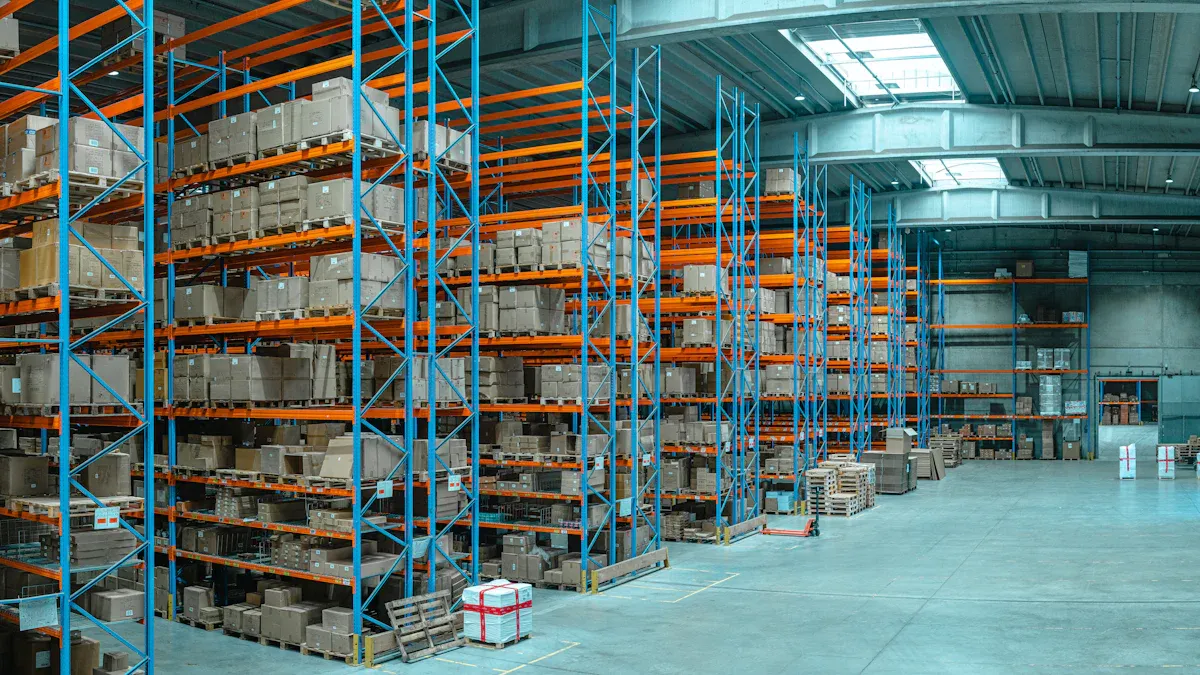
Logistics automation now changes how you manage supply chains. JUSDA stands out in this field with innovative solutions and sustainable practices.
JUSDA has received industry accolades and leadership recognition.
Kathy Yang earned honors at the WeQual Awards for her impact in logistics.
Challenge | Solution |
|---|---|
Invest in data cleaning and standardization for reliable operations. | |
Managing High Implementation Expenses | Apply a phased approach to scale AI and measure return on investment. |
Organizational Resistance to AI Adoption | Offer training and highlight benefits to encourage acceptance. |
Key Takeaways
Logistics automation enhances supply chain efficiency by providing real-time visibility and control, allowing for faster decision-making.
AI technologies like predictive analytics and machine learning significantly improve forecasting accuracy, reducing errors and optimizing inventory management.
Implementing phased automation projects can help organizations manage costs and encourage acceptance among employees, leading to smoother transitions.
Logistics Automation and Supply Chain Optimization
AI in Supply Chain: Enhancing Efficiency
You can transform your supply chain operations with logistics automation. JUSDA’s JusLink platform uses AI in supply chain management to give you real-time visibility and control. JusLink integrates technologies like IoT and big data. You get instant updates on orders, shipments, and inventory. This helps you make faster decisions and respond to changes in demand.
AI in supply chain management improves forecasting and inventory optimization. Deep learning algorithms reduce prediction errors by over 80%. You can adjust stock levels based on demand patterns and supply variability. Automation of processes lets your team focus on higher-value tasks. You gain comprehensive insights for balancing cost, service, and sustainability.
Here is a table showing how logistics automation improves order management efficiency:
Improvement Type | Description |
|---|---|
Enhanced Efficiency | Automation simplifies operations like inventory management and order processing, leading to increased productivity. |
Cost Reduction | Streamlined shipping processes reduce operational costs, contributing to overall savings. |
Improved Accuracy | Automated systems minimize errors in order processing, enhancing accuracy in inventory management. |
Faster Delivery | Automation leads to quicker shipping times, improving customer satisfaction and loyalty. |
Greater Agility | Automated inventory systems allow for quick adjustments to market changes, ensuring product availability. |
You see measurable improvements in forecasting accuracy and reporting. Companies using AI in supply chain optimization report significant gains in operational efficiency.
Tip: Predictive analytics, machine learning, and optimization algorithms are the most effective AI technologies for enhancing supply chain efficiency.
Automated Logistics: Reducing Errors and Costs
Automated logistics systems help you reduce human errors and lower costs. Manual data entry often has error rates as high as 4%. Mistakes in critical tasks can range from 18% to 40%. Errors in documentation can lead to huge operational costs. In the U.S., these costs reach $3.1 trillion each year.
With logistics automation, you can automate document classification and processing. This reduces manual workload by up to 80%. AI agents process thousands of documents in minutes. You see a reduction in human errors by up to 90%. Automated logistics also streamlines shipping and customs procedures. You avoid delays and costly mistakes.
JUSDA’s JusLink platform gives you real-time tracking and inventory visualization. You monitor shipments and customs status instantly. This reduces operational costs and improves efficiency.
JUSDA Warehouse Solutions
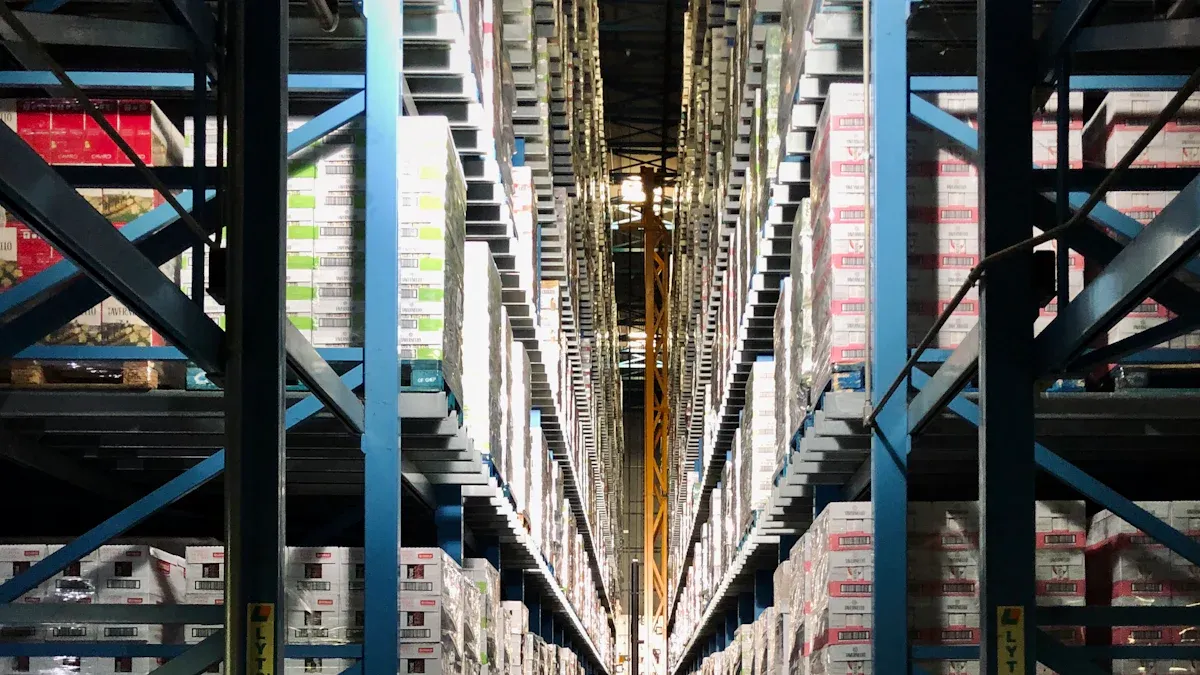
JUSDA’s warehouse solutions support supply chain optimization across industries. You benefit from advanced inventory management systems like eVMI and JusLink. These systems provide real-time tracking and control. You gain transparency and accuracy in inventory management.
JUSDA operates warehouses in China, Vietnam, the U.S., Mexico, Japan, and other regions. You get access to general storage, bonded warehouses, distribution centers, and finished goods storage. Value-added services include picking, packing, labeling, kitting, and repacking. Clean room facilities meet strict environmental standards for technology brands.
Industry-specific applications show how JUSDA uses AI in supply chain optimization:
Electronics: You manage complex global supply chains with real-time data sharing and predictive analytics. JusLink helps you track shipments and inventory across borders.
Automotive: You streamline manufacturing, procurement, and distribution. JUSDA’s digital platform supports just-in-time models and risk management. You gain full visibility and dynamic control over your supply chain.
FMCG: You optimize inventory levels and respond quickly to market changes. Automation ensures product availability and reduces stockouts.
JUSDA’s customer stories highlight the benefits of logistics automation. Chinese manufacturers expanded globally with JUSDA’s AI-powered platform. They achieved end-to-end lifecycle management, real-time transparency, and efficiency. Manual handling decreased, and data accuracy improved. Companies realized cost-effective global expansion and standardized operations.
You experience these benefits with JUSDA’s solutions:
Efficiency
Cost reduction
Accuracy
Visibility
Scalability
Sustainability
Logistics automation and AI in supply chain management help you overcome industry-specific challenges. You optimize your operations and stay competitive in a fast-changing market.
Technologies Driving Optimization

AI and Machine Learning in Logistics
You see artificial intelligence transforming logistics automation by making your supply chain smarter and more responsive. AI in supply chain management uses machine learning to analyze large amounts of data. This helps you predict demand, optimize routes, and reduce waste. Machine learning algorithms improve predictive demand forecasting by adapting to new information and understanding complex demand drivers like promotions or seasonal trends.
Advantage | Description |
|---|---|
Real-time data integration | Machine learning uses real-time data from sales and social media to boost accuracy. |
Adaptability | AI-driven forecasting adapts as new data arrives, improving results over time. |
Understanding complex demand drivers | Algorithms analyze many factors, leading to more reliable forecasts. |
Artificial intelligence also supports inventory optimization. You can adjust stock levels quickly, reducing the risk of overstocking or running out of products.
IoT and Real-Time Data
IoT devices give you real-time supply chain visibility. Sensors track shipments and monitor conditions like temperature or humidity. This transparency lets you react fast to delays or stock issues. In healthcare, for example, real-time data ensures supplies reach patients on time.
Real-time tracking of assets improves logistics efficiency.
Condition monitoring protects goods from damage.
Improved inventory management helps you avoid shortages.
End-to-end visibility lets you spot and fix inefficiencies.
You benefit from proactive decision-making. Alerts about shipment delays help you find solutions quickly. Automation reduces manual work, so your team can focus on critical tasks.
Integration with JUSDA’s JusLink Platform
JUSDA’s JusLink platform brings these technologies together. You use artificial intelligence for continuous oversight, spotting bottlenecks and risks before they grow. JusLink’s AI Solution includes features like demand forecasting, risk control, and the intelligent assistant JusElsa. JusElsa helps you interact with your supply chain using natural language, making ai-driven decision-making easier.
With JusLink, you enable real-time collaboration and predictive analytics. You can simulate risks, monitor supplier behavior, and plan for different scenarios. This integration leads to enhanced efficiency and stronger supply chain visibility, supporting ai applications in supply chain management.
Future of Automated Logistics
Trends in AI in Supply Chain
You see new trends shaping the future of logistics automation. Robotics in warehousing now boost efficiency and speed. AI for predictive analytics helps you make better decisions by analyzing large sets of data. Automated inventory management reduces errors and streamlines your processes. The impact on last-mile delivery is clear—delivery times and costs drop as automation improves. You can review the main trends in the table below:
Trend | Description |
|---|---|
Robotics in Warehousing | Enhances efficiency in warehouse operations. |
AI for Predictive Analytics | Improves decision-making through data analysis. |
Automated Inventory Management | Streamlines inventory processes and reduces errors. |
Impact on Last-Mile Delivery | Reduces delivery times and costs significantly. |
Dynamic ETA prediction and large language models also play a role. You use these tools to forecast arrival times and manage exceptions faster.
Global Expansion and Sustainability
You notice global supply chain management networks expanding into new markets. JUSDA leads with a strong international presence and advanced logistics automation. AI in supply chain helps you optimize resource use and reduce pollution. Companies now focus on responsible production and sustainable practices. You benefit from these changes:
AI transforms logistics processes, making them more efficient and sustainable.
Resource consumption drops, leading to less pollution.
AI in supply chain supports environmental, social, and financial goals.
JUSDA’s Vision for Supply Chain Optimization
You prepare for the future by adopting intelligent supply chain management solutions. JUSDA’s vision centers on seamless integration, real-time visibility, and proactive risk management. You gain actionable insights by using AI in supply chain to forecast demand, monitor risks, and automate routine tasks. You stay competitive by embracing logistics automation and sustainable practices.
Tip: Start with small automation projects and scale up as you see results. Focus on solutions that offer real-time data and predictive analytics.
You see AI and logistics automation revolutionize supply chain operations. JUSDA’s warehouse and JusLink solutions deliver real-time visibility and smarter decision-making.
AI synchronizes logistics, improves forecasting, and enhances risk management.
Warehouse automation boosts speed and efficiency.
Trend | Description |
|---|---|
Predictive Analytics | AI anticipates demand and manages risks. |
Autonomous Vehicles | Semi-autonomous fleets optimize routes. |
Warehouse Automation | Robots improve order fulfillment. |
AI-Enhanced Visibility | Real-time tracking increases operational efficiency. |
See Also
Transforming Logistics: The Role of AI in Supply Chains
Enhancing Supply Chain Efficiency Through AI Innovations
Exploring AI's Hidden Potential in Modern Logistics