The Future of Logistics with AI Advancements


Artificial intelligence is revolutionizing the logistics industry by enhancing efficiency and driving innovation. AI-powered tools improve order picking in warehouses, optimize last-mile delivery, and enable dynamic route planning. For instance, AI adoption has led to a 27% improvement in route optimization and a 19% reduction in fuel consumption. These advancements ensure faster deliveries and greater customer satisfaction. As AI in logistics evolves, businesses gain a competitive edge in a complex global market.
Key Takeaways
AI makes logistics faster by finding better routes. This saves time and makes customers happier.
Predictive tools help companies guess demand better. This stops extra stock or running out of items.
Robots and machines in warehouses make work easier and safer. They also cut costs by needing fewer people.
Current AI Trends in the Logistics Industry
Predictive Analytics and Demand Forecasting
Predictive analytics is transforming how you manage demand forecasting in logistics. By analyzing historical and real-time data, artificial intelligence identifies patterns and trends to help you anticipate customer needs. For example, retailers use past sales data, weather patterns, and events to predict future demand. This approach optimizes inventory levels, reducing costs from overstocking or stockouts. Companies like Amazon have mastered this by positioning inventory closer to customers, saving time and money while enhancing customer satisfaction. With AI-driven demand forecasting, you can improve operational efficiency and even boost profit margins by 5-10%.
Autonomous Vehicles and Drones in Logistics
Autonomous vehicles and drones are reshaping logistics technology. Self-driving trucks equipped with AI and sensors enhance mobility and reduce human error in logistics operations. Drones, on the other hand, streamline last-mile deliveries, ensuring faster and more reliable shipping. Programs like Wing Aviation’s grocery delivery and Amazon Prime Air’s drone testing highlight the potential of these innovations. Urban air mobility also envisions drones addressing traffic congestion by transporting goods through the air. By integrating these technologies, you can enhance supply chain efficiency and reduce supply chain disruptions.
Robotics and Automation in Warehousing
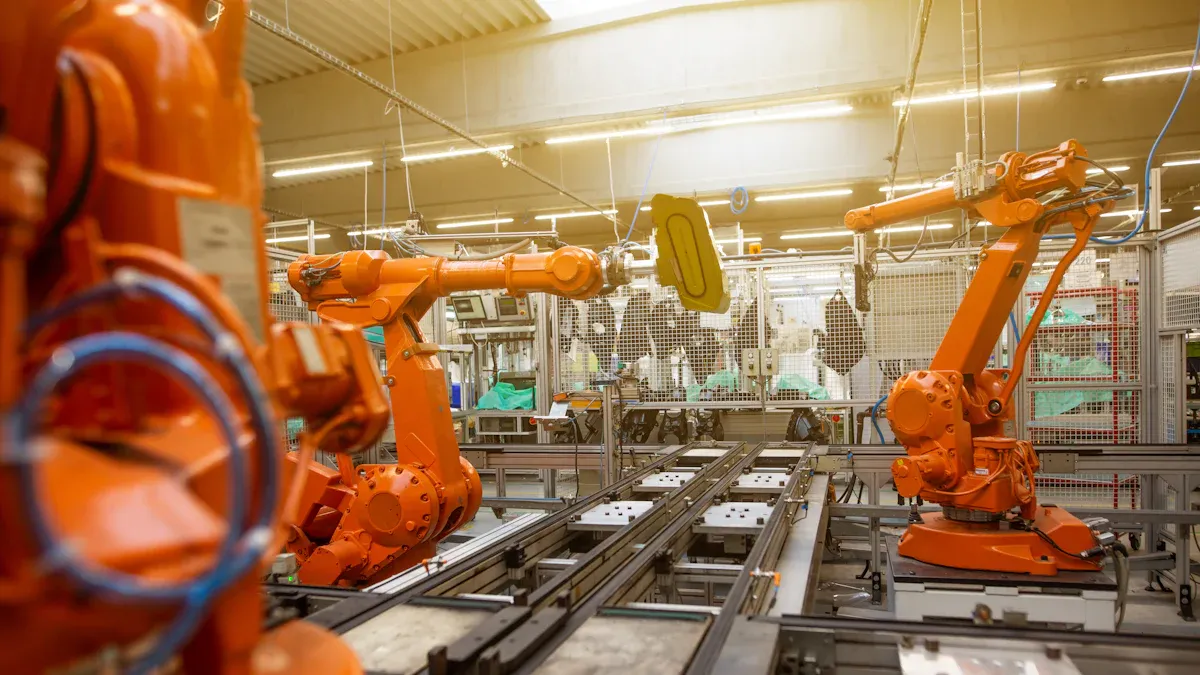
Robotics and automation are revolutionizing modern warehousing. Automated systems reduce processing time, optimize storage space, and improve inventory management. For instance, autonomous robots handle repetitive tasks with speed and accuracy, while automated storage and retrieval systems maximize space utilization. These advancements not only lower operational costs but also enhance safety by minimizing human involvement in hazardous tasks. By adopting robotics, you can strengthen customer satisfaction through faster order processing and fewer errors, keeping you ahead of logistics trends.
AI-Powered Customer Service Solutions
AI-powered customer service solutions elevate the logistics experience for your customers. Chatbots provide instant, 24/7 responses to common inquiries like shipment tracking and delivery updates. These systems also scale effortlessly, handling multiple interactions simultaneously. AI’s predictive capabilities allow you to address potential issues proactively, such as rerouting shipments to avoid delays. By automating routine tasks, you can reduce response times and improve customer satisfaction. As AI trends in logistics evolve, these tools will become indispensable for maintaining a competitive edge.
Practical Applications of AI in Logistics
Smarter Routing and Real-Time Traffic Management
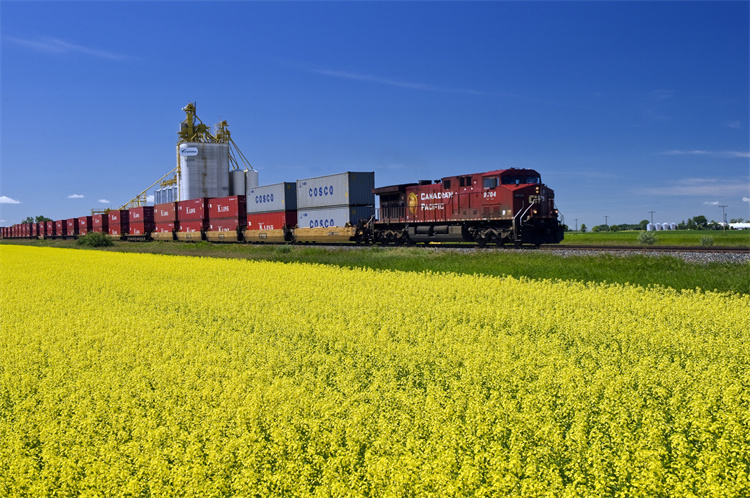
AI is transforming how you manage routing and traffic in logistics operations. By analyzing real-time data, AI optimizes routes to reduce delays and improve delivery times. For example:
Phoenix's traffic management system uses AI to coordinate traffic lights, cutting vehicle delay times by 40%.
NoTraffic develops smart traffic lights to enhance traffic flow.
Intelligent Transportation Systems (ITS) use computer vision to monitor vehicle distances and reduce congestion.
These innovations ensure smoother logistics operations and minimize supply chain disruptions. AI also predicts parking availability during events, helping drivers avoid congested areas. By adopting smarter routing, you can improve operational efficiency and reduce costs.
Demand Forecasting for Inventory Optimization
AI-driven demand forecasting allows you to predict future demand with greater accuracy. By analyzing historical and real-time data, AI identifies patterns and trends that optimize inventory management. This reduces costs from overstocking or stockouts and ensures you meet customer demand effectively. Real-time insights also enhance operational efficiency, helping you stay ahead of logistics trends. With AI in logistics, you can achieve better customer satisfaction and streamline supply chain automation.
Warehouse Automation and Robotics Integration
Warehouse automation is revolutionizing logistics technology. AI and machine learning improve inventory management and order fulfillment. IoT enables real-time monitoring, preventing equipment downtime. Automated Guided Vehicles (AGVs) streamline material transportation, while voice picking boosts precision and productivity. Innovations like pallet shuttle systems and RFID tracking enhance storage and inventory visibility. By integrating these technologies, you can reduce labor costs, increase throughput, and stay competitive in the logistics industry.
Enhancing Supply Chain Visibility with AI
AI enhances supply chain visibility by providing real-time tracking and predictive insights. Advanced analytics identify patterns and trends, optimizing inventory and operations. Predictive maintenance foresees equipment failures, reducing downtime. Collaboration tools enable real-time information sharing, improving agility and coordination. Digital twins allow you to monitor disruptions and make proactive decisions. Blockchain technology further enhances traceability and trust. These AI-driven solutions ensure you stay resilient against supply chain disruptions and improve decision-making.
Challenges and Ethical Considerations in AI Adoption
Data Quality and Integration Challenges
AI in logistics relies heavily on high-quality, structured data to deliver accurate insights. However, managing data quality presents significant challenges. Logistics data often comes in unstructured or inconsistent formats, making it difficult to process. Without clean data, AI algorithms cannot perform effectively. You can address this by implementing robust data governance frameworks, such as ISO 8000, and using AI-powered data cleansing tools. These practices ensure your data is ready for modeling and analysis. Additionally, integrating data from multiple systems, like ERP and WMS, requires seamless coordination. By prioritizing data quality, you can enhance operational efficiency and improve supply chain visibility.
Privacy Concerns and Data Security in AI
AI systems in the logistics industry require extensive data collection, which raises privacy concerns. Sensitive information, such as travel patterns and payment details, becomes vulnerable to breaches and cyberattacks. To mitigate these risks, you should adopt strong cybersecurity measures and comply with data protection regulations. Transparency is also crucial. Users need control over how their data is used. For example, shared mobility services often collect vast amounts of personal data, increasing the risk of misuse. By addressing these concerns, you can build trust and ensure ethical AI adoption in logistics operations.
Regulatory Compliance in the Logistics Industry
Navigating regulatory compliance is another challenge in adopting AI. Regulations vary across regions, making it essential to stay updated. AI can help by automating compliance monitoring and streamlining documentation processes. For instance, AI systems provide real-time tracking to identify deviations and ensure accuracy. This reduces compliance risks and enhances operational efficiency. As supply chain trends evolve, leveraging AI to meet regulatory standards will keep your logistics operations competitive and resilient.
Workforce Implications and Ethical Concerns
AI-driven automation in logistics technology raises ethical concerns about workforce displacement. Many fear that AI could replace human jobs, especially in repetitive tasks. However, it also creates opportunities for upskilling. You can address this by investing in training programs to bridge the skill gap. Transparency in AI decision-making processes is equally important. Ensuring accountability and fairness in AI systems fosters trust among employees. By balancing automation with workforce development, you can achieve sustainable growth while addressing ethical challenges.
Future Outlook for AI and Innovation Trends in Logistics
Emerging Technologies like Digital Twins and IoT
Emerging technologies like digital twins and IoT are transforming logistics operations. Digital twins create virtual models of logistics processes, allowing you to simulate scenarios and predict bottlenecks. These models help optimize workflows and improve decision-making. IoT devices, on the other hand, generate real-time data streams that AI tools analyze to provide actionable insights. This integration enhances visibility and tracking, enabling you to monitor inventory and delivery accuracy. Predictive analytics powered by IoT also helps forecast demand and identify potential disruptions, ensuring smoother operations. Together, these technologies drive efficiency and resilience in the logistics industry.
AI-Driven Sustainability Initiatives in Supply Chains
AI is playing a pivotal role in advancing supply chain sustainability. By using computer vision systems, you can improve sorting accuracy and optimize collection routes. Predictive maintenance powered by AI enhances recycling plant operations, reducing waste. Companies like Ametller Origen have achieved significant results, including a 30% reduction in fresh spoilage and a 13% decrease in inventory levels. Similarly, Migros Online has reduced spoilage rates by 20% and out-of-stock rates by 50%. These initiatives not only lower environmental impact but also improve supply chain resilience and efficiency.
Hyper-Personalization in Supply Chain Solutions
Hyper-personalization is revolutionizing supply chain solutions. AI algorithms analyze large datasets to uncover patterns and inform personalized fulfillment strategies. By predicting future demand for specific products and customer segments, you can optimize inventory levels and allocate resources effectively. AI also ensures quick delivery by routing orders to the nearest fulfillment center based on individual customer needs. This approach enhances customer satisfaction and keeps you ahead of supply chain trends.
The Role of JUSDA in Shaping AI Trends in Logistics
JUSDA is at the forefront of shaping AI trends in logistics. By integrating advanced technologies like RFID and Warehouse Management Systems, JUSDA enhances operational efficiency and accuracy. Their customer-centric solutions and localization strategies allow you to tailor logistics services to specific market needs. This focus on innovation and responsiveness positions JUSDA as a leader in next-gen logistics, driving omnichannel automation and supply chain sustainability.

JUSDA Solutions
To provide you with professional solutions and quotations.
AI is revolutionizing logistics by solving complex challenges and improving efficiency. Staying informed about AI trends helps you optimize routes, predict supply chain issues, and reduce costs. AI also drives sustainability by enhancing energy efficiency, minimizing waste, and reducing carbon footprints. These advancements ensure resilience, making logistics operations more reliable and environmentally friendly. 🚀
See Also
Exploring AI's Hidden Capabilities in Logistics Management
Discovering AI's Role in Shaping Future Supply Chains
Transforming Logistics for Tomorrow with AI Innovations
Innovative Technologies Shaping the Future of Logistics
Navigating Future Logistics Through Digital Technology Advancements