Top Aviation Logistics Market Trends to Watch This Year

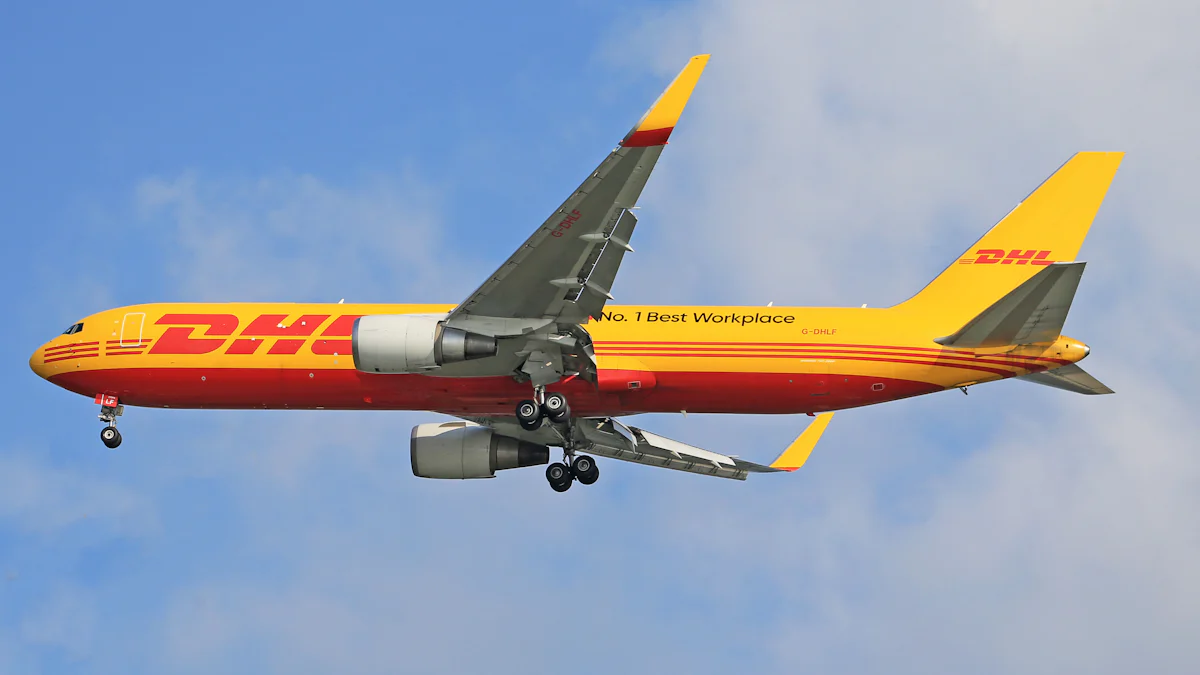
The aviation logistics industry continues to experience rapid transformation, fueled by technological advancements and evolving economic conditions. Artificial intelligence and IoT devices now play a pivotal role in optimizing logistics operations, from real-time data collection to predictive analytics for inventory management. The global aviation MRO logistics market, valued at USD 11.03 billion in 2023, is projected to reach USD 15.34 billion by 2032, growing at a CAGR of 3.7%. Rising investments in emerging markets further amplify demand for innovative solutions, underscoring the sector's dynamic growth trajectory.
Key Takeaways
Use technology to improve logistics work. AI and machine learning help plan routes and predict needs.
Make supply chains stronger by using different suppliers. This lowers risks and keeps things running during problems.
Go green by using eco-friendly methods. Use cleaner aviation fuels to cut carbon and follow rules.
Take advantage of e-commerce growth. Change logistics plans to handle the need for quick and trusted deliveries.
Look for chances in new markets. Invest in areas like Asia-Pacific and Latin America to benefit from their growing industries.
Current State of the Aviation Logistics Market
Market Growth and Key Drivers
Global market size and projected growth rates
The aviation logistics market has witnessed remarkable growth over the past five years. In 2023, the market valuation stood at USD 2.7 billion, increasing to USD 3.2022 billion in 2024. By 2025, it is projected to reach USD 3.80 billion, with a long-term forecast of USD 17.64 billion by 2034. This steady growth reflects the sector's resilience and adaptability to evolving global demands.
Year | Market Valuation (USD Billion) |
|---|---|
2023 | 2.7 |
2024 | 3.2022 |
2025 | 3.80 |
2034 | 17.64 |
Key drivers such as e-commerce and globalization
Several factors fuel the expansion of aviation logistics.
The rise of e-commerce has significantly increased demand for time-sensitive shipments.
Globalization has created opportunities for cross-border trade and air transportation.
Technological advancements, including AI and IoT, enhance operational efficiency.
The growing need for sustainable and digital logistics solutions further drives market trends.
Regional Insights and Major Players
Performance of key regions in aviation logistics
North America leads the aviation logistics market due to its advanced infrastructure and early adoption of innovative technologies. Europe benefits from a strong industrial base and government-backed initiatives promoting innovation. The Asia-Pacific region experiences the fastest growth, driven by industrialization and urbanization in emerging economies like China and India. Latin America and the Middle East & Africa present opportunities for expansion, supported by steady economic growth and industrial development.
Leading companies shaping the market
Prominent players in the aviation logistics industry include:
CMA CGM S.A.
Deutsche Bahn AG
Deutsche Post AG
FedEx Corp.
Kuehne + Nagel International AG
United Parcel Service Inc.
These companies leverage advanced technologies and global networks to maintain their competitive edge.
Impact of Global Events
Effects of COVID-19 on aviation logistics
The COVID-19 pandemic disrupted the aviation industry, erasing nearly two decades of passenger traffic gains. Lockdowns and movement restrictions hampered cross-border sales and created supply-demand imbalances. Organizations responded by adopting digital solutions to stabilize operations. Although air traffic has recovered, the IATA predicts it will remain 6% below pre-pandemic levels by 2040.
Influence of geopolitical tensions and economic shifts
Geopolitical tensions, such as the Israel-Hamas conflict, have disrupted aviation logistics operations. Airlines rerouted flights to avoid war zones, causing delays. Economic sanctions further complicated procurement and maintenance processes. These challenges highlight the need for resilient supply chains and adaptive strategies in the aviation industry.
Emerging Trends in Aviation Logistics
Technological Innovations
AI and machine learning in logistics optimization
Artificial intelligence (AI) and machine learning are revolutionizing aviation logistics by enhancing operational efficiency and decision-making. These technologies enable predictive maintenance by analyzing data from aircraft sensors, reducing downtime and improving safety. AI-driven traffic management optimizes flight paths and schedules, minimizing delays and fuel consumption. Additionally, automated reordering systems leverage real-time inventory levels and demand forecasting to prevent stockouts. These advancements not only reduce costs but also improve overall supply chain management.
IoT and blockchain for supply chain transparency
The Internet of Things (IoT) and blockchain technology are transforming supply chain transparency in aviation logistics. IoT devices provide real-time tracking of shipments, ensuring visibility across the supply chain. Blockchain enhances security by creating immutable records for shipment tracking, reducing the risk of fraud. Automation in warehousing, combined with these technologies, streamlines operations and improves forecasting accuracy. Together, these innovations create smarter supply chains, offering significant opportunities for market growth.
Sustainability in Aviation Logistics
Carbon-neutral operations and fuel efficiency
The aviation industry is embracing sustainability by adopting carbon-neutral operations and fuel-efficient technologies. Airlines are investing in cleaner aircraft designs, such as Pratt Whitney’s geared turbofan engines, which reduce emissions. Lightweight materials and fuel-efficient designs further minimize environmental impact. The Federal Aviation Administration projects net-zero emissions by 2050, reflecting the industry's commitment to sustainable practices.
Adoption of sustainable aviation fuels (SAF)
Sustainable aviation fuels (SAF) are gaining traction as a key solution for reducing carbon emissions. Over 450,000 flights have already utilized SAF blends, with more than 50 airlines adopting this technology. SAF can reduce lifecycle emissions by up to 80%. Initiatives like the Clean Skies for Tomorrow Coalition aim to achieve 10% SAF usage globally by 2030. Partnerships, such as Bank of America’s $2 billion investment in SAF production, highlight the growing demand for sustainable solutions in aviation logistics.
Initiative/Partnership | Description |
|---|---|
Bank of America | Mobilizing $2 billion for SAF production and partnering with SkyNRG. |
United Airlines Eco-Skies Alliance | A program for companies to share costs associated with lower-emission fuels. |
Clean Skies for Tomorrow Coalition | Commitment from 60 global companies to use 10% SAF by 2030. |
Regional Growth and Market Segmentation
Expansion in Asia-Pacific and emerging markets
The Asia-Pacific region leads aviation logistics growth, driven by rapid industrialization and urbanization. Emerging economies like China, India, and South Korea contribute significantly to this expansion. Rising investments in infrastructure and manufacturing, coupled with technological advancements, create substantial market opportunities. The region's focus on sustainable solutions further accelerates its growth trajectory.
Demand for specialized logistics services (e.g., cold chain logistics)
Specialized logistics services, such as cold chain logistics, are experiencing increased demand in the aviation industry. Products like vaccines, fresh produce, and frozen goods require precise temperature control during transportation. IoT devices and temperature monitoring systems ensure the integrity of these sensitive shipments. This growing demand highlights the importance of innovation in meeting diverse market needs.
Product Type | Temperature Range | Technology Used |
|---|---|---|
Vaccines | -70 to -80 degrees Celsius | Wired digital thermometers, UPS |
Fresh Produce | Around 40 degrees Celsius | IoT devices, temperature sensors |
Frozen Fish/Meat | Varies | Temperature monitoring systems |
Aviation MRO Logistics Market Trends

Growth Projections and Market Size
Current and forecasted market size of aviation MRO logistics
The aviation MRO logistics market is poised for remarkable expansion.
The current market size stands at USD 2.7 billion in 2025.
Projections indicate it will reach USD 10.7 billion by 2034, growing at a compound annual growth rate (CAGR) of 18.60%.
This significant growth highlights the increasing importance of MRO logistics in the aviation sector, driven by evolving market demands and technological advancements.
Key factors driving growth in MRO logistics
Several factors contribute to the rapid growth of the aviation MRO logistics market:
The rise in air travel increases maintenance needs due to wear and tear on aircraft parts.
Technological advancements, such as IoT and predictive analytics, enhance logistics efficiency.
Effective supply chain management ensures timely availability of spare parts, reducing downtime.
Innovations in MRO Logistics
Role of predictive maintenance and AI
Predictive maintenance technologies revolutionize aviation maintenance by utilizing sensors and data analytics to foresee potential issues.
These systems analyze data from aircraft systems to detect abnormalities, enabling optimized maintenance scheduling.
Early detection reduces downtime and increases aircraft availability.
According to Boeing, the Insight Accelerator eliminates the need for specialized programming skills. It delivers machine learning algorithms that identify trends and critical issues at a granular level.
Enhanced safety and reliability result from continuous monitoring.
Optimized scheduling improves fleet availability.
Cost savings arise from minimized unexpected groundings.
Streamlining supply chains for MRO efficiency
Innovations streamline supply chains in aviation MRO logistics:
Augmented reality provides real-time instructions to technicians, enhancing safety and reducing training needs.
3D printing enables rapid prototyping of aircraft parts.
Robotics perform maintenance on hard-to-reach components.
Blockchain ensures supply chain transparency and security.
Digitalization further enhances visibility, optimizes inventory, and fosters collaboration among industry players. These advancements create opportunities for market growth and efficiency.
Regional and Sectoral Insights
Regional hotspots for MRO logistics growth
The global aviation MRO logistics market sees growth across various regions:
Region | Growth Factors |
|---|---|
Asia-Pacific | Rapid industrialization, urbanization, demand from emerging economies, and infrastructure investments. |
Latin America | Steady economic growth and industrial expansion, led by Brazil and Mexico. |
Middle East & Africa | Infrastructure developments and gradual technology adoption. |
North America | Technological advancements, robust infrastructure, and strong R&D investments. |
Sector-specific trends in MRO logistics
Sector-specific trends shape the aviation MRO logistics market:
Technological advancements improve operational efficiency.
Sustainability initiatives drive demand for eco-friendly solutions.
Regional growth dynamics reflect rising investments in emerging markets.
The market forecast predicts a CAGR of 13.99% from 2024 to 2031, potentially reaching USD 23.45 billion by 2031. These trends underscore the fastest-growing global market's focus on innovation and sustainability.
Actionable Insights and Predictions for the Year
Key Takeaways for Stakeholders
Importance of investing in technology and innovation
Stakeholders in the aviation logistics sector must prioritize technology adoption to remain competitive.
Logistics software solutions streamline operations and enhance efficiency.
Artificial intelligence and machine learning optimize route planning and predict demand.
Blockchain technology improves shipment tracking and inventory management while reducing fraud risks.
Compliance with regulatory standards becomes more manageable with advanced logistics tools.
Investing in these innovations not only enhances operational capabilities but also ensures long-term sustainability in a rapidly evolving market.
Building resilient and sustainable supply chains
Building resilient supply chains is critical for mitigating risks and ensuring operational continuity.
Diversifying suppliers and partners reduces dependency on single sources.
Advanced technology and data analytics enable proactive disruption management.
Flexible logistics strategies allow companies to adapt quickly to changing market conditions.
Strengthening relationships with stakeholders fosters collaboration and trust.
Enhanced risk management and contingency planning prepare businesses for unforeseen challenges.
These strategies empower companies to navigate uncertainties while capitalizing on emerging opportunities.
Market Predictions
Growth in e-commerce-driven logistics
The e-commerce sector continues to drive significant growth in aviation logistics. The e-commerce logistics market is projected to grow by USD 802.3 billion between 2024 and 2028, with a compound annual growth rate (CAGR) of 28.2%. Increasing cross-border e-commerce activities and technological advancements fuel this expansion. As consumer expectations for faster deliveries rise, aviation logistics providers must adapt to meet the increasing demand for air travel and time-sensitive shipments.
Expansion of regional markets and specialized services
Emerging markets present substantial opportunities for the aviation logistics industry. Rising investments in industrial sectors and government incentives drive growth in regions like Asia-Pacific, Latin America, and the Middle East. As these economies modernize, the demand for advanced logistics solutions in manufacturing, healthcare, and automotive sectors grows. Additionally, the increasing demand for maintenance, repair, and overhaul services highlights the importance of the aviation MRO logistics market. This expansion underscores the need for efficient logistics to support the timely delivery of equipment and spare parts, ensuring seamless operations.
The aviation logistics market is undergoing a profound transformation, driven by technological advancements, sustainability initiatives, and emerging market growth.
Transformation Aspect | Description |
|---|---|
Innovations such as AI, IoT, and automation are reshaping operations and enhancing efficiency. | |
Sustainability Initiatives | Growing demand for eco-friendly solutions is pushing companies to innovate and comply with regulations. |
Digital Transformation | Rapid adoption of digital tools is streamlining operations and improving customer experiences. |
Emerging Markets Growth | Industrialization in Asia-Pacific and Latin America is driving demand for advanced logistics solutions. |
Projected Market Growth | Expected CAGR of 13.99% from 2024 to 2031, reaching USD 23.45 Billion by 2031. |
To navigate these changes, stakeholders must adopt strategies that emphasize sustainability, efficiency, and technological innovation. Businesses can capitalize on opportunities by:
Implementing time-critical logistics solutions to prevent delays.
Utilizing multimodal transportation for cost-effective shipments.
Building strong customer relationships to enhance loyalty.
Understanding market trends enables companies to identify growth opportunities, optimize strategies, and align operations with customer preferences. These actions ensure competitiveness in a dynamic and evolving industry.