Best Alternatives to Traditional Ocean and Air Freight Tenders for Carriers


You now have more options than ever before when it comes to freight tendering. The best alternatives to traditional ocean and air freight tenders include technology platforms, procurement tools, and working with strategic partners. Many carriers use these solutions to boost efficiency and flexibility. Technology platforms can cut costs by up to 15% and make contract management easier. Procurement tools bring automation and transparency, letting you manage data better and avoid slow manual work.
The table below highlights key ways digital solutions are transforming freight tendering:
Impact Area | Description |
|---|---|
Cost Reduction | AI-driven procurement platforms can reduce costs by up to 15%. |
Supplier Transparency | Improved supplier transparency through technology enhances contract efficiency. |
Data Management | Centralized data management facilitates easier benchmarking and contract management. |
Operational Efficiency | Automation of freight tenders and contract renewals eliminates time-consuming manual processes. |
Key Takeaways
Explore technology platforms to automate freight tendering. These tools can save time and reduce costs by up to 15%.
Utilize procurement tools for better data management. Automation helps streamline bidding processes and improve supplier communication.
Consider strategic partners like 3PLs for stability and efficiency. Long-term relationships can enhance service quality and reduce costs.
Balance spot and contract rates based on market conditions. Spot rates offer flexibility, while contract rates provide stability and predictability.
Regularly assess your freight tendering methods. Matching solutions to your business needs can improve delivery times and customer satisfaction.
Best Alternatives Overview
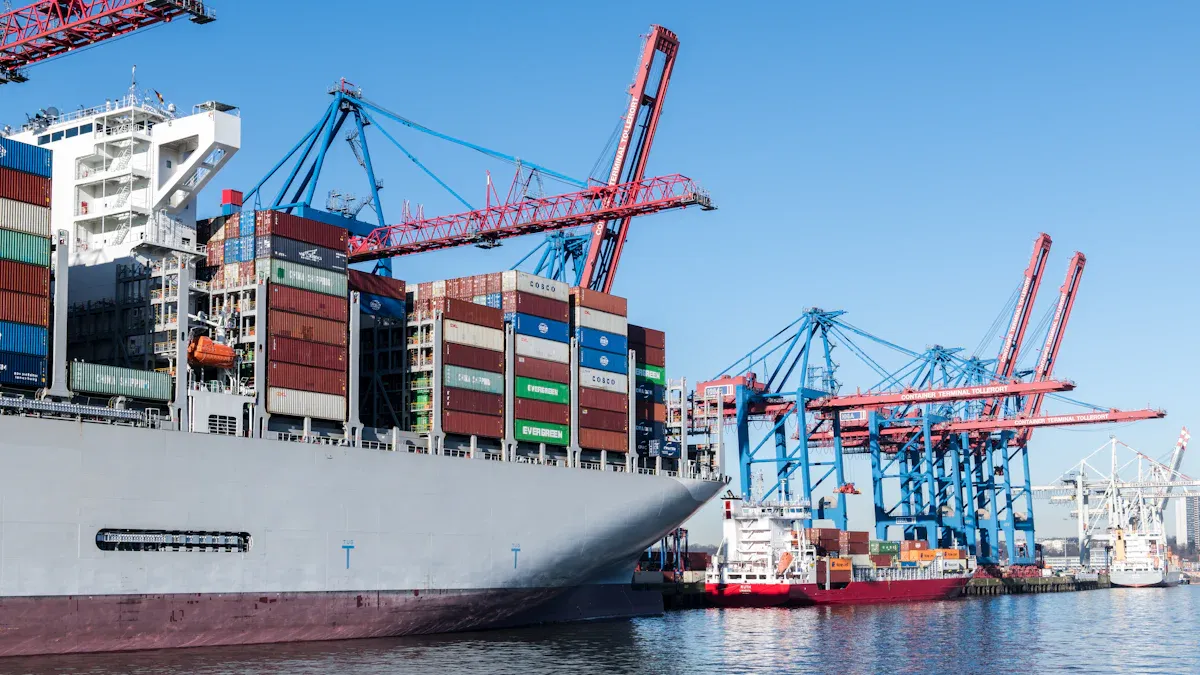
When you look for the best alternatives to traditional ocean and air freight tenders, you find three main options. These include technology platforms, procurement tools, and strategic partners. Each option brings unique benefits and helps you solve different challenges in freight tendering.
Technology Platforms
Technology platforms help you manage freight tendering with speed and accuracy. These systems automate many tasks, so you spend less time on manual work. You get real-time data, which helps you see market changes right away. This makes it easier to make smart decisions and keep your costs low.
End-to-end transportation management systems, like Oracle TMS, help you optimize routes and manage carriers.
Platforms such as SAP TM give you better control and visibility over your shipping process.
User-friendly tools, like Uber Freight, let you book and track shipments easily.
Real-time visibility tools, such as Project44, improve supply chain transparency.
Automation and analytics can help you save on fuel and boost efficiency.
Automation of workflows reduces manual processes and speeds up the tendering process. Real-time data gives you immediate insights into market conditions, which improves transparency and trust.
Procurement Tools
Procurement tools help you organize and control your freight spending. These tools automate bidding and purchase orders, so you can scale up your process as your business grows. You also get better data management, which helps you make informed choices.
Procurement Tool | Expected Outcome |
|---|---|
Purchase Order Automation | Ensures negotiated rates are used company-wide |
Automated Bidding Process | Scales up the bidding process as required |
E-tendering tools automate processes and reduce time.
Real-time analytics help you compare rates and choose the best option.
These tools improve communication with suppliers and lower costs.
You can run sourcing events, like RFPs or e-auctions, to find the best deals.
Feature/Benefit | E-Tendering | Traditional Tendering |
|---|---|---|
Efficiency | Automates processes, reducing time | Manual processes, time-consuming |
Transparency | Provides real-time data and analytics | Limited visibility, often opaque |
Data Management | Robust analytics for informed decisions | Basic data handling |
Supplier Relationships | Improved engagement and communication | Often less interaction |
Cost Reduction | Lowers procurement costs | Higher costs due to inefficiencies |
Speed | Accelerates the procurement process | Slower due to manual handling |
Strategic Partners
Strategic partners, such as 3PLs and freight forwarders, help you build strong and stable shipping networks. These partners offer long-term support, shared reporting, and access to new technology.
Benefit | Description |
|---|---|
Stability | Long-term collaborations provide predictable capacity and costs. |
Efficiency | Shared reporting and performance tracking uncover opportunities to cut costs and improve efficiency. |
Innovation | Access to technology and data transparency enhances real-time visibility and optimization. |
A thoughtful approach to carrier selection can lead to up to 14% cost savings.
Working with a mix of partners helps you control costs and manage risks.
A flexible carrier portfolio lets you handle disruptions and scale your business.
Choosing the right alternative is important. Strategic management of your delivery network can reduce expenses and improve reliability. Matching the right carriers to shipments boosts on-time performance and lowers supply chain risks. Diversifying your carrier base helps you control costs and stay reliable, even when the market changes.
When you review the best alternatives, think about your business needs. The right choice can help you save money, improve delivery times, and keep your customers happy.
Technology Platforms for Freight Tendering

Technology platforms have changed how you manage freight tendering. These digital tools help you compare rates, track shipments, and connect with trusted partners around the world. You can use these platforms to save time, reduce errors, and make better decisions. Many carriers now see technology as one of the best alternatives to traditional tendering.
Tip: Using a digital platform can help you avoid hidden fees and spot the best deals quickly.
Here are some key features you will find in leading freight tendering platforms:
Functionality | Description |
|---|---|
Digital Rate Comparison Tools | Lets you compare rates easily and see all costs up front. |
Comprehensive Rate Aggregation | Gathers rates from many carriers so you can choose the best option fast. |
Real-Time Tracking and Notifications | Gives you updates on your shipments and sends alerts if anything changes. |
Connects you with reliable partners in over 160 countries. | |
Scalable Digital Platforms | Grows with your business and handles more shipments as you expand. |
AI-Powered Automation | Automates tasks to cut down on mistakes and speed up your work. |
Freightify
Freightify gives you a simple way to compare ocean and air freight rates. You can see prices from many carriers in one place. This platform helps you avoid hidden fees and make quick choices. You also get real-time tracking, so you always know where your shipment is. Freightify connects you with a global network, making it easy to find trusted partners.
Freightender
Freightender focuses on making the tendering process smooth and fast. You can automate bids, compare offers, and manage contracts all in one system. The platform uses AI to help you spot the best deals and avoid errors. You get clear reports and alerts, which help you stay on top of every shipment. Freightender works well for businesses that want to scale up without losing control.
GoodShip
GoodShip offers a user-friendly platform for managing freight tenders. You can track shipments, compare rates, and get instant notifications. The system adapts as your business grows, so you never outgrow the platform. GoodShip connects you with reliable partners worldwide, making it one of the best alternatives for carriers who want flexibility and control.
Procurement Tools and RFP Services
Procurement tools and RFP services help you manage freight tendering with more control and less hassle. These solutions give you real-time data, automate compliance checks, and centralize information. You can reduce pricing errors by over 90% and increase your win rates by up to 35%. Many carriers see noticeable improvements in customer satisfaction when they use these tools.
Here is a quick look at the main advantages and disadvantages of using procurement tools and RFP services:
Tender Advantages | RFP Advantages |
|---|---|
Effective for comparing bids for a fixed scope of work. | Lets you consider and evaluate all bids, even non-compliant ones. |
Direct competition on pricing. | You can explore lower cost options by adjusting scope or contract terms. |
No need for negotiation to finalize contracts. | Allows negotiation on pricing, scope, and contract terms. |
Tender Disadvantages | RFP Disadvantages |
|---|---|
Cannot explore lower cost alternatives by changing scope or contract. | May require negotiation to finalize contracts. |
Process is not flexible after closing. Non-compliant tenders get disqualified. | Proposals can be withdrawn at any time. No bid security. |
You also get these benefits:
Real-time data access
Centralized information
Automated compliance checks
Reduced internal coordination time by up to 70%
LoadProof
LoadProof helps you document and track every shipment with photos and digital records. You can use your phone to capture proof of delivery, damage, or loading. This tool gives you a clear record for every step, which helps you solve disputes faster. LoadProof also connects with your other systems, so you keep all your data in one place.
Sedna
Sedna offers a smart communication platform for freight teams. You can manage emails, documents, and chats in one system. Sedna uses automation to sort messages and flag important updates. This reduces mistakes and saves you time. You can also use analytics dashboards and chat features to keep your team on track.
SAP Transportation Management
SAP Transportation Management gives you a full suite of tools for freight procurement. You can run RFPs, compare bids, and manage contracts in one place. The system uses predictive cost analysis to help you find the Best Alternatives for your business. SAP TM also automates compliance checks and centralizes your data, making your process faster and more reliable.
Tip: Using these procurement tools can help you build standardized benchmarks and avoid missing out on good vendor fits.
Strategic Partners and Methods
3PLs
Third-party logistics providers (3PLs) help you manage shipping, warehousing, and distribution. You can use 3PLs to handle complex logistics tasks. Many carriers choose 3PLs to gain access to advanced technology and a wider network. When you work with a 3PL, you often see better performance and higher profits. Trust and commitment between you and your 3PL partner can lead to stronger financial results. You should treat your 3PL as an extension of your team. This approach helps you reach new markets and improve your service.
3PLs offer flexible solutions for changing demand.
You can use their expertise to solve shipping problems quickly.
A dedicated team inside your company should manage the relationship for the best results.
NVOCCs & Freight Forwarders
Non-vessel operating common carriers (NVOCCs) and freight forwarders help you move goods across borders. They do not own ships or planes but work with many carriers to find the best routes and prices. You can use their services to simplify customs, paperwork, and compliance. These partners keep you informed about new shipping options and product updates. When you build strong relationships with NVOCCs and freight forwarders, you gain more control over your supply chain.
Note: Keeping your partners updated on your products and needs helps maintain a strong partnership.
Broadcast Tendering
Broadcast tendering sends your shipment request to many carriers at once. You get quick responses and can compare offers side by side. This method works well when you need fast solutions or want to test the market. You can use broadcast tendering to find new partners and get competitive rates. It helps you react to sudden changes in demand or capacity.
Method | Benefit | Drawback |
|---|---|---|
Broadcast Tendering | Fast, competitive rates | Less relationship focus |
Waterfall Tendering
Waterfall tendering follows a set order of carriers. You offer the shipment to your top choice first. If they decline, you move to the next carrier. This method gives you control and helps you manage preferred partners. You can use waterfall tendering to keep costs stable and maintain strong relationships. It works best when you have trusted carriers and want to reward loyalty.
Waterfall tendering supports long-term partnerships.
You can ensure your best carriers get priority.
This method may take longer if many carriers decline.
You can use these strategic partners and methods as some of the Best Alternatives to traditional tenders. They help you improve performance, reach new markets, and boost profitability.
Spot Rates and Contract Rates
Choosing between spot rates and contract rates can shape your freight strategy. You need to understand how each option works and how market conditions affect your decision.
Spot Rate Fielding
Spot rates let you respond quickly to changes in the market. You can adjust your pricing based on supply and demand. This flexibility helps you take advantage of favorable conditions. Spot rates often work best when shipping volumes change or when you need to move freight during peak seasons.
Spot rates give you the freedom to accept or reject shipments.
You can earn more when demand is high and capacity is tight.
Spot rates show you current market trends and pricing.
Spot rates can be unpredictable. Prices may rise during disruptions or busy periods. You might see lower costs in a shipper’s market, but rates can jump when demand increases.
Here are some key advantages and risks of spot rates:
Advantage | Risk |
|---|---|
Quick market adjustments | Price variability |
Higher earnings in peaks | Uncertainty in revenue |
Insights into demand | Less stability |
Contract Rate Negotiation
Contract rates offer stability and predictability. You can lock in prices and secure capacity for a set period. This helps you plan your budget and build long-term relationships with shippers. Contract rates work well if you ship large volumes or want to avoid sudden price changes.
Contract rates reduce your administrative workload.
You gain security in pricing and capacity.
Long-term contracts help you manage costs and plan ahead.
In a carrier’s market, contract rates become more attractive because spot rates often rise. You can use contracts to protect your business from market swings.
Here is a quick comparison between spot and contract rates:
Feature | Spot Rates | Contract Rates |
|---|---|---|
Flexibility | High | Low |
Stability | Low | High |
Profitability | Variable | Predictable |
Relationship | Transactional | Long-term |
You should balance both options. Spot rates help you stay flexible, while contract rates give you stability. Market forecasts and shipping volumes can guide your choice. If you expect rates to rise, locking in a contract may save you money. If the outlook is weak, using spot rates could help you avoid overpaying.
Choosing the Best Alternative
Key Factors for Carriers
You need to look at several important factors before you choose a freight tendering method. A streamlined process saves time and money. You should check if you can negotiate rates, because this helps you control costs. Reliable carrier networks make sure your shipments arrive on time. You must also think about your shipping needs, like how much you ship and which routes you use most often.
Key Factor | Explanation |
|---|---|
Efficiency of the tendering process | A streamlined process can reduce time and costs associated with freight tendering. |
Ability to negotiate rates | Negotiation can lead to better pricing and terms, which is crucial for cost management. |
Reliability of the carrier network | Dependable carriers ensure that the tendering strategy is effective and can meet shipping needs. |
Specific needs of the shipper | Understanding volume and route consistency helps tailor the tendering approach to the shipper's requirements. |
You should also look at market volatility, cost, and relationship management. Building long-term relationships with shippers improves service quality. Data analytics help you make smart choices. You need contingency plans to handle risks when the market changes. Route optimization and better rate negotiation can lower your costs.
Matching Solutions to Needs
You can use technology to match the right solution to your needs. Advanced load matching engines use data science and AI to give you custom load recommendations. These tools let you book loads much faster than older methods. Many carriers now book 40% of their loads using these engines. The system checks millions of searches every day, so you get the best options based on real-time data.
You get fewer empty miles and higher earnings with precise load matching.
Freight matching technology connects you with shippers who need your services.
The process suggests efficient routes and helps you save on transportation costs.
Technology improves real-time communication, so you avoid delays and misunderstandings.
Digital matching lets you check carrier credentials and history, which lowers risk.
Carriers measure success by looking at on-time delivery, cost per shipment, and freight tracking compliance. You can also use key performance indicators like freight cost as a percentage of sales or cost per kilogram per kilometer. These benchmarks help you see if your chosen method works well.
Choosing the Best Alternatives means you need to match your business goals with the right tools and partners. You should review your needs often and adjust your strategy to stay competitive.
You have many alternatives to traditional freight tenders. Each option has strengths and weaknesses. The table below shows key points:
Method | Advantage | Disadvantage |
|---|---|---|
Technology Platforms | Fast, data-driven decisions | May require upfront investment |
Procurement Tools | Better control and transparency | Learning curve for new users |
Strategic Partners | Stable, long-term relationships | Less flexibility |
Balance service quality, cost, and reliability for your business.
Use technology and strong partnerships to save money and improve results.
Match your choice to your company size, market changes, and goals.
FAQ
What is the main benefit of using technology platforms for freight tendering?
You get faster decisions and better data. Technology platforms help you compare rates, track shipments, and avoid mistakes.
Tip: Real-time updates let you react quickly to market changes.
How do procurement tools improve freight management?
Procurement tools automate bidding and contract management. You save time and reduce errors.
You see all your data in one place.
You make smarter choices with analytics.
Can strategic partners help you handle market changes?
Yes. Strategic partners like 3PLs and freight forwarders give you stability and flexibility.
Partner Type | Benefit |
|---|---|
3PLs | Reliable service |
Forwarders | Global reach |
When should you choose spot rates over contract rates?
You should use spot rates when shipping volumes change or during peak seasons. Spot rates give you flexibility and let you adjust prices quickly.
Are digital solutions hard to learn for new users?
Most platforms offer easy interfaces and training. You can start with basic features and learn more as you go.
Note: Support teams help you solve problems fast.
See Also
Discovering 2024 Updates in Sea Freight Logistics Today
Get Prepared: Unveiling New Transport Tech for Supply Chains
Affordable Transportation Management: Your Budget's Best Ally
Five Cutting-Edge Techniques for Optimizing Your Supply Chain
Essential Supply Chain Optimization Strategies for Guaranteed Success