Which shipping method is best for international freight in 2025

Choosing the best way to handle international shipping in 2025 depends on speed, price, trust, and the nature of the items being shipped. JUSDA provides various options for moving goods to other countries, including innovative rail solutions.
Air freight is increasingly popular, having grown by 11.3% globally. The cargo market has reached $149 billion.
Companies select different methods for international shipping, utilizing air, sea, rail, and road transport.
The table below compares the main shipping choices:
Shipping Method | Cost | Speed | Reliability |
|---|---|---|---|
Air Freight | High | Fast | High |
Sea Freight | Low | Slow | Moderate |
Courier Services | Varies | Fast | High |
Postal International | Low | Slow | Lower |
Before choosing a shipping method, businesses should consider their specific needs, the size of their shipment, and the required delivery timeline.
Key Takeaways
Air freight is the quickest way for urgent shipments. It costs more than other methods. It works well for valuable items. It is also good for perishable goods.
Sea freight is the cheapest choice for big shipments. It moves slower than other options. Weather can cause delays. It works best for heavy goods.
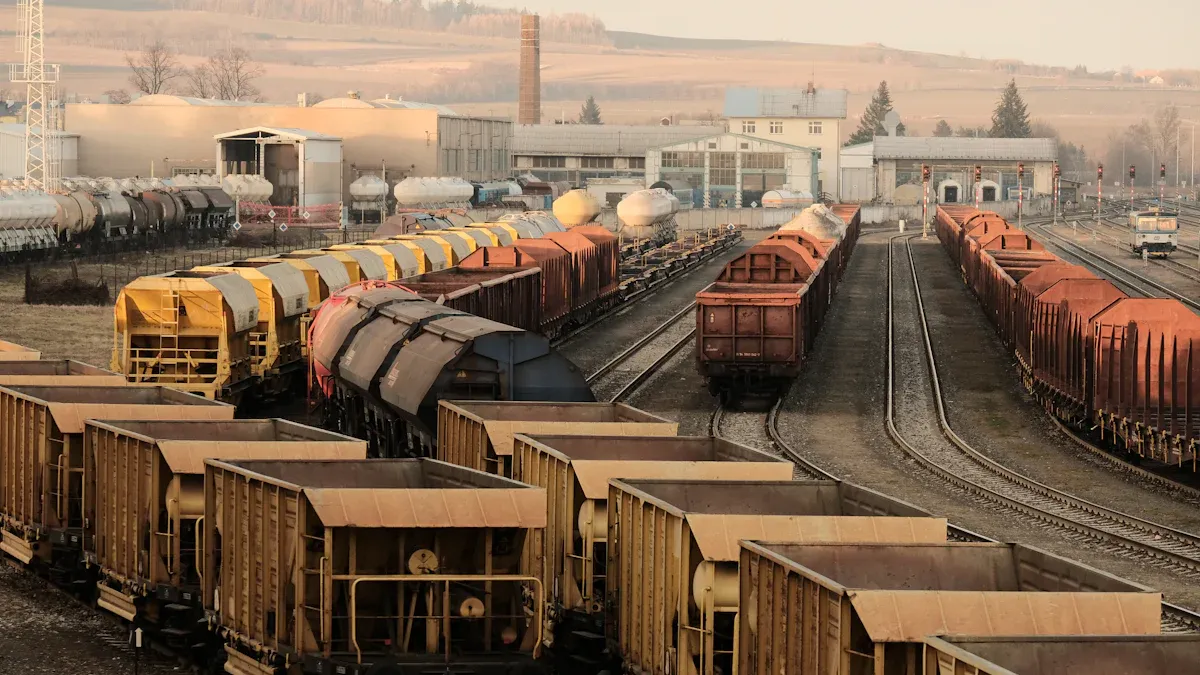
Rail freight, like JUSDA's China-Europe Express, is fast and not too expensive. It is good for shipping electronics. It is also used for medical supplies.
International Shipping Methods
Air Freight
Air freight is one of the fastest ways to ship goods. Companies use air when they need to send things quickly. It is good for expensive items or things that spoil fast. Air carriers move electronics, medical supplies, and food across countries. Air transport is very reliable. Sometimes, there is not enough space or prices change a lot. Big airports can get crowded. Using smaller airports can help avoid delays. Air freight insurance helps if there are problems like late delivery or damage. Technology and manufacturing companies use air for quick deliveries.
Type of Cargo | Description |
|---|---|
General Cargo | Electronics, clothing, medical supplies |
Special Cargo | Fine art, pharmaceuticals |
Perishable Cargo | Fresh fruits, seafood |
Temperature Controlled Cargo | Pharmaceuticals needing climate control |
High-Value or Fragile Cargo | Fine art, electronics |
Sea Freight
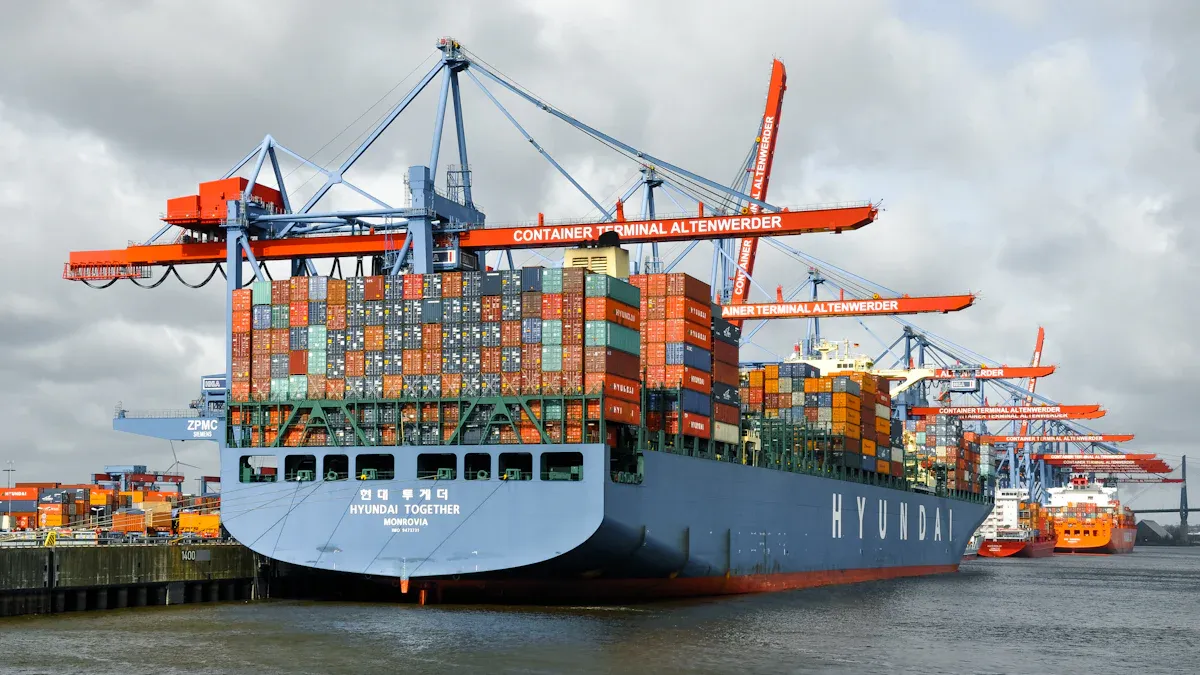
Sea freight is the most common way to ship big loads. Sea carriers move large shipments for less money. This is good for heavy or very big items. Retail companies use sea shipping to move lots of goods. Sea transport is cheaper and better for the environment. But, sea freight is slow and can be delayed by weather. It also needs more packaging. Ports can get busy and slow things down. Sea insurance helps if containers are lost or damaged by rough seas.
Advantages of sea freight:
Good price for big shipments
Can carry a lot
Better for the planet
Disadvantages of sea freight:
Takes more time
Can be slowed by weather or busy ports
Rail Freight – JUSDA China-Europe Express Rail
Rail freight, like the JUSDA China-Europe Express Rail, is between air and sea in speed and cost. Rail connects many cities in China and Europe. Rail takes about 18–22 days, faster than sea but cheaper than air. Rail shipping is good for electronics, clothes, and medical supplies. JUSDA helps with customs and keeps schedules on track. JusLink uses AI to track shipments and manage risks. This makes rail shipping more efficient. Manufacturers use rail when they want faster delivery than sea but lower costs than air.
Road Freight
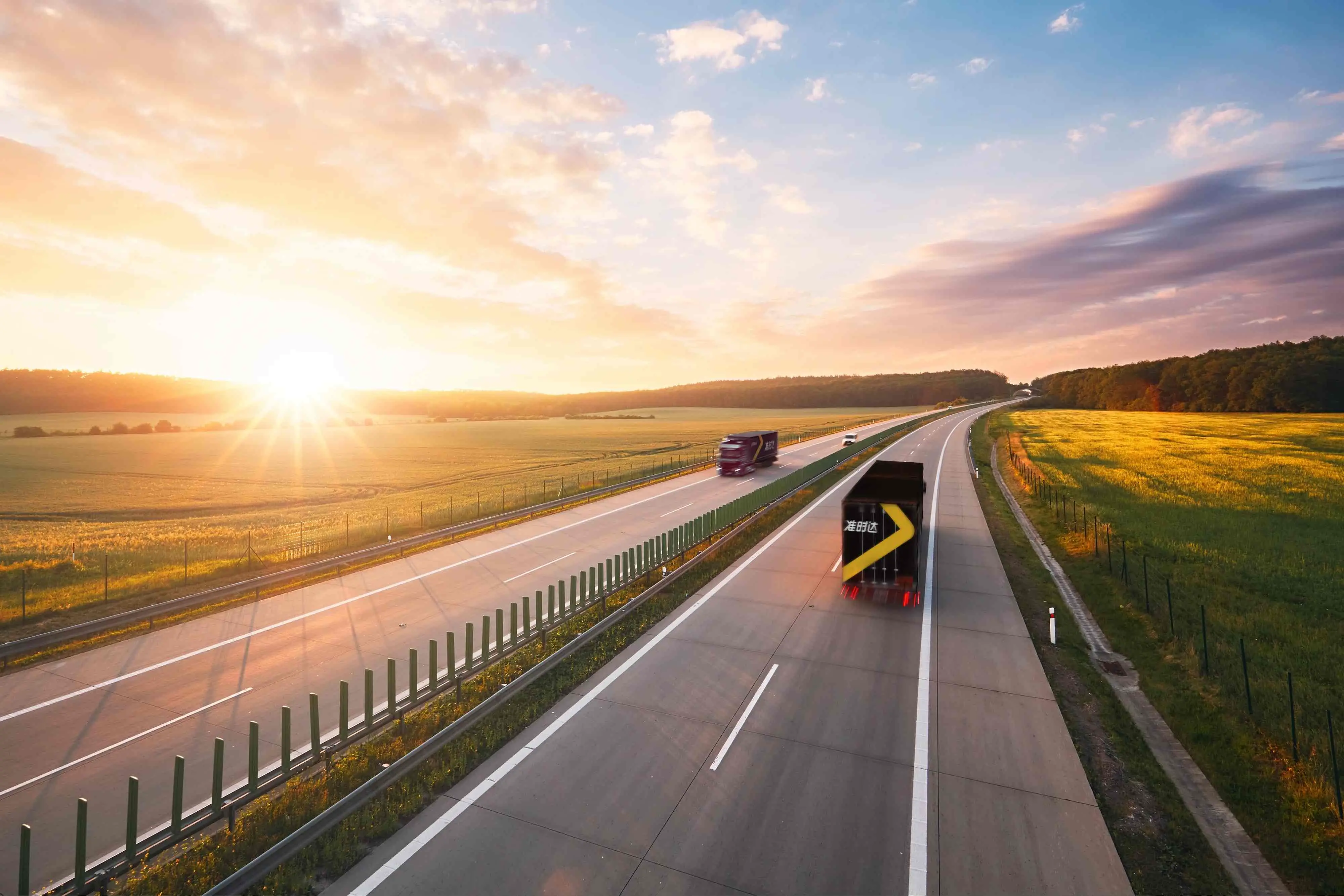
Road freight is important for moving goods to their final stop. Road carriers pick up and deliver from ports, airports, and rail stations. Road transport is flexible and reaches many places. It works well with other shipping methods. But, road freight costs more when fuel prices go up. There are also rules and customs to follow. Insurance helps if goods are stolen or damaged. Road carriers finish the last part of the shipping journey.
Tip: Using air, sea, rail, and road together makes shipping stronger and more efficient.
Choosing the Most Cost-Effective Shipping Method

Factors for Cost-Efficient Shipping
Picking the cheapest way to ship goods overseas takes careful thought. Businesses need to look at speed, price, trust, and what they are shipping. Each thing can change how much shipping costs and when items arrive.
Some important things that affect shipping costs are:
Customs fees and tariffs
Packaging materials and how they change cost
Planning for all shipping costs, even hidden ones
Not enough shipping containers can make prices go up
Picking air, sea, rail, or road freight
Choosing express, standard, or economy shipping
The shipment’s weight, size, and where it is going
Special rules in the country you ship to
Shipping speed matters for goods that need to arrive fast. Fast shipping, like air freight, costs more but gets there quickly. Sea freight is cheaper but slower. Rail freight is in the middle for speed and price. Road freight is flexible for the last part of delivery.
Green shipping also helps save money. Many companies use electric trucks and plan routes to use less fuel. AI and IoT help guess demand and watch shipments in real time. This makes shipping work better and cost less.
Fuel prices and world events can change shipping costs. When fuel costs go up, shipping gets more expensive. Inflation and money changes also change prices. Companies need to watch these things to keep costs low.
Businesses have problems like paperwork, tariffs, and customs checks. Using technology and working with experts helps fix these problems. Good paperwork and smart packaging stop delays and extra costs. Companies should learn customs rules for each country before shipping.
Tip: Always check shipping methods based on size, weight, and where your freight is going. This helps you pick the cheapest way to ship.
Factor | Explanation | Example |
|---|---|---|
Weight and size | Bigger and heavier freight costs more to ship. | Shipments over 150 pounds or large sizes cost more. |
Distance and destination | Longer trips and far places cost more. | Shipping from China to Europe costs more than nearby Asia. |
Transportation mode | Air is fastest and costs most; sea is slowest and cheapest. | Air freight for urgent goods, sea for big shipments. |
When Rail is Appropriate for Overseas Shipping – JUSDA Example
Rail freight is a good choice for shipping between China and Europe. The JUSDA China-Europe Express Rail is fast and not too expensive. It delivers goods in about 20 days, much quicker than sea shipping, and costs less than air freight. Trains leave every two days, so schedules are regular and reliable.
JUSDA’s rail service helps businesses save more than 20% on shipping. Smart transfer stations and planned routes make this happen. Rail is best when companies want faster delivery than sea but do not want to pay air prices. Electronics, clothes, and medical supplies often use rail because they need medium speed and lower costs.
JUSDA uses AI tools like JusLink to track shipments and handle risks. This technology lets companies see their shipments and react fast to changes. Rail freight is also better for the planet, using less fuel per ton than air or road. For many factories, rail is the cheapest way to ship between Asia and Europe.
Note: Rail freight is a good choice when you need speed, price, and trust. JUSDA’s team helps with customs and quick delivery.
Quick Comparison Table
The table below shows the main ways to ship goods overseas. It lists cost, speed, trust, and when each way works best.
Shipping Method | Cost | Speed | Reliability | Best Use Case |
|---|---|---|---|---|
Air Freight | High | Fast (3-5 days) | High | Urgent, expensive, or goods that spoil |
Sea Freight | Low | Slow (18-30+ days) | Moderate | Big, heavy, or goods that are not urgent |
Rail Freight | Medium | Moderate (15-22 days) | High | Electronics, clothes, medical supplies |
Road Freight | Medium | Variable | High | Local, last-mile, flexible places |
Shipping speed and price change by method. Air freight is fastest but costs the most. Sea freight is cheapest for big loads but takes the longest. Rail freight, like JUSDA’s China-Europe Express Rail, is in the middle for price and speed. Road freight is flexible and connects other ways for final delivery.
For best shipping, companies should look at their needs, compare choices, and talk to experts. JUSDA gives custom shipping plans for international freight, helping businesses find the cheapest way to ship for their needs.
JUSDA Solutions
To provide you with professional solutions and quotations.
Picking the best way to ship things to other countries has some steps. First, think about how big and heavy your shipment is. Next, decide how fast you need it to arrive. Then, look at how much each choice costs. Also, check if your items need special care.
Pick a shipping method that fits your speed and money needs.
Get your package ready for the way you will ship it.
Be ready for delays that might happen during shipping.
JUSDA is a leader in shipping goods worldwide. Their smart booking system and transfer stations help save more than 20% on shipping. They help keep shipments safe and have won awards for their work.
Evidence Type | Description |
|---|---|
Cost Optimization | JUSDA's platform cuts shipping costs by over 20%. |
Risk Mitigation | Their plans help make shipping safer. |
Industry Recognition | They are known as a top cross-border service provider. |
Expertise | They know a lot about global shipping. |
JUSDA’s team helps companies with every part of shipping to other countries.
See Also
Discovering Innovations in Sea Freight Logistics for 2024
An In-Depth Look at the Future of LTL Freight
Get Prepared: Unveiling New Transport Tech for Supply Chains