Global Shipping Faces Higher Costs as Empty Box Moves Increase

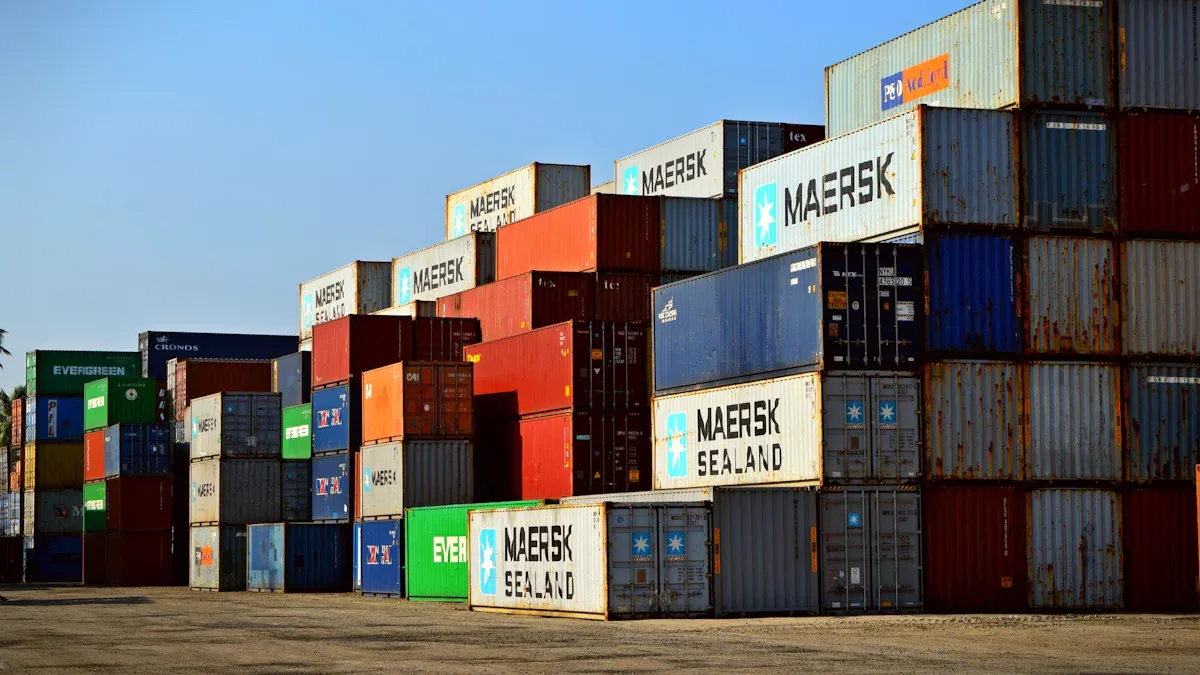
Global shipping is now grappling with new cost challenges as box lines face cost rise as empty container moves increase. Almost 41% of containers are empty, complicating operations for shipping companies and supply chains around the world.
Spot freight rates from Asia to Europe have surged to more than twice their previous levels, with some routes exceeding $6,000 for each FEU.
Box lines are experiencing heightened expenses due to the increased movement of empty containers, a situation exacerbated by the ongoing Red Sea crisis, which is impacting 30% of trade worldwide.
Key Takeaways
Moving empty containers costs shipping companies more than $20 billion every year. Companies can save money by using online tools to find partners for one-way trips.
Busy ports and uneven trade make shipping more expensive. Companies should plan early and use smart data tools to manage containers better.
JUSDA's AI tools help companies watch containers and make shipping plans better. Using new technology can help companies work faster and spend less on shipping.
Empty Container Repositioning in Global Shipping
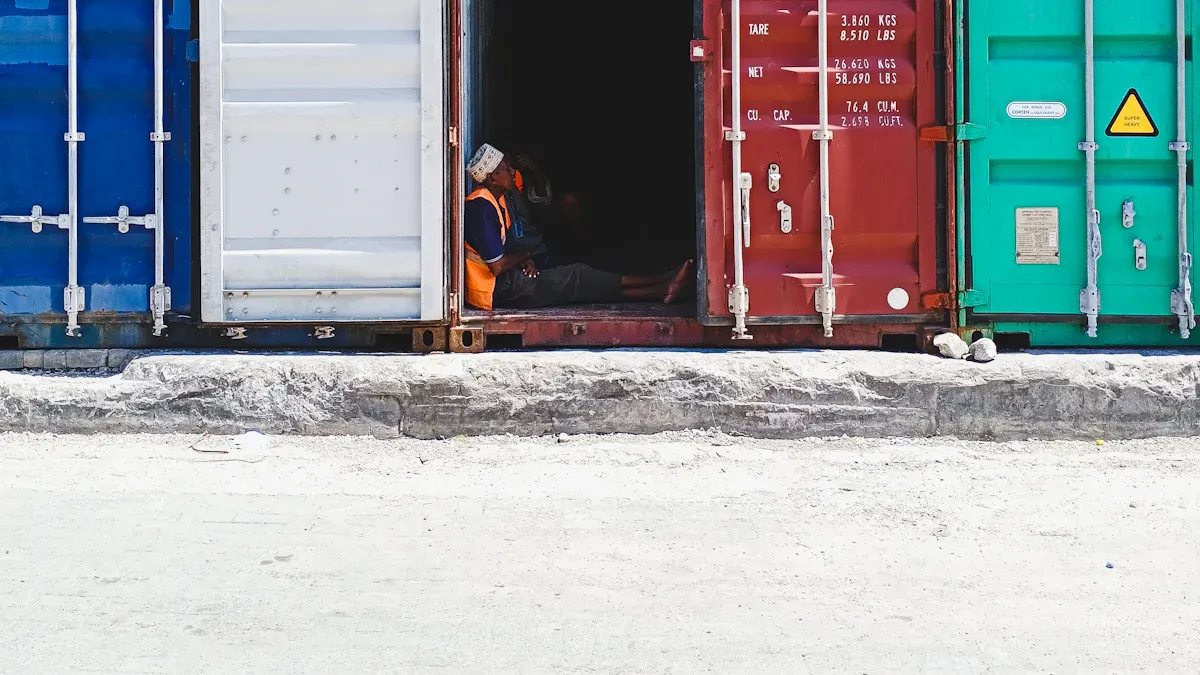
What Is Empty Container Repositioning?
Empty container repositioning means moving empty shipping containers. They go from places with too many containers to places that need more. This helps keep goods moving around the world. When containers arrive full at ports that import a lot, they often go back empty to places that export more. The industry spends over $20 billion every year on this. Moving empty containers also causes pollution, just like moving full ones.
Process/Challenge | Description |
|---|---|
Cost of Repositioning | The industry spends over $20 billion each year on moving empty containers. |
Environmental Impact | Moving empty containers pollutes the air as much as moving full ones. |
Finding Partners | Platforms help companies find others for one-way container trips. |
Secure Transactions | Secure wallets lower fees and keep transactions safe. |
Global Network | A global network lets companies trade and lease containers. |
Shipping companies use online platforms to find partners. They also use these tools to make safe deals. These networks help lower costs and make repositioning easier.
Why Do Imbalances Occur?
Container imbalances happen for many reasons. Sometimes, there are not enough containers in some places. Ports get crowded and workers are sometimes hard to find. Problems between countries and bad weather can change shipping routes. Trade rules can change and containers can be hard to get. All these things make global supply chains work harder.
Labor shortages
Geopolitical tensions
Fluctuating trade policies
Container shortages
These problems make containers pile up or run out on big trade routes. So, moving empty containers is always needed in global shipping.
Box Lines Face Cost Rise as Empty Container Moves Increase
Shipping Costs and Operational Challenges
Box lines are paying more because they move empty containers. This is a big problem for shipping companies and shippers. Moving empty containers makes shipping cost more money. When ports are slow, companies must book shipments again. This makes freight rates go up. Shippers pay extra during busy times. Shipping lines spend more to handle their work.
Port congestion has made shipping lose about $10 billion. If ports get better, freight rates could fall by 25%. But right now, rates stay high. Shipping companies have many problems:
Trade imbalance means some countries have too many empty containers. This makes moving them hard.
Exporters do not have enough containers in busy seasons if empties are late.
Moving empty containers with trucks, trains, and ships needs lots of money and strong systems.
Many companies still use paper and manual work for containers. This causes mistakes and slows things down.
Exporters still have trouble finding containers. Shippers often cannot get the containers they need. They must pay more or wait longer. In the end, box lines pay more as empty container moves go up. Shipping costs keep rising.
Impact on the Global Shipping Container Market
The global shipping container market is feeling the effects of moving more empty containers. Shippers in Asia, the U.S., China, India, and Vietnam have new problems. The table below shows how regions see changes in prices and container supply:
Region | Impact on Shippers | Pricing Changes |
|---|---|---|
Asia | Small exporters lose space to bigger customers | Paying 2–3 times more than before |
U.S. | Hard to get containers for normal shipments | Spot rates up 12–18% in Q2 2025 |
China | Delays getting boxes for finished goods | Leasing costs are higher |
India | Farm and medicine exporters pay more | Containers sent to higher paying routes |
Vietnam | Leasing costs jump by 20–30% | Not enough empty containers |
Many places have fewer containers now. Shippers fight to get the best types, so prices go up. Buyers plan early to avoid extra fees and waiting. Problems in big shipping routes change oil prices and shipping work.
Trouble between countries and bad weather make things worse. The Red Sea crisis has raised shipping costs because ships take longer routes. Bad weather makes it cost more to make goods and ship them fast. Route problems make companies spend more to move empty containers.
Factor | Impact on Costs |
|---|---|
Shipping costs go up when routes change | |
Environmental disruptions | Making goods costs more and deliveries must be faster |
Shipping route disruptions | Companies pay more to move empty containers |
Box lines pay more as empty container moves go up. Every part of the shipping market feels this. Shippers must deal with higher costs, fewer containers, and new problems. The industry is looking for ways to fix these issues and keep goods moving.
Key Drivers of Empty Container Repositioning
Trade Imbalances and Seasonal Demand
Trade imbalances make empty containers move around the world. Countries like China, Vietnam, and India ship lots of goods. They send these goods to places like North America and Europe. This causes not enough containers in exporting countries. Importing ports end up with too many containers. When holidays or harvests come, demand for containers goes up. Retailers and farmers need more containers at these times. This makes freight rates rise. Companies must move empty containers fast to help.
Busy seasons in stores and farms cause short-term problems.
Exporters do not have enough containers when demand is high.
Port Congestion and Delays
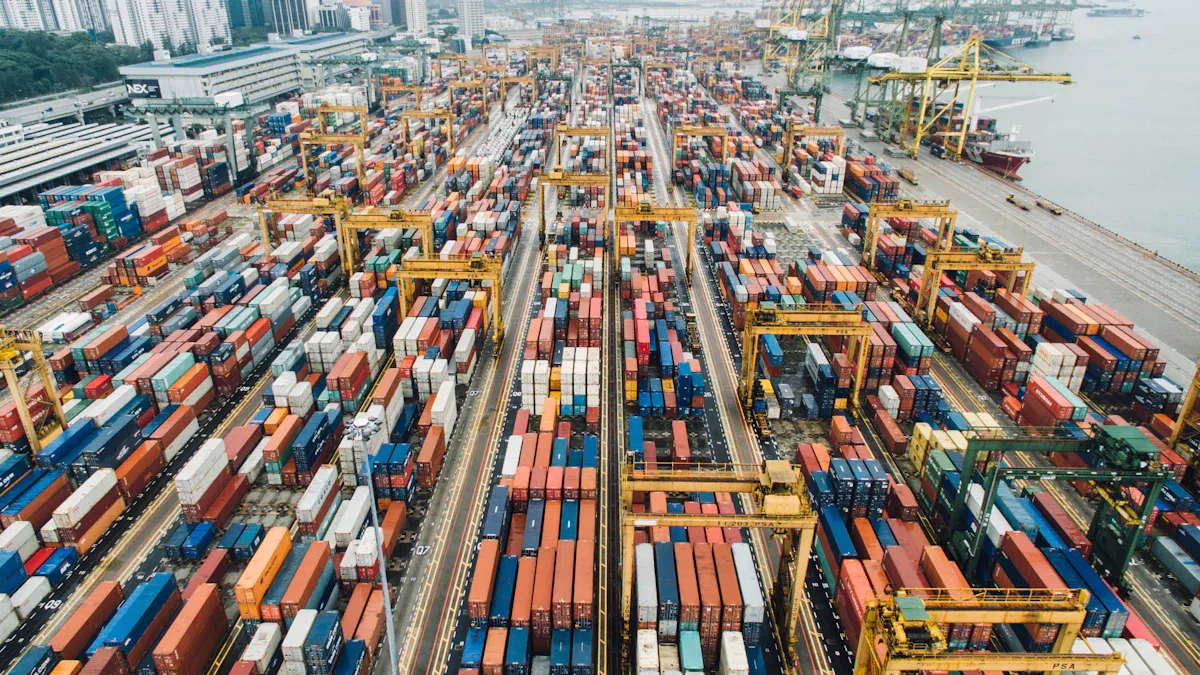
Port congestion is a big reason for container shortages. Sometimes ships arrive faster than ports can unload them. Containers stack up and there is no space left. Ports that import a lot have too many empty containers. Export ports do not have enough containers. Companies must move empty containers to fix this. Delays at ports make shipping cost more money.
Port congestion happens when too many ships come in.
Delays and higher costs hurt supply chains.
Moving empty containers helps save space and money.
Operational Inefficiencies
Operational problems make container shortages worse. Lots of ships and slow unloading mean long waits. Damaged containers need to be checked, which slows things down. European ports often have long delays because of these issues. These problems make container shortages worse and raise freight rates.
Evidence Type | Description |
|---|---|
Port Congestion | Too many ships and slow unloading mean long waits at ports. |
Delays in Handling | It can take up to 5 days to dock, which costs more and makes container problems worse. |
Empty containers must move fast to stop more congestion and keep supply chains working well.
Impact on Shipping Costs and Supply Chains
Rising Freight Rates for Shippers
Shippers now pay more because moving empty containers costs more. Many shipping lines pick the most profitable routes first. This means exporters wait longer to get containers. The table below shows how changes in container space affect prices and supply:
Capacity Change | Impact on Freight Rates | Additional Notes |
|---|---|---|
30% reduction in USWC capacity | Spot rates dropped quickly | Lower volumes expected after tariffs went up |
40% reduction in USEC capacity | Supply and demand more even | Rates are stronger for USEC and Gulf routes |
Exporters on the Gulf Coast have trouble finding equipment. This is because fewer goods come from Asia. Ocean carriers pick routes with higher repositioning fees. This makes it harder for U.S. exporters to get containers.
Supply Chain Disruptions and Delays
Shipping companies send empty containers back to Asia fast. This helps them save time but interrupts the normal flow of goods. When containers are missing, new shipments get delayed. Many industries must wait longer and cannot count on delivery times.
Effects on Businesses and Consumers
Industries like electronics, cars, and FMCG pay more for shipping. They also face more delays. The chart below shows how much these sectors import from different places:
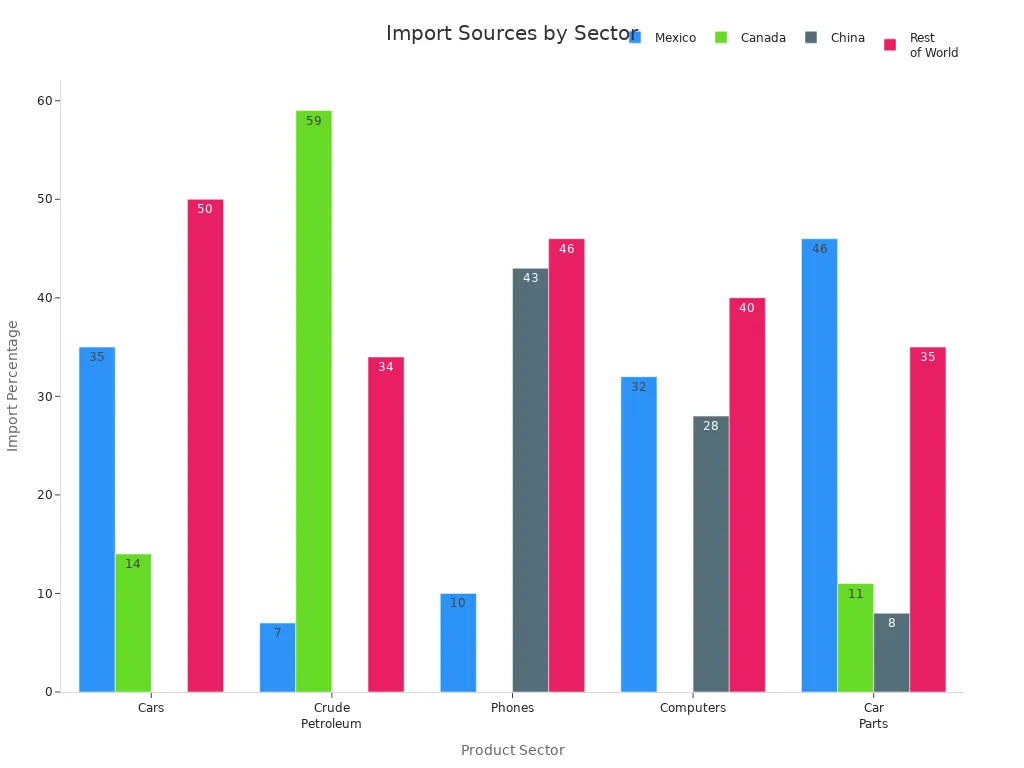
Car makers like Ford and GM moved some production to North America. They did this to avoid tariffs and cut down on delays.
Procter & Gamble built more U.S. factories. This lowered their costs by 17% and made them less dependent on Chinese imports.
JUSDA’s customer stories show how smart logistics tools help companies. These tools make it easier to see and manage the supply chain. JUSDA helps businesses handle higher costs and shipping problems.
JUSDA Solutions for Empty Container Repositioning
JusLink AI and Data-Driven Optimization
JUSDA uses JusLink AI to help companies with container shortages. JusLink AI watches container movement and guesses where shortages might happen. The system gives live data and helps companies make smart choices. These tools help save money and make work easier. Companies can see container locations and plan ahead for shortages.
China-Europe Express Rail and Intermodal Options
This service helps with container shortages by giving another way to ship. The rail is quicker than sea freight and cheaper than air freight. These options help companies skip delays and keep goods moving.
Advanced Warehousing and Inventory Management
JUSDA has smart warehouses in many countries. The company uses live inventory systems to track containers and goods. This helps companies know what they have and where it is. JUSDA’s warehouses help electronics and car companies. With better inventory, companies can plan shipments and avoid shortage problems.
Strategies for Managing Shipping Costs and Risks
Forecasting and Planning
Shipping companies plan ahead to control costs. They use forecasting to guess when containers will be needed. Predictive analytics look at old and new data to find shortages or extra containers. This helps companies move containers only when needed. It stops them from moving containers too much. Joint optimization means planning container moves and inventory together. This can lower costs by about 6.43%. Companies get benefits from these strategies, no matter how they manage inventory.
Predictive analytics help guess container needs.
Joint optimization lowers costs for companies.
Planning makes container moves work better.
Collaboration and Technology Adoption
Shippers, carriers, and tech providers work together to manage shipments. Good communication helps everyone stay organized. Platforms like Revenova make work easier and faster. They help reduce empty container moves. Load planning software fills containers all the way. This saves money and means fewer trucks are needed.
Innovation Type | Description |
|---|---|
Rental Pricing Strategies | Helps companies earn more and manage empty container moves. |
Optimization Models | Uses math to make container moves better. |
Foldable Containers | Saves space and lowers costs for moving empty containers. |
Contracting and Market Adaptation
Shippers use smart contracts to handle changing shipping costs. Real-time rate changes let prices match the market fast. Demand-driven shipping helps shippers get lower rates when things are slow. Custom freight choices and mixing contract and spot pricing give more options. Structured pricing helps companies plan budgets and make smarter choices.
Benefit | Description |
|---|---|
Protect Against Market Volatility | Rates change with the market, so everyone wins. |
Reduce Administrative Burden | Stable prices mean less paperwork and fewer changes. |
Improve Carrier-Shipper Relationships | Fair prices help build strong partnerships. |
Increase Budget Predictability | Structured pricing helps companies plan ahead. |
Enable Smarter Hedging Strategies | Freight derivatives give extra stability. |
Companies now want to be quick and flexible. They try new ideas to handle higher costs and changing needs. Many shipping companies look for new routes, use live updates, and make cybersecurity stronger as more work goes online.
Moving empty containers makes shipping cost more.
When rotation cycles get messed up and there are not enough containers, freight rates go up. Asia-Europe rates jumped 48.37% in just one month.
Companies can do better by using AI and data analytics. Working with skilled partners like JUSDA helps. Real-time tools let businesses change fast when the market shifts.
FAQ
What makes JUSDA’s JusLink AI solution effective for container management?
JUSDA’s JusLink AI can guess when containers will be needed. It watches containers move and gives updates right away. Companies use this to plan better. This saves money and helps the supply chain work well.
How does JUSDA’s China-Europe Express Rail help with empty container repositioning?
JUSDA’s China-Europe Express Rail moves goods faster than ships. It costs less than sending things by plane. This service helps keep containers moving between China and Europe.
Where does JUSDA operate advanced warehouses for inventory management?
JUSDA has smart warehouses in China, Vietnam, the United States, and Mexico. These places help companies track what they have and move goods quickly.
See Also
Overcoming Global Supply Chain Growth Obstacles Effectively
Understanding Cost Efficiency Strategies in Supply Chain Management
Analyzing Current Trends in Logistics Risk Management