Building a Modern Warehouse in Europe: Key Considerations

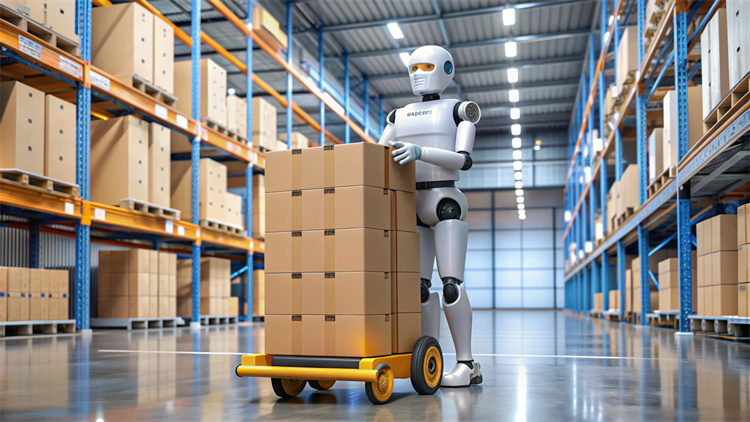
In today's fast-paced world, building a modern warehouse in Europe is crucial for staying competitive. You play a vital role in the logistics and supply chain sectors, where efficiency and speed are paramount. Modern warehouses streamline operations and reduce costs through automation, making them indispensable. The demand for such facilities is skyrocketing, with tenants leasing an impressive 1.76 million square meters of warehouse space in just three months. This trend highlights the need for innovative construction techniques and strategic locations to meet the growing demands of e-commerce and distribution networks.
Location and Accessibility

Strategic Positioning
Proximity to Transport Hubs
Choosing the right location for your warehouse is crucial. You need to position your facility near major transport hubs. This ensures quick and efficient movement of goods. Proximity to airports, seaports, and rail terminals can significantly reduce transportation time and costs. By being close to these hubs, you enhance your supply chain efficiency and meet customer demands faster.
Accessibility to Major Markets
Your warehouse should also be accessible to major markets. This means being near economic networks and strategic transportation routes. By doing so, you can reach your customers quickly and efficiently. This strategic positioning not only saves time but also reduces delivery costs. It allows you to respond swiftly to market changes and customer needs.
Environmental Impact
Sustainability Practices
Incorporating sustainability practices in your warehouse design is essential. You should focus on eco-friendly construction materials and energy-efficient systems. Implementing green technologies reduces your carbon footprint and operational costs. Sustainable practices not only benefit the environment but also enhance your brand image and appeal to eco-conscious consumers.
Regulatory Compliance
Adhering to regulatory compliance is non-negotiable. You must ensure that your warehouse meets all local and international regulations. This includes environmental laws and safety standards. Compliance helps you avoid legal issues and fines. It also builds trust with stakeholders and ensures smooth operations. By staying compliant, you protect your investment and reputation.
Design and Technology
Architectural Considerations
Space Optimization
You must prioritize space optimization when designing your warehouse. Efficient use of space enhances productivity and reduces operational costs. Implementing vertical storage solutions maximizes available space. This approach allows you to store more goods without expanding the warehouse footprint. Additionally, consider modular shelving systems. These systems offer flexibility and adaptability, accommodating various product sizes and types. By optimizing space, you ensure smooth operations and increase storage capacity.
Flexibility for Future Expansion
Planning for future expansion is crucial. Your warehouse should accommodate growth without significant disruptions. Design with scalability in mind. Incorporate flexible layouts that can adapt to changing needs. This foresight saves time and money in the long run. You avoid costly renovations and downtime. By building with future expansion in mind, you position your business for success and growth.
Technological Integration
Automation and Robotics
Embrace automation and robotics to revolutionize your warehouse operations. These technologies streamline processes and enhance efficiency. Automated systems handle repetitive tasks, reducing human error and increasing accuracy. Robotics improve picking and packing speeds, ensuring timely order fulfillment. By integrating automation, you boost productivity and meet customer demands swiftly. This investment pays off with increased efficiency and reduced labor costs.
Smart Warehouse Systems
Implement smart warehouse systems to stay ahead in the industry. These systems provide real-time data and insights, enabling informed decision-making. Advanced Warehouse Management Systems (WMS) optimize inventory management and track goods efficiently. You gain visibility into stock levels and movement, reducing the risk of overstocking or stockouts. By leveraging smart systems, you enhance operational efficiency and improve customer satisfaction. Embrace these technologies to transform your warehouse into a modern, efficient facility.
Cost Analysis
Initial Construction Costs
Material and Labor Expenses
When building a modern warehouse, you must consider the initial construction costs. Material and labor expenses form a significant portion of these costs. Choosing the right materials is crucial. Concrete Tilt-Up and pre-engineered metal are popular choices. Each has its advantages. Concrete offers durability, while metal provides flexibility. Your choice impacts the overall cost and functionality of the warehouse. Skilled labor is essential for quality construction. Investing in experienced workers ensures the project meets high standards. By carefully selecting materials and labor, you optimize your investment and ensure a successful build.
Permitting and Legal Fees
Permitting and legal fees are unavoidable in warehouse construction. You must navigate various regulations and obtain necessary permits. This process can be complex and time-consuming. However, compliance is crucial. It prevents legal issues and ensures smooth operations. Budgeting for these fees is essential. It helps you avoid unexpected expenses. By planning ahead, you streamline the construction process and protect your investment.
Long-term Operational Costs
Energy Efficiency
Energy efficiency plays a vital role in reducing long-term operational costs. Implementing energy-efficient systems can significantly lower utility bills. Consider installing LED lighting and energy-efficient HVAC systems. These technologies reduce energy consumption and enhance sustainability. By focusing on energy efficiency, you not only save money but also contribute to environmental conservation. This approach aligns with modern sustainability practices and enhances your brand image.
Maintenance and Upkeep
Regular maintenance and upkeep are essential for the longevity of your warehouse. Neglecting these aspects can lead to costly repairs and downtime. Implement a proactive maintenance plan. This includes routine inspections and timely repairs. By maintaining your facility, you ensure smooth operations and extend the lifespan of your warehouse. Investing in maintenance pays off in the long run. It reduces unexpected costs and enhances operational efficiency.
Supply Chain and Logistics
Efficient Layout Design
Workflow Optimization
In a modern warehouse in Europe, optimizing workflow is essential for maximizing efficiency. You should design your warehouse layout to facilitate smooth movement of goods and personnel. By strategically placing workstations and storage areas, you can minimize travel time and reduce bottlenecks. This approach enhances productivity and ensures timely order fulfillment. Consider using conveyor systems and automated guided vehicles (AGVs) to streamline operations further. These technologies not only speed up processes but also reduce labor costs, making your warehouse more competitive.
Inventory Management Systems
Implementing robust inventory management systems is crucial for maintaining control over stock levels. In a modern warehouse in Europe, you need real-time visibility into your inventory to prevent overstocking or stockouts. Advanced systems like Warehouse Management Systems (WMS) provide accurate data on stock movement and availability. By using these systems, you can optimize inventory levels and reduce carrying costs. This not only improves operational efficiency but also enhances customer satisfaction by ensuring product availability.
Connectivity and Distribution
Integration with Supply Networks
Seamless integration with supply networks is vital for a modern warehouse in Europe. You must establish strong connections with suppliers and distributors to ensure a steady flow of goods. By integrating your warehouse systems with those of your partners, you can share real-time data and improve coordination. This integration reduces lead times and enhances supply chain visibility. As a result, you can respond quickly to market demands and maintain a competitive edge.
Transportation Solutions
Effective transportation solutions are key to successful distribution in a modern warehouse in Europe. You should develop a comprehensive transportation strategy that includes multiple modes of transport. By leveraging road, rail, air, and sea options, you can optimize delivery routes and reduce transit times. Consider using transportation management systems (TMS) to plan and execute shipments efficiently. These systems help you track shipments in real-time and make informed decisions. By implementing effective transportation solutions, you can enhance your distribution capabilities and meet customer expectations.
Risk Management and Security
Safety Protocols
Fire and Hazard Prevention
You must prioritize fire and hazard prevention in your warehouse. Implementing robust safety measures protects your assets and ensures the well-being of your employees. Install fire detection systems and sprinklers to quickly respond to any fire incidents. Regularly inspect and maintain these systems to ensure they function effectively. Store flammable materials safely and away from ignition sources. By taking these precautions, you minimize the risk of fire-related accidents and safeguard your investment.
Employee Training Programs
Training your employees is crucial for maintaining a safe working environment. Conduct regular training sessions to educate your staff on safety protocols and emergency procedures. Ensure they understand how to operate equipment safely and recognize potential hazards. Encourage a culture of safety by rewarding employees who adhere to safety guidelines. By investing in employee training, you reduce the likelihood of accidents and create a safer workplace.
Security Measures
Surveillance and Monitoring
Enhance your warehouse security with advanced surveillance and monitoring systems. Install high-definition cameras to cover all areas of your facility. These cameras deter potential intruders and provide valuable evidence in case of incidents. Implement real-time monitoring to quickly identify and address security breaches. By using surveillance systems, you protect your inventory and maintain a secure environment.
Access Control Systems
Control access to your warehouse with state-of-the-art access control systems. Use key cards or biometric scanners to restrict entry to authorized personnel only. This prevents unauthorized access and reduces the risk of theft. Regularly update access permissions to reflect changes in your workforce. By implementing access control systems, you enhance security and protect your valuable assets.
Building a modern warehouse in Europe requires careful consideration of several key factors. You must strategically plan your location, design, and technology integration to ensure success. As you look to the future, anticipate advancements in warehouse construction. Expect larger, high-tech facilities that incorporate automation and robotics. These innovations will enhance productivity and reduce costs. Embrace these trends to stay competitive. By investing in advanced technologies and strategic planning, you position your business for long-term success. Seize the opportunity to transform your warehouse into a cutting-edge facility that meets the demands of tomorrow's market.
See Also
Automated Future: Advantages of High-Tech Manufacturing Warehouses
Efficiency Unleashed: Revealing JUSDA's Latest Warehouse Facilities
Boosting Efficiency: Understanding Robotic Automation in Warehousing
The Importance of Warehouse Automation for Your Business
Revolutionizing Logistics: AI's Impact on Future Supply Chains