China - Europe Railway Express: A Reliable Lifeline in Turbulent Maritime Shipping

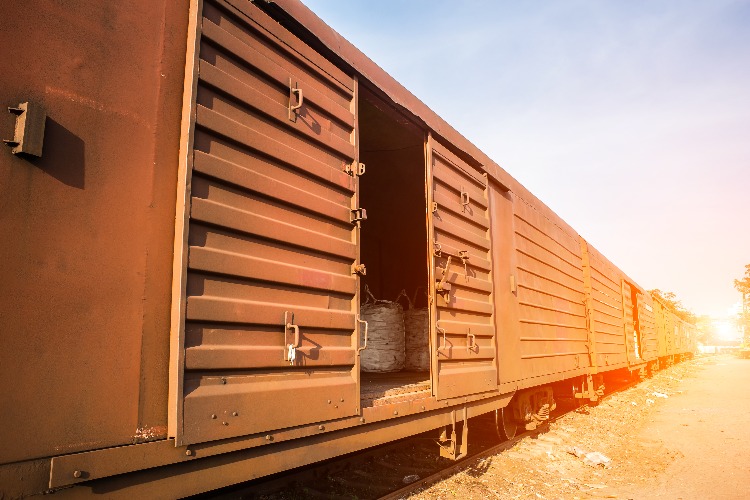
You want your goods to move quickly, reliably, and at a reasonable cost. The China - Europe Railway Express now gives you a real alternative to maritime shipping, especially after recent supply chain disruptions. When sea freight rates jumped by 78% and reached $7,961 per container, rail rates stayed much lower at about $3,240 per container. Rail transit times dropped to just 15-20 days, much faster than shipping by sea. More companies now use rail, with volumes rising by over 80% this year. You can count on the railway for steady service, even when maritime routes face delays or suspensions.
Key Takeaways
The China - Europe Railway Express offers faster transit times of 12 to 20 days, significantly quicker than maritime shipping, which takes 30 to 45 days.
Rail rates are much lower than recent sea freight rates, providing a cost-effective solution during supply chain disruptions.
JUSDA’s advanced technology allows for real-time tracking and efficient customs clearance, enhancing supply chain visibility and reliability.
Rail transport is less affected by port congestion and geopolitical risks, ensuring more predictable delivery schedules.
The network continues to expand, connecting over 223 cities in Europe and more than 100 in Asia, making it easier to reach new markets.
China - Europe Railway Express vs. Maritime Shipping
Speed and Cost Comparison
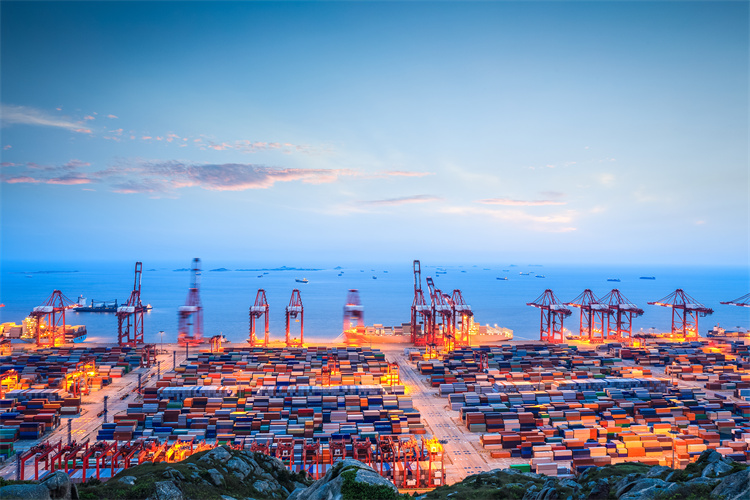
You want your goods to arrive quickly and at a reasonable price. The China - Europe Railway Express offers a much faster option than maritime shipping. Most rail routes take only 12 to 20 days to reach major European cities. Sea freight usually takes 30 to 45 days. You can see the difference in the table below:
Route | Average Transit Time (Rail) | Average Transit Time (Sea) |
|---|---|---|
Chengdu to Duisburg | 12-14 days | 30-40 days |
Xi’an to Hamburg | 14-16 days | 30-40 days |
Wuhan to London | 15-18 days | 30-45 days |
Yiwu to Madrid | 16-20 days | 35-45 days |
Nanchang to Warsaw | 14-16 days | 30-40 days |
You save time when you choose rail. Faster transit means you can respond to market changes and customer needs more quickly. Rail also helps you avoid long waiting periods at sea ports.
Cost matters too. Rail rates stay lower than sea freight rates during times of crisis. For example, when sea freight rates reached $7,961 per container, rail rates stayed around $3,240 per container. You get a balance between speed and cost with the China - Europe Railway Express. Rail is more affordable than air freight and much faster than sea freight.
Tip: If you ship electronics, clothing, or medical supplies, rail can help you meet tight deadlines without breaking your budget.
Reliability and Risk Factors
You want your shipments to arrive safely and on time. Reliability depends on many factors, such as customs clearance, infrastructure, weather, and geopolitical risks.
Rail transport has improved customs clearance. The "95306 System" now reduces customs processing time from half a day to less than 30 minutes. You spend less time waiting for paperwork. Maritime shipping often faces longer delays at ports due to congestion and strikes.
Here is a table showing key reliability factors:
Reliability Factor | Description |
|---|---|
Customs Clearance Delays | Varying standards can slow down shipments, but new systems speed up rail. |
Infrastructure Challenges | Different rail gauges require transshipment, but optimized routes help. |
Weather Disruptions | Rail faces fewer climate issues than long sea voyages. |
Geopolitical tensions can disrupt both rail and sea routes. Maritime shipping often faces diversions, increased insurance costs, and port congestion. Rail routes can shift more easily to avoid trouble spots. You experience fewer delays and less risk of your goods getting stuck.
Rail transport is less affected by port congestion.
Operational delays from strikes and labor unrest are more common in maritime shipping.
Rail offers more predictable schedules and fewer disruptions.
You gain more control over your supply chain when you choose the China - Europe Railway Express. You avoid many risks that slow down sea freight. You get faster customs clearance, less congestion, and more reliable delivery.
How JUSDA’s China-Europe Express Rail Works
Key Routes and Transit Times
You can move your goods across continents using JUSDA’s advanced rail network. The main routes connect major cities in China to key destinations in Europe. For example, the route from Xi'an to Duisburg now takes only 10 days. This is two days faster than last year. You get even more options with routes like Chongqing to Hamburg and Chengdu to Madrid, which take between 10 and 18 days. JUSDA’s door-to-door delivery service means your shipment travels smoothly from your facility to its final destination.
Departure City | Arrival City | |
|---|---|---|
Xi'an | Duisburg | 10 days |
Chongqing | Hamburg | 10-18 days |
Chengdu | Madrid | 10-18 days |
You benefit from JUSDA’s expertise in customs clearance and cross-border logistics. The company uses smart systems to speed up paperwork and reduce delays. You avoid common problems like long waits at borders or ports. JUSDA’s intermodal solutions let you combine rail with other transport modes, so you can reach more markets.
Supported Goods and Industries
You can ship a wide range of products using the China - Europe Railway Express. The service moves electronics, machinery, apparel, and perishable agricultural products. In the first seven months of 2024, JUSDA operated 11,403 trains and transported nearly 1.23 million TEUs of goods. This shows a 12% increase in train operations and 11% growth in cargo volume compared to last year.
You can send over 50,000 types of goods, including:
Laptops
Cell phones
Auto parts
Automobiles
Consumer products
Grain
Timber
Accessories
You get faster transit times and lower costs, especially for high-value goods like electronics and machinery. JUSDA’s network supports industries such as electronic manufacturing, automotive, FMCG, and medical health. You can trust JUSDA to handle your shipments with care and efficiency.
Tip: If you need reliable delivery for time-sensitive or high-value products, JUSDA’s rail service gives you a strong advantage.
Port and Intermodal Connectivity
Rail-Sea Integration
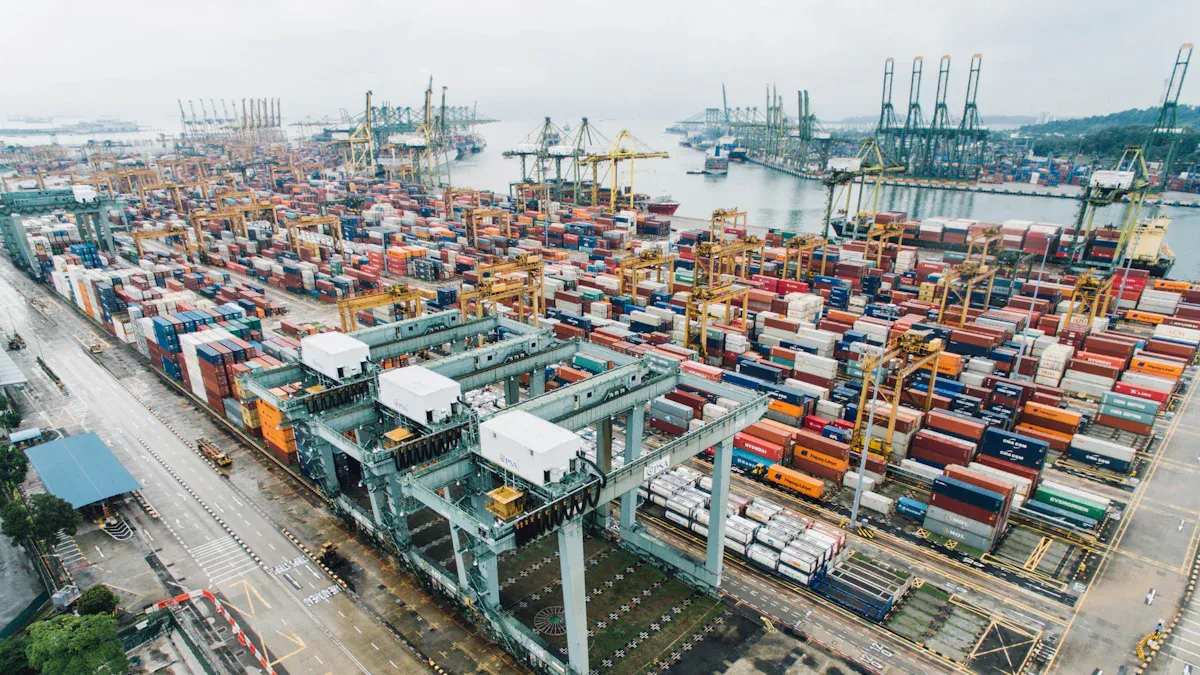
You can move your goods faster and more efficiently by using rail-sea integration. This approach combines the strengths of both rail and maritime shipping. When you use the China - Europe Railway Express, you connect inland rail routes with major seaports. This lets you reach more destinations and respond quickly to changing market needs.
Here is a table showing the main routes and how they link different regions:
Route | Description |
|---|---|
Eastern Route | Serves exports from coastal regions, exits through Manzhouli, traverses Russia, enters Europe via Belarus and Poland. |
Central Route | Dedicated to goods from central China and southern coastal provinces, enters Mongolia, crosses Russia, reaches Europe. |
Western Route | Facilitates exports from western China, enters Kazakhstan, extends further into Europe, with some routes through Ukraine. |
You benefit from several advantages when you choose rail-sea integration:
Cost-effectiveness: Rail freight usually costs less than air and is often cheaper than long-distance road transport.
Speed and reliability: Rail transit times from China to Europe range from 12 to 20 days, much faster than sea shipping.
Environmental sustainability: Rail uses less fuel and produces fewer emissions than trucks.
Capacity and flexibility: Rail can handle many types of cargo, making it easy to ship different products.
Note: Intermodal shipping lets you combine rail, road, sea, or even air transport. This flexibility helps you move goods smoothly across regions and avoid delays.
Connecting Southeast Asia and Europe
You can connect Southeast Asia to Europe by using the China - Europe Railway Express and smart intermodal solutions. You may face challenges such as border congestion, different rail gauges, and the need for smooth transfers between transport modes. These issues can slow down shipments and increase costs.
To solve these problems, you can:
Use existing rail networks to link Southeast Asia with China and Europe.
Develop new multimodal services that combine rail, sea, and road transport.
Book cargo space in advance to ensure reliable delivery.
Recent innovations make your shipments even more efficient. Intermodal hubs now help you transfer goods between rail, sea, and road quickly. These hubs support seamless logistics and help you reach new markets. By choosing integrated solutions, you can move your products from Southeast Asia to Europe with fewer delays and more control.
Advantages of JUSDA’s China-Europe Express Rail
Balanced Speed and Cost
You want your shipments to arrive quickly and at a reasonable price. JUSDA’s China-Europe Railway Express gives you a strong advantage over traditional maritime shipping. Rail journeys take about 12 days, while sea routes often need 35 to 45 days. You save weeks on delivery time. This speed helps you respond faster to market changes and customer needs.
You also benefit from competitive costs. Rail freight rates are only slightly higher than sea shipping, especially when sea routes become longer or face disruptions. You avoid the high expenses of air freight and still get your goods delivered much faster than by sea. This balance between speed and cost makes rail a smart choice for many industries.
You get faster transit times.
You pay rates close to sea freight.
You avoid delays from port congestion.
Tip: If you ship electronics, automotive parts, or medical supplies, you can meet tight deadlines without overspending.
Supply Chain Visibility and Innovation
You need to know where your goods are at all times. JUSDA’s JusLink AI Solution gives you real-time tracking and supply chain visibility. You see every step of your shipment’s journey, from pickup to delivery. JusLink uses advanced technology to predict risks and alert you early. You make better decisions and avoid surprises.
JUSDA’s platform also helps you manage complex logistics. You get support for customs clearance, intermodal transport, and cross-border shipments. JusLink’s intelligent assistant, JusElsa, answers your questions and helps you solve problems quickly. You gain more control and confidence in your supply chain.
Note: Leading manufacturers use JUSDA’s solutions to expand globally. They improve efficiency, reduce costs, and keep their supply chains running smoothly.
You track shipments in real time.
You receive early warnings about risks.
You enjoy seamless coordination across borders.
JUSDA’s China - Europe Railway Express helps you build a resilient and innovative supply chain. You stay ahead of disruptions and deliver value to your customers.
JUSDA Solutions
To provide you with professional solutions and quotations.
Responding to Supply Chain Disruptions
Red Sea Crisis and Global Challenges
You have seen how global events can disrupt shipping routes. The Red Sea crisis forced many ships to reroute around the Cape of Good Hope. This change increased shipping times and costs. Many companies now look for faster and more reliable options. You may notice these changes in the market:
Volumes for the China - Europe Railway Express have grown by 30% compared to last year.
Inquiries about using the railway have doubled since the Red Sea crisis began.
Trains from China to Europe now take about 12 days, while sea routes often need 35 to 45 days.
Shipping companies have ordered over 750,000 new containers from China to meet rising demand.
You can see that the railway offers a faster and more stable solution when sea routes face trouble. The manufacturing sector benefits the most, as it needs quick and predictable deliveries.
Transport Mode | Resilience to Disruptions | Key Characteristics |
|---|---|---|
China-Europe Railway Express | High | Faster transit times, reliability for manufacturing |
Maritime Shipping | Varying | Vulnerability based on structural characteristics |
JUSDA’s Resilience Strategies
You want your supply chain to stay strong during disruptions. JUSDA helps you overcome common challenges with smart solutions. Here are some of the main issues and how JUSDA addresses them:
Challenge | Solution |
|---|---|
Infrastructure improvements to reduce congestion. | |
Inefficiencies in customs clearance | CRE Transport Coordination Committee streamlines processes. |
Cargo imbalances | Alternatives developed to improve logistics efficiency. |
Competition among local governments | Coordination among cities to secure transport hub positions. |
JUSDA uses advanced technology to give you real-time tracking and early warnings about risks. You can make quick decisions and keep your goods moving. The JusLink AI Solution helps you see every step of your shipment and manage exceptions before they become problems. You gain more control and confidence, even when the world faces new challenges.
Tip: When you choose JUSDA, you get a partner who adapts quickly and keeps your supply chain running smoothly.
Future Trends for China - Europe Railway Express
Growth and Expansion
You will see the China - Europe Railway Express continue to grow in the coming years. The network has expanded from just one route to 27 routes. Now, it covers 47 countries and regions, including Germany, Italy, and Russia. More than 7,000 enterprises use this service. The number of cities connected keeps rising, with over 223 cities in Europe and more than 100 in Asia now linked by rail. Trains run weekly from cities like Xi’an to Duisburg and Chengdu to Lodz. Sixteen new return points overseas give you more options for shipping goods.
Here is a table showing recent growth:
Metric | Value |
|---|---|
Total trains operated | 878 |
Total TEUs transported | 85,000 |
Total cargo value | Over 3 billion U.S. dollars |
Number of routes | 27 |
Countries and regions covered | 47 |
Enterprises served | More than 7,000 |
You can expect even more routes and cities to join the network. This expansion will make it easier for you to reach new markets and customers.
Technology and Sustainability
You will benefit from new technologies that make rail shipping faster and greener. The 95306 freight service platform now speeds up handling times. Improved customs clearance systems help your goods move smoothly across borders. These changes mean less waiting and more reliable deliveries.
Rail companies focus on green technology to lower carbon emissions. Studies show that rail transport produces fewer emissions than maritime shipping, which often faces delays and inefficiencies. Here is a comparison:
Transportation Method | Carbon Emissions (2021) | Environmental Impact Notes |
|---|---|---|
China-Europe Railway Express (CRE) | 6.2 million tonnes CO2e | Lower emissions than sea; still working to reduce further |
Maritime Shipping | Higher | More emissions due to delays and less efficient operations |
You should know that rail lines can affect natural habitats and local wildlife. Companies now research ways to protect the environment and manage waste safely. These efforts help keep communities and ecosystems healthy.
Note: As technology improves, you will see faster, cleaner, and more efficient rail services connecting Asia and Europe.
You gain practical benefits when you choose the China - Europe Railway Express. JUSDA helps you optimize your supply chain with faster transit times, cost-effective logistics, and lower carbon emissions. The table below highlights key takeaways:
Key Takeaways | Description |
|---|---|
Competitive Dynamics | Rail offers strong price and service strategies. |
Efficiency | You see punctual operations and broad goods coverage. |
Global Trade Impact | Rail fosters new connections and supports economic cooperation. |
You can rely on JUSDA’s technology for real-time visibility and risk management.
Rail transport will keep reshaping global trade with innovation and sustainability.
Consider JUSDA’s rail solutions to strengthen your supply chain and stay ahead.
FAQ
How long does delivery take with JUSDA’s China-Europe Railway Express?
You usually receive your goods in 15 to 20 days. JUSDA offers door-to-door service, so your shipment moves quickly from your facility to its destination.
What types of goods can you ship by rail?
You can ship electronics, clothing, auto parts, medical supplies, and more. JUSDA supports over 50,000 product types across many industries.
How does the cost compare to sea and air freight?
Rail costs about three times more than sea freight but only one-fifth of air freight. You get a balance between speed and price.
Can you track your shipment in real time?
Yes! JUSDA’s JusLink AI Solution lets you see your shipment’s location and status at every step. You receive alerts for any risks or delays.
See Also
Discovering the Latest Developments in Sea Freight Logistics
Get Prepared: Unpacking New Transport Tech for Supply Chains
Revealing Innovative Strategies for Supplier Ties in E-commerce