Top 7 Developments in China Freight Forwarding for 2025

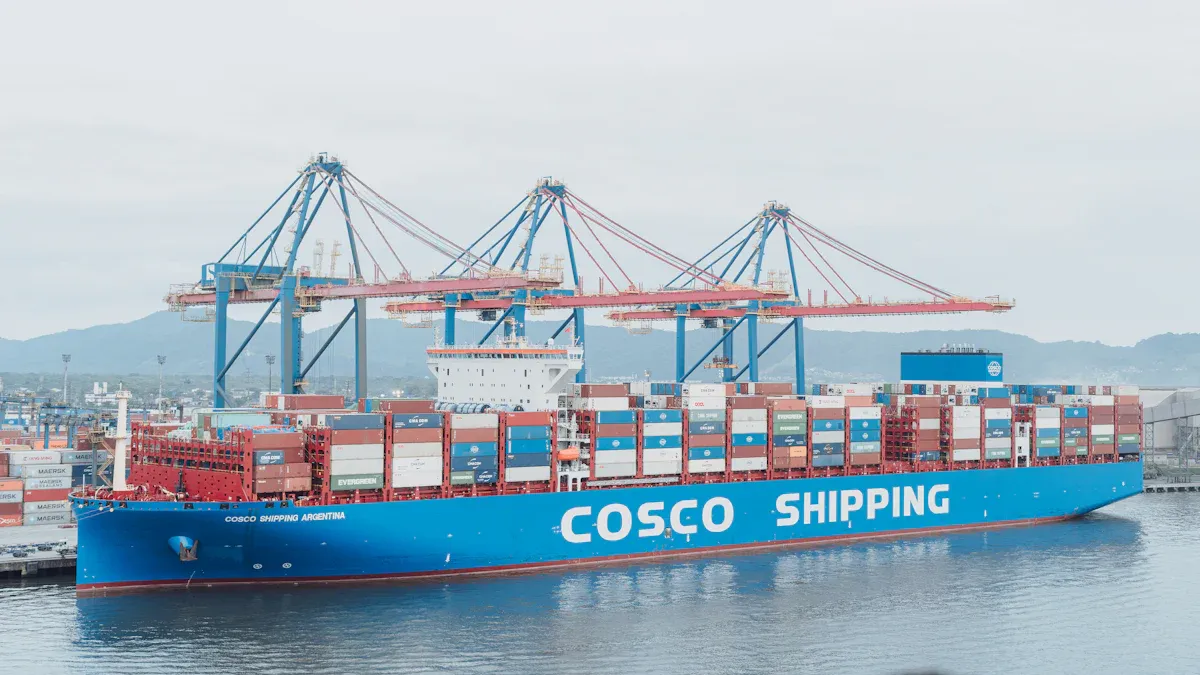
You face a dynamic outlook in China’s freight forwarding industry for 2025.
Smart logistics
Green shipping
E-commerce growth
Multimodal transport
Customs shifts
Advanced risk management
Regional logistics hubs
The freight market update shows a projected value of $11.35 billion in 2024 and an expected CAGR of 5.9% through 2030. As a China Freight Forwarder, you must adapt to rapid growth and new technology shaping your shipping strategies.
Key Takeaways
Embrace smart logistics and AI technologies to enhance efficiency in freight forwarding. These tools help optimize routes and automate processes, leading to cost savings.
Adapt to green shipping practices by complying with environmental regulations. Transitioning to sustainable logistics reduces emissions and meets market expectations.
Leverage multimodal transport solutions for flexibility in shipping. Combining air, sea, and rail can improve delivery times and reduce costs.
Smart Logistics and Digitalization

AI Solutions for China Freight Forwarder Efficiency
You now operate in a world where smart logistics and digitalization drive every aspect of freight forwarding. In 2025, you see China’s freight sector rapidly adopting digital platforms and integrated logistics solutions. The explosive growth of e-commerce and government initiatives, such as the Belt and Road Initiative, push you to embrace new technologies. You rely on ai to optimize routes, forecast demand, and automate warehouse management. JusLink’s AI Solution from JUSDA gives you powerful tools for trend analysis, freight rate prediction, and risk monitoring. These ai-driven systems process vast amounts of data, helping you make faster, more accurate decisions.
The adoption of smart logistics technologies transforms your supply chain management.
You benefit from ai, IoT, and blockchain, which deliver cost savings and faster delivery times.
High internet penetration and the demand for automation drive you to integrate new logistics solutions.
You use ai for automating order tracking, optimizing shipment management, and enhancing inventory control. These technologies allow you to handle complex logistics networks with greater efficiency.
Real-Time Supply Chain Visibility
You gain a competitive edge when you access real-time supply chain visibility. With ai-powered tracking and predictive analytics, you monitor cargo movement and anticipate disruptions. Real-time data lets you predict delays and inform customers quickly, which improves satisfaction and builds trust. You optimize operations, reduce costs, and deliver better customer experiences. JusLink’s platform ensures you always have the data you need, right when you need it.
Green Shipping Trends
Environmental Regulations in Freight Forwarding
You face a changing landscape as China enforces strict environmental regulations in freight forwarding. These rules drive the growth of sustainable logistics and require you to adapt your operations. The government’s framework includes national laws, industry standards, and local policies. You must comply with the Environmental Protection Law and specific pollution control measures. The table below highlights two major regulations shaping your daily work:
Regulation | Description |
|---|---|
IMO 2020 Compliance | Requires vessels to use low-sulfur fuels or install scrubbers to reduce emissions. |
Sets goals for reducing carbon emissions in freight shipping to achieve carbon neutrality by 2060. |
You also see local rules supporting national goals, ensuring comprehensive environmental protection. JUSDA leads by investing in technology and compliance tools, helping you manage documentation and meet these new standards efficiently.
Sustainable Shipping Practices
You play a key role in advancing sustainability in logistics. To meet new regulations and market expectations, you adopt sustainable logistics strategies that reduce emissions and waste. You transition to electric and hybrid vehicles, use sustainable fuels, and invest in carbon offset programs. Many companies, including JUSDA, focus on green packaging and optimize ocean transport, which produces far less CO2 than air freight. You use AI to improve container utilization and IoT sensors to monitor cargo in real time. These practices support both environmental goals and business growth. Fiscal policies, such as subsidies and tax incentives, encourage you to adopt sustainable technologies, leading to measurable reductions in carbon emissions across China’s logistics sector.
E-Commerce and Freight Shipping from China to USA
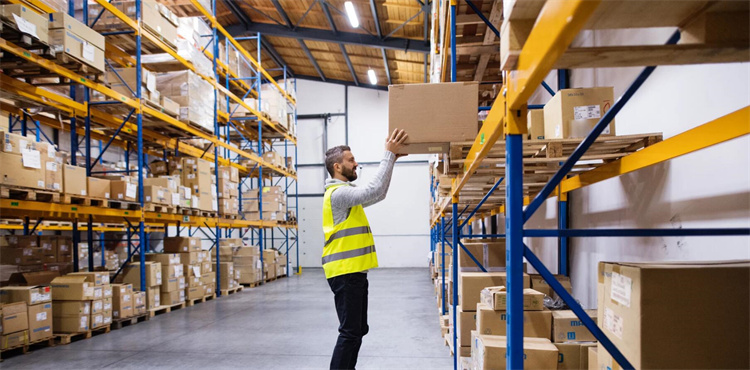
Online Sales Impact on Shipping Trends
You see a dramatic surge in freight shipping from china to usa in 2025. This growth comes from the rise of online sales and the easing of trade tensions. You notice a nearly 300% increase in cargo volume for freight shipping from china to usa. The demand for fast delivery pushes you to rethink your logistics strategies. Every day, 30-40 freight aircraft export Chinese B2C e-commerce goods worldwide. Air cargo volumes out of Asia Pacific have jumped by 18% year on year. From Asia to North America, volumes are up by 12%. Delivery expectations have changed. Air cargo now delivers in 9-11 days, while ocean freight takes 30-40 days. Air cargo rates for freight shipping from china to usa remain high, at $5.50-$6 per kilogram, above pre-pandemic levels. Tight capacity results from the influx of e-commerce goods.
The emergence and explosive growth of cross-border e-commerce platforms have transformed logistics strategies. Traditional freight forwarders, who previously managed large, uniform shipments, now face the challenge of accommodating smaller, diverse shipments typical of e-commerce. This shift requires enhanced logistics management systems, risk control, and data tracking capabilities to effectively handle the complexities of e-commerce logistics.
JUSDA supports you with advanced e-commerce fulfillment and cross-border logistics solutions. You gain access to real-time tracking, automated inventory management, and flexible shipping options for freight shipping from china to usa.
Fast and Flexible Delivery Models
You need to choose the right delivery model for freight shipping from china to usa. The most popular options include:
Delivery Model | Description |
|---|---|
Multi-modal solutions | Combines air, sea, and rail for flexibility in supply chain management. |
Sea freight | Most cost-effective for large volumes. |
Air freight | More economical for small parcels or urgent shipments due to time efficiency. |
You select multi-modal solutions when you want flexibility and speed for freight shipping from china to usa. Sea freight works best for large shipments, while air freight suits urgent or small parcels. JUSDA helps you optimize these models, ensuring your freight shipping from china to usa meets customer expectations and adapts to new shipping trends.
Multimodal Transport and China-Europe Express Rail
Rail-Sea-Air Integration in Emerging Trends
You see that multimodal transport is one of the most important emerging trends in china’s freight forwarding industry. By combining rail, sea, and air, you can move goods faster and more efficiently across continents. Rail transport offers a quicker alternative to sea freight, cutting transit times from 30-40 days by sea to just 15-18 days by rail. This speed helps you respond quickly to market changes. When you use rail and air together, you optimize costs and improve delivery times. You also gain flexibility in your supply chain, which is essential for adapting to new demands.
Rail freight has a lower carbon footprint than air, making it a greener choice.
Train schedules are less affected by weather, so you get more reliable delivery.
Fewer handling points in rail transport reduce the risk of container damage.
Integration of these modes enhances the flow of goods and supports the growth of container shipping in the region.
You notice that these benefits make multimodal transport a key part of emerging trends in china’s freight forwarding industry.
JUSDA’s China-Europe Express Rail Advantages
JUSDA’s China-Europe Express Rail stands out as a major innovation. You benefit from faster transit times, with shipments arriving in 10–20 days—about one-third the time of sea freight. The cost is only one-fifth of air freight, making it a smart choice for your budget. This service is ideal for high-value and time-sensitive goods, such as electronics and automotive parts. JUSDA’s expertise in customs and its strong links with the Belt and Road Initiative ensure smooth and reliable operations.
Here’s how the China-Europe Express Rail compares to other modes:
Mode | Transit Time | Cost Level | Container Suitability |
|---|---|---|---|
Sea Freight | 30-40 days | Low | High |
Rail Freight | 10-20 days | Medium | High |
Air Freight | 5-7 days | High | Low |
You can choose the best option based on your needs, but the China-Europe Express Rail gives you a strong balance between speed, cost, and container handling. With over 61 routes connecting 56 Chinese cities to 49 European cities, you have access to a vast network that supports your global ambitions.
Customs and Trade Policy Shifts
Adapting to Tariff Changes in Freight Forwarding
You face a rapidly changing environment as a china freight forwarder. Recent shifts in customs and trade policy have reshaped the freight forwarding industry. The table below highlights the most significant changes and their impact on freight forwarders in china:
Change Type | Description | Impact on Freight Forwarders in China |
|---|---|---|
Customs Declaration Procedures | Introduction of a 'step-declaration' process allowing preliminary submissions. | Requires robust internal documentation systems and coordination across departments. |
US-China Trade War | Increased tariffs on Chinese goods and retaliatory tariffs from China. | Forces reconfiguration of supply chains and exploration of alternative markets. |
Export Controls | Tighter regulations on dual-use goods requiring licenses and due diligence. | Increases compliance burden and necessitates risk assessment protocols. |
Anti-Foreign Sanctions | New regulations allowing sanctions against foreign entities. | Heightens legal and reputational risks for collaborations with blacklisted entities. |
Customs Digitization | Integration with smart customs platforms and carbon footprint declarations. | Demands digital infrastructure and education on green compliance requirements. |
You must adapt quickly to these changes. Many freight forwarders in china use several strategies to manage tariff volatility and booking volumes:
Renegotiate long-term agreements to secure favorable freight rates.
Reengineer supply chains for flexibility, including using Foreign Trade Zones.
Adjust sourcing to reduce immediate tariff impacts.
Monitor capacity shifts and diversify modal strategies.
Build inventory buffers and track port trends for smoother bookings.
JUSDA’s expertise helps you navigate these shifts, ensuring your freight forwarding services remain efficient and compliant.
Streamlined Clearance for China Freight Forwarder
You benefit from innovations that make customs clearance faster and more reliable. Many freight forwarders in china now use automated systems for shipment tracking and document preparation. These tools help you resolve problems quickly and keep clients updated on their bookings. Technologies like radar provide alerts for potential delays, allowing you to reroute shipments and avoid disruptions. As a china freight forwarder, you see explosive growth in container bookings and a demand surge for sustainable shipping solutions. JUSDA supports your focus on sustainability by creating greener supply chains and offering sustainable shipping solutions that align with global trade standards. This approach not only improves supply chain optimization but also supports your long-term outlook in the freight forwarding industry.
Advanced Risk Management in Shipping Trends
AI-Powered Supply Chain Resilience
You face many risks in China’s freight forwarding industry. These risks can disrupt your shipments and impact your business. Some of the most common risk factors include:
Lack of transparency in operations, which can lead to disputes with little recourse.
Difficulty in vetting partners because there are so many freight forwarders.
Financial stakes, where goods may be held ransom, causing significant losses.
You need strong tools to manage these risks. JusLink’s AI Solution from JUSDA gives you predictive analytics and risk control features. With AI, you can forecast disruptions, spot trends, and make better decisions. AI also helps you adjust your supply chain quickly when problems arise. This technology improves your resilience and keeps your operations running smoothly.
Key Findings | Description |
|---|---|
Higher degrees of AI empowerment in manufacturing enterprises lead to significant improvements in supply chain resilience. | |
Organizational Change | AI enhances supply chain resilience by driving changes in organizational structure and internal controls. |
Variability | The impact of AI on supply chain resilience varies across different factors such as supply chain positions and industry characteristics. |
Real-Time Risk Monitoring Tools
You can now monitor your supply chain in real time. JUSDA’s platform gives you access to a risk control tower that tracks shipments and alerts you to potential issues. You receive early warnings about delays, customs problems, or weather disruptions. This allows you to act fast and prevent bigger losses. JusLink’s AI-powered tools help you manage exceptions, reroute shipments, and keep your customers informed. By using these advanced risk management solutions, you build a more reliable and resilient supply chain.
Regional Logistics Hubs and Emerging Trends
Growth of Inland Ports in China
You see a major shift as inland ports in China expand rapidly. These new logistics hubs now connect cities far from the coast to global trade routes. Inland ports like Chongqing, Chengdu, and Zhengzhou have become vital gateways for exports and imports. You benefit from shorter transit times and lower transportation costs. JUSDA continues to invest in these regions, building warehouses and service points that support your supply chain needs. The company’s network now covers over 155 service points and more than 2.5 million square meters of warehouse space. This infrastructure helps you move goods efficiently, even from remote manufacturing centers.
You notice that these inland hubs use advanced technology. Real-time tracking, automated sorting, and digital customs clearance speed up your shipments. As a result, you can reach new markets and respond quickly to customer demands. Inland ports also support multimodal transport, letting you combine rail, road, and sea for the best shipping solution.
Opportunities for China Freight Forwarder and Shippers
The expansion of regional logistics hubs creates new opportunities for you as a freight forwarder or shipper. You can now offer more services and reach new markets. The table below highlights some of the key opportunities:
Opportunity Description | Source |
|---|---|
E-commerce players shifting to bulk sea shipments, leading to cross-border consolidation services. | Red Flag Freight Forwarding |
Diversification of service offerings and geographic reach through the Belt and Road Initiative. | Belt and Road Initiative: Strategic logistics hubs and what they mean for freight forwarders |
Integrated services at new hubs, reducing processing times and enhancing international collaboration. | China’s TIR boom: New hubs, new operations, new horizons |
You can now consolidate shipments for e-commerce, diversify your services, and collaborate internationally. JUSDA’s expanding network positions you to take advantage of these trends. You stay competitive by adapting to the changing logistics landscape and leveraging new infrastructure across China.

JUSDA Solutions
To provide you with professional solutions and quotations.
You see these seven developments reshape the freight forwarding landscape in China. You gain new ways to cut costs, boost efficiency, and build resilience. Use insights from JUSDA’s solutions to stay ahead. Stay informed about shipping trends and emerging technology. You keep your supply chain strong and competitive.
See Also
Exploring Innovations in Sea Freight Logistics for 2024
Transforming Logistics: The Role of Digital Technology Ahead
Five Key Trends Shaping Supply Chain Efficiency in Future