China Shipping in 2025 What You Need to Know

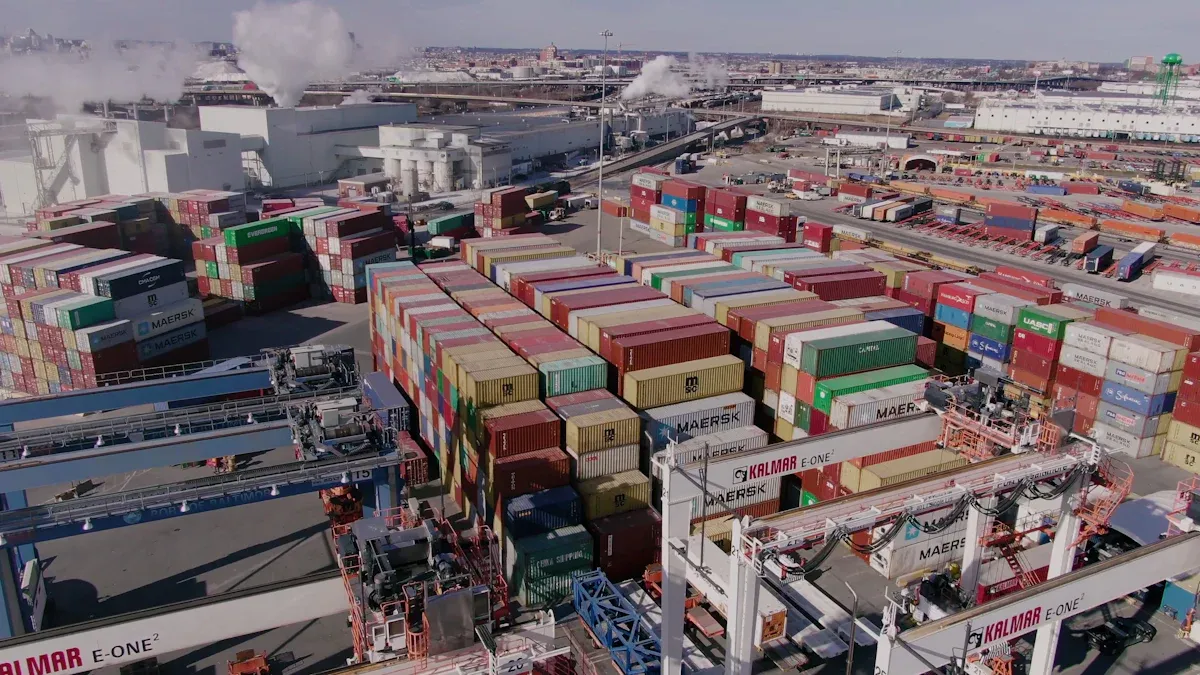
China shipping moves trillions of dollars in goods each year, making it vital for global trade. In 2025, new regulations and higher tariffs will impact shipping from China.
You will need to choose between sea, air, or rail for your shipping needs, each with its own steps and requirements.
Key Takeaways
Understand the main shipping methods: sea, air, and rail. Each method has unique benefits for cost and speed. Choose the one that fits your needs best.
Proper documentation is crucial for smooth shipping. Prepare all necessary paperwork to avoid delays and extra fees during customs clearance.
Stay informed about new trends in shipping, such as AI-driven tools and digital platforms. These innovations can help you optimize costs and improve delivery efficiency.
China Shipping Overview
What Is China Shipping?
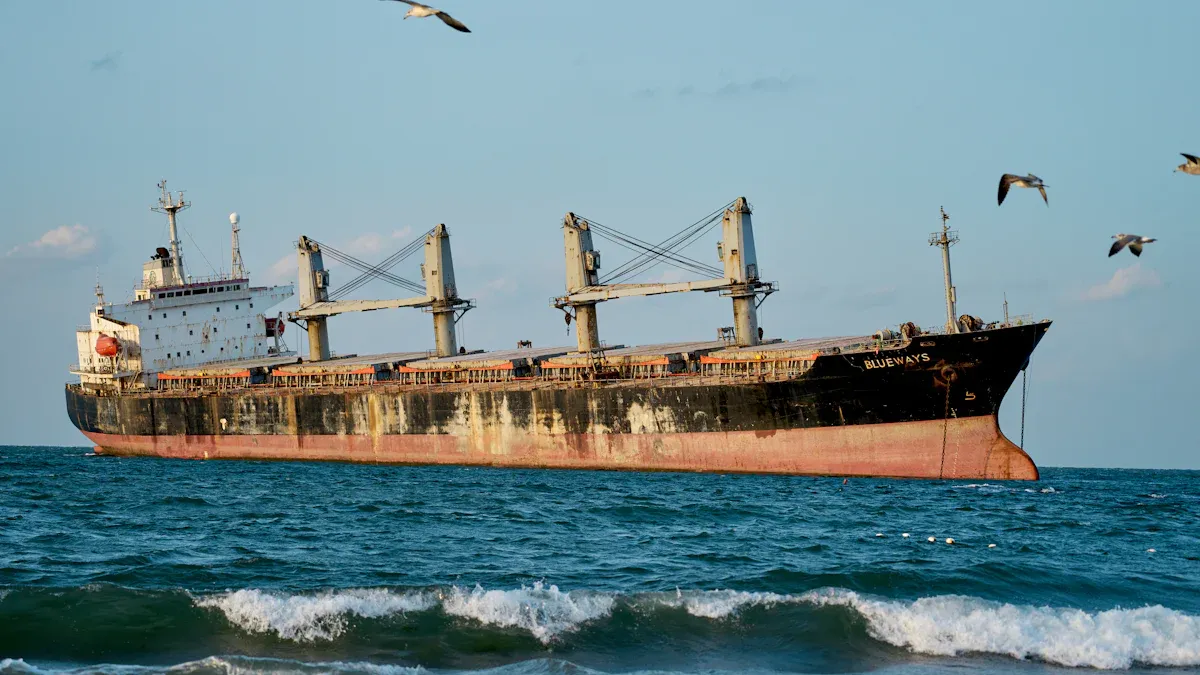
You may hear the term "china shipping" often when you explore global trade. It refers to the process of moving goods from China to other countries through various transportation methods. These methods include sea, air, and rail. China shipping covers every step, from arranging freight and preparing export documents to clearing customs and delivering products to their final destination.
China stands as the world’s largest exporter, contributing over 15% to global exports. Its manufacturing strength makes it a central player in international shipping. When you work with a freight forwarder, you gain access to a network that handles transportation, customs, and delivery. JUSDA, a leading provider in this industry, offers advanced solutions for every stage of the shipping process. You can rely on JUSDA’s expertise to manage complex logistics, whether you need sea freight, air freight, or innovative rail transportation like the China-Europe Express Rail.
Note: Understanding the basics of china shipping helps you make informed decisions about export and import activities.
Who Uses China Shipping?
Many types of businesses depend on shipping from China. If you run a manufacturing company, you likely import components or finished products from Chinese suppliers. US manufacturers, for example, rely heavily on China for electronics, textiles, and machinery. This dependence comes from China’s advanced manufacturing capabilities and cost advantages.
You also see retailers, wholesalers, and e-commerce platforms using freight forwarders to manage their supply chains. These companies need reliable transportation to move goods efficiently and meet customer demands. JUSDA serves a wide range of industries, including electronics, home appliances, automotive, FMCG, new energy, medical health, and heavy equipment. Each sector has unique requirements for export and import, and JUSDA tailors its services to fit those needs.
Why Is China Shipping Important?
China shipping plays a vital role in the global economy. You benefit from efficient shipping because it connects you to suppliers and customers worldwide. Here are some key reasons why china shipping matters:
China’s export power supports businesses in every region.
Investments in trade infrastructure, such as ports and railways, boost economic growth and regional integration.
The Belt and Road Initiative links Asia, Europe, and Africa, increasing trade flows and improving transportation networks.
Modern infrastructure reduces risks in supply chains, making your operations smoother and more reliable.
International shipping from China faces constant changes due to trade policies and market trends. You need to understand how these factors affect your shipping plans. The table below highlights some important trade policy impacts:
Trade Policy Impact | Description |
|---|---|
Tariffs | Can increase shipping costs, affecting overall logistics efficiency. |
Trade Agreements | May facilitate smoother shipping processes, enhancing volume. |
National Security Regulations | Can introduce barriers that disrupt supply chains, impacting shipping efficiency. |
You also see new trends in freight, such as green transformation and port modernization, which improve transportation efficiency and capacity. Tax incentives support shipping companies and encourage more international trade.
When you choose a freight forwarder like JUSDA, you gain access to advanced logistics solutions and a global network. This support helps you navigate the challenges of export and import, ensuring your goods reach their destination on time and at the right cost.
Shipping Methods and Process
Shipping from China: Main Steps
You need to understand the main steps involved in shipping from China before you start. Each step ensures your goods move smoothly from the supplier to your destination. Here is a typical process you will follow:
Prepare Required Documentation: Gather all customs paperwork before your goods leave China.
Appoint a Customs Broker: Choose a reliable customs broker to help with clearance.
Declaration of Customs: Your broker submits a declaration to customs when your products arrive.
Pay Duties and Taxes: Pay any customs duties, VAT, and other fees.
Inspection and Clearance: Customs may inspect your cargo to check compliance.
Release of Goods: After clearance, your goods are ready for delivery.
Recordkeeping and Compliance: Keep accurate records of all customs documents.
Tracking and Monitoring of Shipments: Track your shipment and solve any problems quickly.
Tip: Working with a professional freight forwarder helps you avoid mistakes and delays during these steps.
Shipping Options: Sea, Air, Rail, and JUSDA’s China-Europe Express Rail
You have several shipping methods to choose from when shipping from China. Each method offers different benefits for cost, speed, and cargo type. Let’s compare the main shipping options:
Shipping Method | Port to Port | Door to Door | Average Cost (USD) | Best For |
|---|---|---|---|---|
Sea Freight (FCL) | 14-42 days | 19-47 days | Large shipments, bulk cargo | |
Sea Freight (LCL) | 14-42 days | 22-50 days | $4,000 - $6,000 | Smaller loads, shared cargo |
Air Freight | 1-5 days | 4-11 days | Much higher | Urgent, high-value goods |
Rail Freight | 15-20 days | 15-20 days | $6,000 - $8,000 | Balanced speed and cost |
Express | N/A | 2-5 days | Highest | Small parcels, fast delivery |
Sea freight remains the most popular shipping method for bulk cargo. You will find ocean freight offers lower costs, especially for full container loads. If you need faster delivery, air freight provides the quickest transit times, but costs much more. Rail freight, especially JUSDA’s China-Europe Express Rail, gives you a middle ground. You get door-to-door delivery in 15-20 days, which is faster than ocean freight and cheaper than air freight. This option works well for electronics, clothing, and medical supplies.
Note: JUSDA’s China-Europe Express Rail connects China and Europe efficiently. You benefit from reliable customs handling and smooth resource alignment. This service also supports intermodal solutions, linking Southeast Asia to Europe.
Freight forwarders play a key role in helping you select the best shipping methods. They plan routes, coordinate logistics, and use advanced tracking to give you real-time updates. You save time and money by letting experts manage your freight.
You should also consider environmental impacts. Freight shipping in China produces about 12% of the country’s carbon emissions. Ocean freight can reduce emissions by using slow steaming. Rail freight offers a greener alternative compared to air freight.
Documentation and Customs
Proper documentation is essential for successful shipping from China. You must prepare and check all paperwork to avoid delays and extra fees. Common documents include:
Commercial invoice
Bill of lading
Customs bond
Certificate of origin
Packing list
For shipments to Europe, you may also need EUR1 and invoice declarations. Freight forwarders help you manage these documents and ensure compliance with regulations.
You will face several compliance issues during customs clearance. The most common problems include:
Compliance Issue | Description | Suggested Solution |
|---|---|---|
Documentation Errors | Missing or incorrect documents lead to delays and extra fees. | Use a checklist and review everything carefully before submission. |
Classification Mistakes | Wrong HS codes mean wrong duty rates and potentially higher costs. | Consult customs experts about proper classification and keep HS code database current. |
Pricing Problems | Undervaluing goods triggers fines and penalties. | Always declare true transaction values and keep clear records of supplier pricing agreements. |
Import/Export Restrictions | Some goods need special permits, while others may be banned. | Research destination country restrictions and check if special permits are needed. |
Inspection and Quarantine Issues | Breaking inspection rules can get your shipment blocked or destroyed. | Know the requirements for your destination market and follow all packaging and labeling rules. |
Alert: Incomplete or incorrect documentation is the most common mistake. Always verify your data and follow all regulations to avoid penalties.
Freight forwarders understand customs rules in different countries. They handle declarations, pay duties, and solve customs issues for you. You get peace of mind knowing your shipment meets all requirements.
You should keep records of every document and monitor your shipment’s progress. Tracking helps you respond quickly to any problems during delivery.
Trends and Tips for 2025

New Trends in China Shipping
You will see major changes in china shipping in 2025. AI now drives dynamic route optimization, so you get faster and more reliable freight delivery. Predictive freight allocation helps you match supply with demand, reducing shipping costs and delays. Digitalization is also transforming the industry. Platforms like JusLink give you real-time supply chain visibility, dynamic inventory management, and predictive analytics. These tools help you manage export and import operations more efficiently.
Platform Name | Features |
|---|---|
JusLink | Integrates RFID, WMS, dynamic inventory management, predictive analytics, and supply chain visibility |
Geopolitical events continue to influence shipping routes and costs. Companies now explore alternative transportation routes to avoid disruptions and keep international shipping stable.
Overcoming Shipping Challenges
You face several challenges when shipping from China. Tariff threats can increase shipping costs and disrupt your supply chain. The Chinese New Year often causes factory shutdowns, leading to freight delays and stockouts. Labor contract negotiations may disrupt port operations and raise costs. Geopolitical conflicts can force you to reroute vessels, increasing both shipping costs and delivery times.
To manage these risks, you should:
Diversify your supplier base to avoid over-reliance.
Optimize inventory by keeping safety stock.
Use air freight for urgent shipments.
Ensure proper documentation for smooth customs clearance.
Adjust production schedules around holidays.
Work closely with your freight forwarder for real-time tracking and support.
Best Practices with JUSDA
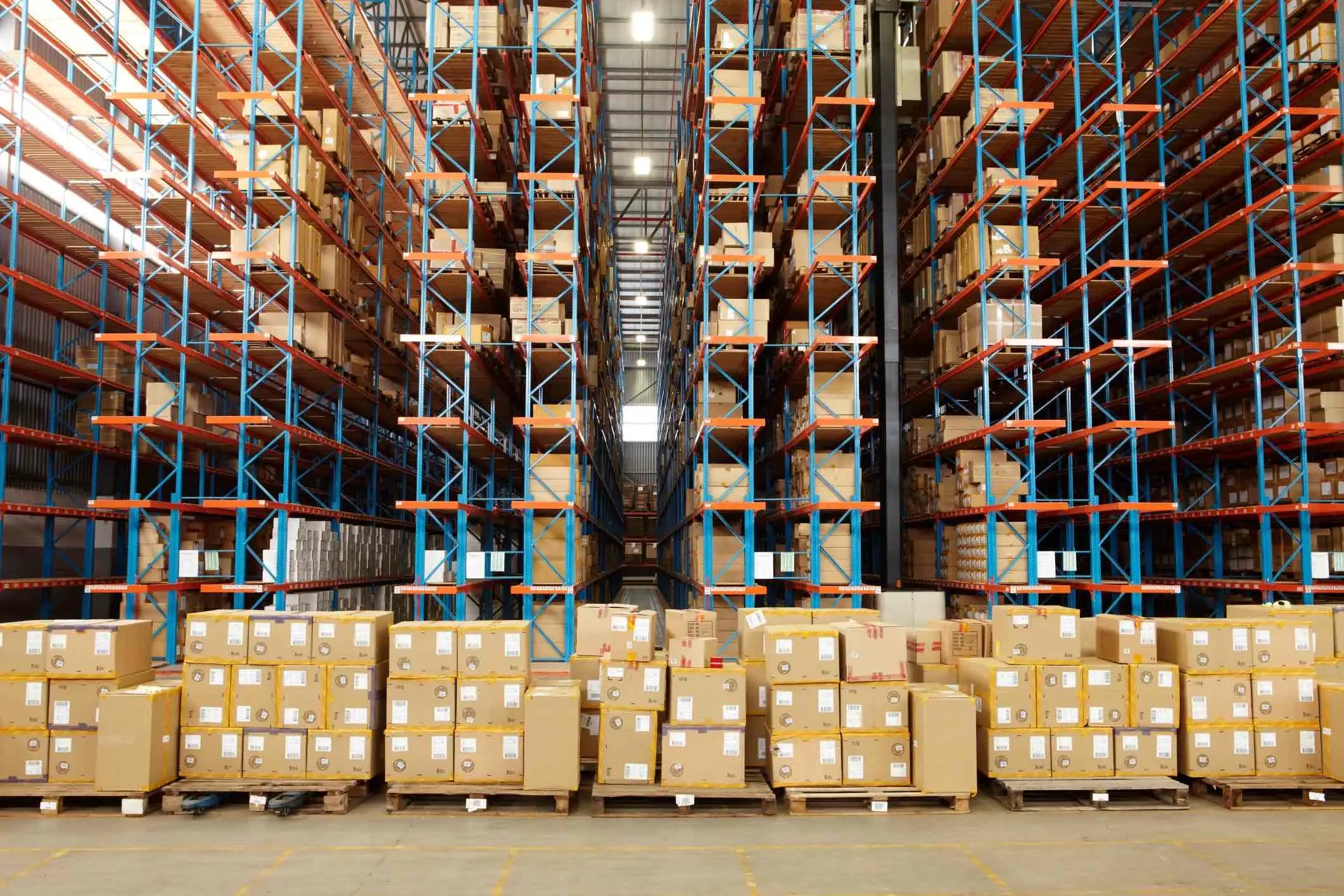
You can improve your shipping results by following proven strategies. JUSDA uses AI-driven tools for demand forecasting and route optimization, which helps you reduce shipping costs and improve delivery speed. Automation in warehousing and cloud computing integration give you real-time data and operational flexibility. JUSDA’s customer success stories show that automation streamlines operations, lowers recruitment costs, and supports aggressive business growth. When you partner with a reliable freight forwarder like JUSDA, you gain end-to-end visibility, dynamic control, and efficient export and import management for all your international shipping needs.
JUSDA Solutions
To provide you with professional solutions and quotations.
You face ongoing supply chain disruptions, stricter compliance, and rising operational costs in 2025. Choosing the right transportation method and logistics partner shapes your freight costs and delivery speed.
Stay updated on export and import trends with market resources.
Next steps: pack shipments well, complete documentation, verify addresses, and check customs values.
See Also
Discovering 2024's Innovations in Sea Freight Logistics
Five Key Trends Shaping Future Supply Chain Efficiency
Get Prepared: New Transport Technologies Transforming Supply Chains