Circular Economy Logistics: Transforming Reverse Logistics and Packaging Sustainability in Global Supply Chains

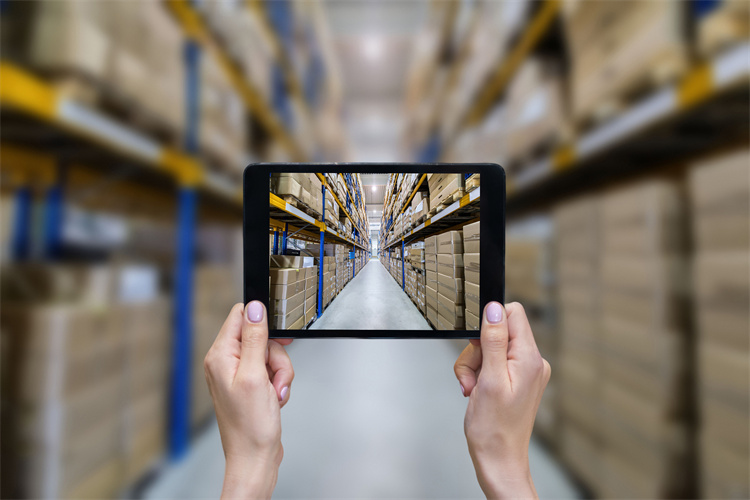
You see circular economy logistics changing how you handle reverse logistics and packaging in supply chains. Companies now work to recycle, reuse, and cut down on waste to help the environment. Many leaders think these changes will help them make more money. JUSDA leads this change by using technology to make things more sustainable and create good results.
Key Takeaways
Circular economy logistics is about using things again and recycling. This helps cut down on waste and saves resources. It also helps companies be greener and make more money.
Reverse logistics lets companies deal with returns and repairs easily. This makes products last longer and keeps more trash out of landfills.
Technology like AI and IoT makes supply chains work better. It gives real-time data to help companies make smart choices. This lowers harm to the environment.
Circular Economy Logistics Overview
What Is Circular Economy Logistics?
Circular economy logistics is a new way to use resources. It tries to keep materials in use for a long time. Instead of throwing things away, people try to reuse, recycle, or fix them. The old way was to take resources, make products, and then throw them out. Now, the circular economy wants to keep products and materials in a loop. This helps save resources and makes less waste.
Here are some important ideas in circular economy logistics:
Industrial symbiosis and circular value chains use waste from one process as input for another.
Product-as-a-Service models help people use products longer and focus on services instead of owning things.
Remanufacturing and refurbishment let people fix used products, which saves energy and materials.
Bio-based and renewable materials help the planet by using things that can grow back.
Digital technologies help track materials and manage resources better in the circular supply chain.
The circular economy brings new ideas and helps businesses grow. It helps people make strong products and build systems for long-term success.
Reverse Logistics in the Circular Economy
Reverse logistics is important in the circular economy. It means you handle returns and repairs. You collect, sort, and process products that come back. You decide if things can be reused, fixed, or recycled. This helps cut down on waste and saves useful materials.
Here is a table that shows the main steps in reverse logistics:
Process Steps in Reverse Logistics | Description |
|---|---|
Triage of Returns | You sort returned products by their condition. This helps you pick the best action and save money. |
Processing and Repair | You get products ready to sell again by repackaging, relabeling, and checking quality. |
Reverse logistics helps products last longer. You can use parts again, so you do not need as many new resources. This also means less waste and less pollution. Sustainable reverse logistics and circular supply chains work together. They help save resources and protect the environment.
Circular Economy and Waste Reduction
Extending Product Lifecycles
You can help cut waste by making products last longer. When products last, materials stay in use and out of landfills. Many companies now make things that are easy to fix and recycle. Brands like Nike, IKEA, Patagonia, and Dell are good examples. They collect used items, fix them, and use old parts to make new things. Here is a table that shows how these companies use circular economy ideas to make products last longer:
Company | Initiative Description | Goals and Outcomes |
|---|---|---|
Nike | Collects used shoes and clothes for recycling. | Uses old materials again and tries to make no waste. |
IKEA | Lets people bring back used items for resale or recycling. | Makes products last longer and cuts down on waste. |
Patagonia | Fixes gear and tells people to buy used items. | Makes less new stuff and helps the planet. |
Dell | Turns old electronics into new products. | Saves resources and makes less waste. |
You can use technology like IoT and AI to watch materials and use resources better. Teaching customers and having take-back programs also help build a circular supply chain.
Resource Recovery and Reuse
You are important in getting back and reusing resources. Circular economy logistics help you get materials from returns and unsold goods. You can check, fix, and recycle things to keep resources in use. Closed-loop systems let you take raw materials from old products and use them again. This lowers landfill use and pollution. Here are some ways circular economy logistics help with resource use and recycling:
You handle returns and get back unsold goods for reuse or recycling.
You spend money on fixing and making products last longer.
You use closed-loop systems to keep metals and plastics in use.
You turn waste into low-carbon fuel or clean energy to lower landfill use.
You can see how well you do by checking recycling rates, watching how much waste you keep out of landfills, and looking at cost per ton. When you do these things, you help make a circular economy that cares about saving resources and cutting waste.
Sustainable Packaging Innovations
Circular Design for Packaging
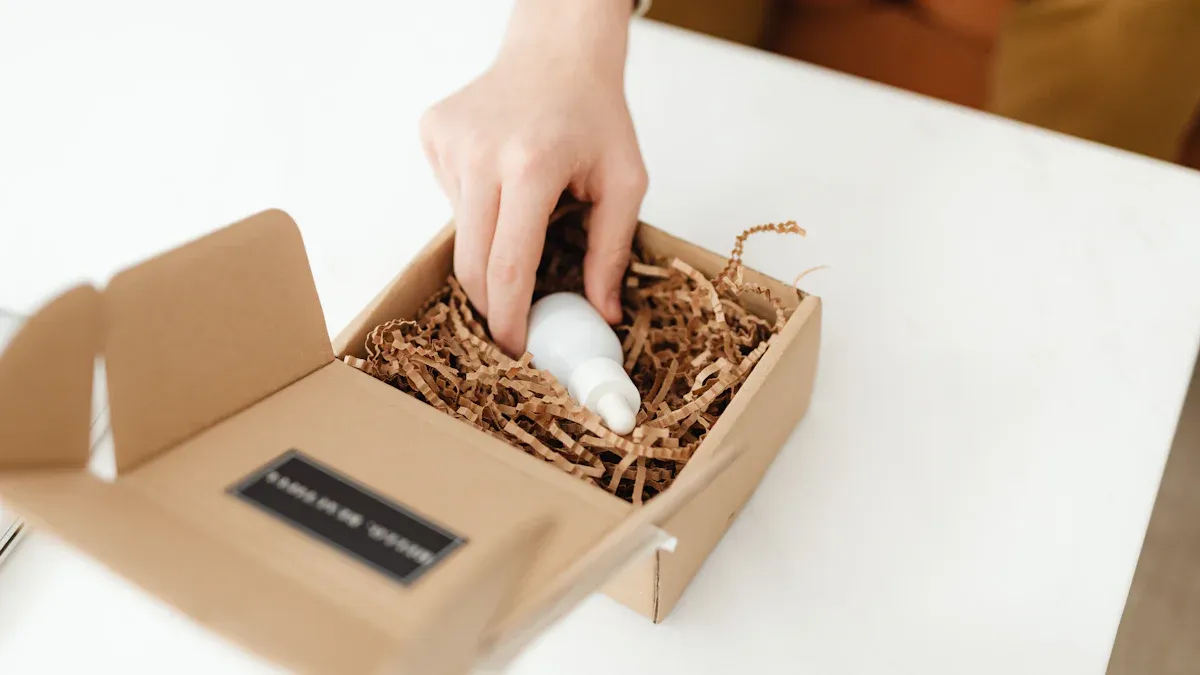
Many companies are changing how they make packaging. Circular design helps use less material and makes recycling easier. Some packaging uses only one material, called monomaterial. This makes it simple to recycle. Other packaging comes from recycled or renewable sources. Some companies let you refill or return packaging, so it lasts longer. Packaging can be made to come apart, so every piece can be reused.
Here is a table that shows the main ideas in circular design for packaging:
Design Principle | Description |
|---|---|
Reduce | Use less packaging and make it stronger for shipping. |
Reuse | Use packaging more than once and send it back for repairs. |
Recycle | Pick packaging that is easy to recycle and has recycled content. |
New technologies like photonic printing use lasers instead of ink. This helps cut waste and keeps packaging strong. Biodegradable or compostable packaging breaks down naturally. It does not hurt the environment. Choosing packaging that is easy to recycle helps the planet.
JUSDA’s Approach to Sustainable Packaging
JUSDA is a leader in sustainable packaging solutions. JUSDA uses biodegradable materials and reusable packaging to lower waste. The company designs packaging so it is easy to recycle and reuse. JUSDA works with partners to find new materials and improve packaging. Using these solutions helps the environment and saves money.
The sustainable packaging market is growing very fast. In 2024, it reached USD 292.71 billion. By 2029, it will grow to USD 423.56 billion. Companies save money and cut greenhouse gas emissions with better packaging. For example, a beauty brand lowered its packaging emissions by 40% by 2030. Choosing sustainable packaging can make a big difference.
Technology and Circular Supply Chains
AI and IoT in Circular Logistics
Technology is changing green logistics every day. AI and IoT help you follow products and manage returns. These tools help keep materials in use for longer. You get real-time data about your goods. You know where things are and their condition. This information helps you make smart choices. It also helps you cut down on waste.
AI and IoT show you what is happening in your supply chain.
IoT sensors and AI help you track materials and guess demand.
Digital twins let you test ideas online before trying them for real.
Using these tools helps you recover more resources. Your supply chain works better and smoother. You spend less money and make your work more green. Many companies use digital tools to improve green logistics. The table below shows how technology helps circular supply chains work better.
Evidence Description | Source |
|---|---|
Digital technology helps logistics by giving useful insights. | Khan et al. (2023) |
Using technology helps managers make better choices. | Siddik et al. (2023) |
Circular economy practices help people work together and stop supply chain problems. | Siddik et al. (2023) |
JUSDA ESG and JusLink Solutions
JUSDA uses new technology to help you build a better supply chain. JusLink’s AI Solution uses big data, AI, and IoT to make reverse logistics smarter. These tools help you decide quickly and track shipments. They help you save money and energy.
Technology | Contribution to Reverse Logistics Optimization |
|---|---|
AI | Helps you make fast choices and refill stock automatically. |
IoT | Shows you inventory and tracks shipments for quicker deliveries. |
Big Data | Finds the best delivery routes and spots problems in the supply chain. |
JUSDA ESG helps you reach your green goals. You can pick better routes to use less fuel and lower emissions. You can group shipments to help the environment and save money. JUSDA follows global green rules, so you can show customers you care about the planet.
Improvement Type | Description |
|---|---|
Route Optimization | JUSDA picks routes that use less fuel and lower emissions. |
Shipment Consolidation | Grouping shipments lowers harm to the environment and costs. |
Alignment with Environmental Standards | JUSDA follows global green rules, which eco-friendly customers like. |
You can use these solutions to make your supply chain more green and circular. JUSDA’s technology helps you manage reverse logistics and cut waste. It supports green logistics at every step. When you choose JUSDA, you join a group that cares about the planet and leads in green logistics.
Business Value and Sustainability
Operational Efficiency and Cost Savings
When you use circular economy logistics, your supply chain changes a lot. These changes help you save money and work better. Reusing materials and parts means you spend less. You also do not have to pay for waste removal. Your reverse supply chain moves products fast to resale or donation. This means you do not pay for extra storage.
Here is a table that shows how circular economy logistics helps you:
Business Value | Description |
|---|---|
Sustainability | You meet the need for responsible buying and show you care about the environment. |
Resource Efficiency | You make products last longer and easy to fix, so there are fewer returns. |
Customer Trust and Brand Image | You build trust by wasting less and using resources well, which helps your brand. |
You also get these good things:
Asset recovery lets you reuse or sell parts from broken items.
You do not pay disposal fees because you keep products out of landfills.
Lower storage costs happen because returns move quickly through your reverse supply chain.
You can also make more money by selling fixed products or getting discounts when you buy repair materials.
Environmental and ESG Benefits
You help the planet by using sustainable logistics and reverse supply chain models. These models lower your impact by making less waste and keeping materials in use. You also follow new rules that ask you to show your environmental impact. Many customers now pick companies that care about sustainability and use green practices.
Here is a table that shows the main environmental and ESG benefits:
Benefit Type | Description |
|---|---|
Waste Reduction | You send less waste to landfills, which helps the planet. |
Cost Savings | You spend less on waste removal and use resources better. |
New Business Opportunities | You find new ways to make money by recycling and remanufacturing. |
Customer Preference | More people buy from companies that care about the planet. |
Regulatory Compliance | You follow new rules and show your environmental impact clearly. |
Financial Performance | Good ESG actions help you save energy and make more profit. |
Investor Interest | Investors like companies with strong sustainability records. |
Competitive Advantage | You stand out by using green supply chains and strong ESG plans. |
Social Implications | You create jobs and help your community by using green logistics. |
You can see that green supply chains and reverse supply chain models help both the planet and your business. When you focus on sustainability, you help your company and the world.
Overcoming Challenges in Circular Logistics
Implementation Barriers
You might run into problems when starting circular logistics. Many companies find the network is hard to manage and costs are high. Rules keep changing, which makes things tricky. Sometimes, leaders do not support these changes. Some people do not want to buy remanufactured or recycled products. Getting money for projects can be hard. Some leaders worry about risks to their business. Not everyone has the right skills or training. Different countries have their own rules, so it is hard to follow just one set.
Here is a table that lists common barriers:
Barrier Description | Significance |
|---|---|
Lack of top management support and commitment | Most crucial |
Difficulty in accessing suitable financing | Highest |
Perception of high business risk | Second highest |
Lack of skills and qualifications | Third highest |
Lack of regulatory framework | Fourth highest |
Low acceptability for remanufactured products | Least significant |
You also face problems outside your company. Technology may not be good enough. The market can be tough. Some laws do not fit circular economy goals. Many countries have different rules for the environment. This makes it hard to have one system for reverse logistics.
Practical Solutions for Businesses
You can beat these problems by taking smart steps. Start by checking how your business works now. Look for ways to get better. Change how you design products so they are easier to recycle. Work with recycling experts and other companies that care about the planet. Use technology like AI and IoT to track products and improve reverse supply chains. This helps you handle returns well and see what is happening at every step.
Here are some steps you can take:
Check your current process and set clear goals.
Train your team and buy new technology.
Work with partners who use circular practices.
Make recycling labels easy to read and true.
Help teams from different industries work together.
JUSDA shows that using digital tools and AI can help you deliver on time and lower your carbon footprint. For example, JUSDA’s platform lets you track returns in real time and gives you more control. Companies like Johnson Controls have reverse supply chains for car batteries. They make sure most parts get used again. These actions help you build a strong and green supply chain.

JUSDA Solutions
To provide you with professional solutions and quotations.
You notice circular economy logistics and sustainable packaging changing supply chains around the world. Using circular models helps make new jobs and keeps the planet safe. JUSDA gives smart ideas to help you lead. The table below shows how circular models help your business in the future.
Benefit Type | Description |
|---|---|
Economic | Circular business models like remanufacturing and product-as-a-service make new ways to earn money, encourage new ideas, and help companies compete. |
Social | CE transitions make jobs in recycling, eco-design, and refurbishment, which helps local businesses grow. |
Environmental | Less waste and pollution means people stay healthier and life gets better. |
See Also
Transforming Logistics Through Innovative Supply Chain Solutions
A Comprehensive Overview of Eco-Friendly Supply Chain Transport
Investigating Robotics Trends for Sustainable Supply Chain Practices
Artificial Intelligence in Supply Chains: Shaping Future Logistics
Unveiling JUSDA's Growth in Sustainable Logistics Efficiency