Cold Chain Logistics in 2025 Trends, Challenges, and Solutions

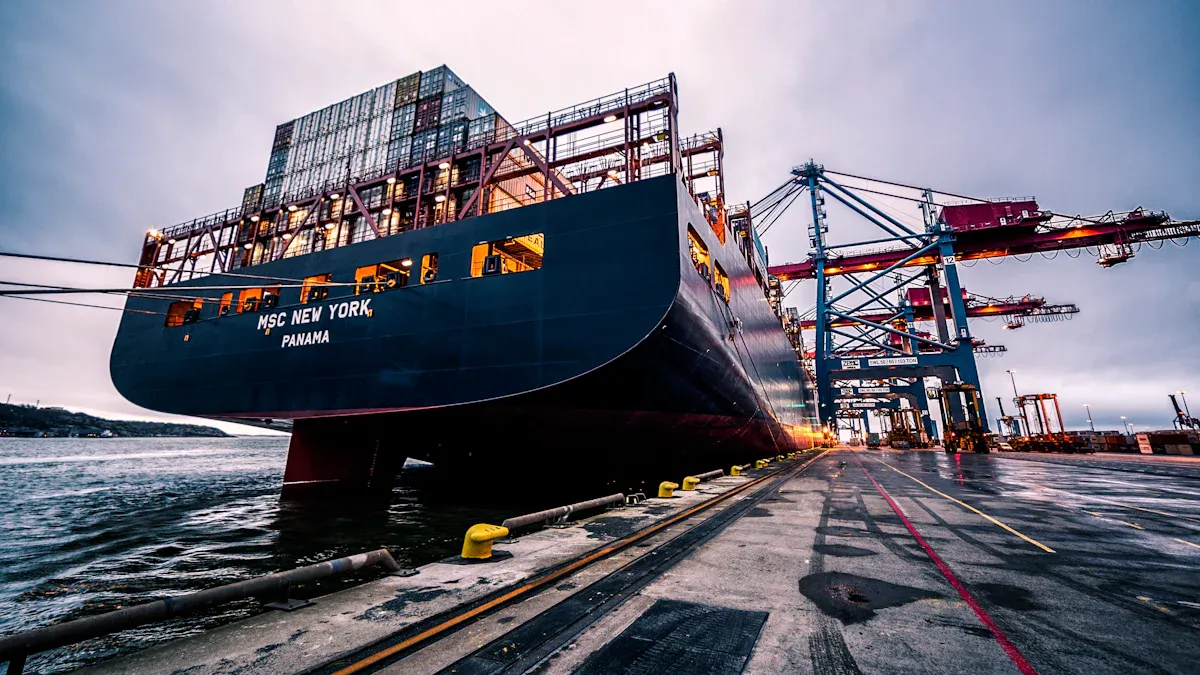
You see the global cold chain logistics market growing fast, reaching $436.30 billion in 2025. The cold supply chain supports pharmaceuticals, electronics, and automotive needs. Technology, regulations, and market forces drive new solutions. Brands like JUSDA use advanced warehouse systems and AI for better cold chain management and logistics.
The cold supply chain is vital for temperature-sensitive products.
The cold supply chain helps industries meet strict standards.
The cold supply chain adapts quickly to new demands.
The cold supply chain uses smart solutions for accuracy.
The cold supply chain improves product safety and efficiency.
The cold supply chain supports global trade and growth.
The cold supply chain relies on technology for control.
The cold supply chain reduces risks with real-time data.
Key Takeaways
Cold chain logistics is essential for maintaining the quality of temperature-sensitive products like pharmaceuticals and food.
Investing in real-time monitoring systems can help prevent spoilage and ensure compliance with safety standards.
Training staff on proper handling and technology use is crucial to minimize errors and protect product integrity.
Cold Chain Trends 2025

Technology Advancements
You will see technology transform the cold chain in 2025. Companies now use smart tools to track and protect temperature-sensitive products. The table below shows some of the most important advancements:
Technology Advancement | Description |
|---|---|
IoT-Enabled Cold Chain Monitoring | Real-time data helps you spot temperature changes and act fast. |
Sustainable Packaging Solutions | Eco-friendly materials reduce waste and meet new standards. |
AI-Powered Route Optimization | AI finds the best delivery routes, saving fuel and speeding up shipments. |
Drone Delivery | Drones deliver goods quickly, even to remote places. |
AI and automation play a big role in cold chain logistics. You can use AI for real-time monitoring, route planning, and temperature control. These systems help you avoid spoilage and keep products safe. Predictive analytics also let you fix problems before they happen, making your food supply chain more reliable.
Regulatory Changes
You must keep up with new rules in 2025. For example:
The De Minimis Rule will end duty-free imports under $800 from China and Hong Kong, raising costs.
The Digital Products Passport will require more product information for goods sold in the EU.
Import Control System 2 will need advanced shipping details for better security.
These changes mean you need better tracking and reporting in your food supply chain.
Market Demands
You face rising demand for fresh and safe products. Consumers want better quality and more information about what they buy. The food supply chain must use advanced traceability and temperature monitoring to meet these needs. Online shopping for perishables is growing, so you need automated warehouses and smart delivery solutions. Cold chain growth supports healthcare and global trade, making efficiency and safety more important than ever.
Cold Chain Challenges
You face several cold chain challenges as you manage temperature-sensitive products in 2025. These challenges can disrupt your supply chain, cause product loss, and increase costs. Understanding these issues helps you build a more reliable and efficient logistics system.
Temperature Control
Temperature control remains one of the most common challenges in cold chain monitoring. You must keep products within strict temperature ranges to prevent spoilage. In the pharmaceutical industry, temperature excursions account for up to 80% of product losses. Many factors can cause failures in temperature control:
Excessive door openings during delivery
Improper loading or blocked airflow
Transit delays or long route times
Human error and lack of training
Poor air circulation in storage
You can see how even a small mistake or equipment failure can lead to major losses. For example, a delayed vaccine shipment with poor temperature monitoring can result in non-potent vaccines and health risks for patients. Training your staff and investing in reliable equipment can help you reduce these risks.
Infrastructure Gaps
Infrastructure gaps create major obstacles for cold chain logistics, especially in emerging markets. You may struggle with outdated facilities, poor transport routes, or high energy costs. The table below shows how these gaps impact your operations:
Infrastructure Gap | Impact on Cold Chain Logistics |
|---|---|
Leads to significant food waste and economic losses, especially in Africa and Asia. | |
Outdated technologies | Reduces efficiency and increases operational costs. |
Poor transport routes | Delays delivery of perishable goods, causing waste. |
Lack of technical knowledge | Causes inefficient use of technology and more food loss. |
High electricity costs | Makes cold storage difficult in places with unreliable power, like Nigeria. |
Slow digitization | Keeps processes manual and limits growth. |
Lack of awareness | Small farmers may not know about cold storage, leading to post-harvest losses. |
You will notice that rural areas often face more severe infrastructure challenges than urban areas. Rural health facilities may lack proper training, reliable power, and adequate equipment. This can lead to vaccine spoilage and outbreaks of preventable diseases. In contrast, urban areas usually have better resources and knowledge, making cold chain management easier.
Compliance Issues
Compliance issues present another set of cold chain challenges. You must follow strict regulations for handling, storing, and transporting temperature-sensitive goods. The most frequent compliance problems include:
Compliance Issue | Description |
|---|---|
Regulatory adherence | Meeting all local and international rules for cold chain logistics. |
Product handling | Ensuring proper handling to avoid contamination or spoilage. |
Data management | Keeping accurate records and tracking product conditions throughout the supply chain. |
If you fail to comply with these standards, you risk product spoilage, health hazards, regulatory fines, and damage to your brand reputation. For example, non-compliance in pharmaceutical cold chain logistics can lead to unsafe medicines reaching patients. You can protect your brand and customers by working with qualified experts and using advanced monitoring systems.
Operational Costs
Operational costs in cold chain logistics continue to rise. You must manage both fixed and variable expenses, as well as extra charges that can add up quickly. The table below outlines the main cost drivers:
Cost Type | Examples |
|---|---|
Fixed Costs | Employee wages, equipment, vehicle payments, warehousing fees, insurance |
Variable Costs | Supplies, piece rate labor, billable wages, fuel |
Accessorial Charges | Re-consignment, lumper fees, excess insurance, over-dimensional freight, stop charges, layover fees, driver detention, assistance fees, hazmat fees |
High energy costs for cooling systems, capital investments in new technology, and ongoing maintenance all strain your budget. Over the past five years, you have seen energy costs rise and labor turnover increase, which drives up recruitment and training expenses. Upgrading to new technologies can help reduce some costs, but you may need to invest heavily in your existing facilities.
Tip: You can lower operational costs by using energy-efficient equipment, automating processes, and training your staff to reduce errors.
Cold chain challenges affect every part of your supply chain. By understanding these issues, you can take steps to improve reliability, reduce losses, and protect your products.
Pharmaceutical Cold Chain
Product Sensitivity

You face unique challenges when managing the pharmaceutical cold chain. Pharmaceutical products, especially vaccines, require strict temperature control. Even minor temperature changes can compromise product integrity. You must protect temperature-sensitive products from exposure to sunlight and temperature extremes. Delays or packaging failures can damage drugs and reduce their effectiveness. Consistent temperature control is essential for every step, from manufacturing to vaccine storage and delivery.
Small temperature variations can impact the efficacy of pharmaceutical products.
The cold chain is critical for preserving the quality of temperature-sensitive item like vaccines.
Exposure to elements during transit can damage pharmaceutical products.
Increased global demand for biologics complicates logistics and safety.
Disruptions in the pharmaceutical cold chain can harm your reputation and endanger patient safety.
You must use advanced temperature-controlled transport and monitoring systems to maintain product safety. Reliable vaccine storage and handling help you meet strict standards for temperature and time-sensitive products. You protect both your business and public health by maintaining the integrity of pharmaceutical cold chain logistics.
Regulatory Demands
You must follow strict regulatory demands in the pharmaceutical cold chain. These rules ensure the safety and efficacy of vaccines and other pharmaceutical products. The table below highlights the most important requirements for 2025:
Regulatory Demand | Description |
|---|---|
Essential for maintaining product integrity during distribution. | |
Temperature Control | Critical to prevent degradation of temperature-sensitive products. |
Compliance with Local Regulations | Varies by geography, with stricter rules in some EU countries. |
You must comply with Good Manufacturing Practices (GMP) and GDP. Some countries, like France, require a two-month safety stock for certain drugs. The French National Agency for the Safety of Medicines may extend these requirements during shortages. You need to stay updated on local regulations to avoid penalties and ensure safe vaccine storage and distribution.
You can meet these demands by using temperature-controlled transport, advanced monitoring, and reliable logistics partners. Consistent compliance protects your pharmaceutical products and supports global health.
Cold Chain Monitoring and Solutions
Real-Time Monitoring
You need strong cold chain monitoring to protect temperature-sensitive products. Real-time monitoring systems give you instant visibility into every shipment. These systems use IoT sensors and wireless networks to track temperature, humidity, and location. You receive alerts if any shipment moves outside safe temperature ranges. This allows you to act quickly and prevent spoilage.
Instant alerts for temperature deviations help you minimize product loss. AI-powered analytics can identify potential spoilage conditions before they occur, allowing you to take proactive measures.
The table below shows how real-time monitoring improves cold chain integrity:
Evidence Description | Impact on Cold Chain Integrity |
|---|---|
Ensures compliance and minimizes spoilage risks | |
Predictive analytics using AI and ML | Enables proactive maintenance and optimizes operations |
Real-time detection of temperature deviations | Allows for swift corrective actions to maintain product quality |
You benefit from advanced solutions in cold chain monitoring. These devices replace passive temperature loggers and provide immediate visibility. Wireless sensor networks collect real-time environmental data, such as temperature and humidity. GPS tracking lets you know the exact location of every shipment. Combining sensors with RFID technology increases transparency and accuracy throughout the cold chain.
JUSDA Warehouse Technology
You can improve cold chain management by using JUSDA’s warehouse technology. JUSDA operates cold storage facilities across the globe, including China, Vietnam, and the United States. These facilities use advanced inventory management systems like eVMI and JusLink for real-time tracking and control. You gain full visibility into your inventory and can monitor temperature-controlled storage conditions at every stage.
The table below highlights the measurable benefits companies experience after implementing JUSDA warehouse solutions:
Benefit | Description |
|---|---|
Streamlined operations through advanced technologies, reducing time for manual processes. | |
Enhanced Customer Satisfaction | Faster delivery times and improved order accuracy lead to higher customer loyalty and trust. |
Cost Reduction | Optimized resource utilization and lower operational costs through technology integration. |
JUSDA’s cold storage facility solutions offer value-added services such as picking, packing, labeling, and kitting. You can rely on clean room facilities that meet strict environmental standards. These features ensure data accuracy and reliability in your cold chain operations. You also benefit from multilingual support and close relationships with customs authorities, which help you navigate complex logistics requirements.
JusLink AI Platform
You can optimize your cold chain logistics with the JusLink AI platform. JusLink provides real-time tracking and analytics, giving you significant visibility and control over your supply chain. You can monitor temperature-controlled logistics and receive instant alerts for any deviations. JusLink’s intelligent supply chain assistant, JusElsa, uses natural language processing to help you interact with your data and manage shipments efficiently.
JusLink’s AI capabilities allow you to:
Track shipments in real time and respond to exceptions quickly.
Forecast demand and plan replenishment using predictive analytics.
Monitor risk factors and receive early warnings for potential disruptions.
You gain improved accuracy and reliability in your cold chain monitoring. JusLink helps you maintain compliance with regulatory requirements and ensures product safety from origin to destination.
Predictive Analytics
You can use predictive analytics to forecast cold chain disruptions and improve resource allocation. These tools analyze historical data and identify patterns that affect your logistics operations. ARIMA models capture seasonal trends, while Multiple Linear Regression considers factors like temperature and product type. You can respond quickly to supply chain challenges and prevent losses.
Predictive analytics transforms historical data into actionable insights. You can allocate resources more effectively and maintain high accuracy in your cold chain management.
You should integrate predictive analytics with your real-time monitoring systems. This combination helps you anticipate problems and take corrective action before they impact product quality. You can maintain the reliability of your cold chain and reduce operational costs.
Actionable Solutions for Businesses:
Invest in IoT-enabled real-time monitoring systems for instant alerts and data accuracy.
Use advanced warehouse technology to streamline operations and improve order accuracy.
Implement AI platforms like JusLink for enhanced visibility and proactive risk management.
Apply predictive analytics to forecast disruptions and optimize resource allocation.
Train your staff to use monitoring tools and follow strict protocols for temperature-controlled storage.
You can achieve better cold chain management by combining technology, monitoring, and analytics. These solutions help you maintain product integrity, meet regulatory standards, and deliver high-quality goods to your customers.
Case Studies and Success Stories
Automotive Supply Chain
You face unique challenges in the automotive sector. Many components need strict temperature control during transport. JUSDA’s cold chain solutions help you protect sensitive parts and keep production lines running smoothly. You benefit from continuous monitoring and real-time data. These tools let you optimize routes and reduce energy use. You also get detailed logs that help you meet quality standards and pass audits.
Continuous monitoring lowers the risk of damage to temperature-sensitive parts.
Real-time data helps you plan better routes and save energy.
Detailed records support compliance and make audits easier.
JUSDA’s digital platforms give you full visibility across the logistics network. You can track shipments, prevent delays, and respond quickly to any issues. These improvements help you avoid costly line stoppages and keep your business competitive.
Best Practices for Cold Chain
Training and Protocols
You play a key role in maintaining cold chain integrity by investing in effective training and clear protocols. Ongoing education helps your team reduce human error and handle temperature-sensitive products with care. You can use advanced delivery technology and interactive simulations to create engaging training sessions. Gamification motivates your staff and improves knowledge retention. Regularly evaluate your training programs using metrics to ensure continuous improvement.
Provide hands-on practice for proper loading, temperature monitoring, and emergency response.
Promote a culture of excellence and continuous learning.
Review and update standard operating procedures (SOPs) to align with industry standards and regulations.
Remember, inadequate training can lead to costly product spoilage and compliance issues.
Technology Integration
You can strengthen your logistics operations by integrating advanced technology. Real-time telematics and tracking systems monitor cargo conditions and alert you to temperature deviations. IoT sensors deliver continuous data on temperature and humidity, giving you full visibility across the cold chain. Automated alert systems notify your team immediately if a breach occurs, allowing for quick corrective action. These tools help you follow cold storage best practices and minimize product loss.
Future Outlook
You will see the cold chain logistics market continue to grow rapidly. Experts project the market to reach over $860 billion by 2032, driven by rising demand for temperature-controlled cargo in food and pharmaceuticals. Sustainability and technology, including AI and green logistics, will shape the future. The pharmaceutical sector will see steady growth, increasing the need for reliable cold chain solutions. You can expect ongoing innovation and a stable demand for cold chain services as global needs evolve.

JUSDA Solutions
To provide you with professional solutions and quotations.
You see rapid changes in cold chain management. You can expand capacity and use automation for real-time tracking. Electric trucks and new refrigeration technologies lower emissions. You follow FSMA, HACCP, and GDP standards to keep products safe. JUSDA leads with innovative solutions. Stay proactive and keep learning about logistics trends.
See Also
Key Trends Shaping Future Efficiency in Supply Chains
Innovative Logistics Technologies: Exploring Tomorrow's Solutions
Discovering 2024 Developments in Sea Freight Logistics
Get Prepared: The Latest Innovations in Transport Technology
Transforming Logistics: The Role of Digital Technology Ahead