AI-Powered Inventory Management: Computer Vision Improves Accuracy and Enables Real-Time Tracking

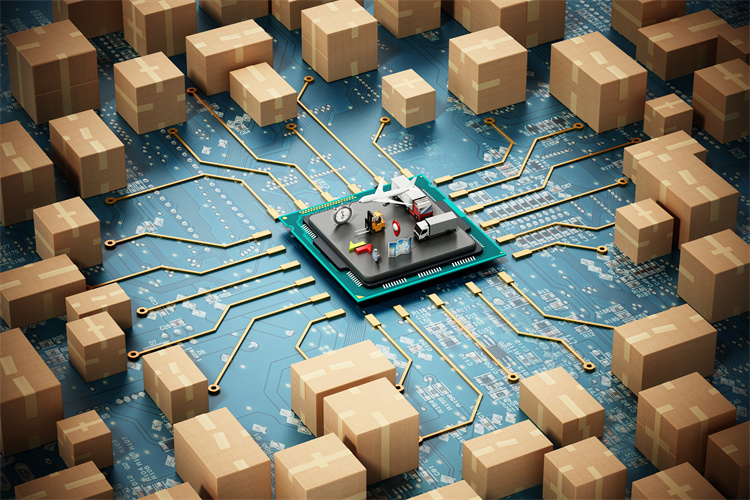
You can see brands like JUSDA use computer vision inventory management. This helps make supply chain work better. When you use automated inventory management, your business can avoid running out of stock. It also helps lower costs. Many companies, like Amazon and Walmart, use this technology too. They use it to guess when they might run out of stock. They also use it to handle extra stock.
AI-Powered Solutions | |
|---|---|
Poor inventory management | Intelligent inventory management systems |
Lack of real-time visibility | Real-time supply chain monitoring |
High transportation costs | Predictive analytics |
Inefficient capacity planning | Advanced analytics and insights |
Key Takeaways
Computer vision helps with inventory by tracking items right away and making fewer mistakes. Automated systems help save time and money because they need less work from people and make stock counts more correct. Using computer vision needs good planning, like matching item numbers and making stock reports right away.
Computer Vision Inventory Management
Technology Overview
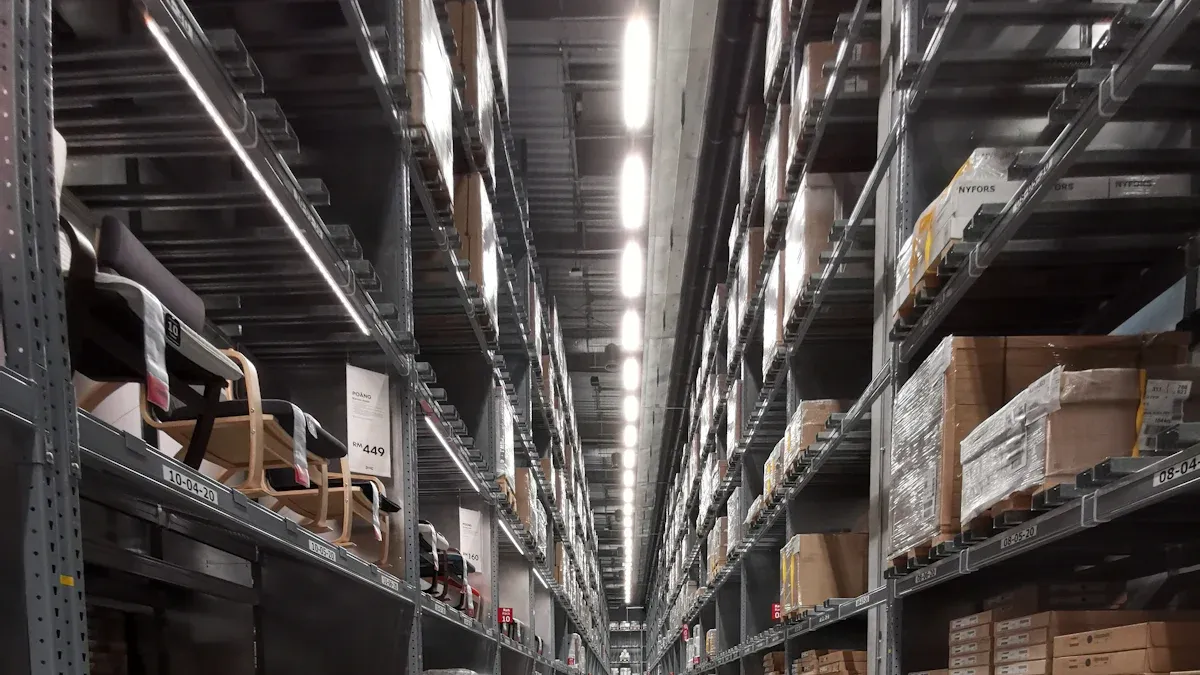
Computer vision inventory management changes how you keep track of stock. The system has cameras and sensors that take pictures from many sides. These pictures go into deep learning models that find and count items. The technology uses a special image system, a smart processing engine, and a decision support module. You get real-time information and updates about your inventory. The integration layer connects with your current systems, so switching is easy.
Core Components | Description |
|---|---|
Multi-source Image Acquisition System | High-resolution cameras and sensors for capturing images from various angles. |
Advanced Neural Processing Engine | Utilizes deep learning models for effective object detection. |
Intelligent Decision Support Module | Provides real-time analytics and insights for inventory management. |
Flexible Integration Layer | Ensures seamless connection with existing inventory systems. |
Enhances image quality through noise reduction, resizing, normalization, and more. | |
Object Detection Algorithms | Includes methods like YOLO, Faster R-CNN, and traditional methods for identifying objects. |
Counting Algorithms | Encompasses traditional methods like edge detection and blob analysis for accurate counting. |
You use image preprocessing to make pictures clearer and better. Object detection algorithms help spot items fast. Counting algorithms use edge and contour analysis to keep records right. This makes computer vision inventory management trustworthy and quick.
Real-Time Tracking
Computer vision inventory management lets you track every item in real time. Cameras and sensors watch stock levels all day long. You get instant updates when stock moves, so your records are always right. This technology makes tracking more accurate by 25%. You can make smarter choices because you know what is really in stock.
Computer vision uses AI-powered cameras and sensors for real-time inventory tracking.
The system automates the detection of misplaced items, reducing manual counting.
You prevent stockouts and keep inventory levels accurate.
Tip: Real-time tracking helps you avoid urgent inventory emergencies and reduces mistakes in demand forecasting.
Manual counting takes a lot of time and work. Robots can scan the warehouse every day, giving you new data and fewer mistakes. Big companies like Amazon and Walmart use computer vision inventory management to restock and be more accurate. You save money on labor and avoid delays.
ScanWatch’s real-time tracking solution is very accurate. You get up to 99.9% accuracy and do less manual work. One worker can handle up to 1,200 places, making things four times faster. The system uses cameras, smart software, and multi-label models. You get real-time updates that stop stockouts and emergencies. Smart bins can tell when they are empty and help stop theft, so you make more profit.
JUSDA Warehouse Automation
JUSDA is a leader in warehouse automation with computer vision inventory management. JUSDA’s warehouses use advanced systems like eVMI and JusLink for real-time control. The technology lets you watch items all the time, find defects, and check items during picking and packing.
Functionality | Description |
|---|---|
Computer vision enables continuous monitoring of inventory and operations in the warehouse. | |
Defect detection | It helps in identifying defects in items during the picking and packing processes. |
Verification of items | Ensures that the correct items are picked and packed, enhancing accuracy in inventory management. |
Continuous data ingestion | AI-powered WMS uses data from IoT sensors, RFID tags, and barcode scanners for real-time updates. |
Warehouse automation helps because it uses data from IoT sensors, RFID tags, and barcode scanners. This gives you real-time updates and keeps records correct. JUSDA’s warehouses in China, Vietnam, and other places use these tools for electronics, cars, and fast-moving goods.
JUSDA’s warehouse automation means less manual work and better efficiency. You get clear control of inventory and faster order shipping. Using computer vision inventory management with AI platforms like JusLink and JusElsa gives you smart analytics and risk control. You can make your supply chain better and react fast to changes.
Warehouse automation with computer vision inventory management helps you reduce mistakes.
You get better control over inventory and improve demand forecasting.
Real-time updates ensure your records match physical stock.
JUSDA’s way of automating warehouses helps big brands and supports great operations. You can trust computer vision inventory management to keep your supply chain working well.
Benefits of Automated Inventory Management

Automated inventory management helps your business in many ways. When you use computer vision and ai-powered asset inventory, you get better accuracy. You save money and make warehouse automation smarter. Companies like JUSDA and ScanWatch use these systems every day. You see better results in your supply chain. You also have more control over your stock.
Accuracy and Efficiency
You want your records to match what is on the shelves. Computer vision uses cameras and AI to track every item. This helps you keep inventory accuracy high. The technology gives you real-time and automated counting. You always know what is in stock. You do not need manual checks, which can cause mistakes.
Real-time visibility helps you find problems fast.
Automated counting lowers human error and keeps records right.
Discrepancy detection finds mismatches between records and stock.
Many big brands use these tools. Amazon uses robots and real-time tracking for better accuracy. Walmart uses automated inventory management to save money and avoid empty shelves. Siemens uses smart warehousing and predictive analytics to guess what is needed. These examples show computer vision makes warehouse automation more reliable.
Benefit | Description |
|---|---|
Increased Efficiency | |
Labor Cost Reduction | You need fewer workers for simple jobs, saving money. |
Improved Accuracy | Automation cuts errors and time spent fixing mistakes. |
Note: Real-time and automated counting help keep inventory accuracy high. This lowers the risk of running out of stock.
Process Automation
Warehouse automation uses computer vision to do many jobs without people. You can scan labels, check for defects, and track goods as they move. This makes work faster and more reliable. Ai-powered asset inventory systems read product names, count items, and spot problems quickly.
Computer vision reads labels and finds flaws in products.
Automated systems scan and sort items for orders.
Real-time tracking follows goods through every step.
For example, Sam’s Club uses computer vision in cleaning machines. These machines check shelf stock and trigger restocking. Normerica Inc. uses a pallet tracker to scan pallets automatically. This cuts errors and gives instant updates. These methods show process automation makes warehouse automation better.
You also move stock faster. Robotics, AI, and connected systems help avoid running out. Automated storage and retrieval systems, sensors, and IoT give real-time insights. Your team can focus on quality checks while the system does simple tasks.
Inventory Control
Good inventory control means you always know what you have. Computer vision gives you real-time tracking and full transparency. You can trace products from the factory to the store shelf. This helps you follow rules, build trust, and make sure goods come from the right places.
Computer vision tracks inventory levels and updates records automatically.
You can trace each product’s journey for more transparency.
Automated inventory management lowers mistakes and boosts efficiency.
You can count items during receiving and shipping. You can monitor shelf stock in real time. Discrepancy detection finds misplaced or mislabeled items. Object detection helps find products, count them, and read names with optical character recognition.
Computer vision also helps stop theft and loss. Many warehouses use AI-powered gates and cameras for high-value areas. These systems spot suspicious actions and alert you quickly. They check that all items are scanned at checkout, stopping shrinkage and fraud.
Over time, you save money with these systems. Companies have seen big returns, like a 927% ROI and millions saved in extra inventory. Some businesses cut inventory costs by 40% and reduced stockouts by 25% in six months. AI-powered asset inventory and warehouse automation help lower costs, improve efficiency, and keep your supply chain strong.
Tip: Using computer vision for inventory control gives better results, more transparency, and fewer losses.
Implementation and Challenges
Integration Steps
You can add computer vision to your warehouse by following easy steps. First, find the main problem you want to fix. Then, set up cameras and link them to your warehouse management system. Watch your progress for two months to see if your data extraction service gets better. After that, make tasks and alerts automatic in your system. Last, use a guide to bring the solution to more places.
Step | Description |
|---|---|
Sync Item Counts | Updates the WMS with correct inventory counts for up-to-date stock levels. |
Generate Stock Reports | Makes detailed reports on inventory levels, movements, and locations. |
Update Inventory in Real-Time | Gives real-time updates to inventory data, helping you make choices. |
You should also gather and label data, choose the best computer vision model, and build a strong data extraction service pipeline. Connect this pipeline to your supply chain systems for smooth warehouse automation.
Overcoming Challenges
You might have problems when adding computer vision and data extraction service to your warehouse. These problems can be connecting with old systems, bad data, and training your team. You can fix these by using a mix of edge-computing, adding visual checks, and updating your current systems instead of changing them. Try adding new things step by step so you can learn and change without stopping your warehouse.
Tip: Good training and talking openly help your team use new computer vision and data extraction service tools.
Continuous Improvement
You need to keep making your computer vision and data extraction service better. JUSDA uses a digital supply chain network and AI to improve warehouse automation. The JusLink Control Tower uses big data to guess risks and make routes better. You can watch your system, retrain models, and use real-time data extraction service to make smarter choices. Metrics like more sales, lower labor costs, and ROI help you see your progress. Companies using computer vision and data extraction service get faster answers and better inventory control.

JUSDA Solutions
To provide you with professional solutions and quotations.
You can see how computer vision inventory management helps brands like JUSDA do better. Warehouse automation makes work faster and more accurate. You get instant updates with real-time inventory tracking. This helps you control your stock better. Warehouse automation makes jobs easier and cuts down on mistakes. It also helps you fill orders quickly. You can manage inventory levels and save money. AI helps pick items, guess what you need, and make more profit.
Mobile apps help with warehouse automation and inventory tracking. They make your supply chain smarter and easier to change. Mobile apps let you watch goods and make reports without much work. You can manage your warehouse from anywhere. Mobile apps help you follow shipments and check stock. They give you alerts and updates right away. You get real-time data for warehouse automation. Mobile apps make warehouse work easier and more trustworthy. Dashboards show you how inventory tracking is going. Notifications help you act fast when things change. Analytics let you see trends and plan better. Support from mobile apps keeps things running well. You can control warehouse automation from far away. Mobile apps help you do tasks automatically. You can change settings to fit your needs. Mobile apps connect warehouse automation to other systems. Security keeps your data safe. Updates keep your system working well. Training helps your team use the tools. Feedback helps make things better. Scheduling makes work more organized. Scanning makes jobs go faster. Reporting helps you study results. Alerts warn you about problems. Tracking shows your progress. Management gives you full control.
You can begin your digital transformation with JUSDA’s warehouse automation and mobile app tools.
See Also
Maximizing Warehouse Efficiency Through Robotic Automation Insights
Harnessing Logistics Robotics To Improve Warehouse Efficiency
Revolutionizing Supply Chains With Innovative AI Solutions
Exploring AI's Hidden Capabilities In Logistics Management
Transform Your Business Using Cutting-Edge Inventory Strategies