Global Container Shipping Rates Continue to Drop: What New Challenges Does the Maritime Industry Face in 2025?

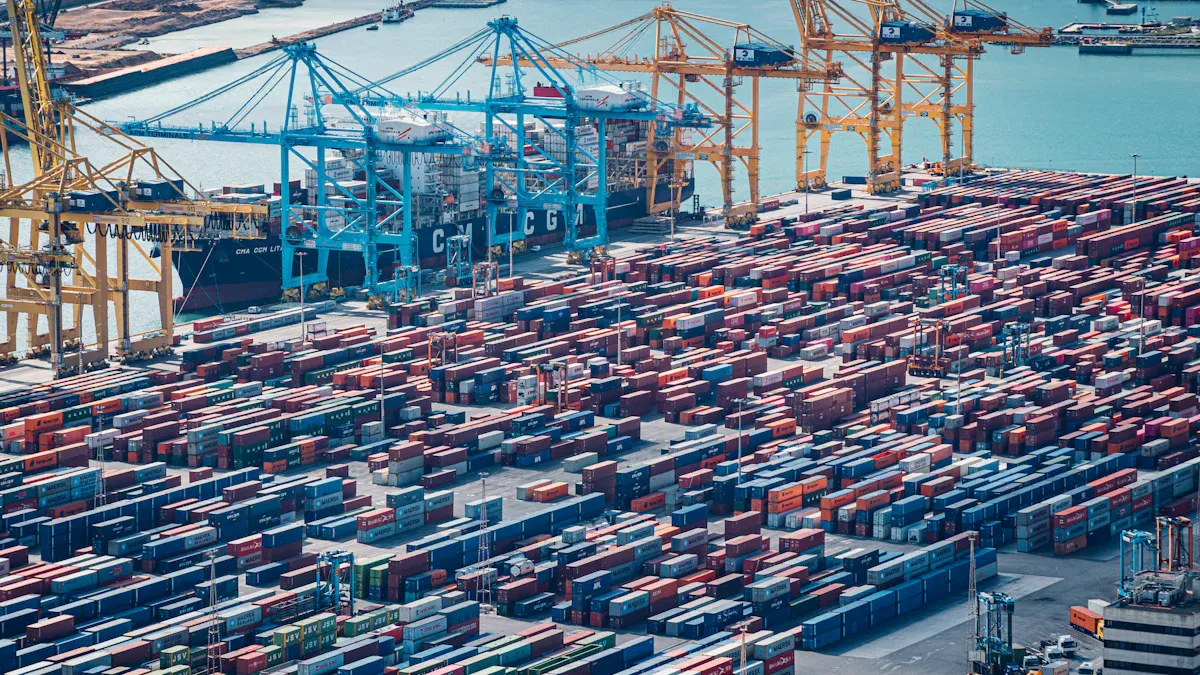
Container shipping rates change quickly. You see prices drop as much as 29% on some routes from the Far East to North Europe.
Many factors drive these shifts. Geopolitical tensions force ships to take longer routes. Supply-demand imbalances and climate change also affect shipping rates. These challenges impact your costs and the reliability of container shipping in the maritime industry.
Key Takeaways
Container shipping rates fluctuate due to geopolitical tensions, supply-demand imbalances, and climate change. Stay informed to manage your shipping costs effectively.
Port congestion can delay your inventory and increase shipping rates. Diversify your ports and build in buffer time to mitigate these risks.
Technology, like JUSDA’s JusLink platform, enhances visibility and control over your shipments. Use digital tools to respond quickly to market changes.
Geopolitical events can disrupt shipping routes and increase costs. Monitor global events to adjust your shipping plans proactively.
The China-Europe Express Rail offers a reliable alternative for moving goods quickly and cost-effectively. Consider this option to avoid maritime delays.
Container Shipping Rates Trends
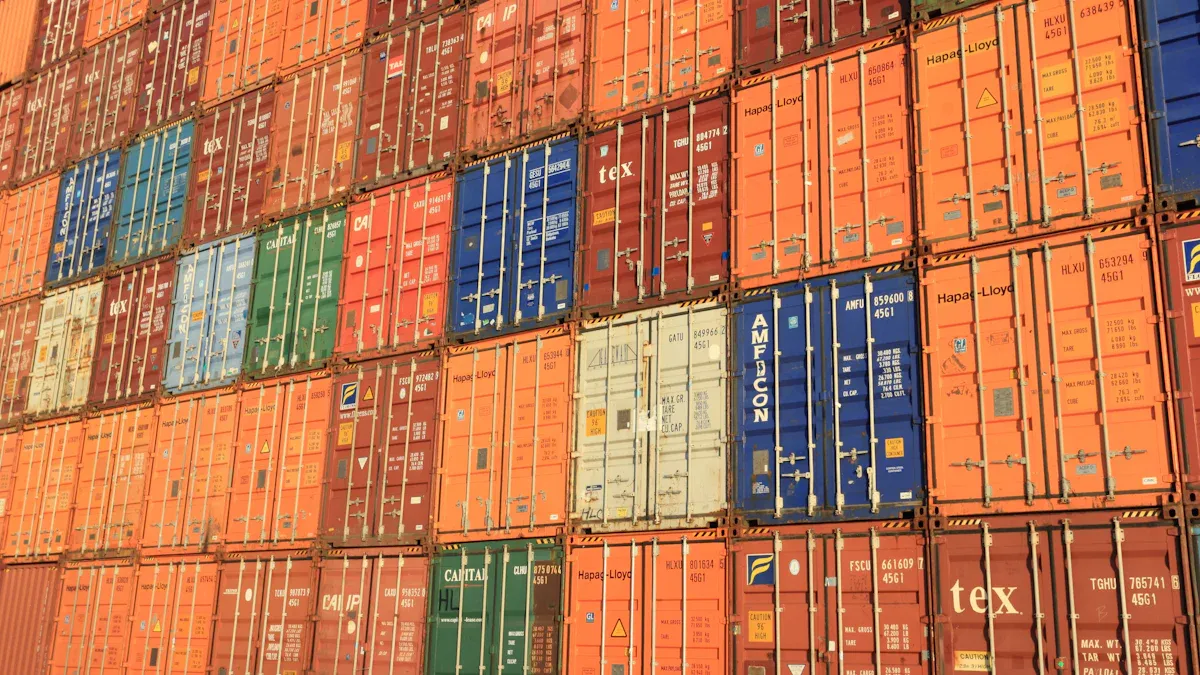
Rate Fluctuations
You see container shipping rates change often. Over the past year, global container freight rates have moved up and down.
Drewry’s World Container Index dropped to $2,350 per 40-foot container, showing a 3% decrease this week.
Transpacific shipping rates also fell. Shanghai–Los Angeles rates reached $2,494 per FEU. Shanghai–New York rates hit $3,638 per FEU.
Forecasts show a possible downturn in the second half of 2025. U.S. container imports may drop by 5.6% compared to last year.
If you look at the past decade, you notice big changes in shipping rates.
Year | |
|---|---|
2019 | Rates were stable and predictable |
2020 | Rates began to rise significantly |
2021 | Rates remained elevated due to demand and disruptions |
2024 | Rates surged to more than twice previous levels |
2025 | Rates saw a modest decline but stayed above 2019 levels |
Periods of volatility have shaped the market. Geopolitical tensions, such as trade wars between the US and China, forced ships to change routes and increased costs. The Russia-Ukraine conflict led to higher insurance costs and disrupted logistics. The Red Sea crisis caused freight rates to soar by as much as 186% in some areas. By the end of 2024, ocean freight rates on disrupted trade lanes surged to more than twice their previous levels.
Causes and Projections
Many factors drive container shipping rates.
The primary causes of recent container shipping rate fluctuations include demand surges, supply chain pressures, and geopolitical factors. Shippers frontload imports to avoid capacity issues during peak seasons, which increases spot market rates. Ongoing geopolitical tensions, such as the US-China trade war and restrictions in the Panama Canal, add uncertainty. The imbalance between shipping capacity and cargo volumes also affects rates.
You also see inefficiencies in maritime logistics.
The impact of alliances on rate volatility.
Market dynamics affecting freight rates.
External factors such as geopolitical events and supply chain disruptions.
Trade disruptions, like the COVID-19 pandemic, changed container shipping rates and reliability.
Time Period | Freight Rate Change | Vessel Calls Change | Idle Vessels Percentage |
|---|---|---|---|
Early 2020 | Rates remained high | 20% to 50% reduction | 11.6% |
June/July 2020 | Surge in rates | Blank sailings reduced | 1.8% |
October 2020 | Record high rates | N/A | N/A |
Projections for container shipping rates show a weakening market. Oversupply and US tariffs may lead to a rate decline. Analysts expect US container imports to drop year-on-year in the latter half of 2025. This will likely drive rates down as the fleet grows.
You face falling rates in some regions, but volatile freight rates remain a challenge. JUSDA helps you manage these changes. JUSDA’s JusLink intelligent supply chain platform uses real-time data and collaboration tools. You gain better visibility and control over your shipments. JUSDA’s solutions help you respond quickly to market shifts and optimize your logistics costs.
Maritime Freight Rates Challenges
Geopolitical Tensions
You face growing uncertainty in maritime trade because of geopolitical tensions. Recent conflicts in the Middle East have caused major disruptions in global shipping. A United Nations report shows that these tensions have slowed the growth of maritime trade. Seaborne trade volumes are expected to rise only 0.5% in 2025, much lower than in past years. This slowdown comes from volatile freight rates and higher costs. Ships often need to reroute to avoid conflict zones, which increases travel time and expenses. These changes put downward pressure on spot rates, making it harder for you to predict costs and delivery times.
JUSDA helps you manage these risks. The company uses advanced digital tools to track global events and adjust your shipping plans quickly. You get real-time updates and support to keep your supply chain moving, even during uncertain times.
Route Disruptions
Route disruptions can change your shipping plans overnight. Events like the Suez Canal blockage show how fragile maritime shipping can be. When the canal closed, global losses reached $136.9 billion. Industry analysts found that global shipping capacity dropped by about 20% during these disruptions. This led to higher transportation costs and increased freight rates on major trade routes. You may notice that rates, once stable, now change from month to month. These disruptions also cause shipping delays, which can affect your inventory and sales.
JUSDA’s JusLink platform gives you better control during these events. The platform uses AI to monitor routes and suggest alternatives. You can react faster to problems and avoid costly delays. JUSDA’s bonded warehouse service also helps you clear customs quickly, so your goods do not get stuck at ports.
Port Congestion
Port congestion remains a big challenge for maritime shipping. When ports get crowded, your goods may sit for days or even weeks. This leads to delayed inventory and missed sales. Production can stop, and customers may become unhappy. Port congestion acts as a bottleneck in global trade, slowing the flow of goods. It also increases shipping rates and adds to inflation. Many ports now charge congestion surcharges, which raise your shipping costs even more.
Port congestion leads to delayed inventory and missed sales.
It causes production stoppages and dissatisfied customers.
Acts as a bottleneck in global trade, slowing the flow of goods.
Increases shipping rates and contributes to inflation.
Results in congestion surcharges that add to shipping costs.
You can take steps to reduce the impact of port congestion:
Diversify your ports to avoid chronic congestion.
Build in buffer time to account for potential delays.
Stay informed about port conditions.
Collaborate with your logistics team for better navigation of disruptions.
JUSDA’s expertise in logistics and customs operations helps you handle these challenges.
“The demand for agile, multimodal solutions is growing fast — and so is the need for real-time data,” said Vaclav Svoboda, Transport Operations Manager at JUSDA.
JUSDA’s JusLink digital supply chain management platform acts as a control tower for your shipments. It brings together data from across the supply chain, helping you make better decisions. JUSDA’s bonded warehouse service offers a secure and cost-efficient way to handle customs, which improves your operational efficiency. You also face complex international regulations, unpredictable sea conditions, and customs bottlenecks. JUSDA’s solutions help you overcome these hurdles and keep your goods moving.

JUSDA Solutions
To provide you with professional solutions and quotations.
You see that declining spot rates and downward pressure on spot rates often come from these maritime challenges. By working with a partner like JUSDA, you can better manage risks and keep your supply chain strong.
Shipping Costs and Global Impact
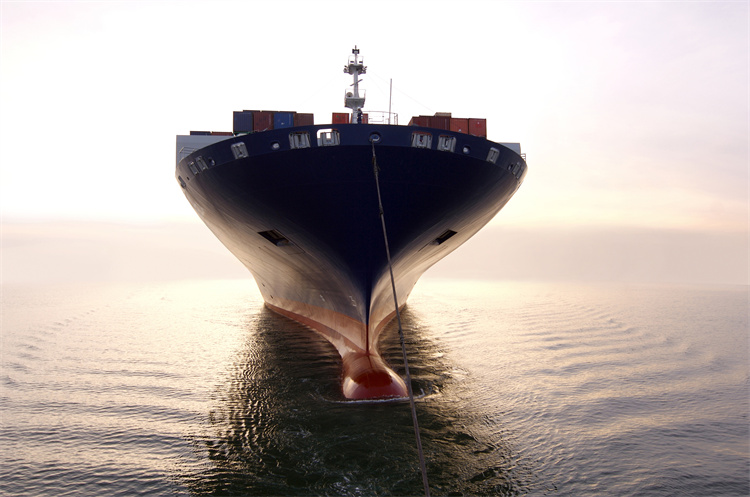
Cost Drivers
You see shipping costs rise and fall because of many factors. Researchers compare maritime transportation to air transportation to find better ways to manage costs. They look at item-based and aggregated cost models. You notice that fuel prices, labor, and port fees all play a role. When ships take longer routes to avoid conflict zones, high transport costs become a problem. These changes affect your budget and make planning harder. You need to watch these cost drivers closely to keep your business running smoothly.
Reliability Issues
Reliability in container shipping matters to you. When ships arrive late or miss their schedules, your supply chain suffers.
Late vessels arrived an average of 3.9 days behind schedule.
All vessels had an average delay of 1.6 days.
Seven void sailings on Asia to North Europe made up 8.8% of total capacity.
Carriers announced 17 blanked sailings on Asia to North America, which was 4.8% of total capacity.
Performance on major trade lanes ranged from 46.2% to 88.0%.
North America to South America was the most reliable at 88.0%.
You face delays and missed sailings that disrupt your plans. These reliability issues can lead to shortages and unhappy customers.
Effects on Maritime Trade
Shipping costs and reliability shape global trade. You see seaborne trade volumes grow by only 0.5% in 2025, the slowest rate in years. Geopolitical tensions, new trade barriers, and climate pressures change shipping routes and increase costs.
European businesses face rising shipping costs and delays.
Many UK companies report cash flow problems and shortages of parts.
A one-standard-deviation increase in global shipping costs raises inflation by 0.15 percentage point over 12 months.
Island countries feel the biggest impact, with inflation more than twice the baseline.
You notice that vulnerable economies suffer most from high shipping costs. These challenges slow global trade and make it harder for you to compete. JUSDA’s China-Europe Express Rail gives you a faster and more cost-effective way to move goods. This service helps you avoid delays and control expenses, even when rising container volumes put pressure on traditional shipping lanes.
Industry Response and JUSDA Solutions
Adaptation Strategies
You see industry leaders respond quickly to new challenges in shipping. Ports invest in stronger infrastructure, like storm-surge barriers and deeper channels, to protect against natural disasters. Shipping companies adjust vessel speeds and schedules to manage capacity. Some introduce truck bridge services and sea-air transport options to handle longer transit times, especially on routes like far east to u.s. east coast.
Ports upgrade design standards and add new safety features.
Companies diversify routes and use flexible schedules.
Leaders invest in digital technologies and automation.
Many adopt sustainable practices, such as LNG-powered vessels.
You notice alliances form between major players. For example, Maersk and MSC created the M2 alliance to keep prices stable. Companies also expand into port terminal operations and supply chain management for better control.
Technology in Maritime Logistics
Technology changes how you manage shipments. You benefit from AI for predictive maintenance, wind-assisted propulsion, and electric vessels. Smart ports use 5G connectivity for automated cranes and real-time traffic data. IoT and RFID give you advanced tracking of packages. Blockchain secures transactions and reduces fraud risk.
5G connectivity improves port efficiency.
IoT and RFID provide real-time cargo tracking.
Blockchain makes supply chains safer.
JUSDA’s JusLink intelligent supply chain platform helps you work faster. You process orders quickly and reduce delivery lead times. You see better visibility into your operations, which means you use resources more efficiently. Digital management and multi-role online collaboration make your workflow smoother.
China-Europe Express Rail
You need reliable alternatives when maritime shipping faces delays. JUSDA’s China-Europe Express Rail gives you a faster and cost-effective way to move goods between China and Europe. This service balances speed and cost, offering door-to-door delivery in 15-20 days. You can ship electronics, clothing, and medical supplies with confidence.
JUSDA streamlines procurement and transportation.
You experience faster order processing and reduced lead times.
Enhanced visibility improves your planning and resource use.
Service quality rises, leading to higher customer satisfaction.
Integrated supply chain platforms bring many benefits.
Benefit | Description |
|---|---|
Efficiency | |
Cost Forecasting | You get accurate landed costs with automatic fee calculations. |
Operational Control | You respond quickly and avoid surprises. |
Better Planning | You coordinate all parts of your supply chain more easily. |
Reduced Delays | Faster processing and fewer errors mean lower costs and less waiting. |
You also gain transparency. Real-time tracking lets you follow packages. Automated updates keep you informed. Enhanced communication tools help you solve problems quickly.
You see container shipping rates change quickly because of geopolitical tensions, rising production costs, and disruptions in key routes. You can plan ahead, use package modeling, and monitor shipping speed to lower costs and avoid delays. JUSDA’s JusLink platform and China-Europe Express Rail help you manage risks and improve supply chain visibility.
Year | Outlook for Maritime Trade |
|---|---|
2025 | Trade growth may slow, with unstable sailing conditions and possible excess capacity. |
FAQ
What causes container shipping rates to change so often?
You see container shipping rates shift because of global demand, fuel prices, and disruptions in maritime trade. Geopolitical events and port congestion also play a big role. You need to watch these factors to plan your shipments.
How do geopolitical tensions affect maritime trade?
Geopolitical tensions force ships to reroute and increase travel time. You may pay higher costs and face unpredictable delivery schedules. These changes can slow down maritime trade and make your supply chain less reliable.
Can technology help you manage risks in maritime trade?
Yes, you can use digital platforms like JUSDA’s JusLink to track shipments and respond quickly to disruptions. Technology gives you real-time data and helps you make better decisions in maritime trade.
What is the China-Europe Express Rail and how does it support maritime trade?
China-Europe Express Rail offers a faster and cost-effective way to move goods between China and Europe. You avoid delays from sea routes and keep your business competitive in maritime trade.
How do shipping delays impact your business?
Shipping delays can lead to missed sales, unhappy customers, and higher costs. You need reliable partners and smart planning to reduce risks in maritime trade.
See Also
Discovering Innovations in Sea Freight Logistics for 2024
An In-Depth Look at the Future of LTL Freight
Understanding Current Trends in Logistics Risk Management
Addressing Global Supply Chain Expansion Challenges Effectively
Preparing for the Latest Transport Technology in Supply Chains