How Cross-Border Clearance Automation Boosts Trade Efficiency Amid Global Disruptions

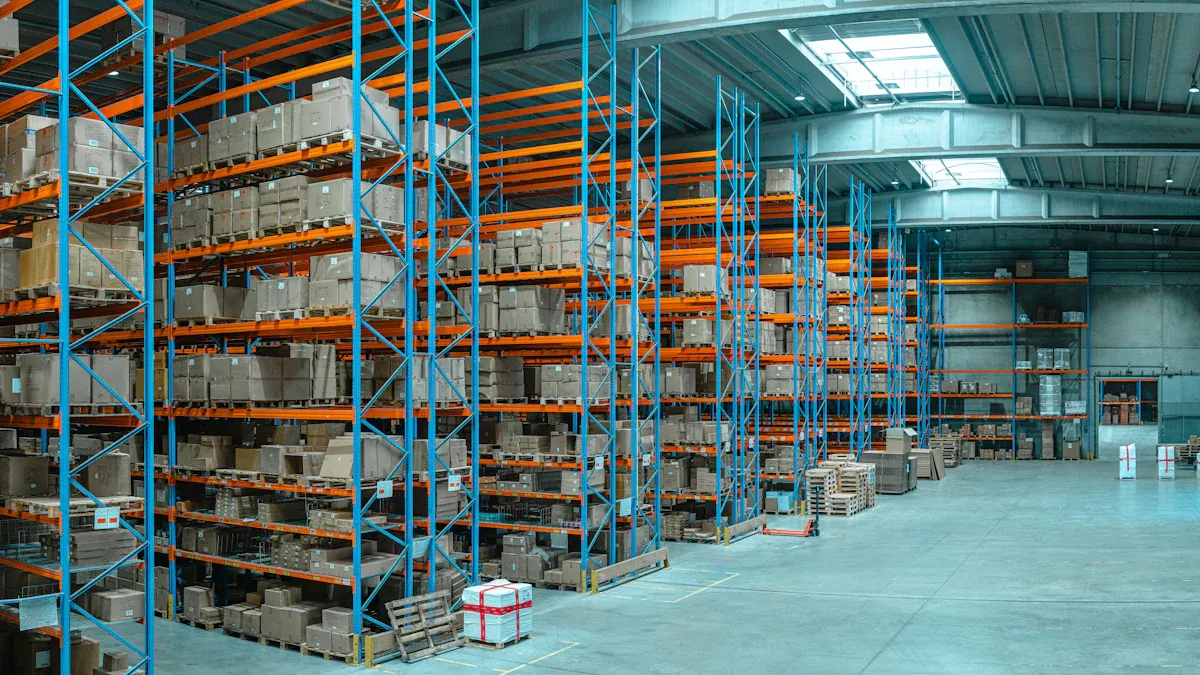
Cross-border clearance automation changes how companies move goods between countries. Many companies now use automation to help with customs work.
52% of companies use AI and automation for cross-border clearance.
26% plan to start using these tools soon. Recent trade problems affected more than half of logistics companies. Fast solutions are now even more important.
Key Takeaways
Cross-border clearance automation makes customs work faster. This helps companies send goods quicker and save money on shipping.
Automation cuts down on mistakes made by people. This makes things more correct and helps customers and partners trust the company more.
Using AI and IoT in customs helps companies watch shipments as they move. This gives better information and helps people make good choices.
Cross-Border Clearance Automation Impact
Faster Customs Processing
Cross-border clearance automation helps companies get goods through customs faster. This is very important when there are global problems. Automation makes customs work quicker, cuts shipping costs, and gives updates right away. These changes help businesses avoid waiting and keep things running well.
Many new tools make customs faster. For example:
RFID lets officers scan many tags at once. This makes checks at borders much quicker.
Automated systems handle lots of data fast. They finish clearance jobs much faster than people.
Automation gives real-time data. This helps companies plan better and make good choices.
Most companies see a 30% faster process and fewer mistakes after using automation.
Now, the customs sector uses digital processing for declarations. This makes things faster and more correct. Companies want more CustomsTech to fix problems like not enough staff. AI can make customs clearance up to 50% faster and handle more work. Even with these tools, people are still needed for hard trade rules.
Companies check if automation works by using clear numbers. These include on-time delivery, cost per shipment, fuel use, customer happiness, and vehicle use. These numbers show how automation makes cross-border trade more reliable and better.
Tip: Faster customs means goods get to customers sooner. This helps companies stay strong in world markets.
Reduced Manual Errors
Manual customs work often causes mistakes. These mistakes can slow things down, cost more money, or cause fines. Cross-border clearance automation lowers these risks by checking data and papers before customs sees them.
The table below shows how automated systems stop mistakes:
Evidence Type | Description |
|---|---|
Manual errors and rework | Automated systems find missing fields, wrong amounts, or bad Incoterms before filing. |
Built-in validation and compliance | Real-time engines check for needed certificates, right product amounts, and mark banned goods. |
Quicker classification of HS codes | AI engines pick the best HS codes, so there are fewer delays and fines. |
Automated customs solutions are better than manual work:
Metric | Manual Process | Automated Process | Impact |
|---|---|---|---|
Error Rate | High risk of manual mistakes | Much fewer mistakes | Better accuracy |
Processing Time | Slow and not efficient | Up to 4 times faster | Better efficiency |
Automation checks for missing or wrong info before customs officers look at it. Real-time engines make sure all rules are followed. AI tools help pick the right codes for products, which stops fines and speeds up clearance.
Note: Fewer manual mistakes saves time and builds trust with customers and partners.
Cross-border clearance automation brings speed and accuracy to customs work. These changes help companies deal with global problems and keep their supply chains strong.
Cross-Border Trade Challenges
Supply Chain Complexity
Supply chains in cross-border trade have many problems. Companies work with different suppliers and transport types. They also plan delivery times. Moving goods between countries makes things harder. Customs delays can slow shipments. Costs go up because of fees and fuel prices. Some places do not have good roads or buildings for freight. Partners may get confused if communication is poor.
Challenge | Impact on Efficiency |
|---|---|
Rules and paperwork are different and slow things down. | |
Increased Costs | Fees and changing fuel prices make budgets hard to plan. |
Infrastructure Gaps | Some places cannot handle lots of freight well. |
Coordination Issues | Poor teamwork causes confusion between partners. |
Problems in supply chains can mess up inventory and delivery times. Money values can change fast and make budgets tricky. Late payments can hurt cash flow and slow business.
Note: Language, culture, and law differences can cause confusion. These things make contracts harder to follow.
Regulatory Differences
Different rules in each country make things harder for companies. Every country has its own customs, tax, and paperwork rules. Companies must follow these rules to avoid fines and delays. Customs unions like the EU help trade by removing fees inside and setting common fees for imports. One-stop border posts, such as Malaba OSBP, put agencies together to make clearance faster.
Many countries use online systems for customs now. For example, ASYCUDA World at ICP Birgunj lets people send forms online and cuts down on checks. Some countries give more time to follow rules. Others want things done fast. Automation and AI help companies follow rules, keep data correct, and handle tough requirements in different places.
Technology Driving Customs Clearance Efficiency
AI and Big Data
AI and big data help companies with customs work. These tools look for patterns and spot risks in shipments. They make sure companies follow trade rules. This lowers mistakes and stops fines. AI systems can pick HS codes and check trade papers fast. This saves time and stops people from making errors. Big data changes messy info into clear forms. This makes customs clearance efficiency much better.
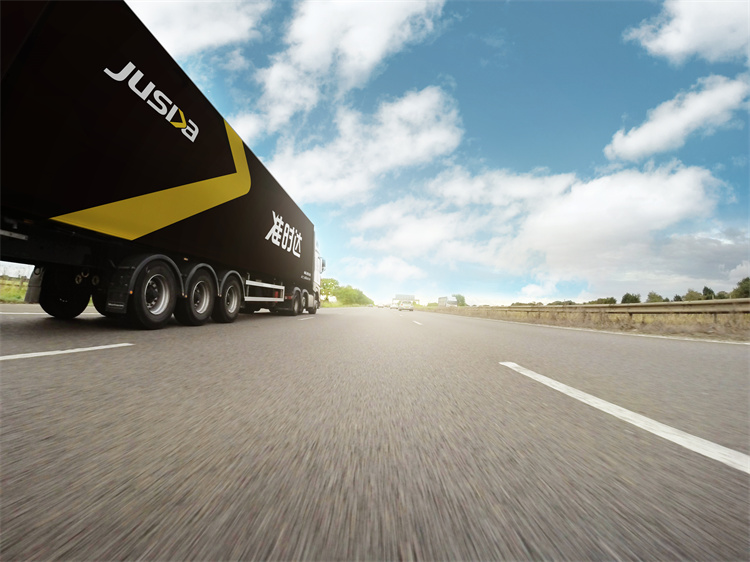
Many companies use platforms like JUSDA's JusTrade and JusLink AI Solution. These platforms use automation to make customs faster. They help teams share info right away. The impact of ai on customs is easy to see. AI can make processing times shorter. It helps companies keep up with new rules. These changes make customs clearance faster and more correct.
AI finds fraud and risky shipments.
AI checks for the right papers and codes.
AI updates rules right away to help with compliance.
IoT and Real-Time Tracking
IoT devices show where shipments are at all times. Customs officers can watch goods as they move. This helps them decide fast and use less paper. When companies use IoT, customs clearance is quicker and there are fewer delays.
Benefit | Explanation |
|---|---|
Improved Visibility | IoT devices track shipments in real time, helping customs monitor compliance. |
Reduced Paperwork | IoT data means less need for physical documents. |
Faster Decision-Making | Automated checks lead to quicker customs clearance. |
JUSDA's platforms use IoT and AI together. This gives companies better accuracy, faster work, and real-time tracking. The impact of ai on customs and IoT tools helps companies handle global trade easily.
Benefits for Global Trade
Speed and Cost Reduction
Cross-border clearance automation helps companies work faster and spend less money. Companies using automation finish customs jobs in just a few hours. Before, these jobs took days to complete. This lets them send goods on time and save money. The table below shows how automation makes things quicker and cheaper:
Benefit | Description | Impact on Speed/Cost |
|---|---|---|
Time Savings | Jobs that took days now take only hours. | Much faster work |
Cost Efficiency | Fewer delays and less paperwork mean lower costs. | Costs go down |
Enhanced Compliance | Correct data means fewer mistakes and fines. | Less money spent on fines |
Many companies notice these changes:
Customs forms are easier and get done faster.
Better logistics means shipments are not late.
Automation cuts labor costs and saves money.
Companies that use automation for data and documents clear customs faster and make fewer mistakes.
Compliance and Transparency
Automation helps companies follow rules and keep records clear. It cuts down on typing mistakes by using less manual entry. Automated systems keep a record that cannot be changed. This helps companies prove they did things right and builds trust.
Key benefits are:
Automation makes jobs faster and helps check for risks.
Rule checks make sure documents meet world standards.
Systems spot risky shipments and clear safe ones quickly.
Automation makes work easier and helps teams follow the rules.
Real-time checks help everyone stay honest.
Automated steps make audits simple and always the same.
Cross-border clearance automation gives companies what they need to work better and stay strong in global trade.
JUSDA Solutions for Cross-Border Trade
JusTrade Platform
JUSDA made the JusTrade platform to help companies move goods between countries with less trouble. JusTrade uses smart tools to make customs work faster and more correct. The platform links to company systems, so teams can share info quickly. JusTrade uses AI and big data to check papers, pick the right codes, and find risks before they slow things down. Companies have fewer mistakes and get things done faster. JusTrade also gives updates right away, so managers always know where shipments are. The platform works with many languages and money types, so it helps global businesses.
JusTrade helps big manufacturers and large companies keep their supply chains working well. The platform handles over 1.4 million import and export jobs each year. This big number shows JusTrade can handle hard customs work for big companies.
Industry Applications
JUSDA helps many industries like electronics, automotive, FMCG, and medical health. Each industry has its own customs problems. For example, electronics makers need fast customs to keep up with short product times. Automotive companies must follow strict rules for parts and safety. JusTrade gives each industry special tools and help.
A recent customer story shows how JUSDA helped a Chinese maker grow in new places. The company used JusTrade to handle customs in new markets. The platform made customs work easier and cut down on delays. This win helped the company grow in cross-border trade and reach more customers.
Overcoming Disruptions
Labor Shortages
Many companies do not have enough workers in global trade. Automation helps fix this problem. Machines and smart systems do jobs people did before. Automated customs platforms handle documents very fast. They check shipments and send updates right away. Staff do not have to wait to do these jobs. This means goods keep moving even with fewer workers. Automated systems also make fewer mistakes. Less errors mean fewer border delays. Companies save money because they need fewer people for simple jobs.
Benefit | How Automation Helps |
|---|---|
Faster Processing | Machines work without breaks |
Fewer Mistakes | Systems check for errors |
Cost Savings | Less need for extra workers |
Tip: Automation helps companies keep supply chains strong, even with less staff.
Supply Chain Resilience
Automation makes supply chains stronger during big problems. Smart systems help companies see each step. Real-time visibility lets managers track shipments and spot problems early. AI tools look at lots of data to predict delays. Companies use these tools to manage inventory better. They do not run out of stock or have too much. Automation also helps teams make quick choices when things change.
Automation makes work easier and cuts down on manual jobs.
AI predicts delays and helps with inventory.
Real-time tracking watches shipments and finds risks early.
Advanced technology gives better control and planning.
Companies using automation stay flexible. They can react to trade changes faster. This helps them keep goods moving and meet customer needs, even when the world has big problems.
Steps to Adopt Automation
Process Assessment
Businesses need to look at their customs steps. They should find tasks that take too long or cause mistakes. Teams can write down each job, like entering data or checking papers. This shows where automation can help the most. Companies should talk to workers about problems they face every day. Workers can share what slows them down. Clear goals help everyone know what success means. Some companies have trouble with unclear goals or not enough skill. Others worry about how automation will change jobs. Good planning and talking with workers can fix these problems.
Tip: Make a list of jobs and mark which ones could be faster or more correct with automation.
Technology Selection
Picking the right technology is very important. Companies should choose software that fits their needs and shows updates right away. The best tools fill out customs forms and check for mistakes. They also give updates as shipments move. The software should work with current systems like ERP or TMS. Companies must make sure the software follows all customs rules and can grow with the business. Other things to think about are:
Vendor strength and promise to new technology
Value besides cost, like help and training
Can handle lots of data
Keeps important info safe
A table can help compare choices:
Criteria | Why It Matters |
|---|---|
Real-time visibility | Teams know where shipments are |
Automated data entry | Fewer mistakes and saves time |
Integration | Works with current systems |
Compliance | Follows all customs rules |
Companies should plan for training and help. This makes workers feel ready and sure when using new tools.
JUSDA Solutions
To provide you with professional solutions and quotations.
Cross-border clearance automation helps companies trade better and stay strong when problems happen. Tools like JUSDA's JusTrade use AI and IoT to cut down on delays and mistakes. The table below shows how top companies got better results with automation:
Case Study | Key Takeaway |
|---|---|
Maersk’s Predictive Logistics | AI helps Maersk deliver on time and use less fuel by guessing port traffic. |
Alibaba’s Cross-Border E-Commerce AI | Automation does duty math and customs forms, making things easier for sellers in other countries. |
Businesses can get ready for the future of cross-border trade by doing these things: 1. Add automation tools to what they already use. 2. Make simple steps for papers and payments. 3. Keep up with new rules. 4. Team up with customs experts and tech partners. 5. Keep shipment data safe.
Automation makes customs work smoother and helps people make good choices.
Working with other countries makes trade easier and brings markets together.
Companies that use automated customs tools get faster, make fewer mistakes, and stay strong in cross-border trade.
See Also
Exploring Supplier Partnerships in Global E-commerce Strategies
Addressing Global Supply Chain Growth Issues Effectively
Enhancing Supply Chain Performance Through AI Innovations