Unlocking Global Growth with Cross-Border E-Commerce in 2025

Cross-border e-commerce changes how you sell to people worldwide in 2025. The market is now worth more than $2.4 trillion. It makes up over 31% of all online sales around the world.
You have new chances to grow your e-commerce business. But you must plan well because of competition, shipping, and rules. JUSDA and JusTrade give you tools to beat these problems and help you grow in other countries.
Key Takeaways
Cross-border e-commerce is getting bigger all over the world. It is growing very fast in Asia Pacific and new markets. This gives you big chances to grow your business.
Study your target markets carefully. Change your products, website, and payment ways to fit local needs. This helps you reach customers and make them trust you.
Use smart tools like JusTrade and JUSDA’s logistics services. These tools help with customs, shipping, and rules. They make things easy and keep your customers happy.
Cross-Border E-Commerce Trends

2025 Market Outlook
Cross-border e-commerce will grow a lot in 2025. Asia Pacific is the top region. China, India, and Southeast Asia help it grow fast. North America is also growing quickly. The United States and Canada are important here. Southeast Asia, Latin America, and the Middle East will matter more for ecommerce. Indonesia, Vietnam, Brazil, and the United Arab Emirates are growing fast. People in these countries use mobile shopping and digital payments a lot. Big platforms like Alibaba, Amazon, and Shopee help you sell in these places.
Note: Mobile commerce is getting bigger every year. By 2027, it will be worth over $3 trillion. Most cross-border e-commerce now happens on mobile devices.
Key Growth Drivers
Some trends are changing ecommerce in 2025:
AI and automation help make shopping personal and stop fraud fast.
Digital wallets and mobile payments are used for almost half of all sales.
Social commerce is growing quickly. TikTok and Instagram help people buy things fast and often from other countries.
Trust and honesty are important. Shoppers want to see reviews, influencer posts, and clear delivery rules.
Free shipping and easy returns make people buy more from other countries.
Many shoppers care about the environment. They pick eco-friendly packaging or used items.
Better logistics, like local warehouses, make shipping faster and cheaper.
You can use these trends to build trust. You can also make customers happy and grow your business in other countries.
Effective Strategies for Global Expansion
If you want to grow your e-commerce business in other countries in 2025, you need a good plan and the right tools. You must know who your customers are. Change your products to fit their needs. Use technology to stay ahead of others. The best strategies help you reach many people but also feel local. This makes your brand special in new places.
Market Research
You need strong research to do well in new markets. Start by looking at numbers and what people think. AI-powered tools help you check product demand and what your rivals do. These tools give you quick answers from data. Online surveys let you learn what customers like and how they shop. Focus groups help you hear what customers want and what they think.
Tip: Social listening tools help you watch trends and see what people say. You can also see what your rivals are doing. This helps you find new chances before others do.
A/B testing lets you try different ads or website looks. You can see which one works better. Always check what customers say and read product reviews to see what you can do better. Study your rivals by looking at what they do well and where they are weak. This helps you find places where you can do better.
Keep learning by reading news, joining webinars, and watching social media trends. Make buyer personas from your research to find the right customers. Free tools like Google Trends and social listening sites make research easy and cheap. Try your research ideas on a small group first. Keep checking your research often because things change fast in global markets.
Research Method | What It Does | Why It Matters |
|---|---|---|
AI Tools | Check demand and competition | Quick, smart choices |
Online Surveys | Learn what customers like | Know how buyers act |
Focus Groups | Find out why customers buy | Get deeper ideas |
Social Listening | Watch trends and feelings | Find new chances |
A/B Testing | Test different ideas | Make marketing better |
Competitor Analysis | Look for market gaps | Find your strong points |
Localization
Localization is more than just changing words into another language. You need to change your products, website, and ads to fit local cultures. Speak the way your customers do, even using local slang. Make your site work well for local search engines and how people shop there. Let people pay with local payment methods and show prices in their money.
Note: Most online shoppers want to buy from sites in their own language. Many will not buy if the site is not in their language.
Use local pictures, words, and colors to make your site feel familiar. Make sure you follow local laws and rules. Companies that spend on full localization often get twice as many users and grow their business by up to 30%. Every dollar spent on localization can bring back up to $25.
Use local website endings to build trust.
Give special offers and tips using local data.
Work with local influencers to look more trustworthy.
Change your design and content for each place to keep customers happy.
Localization also helps your site show up higher in search results. In busy markets, it gives you a big advantage. When your brand matches what local people want, they trust you more. This means more people buy from you and stay loyal. It helps your business grow and succeed for a long time.
International Marketplaces & Channels
Choosing Platforms
You must pick the best international marketplaces to grow in 2025. Big marketplaces like Amazon, JD.com, and Tmall let you reach many buyers. Amazon is the top choice for global sales. JD.com and Tmall are very popular in China. Walmart and Alibaba are also good for brands and makers. Many companies use these big sites and smaller ones too. This helps them find more buyers and sell special products. Social commerce sites like TikTok Shop are growing fast. They give you new ways to sell online.
Marketplace | Founded | Country of Origin | Business Model | Annual Revenue (2025 est.) |
|---|---|---|---|---|
Amazon | 1994 | United States | Multi-vendor (B2B, B2C, D2C) | |
Walmart | 1962 | United States | Omnichannel Retail (B2B, B2C) | $648.13 billion |
JD.com | 1998 | China | B2C Retail with B2B wholesale | $156.4 billion |
Alibaba | 1999 | China | B2B, B2C, C2C Retail | $134.78 billion |
When you choose a marketplace, think about these things: 1. Is the platform trusted and does it work well? 2. Does it help with shipping and customer service? 3. Are the fees clear and fair? 4. Can you get tech help and data? 5. Does it follow trade rules? 6. Can you do research and manage risks? 7. Can you keep making your channels better?
Channel Optimization
To do well on global marketplaces, you need to improve your sales channels. Connect all your sites, shops, and social media in one system. This makes it easy to track stock and fill orders fast. Use software to watch your inventory and reorder when needed. Pick partners who ship on time. Automate packing and shipping to avoid mistakes. Give fast shipping and easy returns so people trust you.
Tip: Change your product pages and support for each marketplace. Use local words and payment types to get more buyers.
Always look at your sales numbers and what customers say. Change your plan for each marketplace to see what works best. This helps your business grow and lets you reach more people around the world.
Compliance & Customs Solutions
JusTrade for Customs Clearance
Shipping products to other countries in 2025 is hard. Customs rules change all the time. The United States and Mexico have new laws for shipping and selling goods. The U.S. now makes you pay duties on more shipments. Mexico wants digital platforms to collect VAT on cross-border sales. The European Union adds new fees and rules, so compliance is harder.
Customs watch high-value products like electronics, luxury goods, and food. Almost three out of four product types now have tariffs. Delays happen a lot if paperwork is missing or wrong. You must use the right Harmonized System (HS) codes. If you make a mistake, your shipment can get stuck. You might lose money, especially with perishable goods. Fuel prices and currency rates keep changing, so costs are hard to control.
JusTrade is JUSDA’s smart customs clearance platform. It helps you fix these problems. The platform uses AI and big data to handle customs paperwork. It classifies products and tracks shipments in real time. You get one dashboard to see all your customs work. JusTrade connects with your ERP system, so you do not enter data twice. The platform works in many languages and currencies. This makes it easy for teams around the world.
With JusTrade, you can:
Automate customs declarations and cut down on mistakes.
Get quick updates on your shipment and customs status.
Use smart tools to classify products and figure out tariffs.
Get expert help for tough rules and paperwork.
Move shipments faster with bonded area express and cross-border logistics.
JusTrade’s team has over 500 customs experts in almost 20 countries. You can trust JusTrade to keep your shipments moving and help your business grow.
Tip: Always check your product classification and paperwork before you ship. JusTrade’s platform makes this step faster and more correct.
Regulatory Best Practices
You need a strong plan to handle global compliance. Rules change fast, and every country has its own laws. You must keep up with new tax rules, data protection, and customer rights. Here are some best practices to help you do well:
Stay Agile
Use flexible methods to change fast when rules or feedback change. Update your process to stay ahead.Localize Content and Payments
Add correct hreflang tags and local content to your website. Let people pay in their own money with payment methods they know.Comply with Data and Privacy Laws
Follow laws like GDPR. Use safe payment gateways and protect customer data. Store data where local laws say you must.Understand Tariffs and Trade Agreements
Learn about tariffs and trade deals in each country. Use the right HS codes and keep up with duty rate changes.Build Strong Documentation
Give clear invoices, shipment details, and proof you follow the rules. This helps you avoid customs delays and fines.Invest in Technology
Use platforms like JusTrade to handle compliance, taxes, and customer data. Technology helps you track shipments and manage returns.Offer Excellent Customer Service
Give support in many languages. Make returns and exchanges easy for customers in other countries.Work with Local Experts
Hire local advisors or customs brokers. They help you understand local laws and avoid mistakes.Monitor Costs and Risks
Watch for higher fuel prices, currency changes, and new fees. Change your prices and shipping to protect your profits.Develop a Compliance Program
Make clear rules for returns, customer support, and stopping fraud. Make sure your team knows and follows the rules.
Note: Many ecommerce companies now use compliance platforms and customs brokers. They help with pre-clearance, correct HS code use, and paperwork. This cuts delays and keeps shipments moving.
If you follow these best practices and use tools like JusTrade, you can handle customs and compliance with confidence. You will keep your shipments moving, avoid costly mistakes, and build trust with customers everywhere.
Logistics & Supply Chain by JUSDA
Smart Logistics
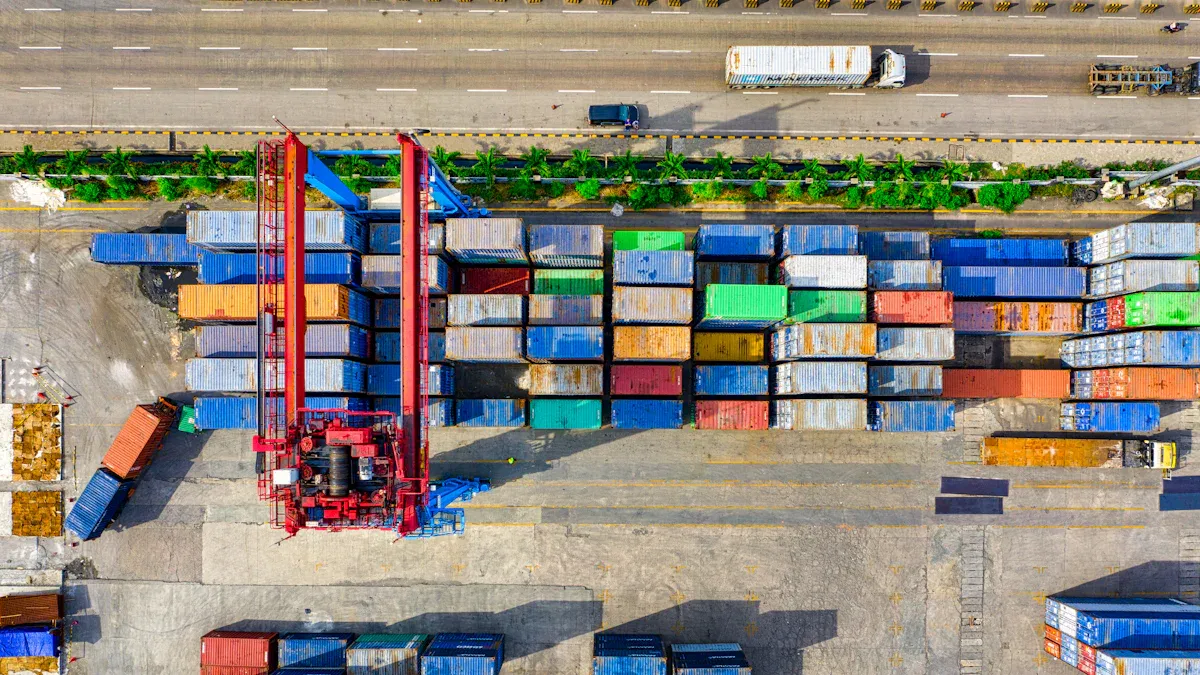
You need a logistics partner who works fast for global ecommerce. JUSDA has a big network for air, sea, rail, and road shipping. You can track your packages in real time and see updates. Predictive analytics help you know where your shipments are. JUSDA uses AI platforms like JusLink to manage your supply chain. This helps you make fewer mistakes and deliver faster. It also saves you money.
JUSDA uses rail, road, and sea together for flexible shipping.
They look for new trade routes in Southeast Asia and the Middle Corridor to stop delays.
Digital tools give you quick updates and help you plan for risks.
JUSDA changes fast when the market or world events change.
JUSDA’s smart logistics help you ship fast and on time, no matter where your customers live.
Logistics Challenge | JUSDA’s Solution |
|---|---|
Fast, global delivery | End-to-end logistics network, exclusive air freight |
Regulatory complexity | Digital compliance and customs integration |
Sustainability | Greener rail routes, digital twins |
Supply chain resilience | Multimodal transport, global partnerships |
Real-time transparency | Integrated tracking and order updates |
Inventory & Returns
It can be hard to manage inventory and returns in many countries. JUSDA helps you keep your stock right and makes returns easy. Their AI system tracks products in real time and tells you when to restock. Warehouse automation cuts mistakes and speeds up orders.
Save money by managing shipping, labor, and refunds.
Use clear product info to lower return rates.
Sync your inventory data on all sales channels.
Make smart return rules, like restocking fees, to control costs.
You can set up local return centers in important markets. This makes returns faster and cheaper for your customers. JUSDA’s tech gives you clear updates and helps you find problems early. You build trust with buyers and keep your business running well.
Avoiding Common Pitfalls
Localization Mistakes
Localization is more than just changing words. Some businesses copy content exactly. This can confuse people or even upset them. You need to change your website and ads for each culture. Using the wrong colors or pictures can hurt your brand. Some companies forget to update SEO keywords for each country. This makes it hard for local shoppers to find you online. You should also change payment and shipping choices for each place. If you do not offer local payment options, many buyers will leave. In Brazil, people want to use Boleto Bancário to pay. Not knowing about local holidays or sales events can make your ads weak. Always check your design, fonts, and layout for every language. Some languages read from right to left, so your site must change.
Tip: Work with local experts or partners. They help you avoid cultural mistakes and build trust with new customers.
Operational Complexity
Selling to other countries is not easy. You must handle different shipping routes and customs rules. Returns are also harder to manage. Dealing with many currencies and payment risks makes things tricky. Each country has its own taxes and laws. If you do not show all costs, customers may get surprise fees at checkout.
Here is a table showing common operational challenges and solutions:
Challenge | Solution |
|---|---|
Diverse customer preferences | Localize marketing and support |
Complex logistics and returns | Use third-party logistics providers |
Multiple currencies and payments | Offer dynamic currency conversion |
Show full costs at checkout | |
Legal and compliance requirements | Use automated compliance tools |
Tech integration | Choose platforms with global capabilities |
You can lower risks by using digital tools for tracking and payment safety. Good logistics partners help you avoid delays and keep customers happy.
To do well in cross-border e-commerce, you need to do a few things. First, learn about the markets you want to sell in. Change your plan for each place so it fits local needs. Next, use smart tools to keep track of your products and shipping. This helps you send orders fast and not run out of stock. Pick the best online marketplaces for your business. Get help from experts to follow all the rules. JUSDA and JusTrade make it easier to grow, work better, and sell to people all over the world.
See Also
How Supply Chain Transparency Drives Success In Worldwide E-commerce
Revealing New Approaches To Supplier Partnerships In International E-commerce
Achieving Cross-Border Trade Success Through JUSDA’s Expertise
Overcoming Challenges Of Supply Chain Growth In A Global Economy
Discover If Your Supply Chain Is Prepared For Digital Transformation