Trends in Digital Integration for Supply Chains 2025


Digital integration is transforming supply chains into agile, efficient systems. By 2025, technologies like AI, IoT, and blockchain will enhance visibility and decision-making. Connectivity in supply chains ensures seamless data flow, reducing errors and improving resilience. The logistics industry must embrace these advancements to stay competitive and navigate growing complexities effectively.
Key Takeaways
Use tools like AI, IoT, and blockchain to see and manage supply chains better.
Make a digital plan to match supply chain work with business goals for smoother operations.
Solve problems like high costs and data safety by using flexible tools and strong data rules.
Key Technologies Driving Digital Integration
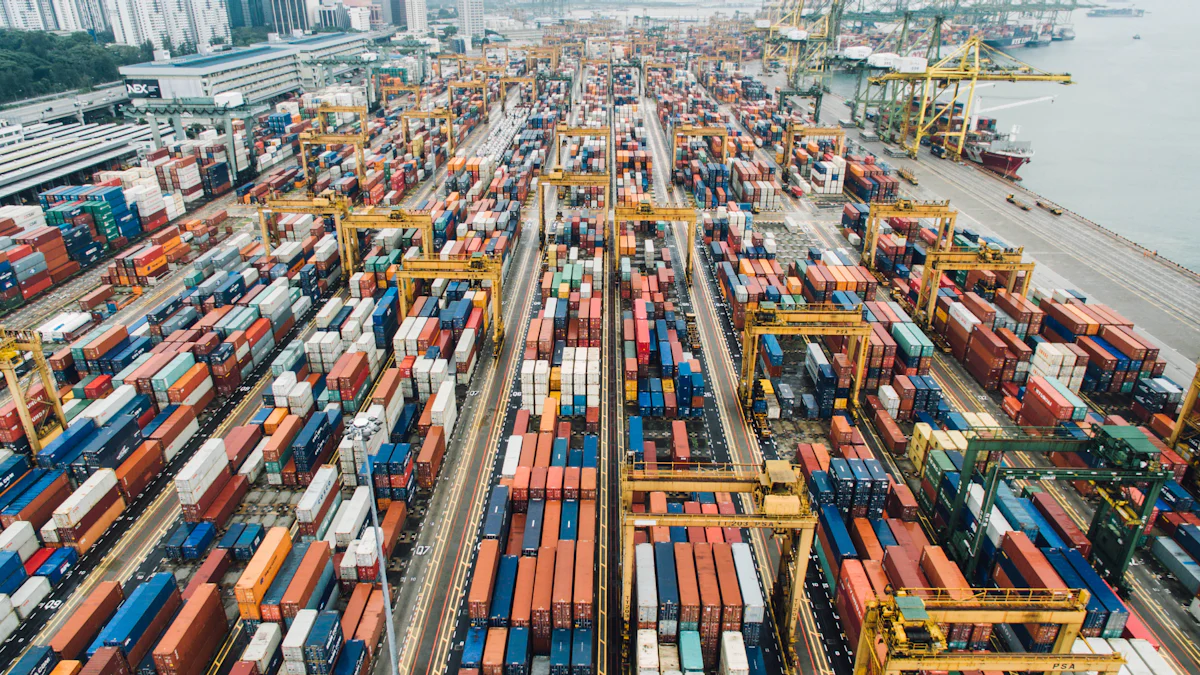
Artificial Intelligence (AI) in Supply Chain Management
Artificial intelligence is revolutionizing supply chain management by automating processes and improving decision-making. You can use AI to optimize warehouse layouts, which speeds up inventory handling and reduces operating costs. AI also enhances inventory tracking and forecasting, ensuring you maintain the right stock levels. Predictive analytics for demand forecasting, powered by AI, helps you anticipate market trends and adjust operations accordingly. Companies like Zara and Walmart have already implemented AI to streamline order fulfillment and reduce waste. AI simulations allow you to test logistics strategies without disrupting real operations, while its safety monitoring capabilities protect workers and materials.
Internet of Things (IoT) for Enhanced Connectivity in Supply Chains
IoT devices provide real-time visibility into your supply chain. GPS trackers and RFID tags help you monitor the location and condition of goods, ensuring timely deliveries. Smart shelves and temperature sensors improve inventory management and traceability. IoT-enabled systems allow you to respond quickly to disruptions, enhancing supply chain agility. Wearables and automated guided vehicles further streamline operations, making your logistics more efficient.
Blockchain for Secure and Transparent Operations
Blockchain for transparency ensures secure and tamper-proof supply chain operations. It creates a decentralized ledger that connects stakeholders, reducing errors and disputes. Smart contracts streamline payments, eliminating intermediaries. Companies like Walmart and Nestle use blockchain to enhance traceability and food safety. By integrating blockchain with IoT and AI, you can achieve seamless data integration and improve supply chain management.
Cloud Computing for a Connected Enterprise
Cloud-based integration enhances collaboration and scalability in supply chain management. Real-time data updates improve decision-making and transparency. Cloud solutions automate procurement processes, reducing costs and inefficiencies. They also enable quick adjustments to production schedules, ensuring you stay agile. Centralized platforms foster teamwork across locations, while advanced analytics provide actionable insights.
Robotics and Automation in the Logistics Industry
Robotics and automation transform logistics by increasing productivity and accuracy. Robots handle tasks like unloading, picking, and packing, reducing labor costs and risks. Autonomous robots enhance flexibility in order fulfillment, while stationary robots improve speed and precision. Automated packaging systems boost production quality. Companies adopting robotics save time and resources, making their supply chains more efficient.
Challenges in Achieving Digital Integration
Overcoming High Costs of Digital Integration
Digital integration often requires significant financial investment. For small and medium businesses, high initial costs can pose a major challenge. Budget constraints make it difficult to adopt advanced technologies like AI or IoT. You may also face ongoing expenses for system maintenance and upgrades. To address this, consider scalable solutions that allow gradual implementation. Cloud-based platforms, for example, reduce upfront costs by offering subscription models. By prioritizing cost-effective tools, you can achieve digital transformation without overextending your resources.
Addressing Data Security and Privacy Concerns
Data security is a critical aspect of digital supply chain management. Cybersecurity threats, such as ransomware and phishing, can compromise sensitive information. Collaborating with third-party vendors adds another layer of risk if their security measures are inadequate. To protect your data, implement robust measures like encryption and multi-factor authentication. Conduct regular risk assessments to identify vulnerabilities. Training your workforce on cybersecurity best practices also minimizes insider threats. These steps ensure your data integration processes remain secure and compliant with regulations.
Managing Resistance to Change in the Workforce
Resistance to change is a common hurdle in digital transformation. Employees may feel overwhelmed by new tools or fear job displacement. This can lead to low adoption rates and underutilized technology. To overcome this, focus on clear communication and training. Set realistic timelines for implementation and provide hands-on learning opportunities. Offering incentives can motivate employees to embrace new systems. By addressing their concerns, you foster a culture of innovation and collaboration.
Integrating Legacy Systems with Modern Technologies
Legacy systems often lack the flexibility needed for modern supply chain management. They may not scale efficiently or integrate seamlessly with new technologies. Custom coding is frequently required, which increases costs and delays. Outdated systems also pose security risks, making them prime targets for cyberattacks. To tackle these challenges, evaluate your existing infrastructure and identify areas for optimization. Gradual upgrades and the use of middleware solutions can bridge the gap between old and new systems.
Handling Data Overload and Ensuring Data Quality
Digital supply chains generate vast amounts of data, which can overwhelm your systems if not managed properly. Poor data quality leads to inaccurate insights and inefficient decision-making. To handle this, adopt AI-driven analytics tools that process large datasets efficiently. Centralizing data storage improves accessibility and organization. Establishing measurable goals for data quality ensures consistency and relevance. By streamlining your data management processes, you can unlock the full potential of digital integration.
Strategies for Successful Digital Integration
Developing a Digital Roadmap for Supply Chain Management
A well-structured digital roadmap ensures your supply chain management aligns with your business goals. Start by defining a clear vision that reflects your enterprise objectives. Set realistic goals and timelines to guide your digital transformation strategy. Build a unified platform that provides end-to-end visibility and access to real-time data. This approach allows you to track operations, automate manual tasks, and foster collaboration among stakeholders. By following this roadmap, you can achieve seamless integration of processes and improve decision-making across your supply chain.
Leveraging Scalable Solutions like JusLink
Scalable solutions like JusLink simplify the integration of data, devices, and processes in your digital supply chain. JusLink offers tools such as AI-driven forecasting and intelligent risk management, which adapt to your business needs. Its microservices architecture allows you to customize features, ensuring flexibility as your operations grow. By adopting scalable platforms, you can enhance efficiency and maintain agility in a connected enterprise.
Fostering Innovation and Collaboration Across the Connected Enterprise
Encouraging innovation and teamwork strengthens your digital integration efforts. Involve end users during the implementation process to ensure the system meets their needs. Promote a culture of experimentation where teams can learn from both successes and failures. Celebrate milestones to boost morale and foster a positive environment. These practices improve collaboration and ensure your connected enterprise thrives.
Ensuring Robust Data Management and Governance
Effective data governance is essential for a successful digital supply chain. Establish clear guidelines on how data is defined, shared, and accessed within your organization and with external partners. Collaborate with stakeholders to plan policies, assess risks, and track compliance metrics. Use centralized systems to provide visibility into expenditures and streamline reporting. These measures ensure the integration of data remains secure and consistent.
Partnering with Industry Leaders like JUSDA for Digital Integration
Collaborating with industry leaders like JUSDA accelerates your digital transformation strategy. JUSDA’s expertise in supply chain management and its innovative solutions, such as JusLink, provide you with the tools needed for seamless integration. Their global network and advanced technologies ensure your operations remain efficient and competitive. Partnering with JUSDA positions your business for success in a rapidly evolving digital landscape.
The Role of JUSDA and JusLink in Digital Integration

How JusLink Enhances Connectivity in Supply Chains
JusLink strengthens connectivity across supply chains by acting as a central hub for data, devices, and processes. Its advanced features, such as AI-driven forecasting and automated management, allow you to monitor operations with precision. The platform’s real-time tracking capabilities ensure you always know the location and condition of goods. This visibility helps you respond quickly to disruptions, reducing delays and losses. JusLink also supports connected enterprises by integrating data from multiple stakeholders, creating a seamless flow of information. With its microservices architecture, you can customize the platform to meet your specific needs, ensuring flexibility as your business grows.
JUSDA’s Contribution to the Logistics Industry Through Innovation
JUSDA has revolutionized the logistics industry by introducing cutting-edge technologies that enhance efficiency and collaboration. Its solutions, like JusLink, provide tools for real-time tracking, inventory optimization, and risk management. These innovations help you streamline operations and reduce costs. JUSDA’s global network of service points and warehouses ensures reliable support for connected enterprises. By leveraging AI, IoT, and blockchain, JUSDA enables you to achieve transparency and agility in supply chain management. This commitment to innovation positions JUSDA as a leader in the logistics industry, helping businesses stay competitive in a rapidly evolving market.
Real-World Applications of JusLink in Supply Chain Management
JusLink has proven its value in real-world scenarios by solving complex supply chain challenges. For example, it helps manufacturers manage global procurement and transportation with real-time tracking tools. These features ensure timely deliveries and reduce inventory costs. Companies like Sharp have used JusLink to optimize logistics operations, achieving significant cost savings and faster order processing. The platform’s ability to integrate with existing systems makes it ideal for connected enterprises. By adopting JusLink, you can enhance visibility, improve decision-making, and maintain a competitive edge in supply chain management.

After the update
Supply Chain Management Solution
Digital integration is reshaping supply chains, with trends like AI, IoT, and robust data management driving transformation. Challenges such as high costs and legacy system integration require strategic planning. Proactively adopting digital strategies enhances visibility, fosters collaboration, and improves decision-making. JUSDA and JusLink empower your connected enterprise with scalable solutions, ensuring competitiveness in 2025 and beyond.
See Also
Exploring 5 Key Trends For Supply Chain Efficiency
How Digital Twins Are Shaping Supply Chain Management
AI Integration Insights For Tomorrow's Supply Chain
Can Digital Twins Revolutionize Supply Chain Optimization?
Is Your Supply Chain Prepared For The Digital Transformation?