Digital Transformation in Czech Manufacturing and its impact on Supply Chain Excellence leveraging Industry 4.0


Digital transformation, powered by Industry 4.0, is rapidly changing the landscape of Czech manufacturing supply chains. Czech manufacturers recognize the need for innovation, with 70% reporting reasons for digitization and 23% already seeing benefits such as faster communication and better information sharing.
Supply chain excellence gives Czech companies a strong position in the global market. Stable conditions, skilled teams, and advanced infrastructure support efficient logistics and growth. Real-world solutions, like those provided by JUSDA, show how technology can drive measurable improvements.
Key Takeaways
Czech manufacturers improve supply chains by using Industry 4.0 technologies, which lower costs, reduce waste, and increase production capacity by up to 20%.
Digital tools like IoT, AI, blockchain, and automation help companies track products in real time, predict problems, and make faster, smarter decisions.
Challenges such as skills gaps, outdated equipment, and change management slow digital adoption, but training and partnerships help overcome these issues.
Smart logistics solutions from companies like JUSDA boost efficiency by reducing manual work, cutting inventory costs, and speeding up order processing.
Future trends focus on sustainability, real-time data, and employee training with new technologies to build more agile, transparent, and competitive supply chains.
Impact on Supply Chains
Direct Benefits
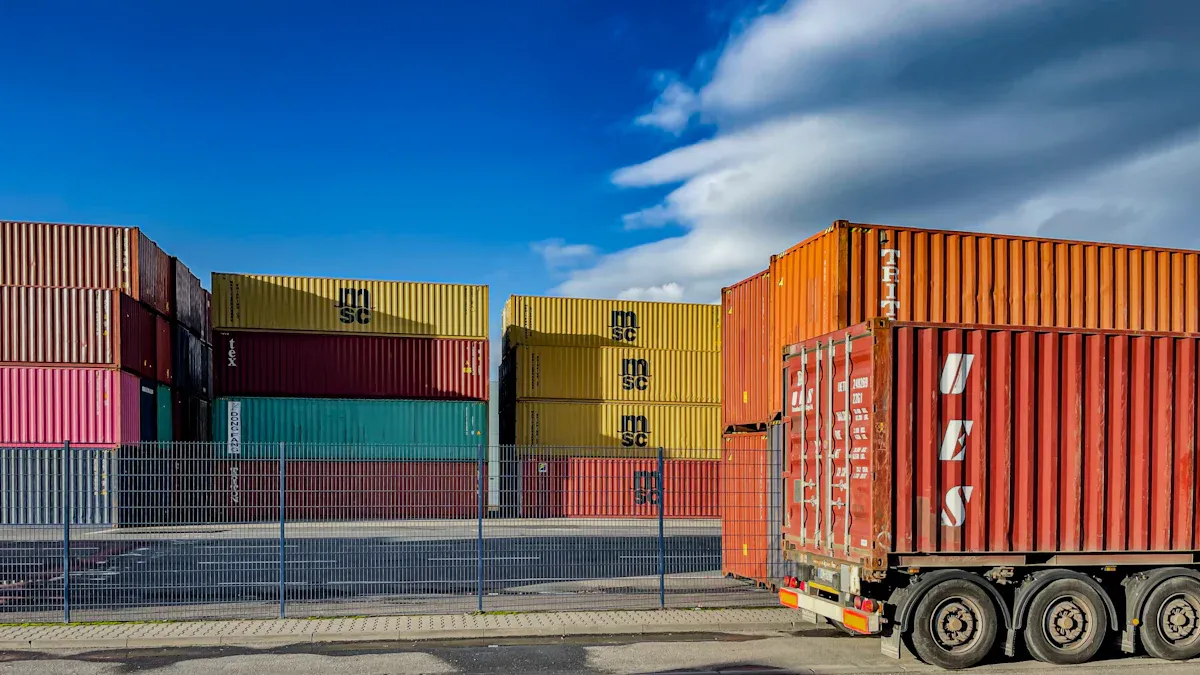
Czech manufacturers have experienced significant improvements after adopting Industry 4.0 technologies in their supply chains. These advancements have led to lower production costs and reduced material consumption, which helps companies minimize waste. Many manufacturers have seen production capacity grow by up to 20%. Data-driven technologies and automation have increased production accuracy and repeatability, supporting higher product quality.
Reduced production costs
Lower material consumption and waste
Increased production capacity (up to 20% growth)
Improved accuracy and repeatability
Enhanced after-sales and pre-sales services through better customer behavior prediction
Greater yield and part size consistency
Continuous automatic production from raw material to finished product
Less manual intervention due to automation and real-time process monitoring
Optimized production processes with predictive maintenance and data-driven decision-making
These benefits allow Czech manufacturers to operate more efficiently and flexibly. Companies can produce different series sizes and maintain high competitiveness in the global market. Real-time monitoring and predictive analytics help teams respond quickly to changes, ensuring stable operations and better long-term results.
Czech supply chains now rely on automation and smart technologies to deliver consistent quality and faster service. This shift supports growth and strengthens the position of Czech manufacturing in international trade.
Key Drivers
Several factors motivate Czech manufacturers to pursue Digital Transformation in their supply chains. Improving customer interfaces and responding to changing demands remain top priorities. Companies seek to extend and integrate their value chains, both backward and forward, to gain competitive advantages. The shift toward manufacturing-as-a-service (MaaS) models helps address challenges such as smaller batch sizes, shorter lead times, and skills shortages.
Optimize resources and lower costs using automated inventory management and predictive analytics
Enhance decision-making with real-time data and AI-driven insights
Improve efficiency by automating repetitive tasks with AI, robotics, and IoT
Achieve full transparency and visibility across the supply chain using IoT sensors and tracking tools
Increase customer satisfaction and maintain competitiveness in a rapidly evolving market
Regulatory requirements and customer expectations also play a major role. Manufacturers must meet demands for customization, responsiveness, and user-friendly interfaces. Digital solutions improve connectivity and transparency, making it easier to track products and provide proactive services like preventive maintenance. Sustainability regulations, especially those related to greenhouse gas emissions, push companies to monitor energy use and automate processes to reduce CO2 output.
Training and skill development have become essential. Employees need new capabilities to work with advanced digital systems. Standardization and automated decision-making help companies innovate and stay compliant with regulations. Manufacturers now bundle hardware, software, and services to create new business models and customer interfaces. The competitive landscape continues to evolve as cloud platforms and increased data access disrupt traditional relationships.
Czech manufacturers invest in Digital Transformation to meet customer needs, comply with regulations, and stay ahead in a fast-changing market. These drivers ensure supply chains remain efficient, transparent, and adaptable.
Czech Manufacturing Overview
Industry Landscape
Czech manufacturing stands as a pillar of the national economy. The sector, combined with construction, accounts for about 36% of the country’s economic activity. The automotive industry alone contributes roughly 10% of the Czech Republic’s GDP. The nation ranks among the most industrialized in its region, supported by strong foreign investment, including around $5 billion from the United States as of 2022.
Central Europe, with the Czech Republic at its core, has become a major hub for Western European manufacturing. Lower labor costs, favorable tax policies, and improvements in research and development have fueled this growth. The Czech industrial sector’s share of gross value added surpasses that of many EU countries, reflecting modernization and significant foreign investment.
In 2022, manufacturing employed 30.9% of the Czech workforce, the highest among all sectors.
The country maintains a high labor force participation rate (about 75.1% in 2023) and a low unemployment rate (around 2.1-2.3% pre-pandemic).
High-tech and machinery sectors drive manufacturing, supported by export demand and ongoing technological progress.
Manufacturing Segment | Market Share / Value-Added | Employment Share (%) |
|---|---|---|
Automotive Production | Over 20% of manufacturing value-added | 13.7 |
Metal Products | N/A | 14.8 |
Machinery Production | N/A | 10 |
The automotive sector, with companies like Škoda Auto, Hyundai, and Toyota, leads the industry. Medium- and high-tech industries make up 52% of manufacturing value-added, well above the EU27 average.
Czech exports remain strong, especially in automobiles, furniture, and electrical appliances. Most exports go to European countries, mainly Germany. Industrial production has grown modestly, with some recent slowdowns. Demand for logistics and industrial space continues to rise, reflecting changes in supply chain strategies and international trade.
Digital Adoption
Czech manufacturers invest in software, data, and business process improvements. However, many small and older firms hesitate to adopt digital technologies. Barriers include less advanced management skills, labor market and business regulations, and limited access to external finance. Firms also face challenges retrofitting old equipment and finding ready-made digital solutions.
Many small and older firms do not invest in digital technologies.
Barriers include management skills, regulations, and lack of finance.
Lack of ready-made digital solutions slows progress.
Despite these challenges, Czech firms continue to modernize. The country’s manufacturing sector remains competitive, driven by export demand, skilled labor, and ongoing investments in technology.
Digital Transformation Technologies
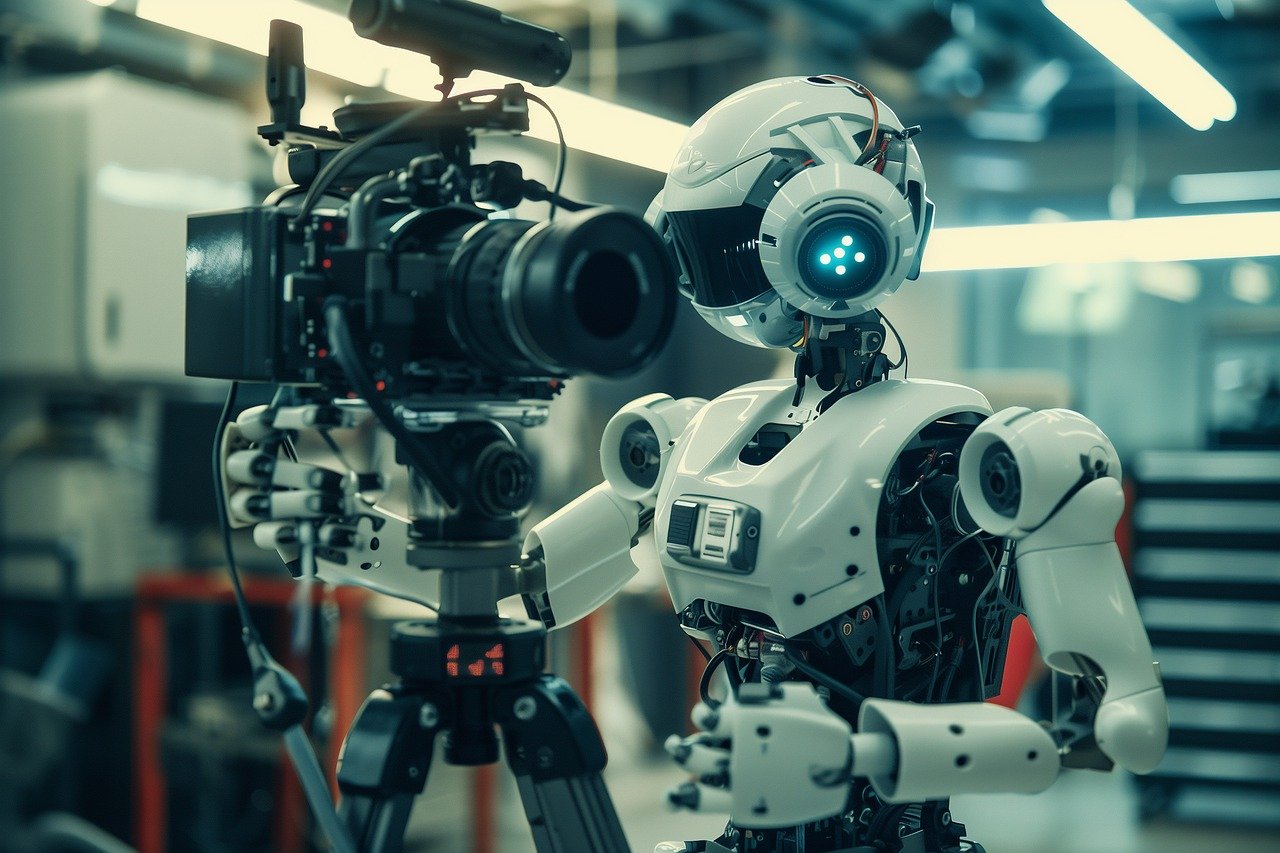
Industry 4.0 technologies are changing how Czech manufacturers manage their supply chains. Digital Transformation brings new tools that help companies work faster, smarter, and more sustainably. These technologies connect machines, people, and data, making it easier to track products, predict problems, and improve every step of the supply chain.
IoT and Connectivity
IoT (Internet of Things) connects devices like sensors, RFID tags, and GPS trackers to digital systems. This allows real-time tracking of goods and equipment. Czech manufacturers use IoT to:
Gain real-time visibility of goods and conditions
Support predictive maintenance and reduce downtime
Lower inventory costs by up to 15%
Improve transparency by 92%
Local companies and research centers develop IoT solutions tailored for Czech supply chains. Networks like Sigfox and LoRa help connect devices even in hard-to-reach places. These systems make sure that information flows smoothly, helping businesses make better decisions.
Improvement Metric | Measurable Result |
|---|---|
Downtime Reduction | |
Maintenance Cost Savings | Up to 40% lower costs |
Equipment Lifespan | 20% longer lifespan |
AI and Analytics
AI and analytics help manufacturers understand data and make smart choices. Companies use AI to:
Plan inventory to avoid shortages or excess stock
Predict equipment failures before they happen
Optimize delivery routes using real-time data
A Czech packaging company used AI to cut quote preparation time from days to seconds, reaching 96% accuracy. AI-driven systems also help teams work together, break down data silos, and respond quickly to changes in the market.
Blockchain
Blockchain technology creates a secure, shared record of every step in the supply chain. It helps Czech manufacturers:
Track products from raw materials to customers
Ensure data cannot be changed or faked
Improve compliance with regulations
Reduce risks of counterfeiting
Blockchain works with IoT to give real-time updates on product location and condition. It also supports sustainability by making it easier to audit and prove responsible practices.
Automation
Automation uses machines and software to handle repetitive tasks. Czech manufacturers adopt technologies like automated storage systems, guided vehicles, and robotic assembly lines. Automation helps:
Boost productivity and reduce labor shortages
Lower operational costs
Allow workers to focus on higher-value tasks
Digital Transformation through automation makes factories more flexible and efficient. Companies can quickly adjust to new orders and keep quality high.
Digital Transformation with Industry 4.0 technologies gives Czech manufacturers the tools to build smarter, more resilient supply chains.
JUSDA in Practice
Smart Logistics Solutions
JUSDA delivers smart logistics solutions that help manufacturers manage complex supply chains. The company uses advanced technology to connect every part of the supply chain. IoT sensors track goods in real time. AI systems predict demand and help plan shipments. Blockchain keeps records safe and easy to check. JUSDA’s cloud platform lets teams share information quickly and make better decisions. These tools help companies lower costs, reduce errors, and improve delivery times.
JUSDA’s smart logistics solutions give manufacturers more control and visibility. Teams can spot problems early and fix them before they grow.
Case Study: JUSDA Platform
A leading electronics manufacturer faced challenges with global supply chain complexity. JUSDA introduced its Supply Chain Management Collaboration Platform. This platform uses AI to forecast demand and manage schedules. Blockchain technology tracks products from start to finish. Cloud computing connects different systems, like ERP and warehouse management, into one place. The platform also uses big data to give real-time updates on shipments and inventory. With these tools, the manufacturer improved coordination and reduced manual work.
AI forecasts demand and delivery needs.
Blockchain secures product tracking.
Cloud connects all supply chain systems.
Big data gives real-time updates.
Measurable Results
JUSDA’s platform brought clear results for its customers. Companies saw faster order processing and fewer mistakes. Inventory costs dropped because teams could see stock levels in real time. Manual handling went down, which saved time and money. The platform also improved transparency, making it easier to follow products through every step.
Benefit | Improvement |
|---|---|
Order Processing Speed | Up to 30% faster |
Inventory Costs | Up to 20% lower |
Manual Handling | 40% less |
Data Accuracy | 99% reliability |
Digital Transformation with JUSDA helps manufacturers stay competitive and ready for future challenges.
JUSDA Solutions
To provide you with professional solutions and quotations.
Challenges and Solutions
Skills Gap
Czech manufacturers face a growing skills gap as technology changes quickly. Many companies struggle to find workers with the right digital skills. The rapid pace of innovation makes it hard to predict what skills will be needed next. Traditional hiring methods do not attract enough digital talent. Companies often lack digital leaders at the board level, which limits focus on new technology. Small and medium enterprises (SMEs) have even more trouble because they cannot invest as much in training.
Shortage of experts in big data, AI, and robotics
Difficulty recruiting talent for digital roles
Disconnect between digital strategies and hiring plans
Less than two-thirds of digital leaders sit on company boards
SMEs need more support and investment
Many companies have not updated their people strategies to match their digital goals. This gap slows down progress and makes it harder to compete globally.
Infrastructure
Modern supply chains need strong digital infrastructure. Some Czech manufacturers still use old equipment that does not connect well with new systems. Upgrading machines and software takes time and money. Smaller firms often lack the funds to invest in new technology. Reliable internet and secure data networks are also important for real-time tracking and automation.
A table shows common infrastructure challenges:
Challenge | Impact |
|---|---|
Outdated equipment | Limits automation |
High upgrade costs | Slows technology adoption |
Weak data networks | Reduces supply chain visibility |
Limited IT support | Increases downtime |
Change Management
Adopting new technology requires more than just buying equipment. Employees must learn new skills and adapt to different ways of working. Some workers worry about job security when automation increases. Leaders need to communicate clearly and support teams during transitions. Without strong change management, projects can fail or face delays.
Clear communication and ongoing training help teams adjust to new systems. Support from leadership builds trust and reduces resistance.
Strategies
Czech manufacturers use several strategies to overcome these challenges:
Partner with schools and training centers to develop digital skills.
Work with government and industry groups to support SMEs.
Invest in upskilling and reskilling current employees.
Bring digital leaders onto company boards for better strategy.
Use multi-stakeholder partnerships to share knowledge and resources.
These steps help companies close the skills gap, improve infrastructure, and manage change. By working together, businesses can build stronger, more flexible supply chains.
Future Outlook
Trends
Czech manufacturing supply chains continue to evolve as new technologies emerge. Companies now use digital twins to simulate and optimize their operations. This approach helps teams test changes before making them in real life, saving time and money. Manufacturers also focus on sustainability. IoT and blockchain make it easier to track energy use and reduce waste. These tools help companies meet environmental goals and prove responsible practices.
Supply chain resilience grows stronger with real-time data visibility. Blockchain allows teams to see every step in the supply chain, making it easier to spot problems and prevent fraud. Remote monitoring and predictive maintenance keep machines running smoothly. IoT sensors and cloud computing help teams fix issues before they cause downtime. Employee training uses VR and AR to prepare workers for new digital tools. These trends point to a future where Czech supply chains are more agile, transparent, and sustainable.
Operational excellence remains the foundation for successful technology adoption. Integrated Work Systems (IWS) ensure consistent, defect-free production. Companies like Procter & Gamble show that strong operating procedures make digital investments more effective and scalable.
Digital Transformation drives supply chain excellence in Czech manufacturing. Companies that embrace Industry 4.0 and adopt solutions from leaders like JUSDA gain a clear edge in efficiency and global competitiveness. They see faster processes, better data, and stronger results. Czech manufacturers should invest in new technology, train their teams, and keep improving. Continuous innovation ensures long-term success in a changing market.
FAQ
What is Industry 4.0 in Czech manufacturing?
Industry 4.0 uses smart technology like IoT, AI, and automation in factories. Czech manufacturers use these tools to improve production, reduce waste, and make supply chains faster and more reliable.
How does digital transformation improve supply chain performance?
Digital transformation connects machines, people, and data. It helps teams track products, predict problems, and make better decisions. Companies see faster deliveries, fewer mistakes, and lower costs.
What challenges do Czech manufacturers face with digital adoption?
Many companies struggle with old equipment, limited digital skills, and high upgrade costs. Small businesses often need more support and training to keep up with new technology.
How does JUSDA help manufacturers achieve supply chain excellence?
JUSDA provides smart logistics solutions using IoT, AI, and blockchain. Their platform gives real-time updates, reduces manual work, and improves accuracy. Manufacturers gain better control, lower costs, and faster order processing.
See Also
How Digital Twin Technology Transforms Supply Chain Operations
Collaborative Innovation To Strengthen Supplier Bonds In Manufacturing
Cloud-Based Supply Chain Systems Revolutionizing Various Industry Sectors
Improving Supply Chain Challenges With Advanced Manufacturing Solutions
Adapting Supply Chains Successfully To Technology-Driven Transformations