Digital Twin Supply Chain Optimization: Virtual Simulation for Smart and Efficient Logistics Management

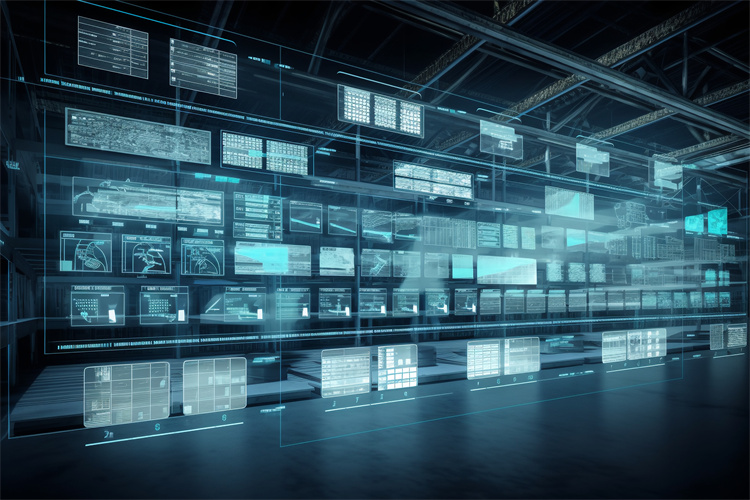
You can now see big changes in supply chain management. Companies are switching from manual work to smart, data-based modeling. Digital twin technology helps you make a virtual copy of your supply chain. This system updates right away and lets you try ideas before making changes. Studies show digital twin models make demand forecasting 40% more accurate. They also help companies react to problems 30% faster. The global market for this technology was $2.8 billion in 2023 and will grow fast. JUSDA is leading this change by focusing on new ideas and working better.
Key Takeaways
Digital twin technology makes virtual copies of supply chains. This helps companies guess demand better by 40%. It also helps them fix problems 30% faster.
When companies use digital twins, they can try out ideas safely. They can make things work better without stopping real work.
Digital twins use real-time data to give more information. This helps people find problems early. It also helps them make better choices in supply chain management.
Digital Twin Technology in Supply Chain
What Are Digital Twins in Supply Chain
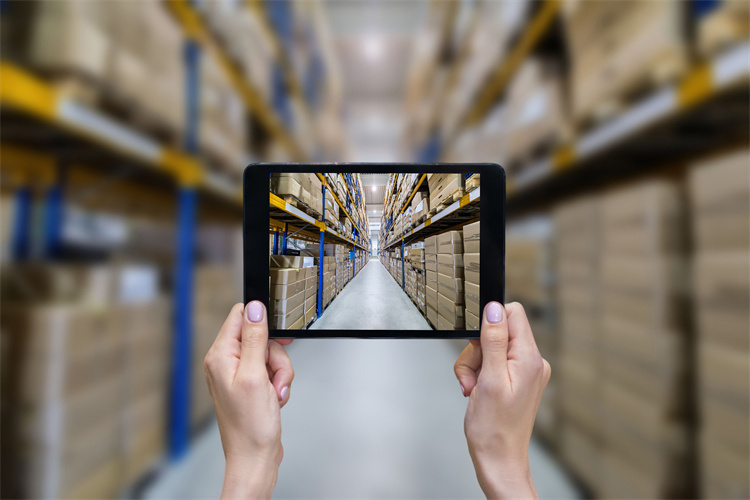
Digital twins in supply chain are smart, virtual copies of real systems. They use sensors and data to watch what happens in places like warehouses and trucks. These twins collect things like temperature, location, and how much stuff you have. This helps you know what is happening now and guess what might happen next.
There are four main types of digital twin technology. These are Component Twins, Product or Asset Twins, System Twins, and Process Twins. Each type helps in a special way. Component Twins look at single parts. Process Twins look at the whole supply chain. When you use all four, you see everything in your supply chain. This helps you fix things, work better, and try new ideas without stopping your work.
A digital twin has three big parts. The first part is the real thing, like a warehouse or truck. The second part is the virtual model, which is software that copies the real thing. The third part is the link between them. This link uses IoT devices and cloud computing to send data both ways. The digital twin learns from this and updates itself. You can see everything in your supply chain and track it from start to finish.
JUSDA’s JusLink platform uses digital twins to connect all parts of your supply chain. You can follow goods from the factory to the customer. JUSDA’s warehouses in China, Vietnam, and the United States use digital twins to manage inventory right away. You can check stock, follow shipments, and find problems before they get big. This helps you make smart choices and keep your supply chain working well.
Tip: Digital twins in supply chain help you deal with changes, find risks early, and keep customers happy.
How Virtual Simulation Works
Virtual simulation lets you test ideas before you change things in real life. You can use digital twins to make a digital model of your warehouse, transport routes, or your whole network. This model updates as new data comes in. You can try out different things, like what happens if a shipment is late or if demand goes up.
Digital twins use sensors and IoT devices to collect data from real things. This data goes into the digital model. The model shows you what is happening right now. You can find slow spots, try new setups, and plan for problems. For example, JUSDA’s JusLink platform lets you run tests to find the best way to store or move goods. You can also use real-time analytics to see trends and make fast choices.
Here is how virtual simulation helps you:
Functionality | Description |
|---|---|
Understanding supply chain dynamics | Shows how your supply chain reacts to changes. |
Bottleneck discovery | Finds slow spots that cause delays. |
Testing design changes | Lets you try new setups without risk. |
Monitoring risk | Helps you plan for problems before they happen. |
Transportation planning | Optimizes routes and delivery schedules. |
Inventory optimization | Reduces costs and improves service by managing stock better. |
Forecasting operations | Predicts future performance using current data. |
Real-time data integration | Keeps your digital model up to date with live information. |
Custom action plans | Lets you test solutions for possible issues. |
Alerts and notifications | Warns you about problems right away. |
JUSDA’s global work shows how digital twins help in real life. In Vietnam, JUSDA uses digital twins to manage a huge warehouse space. The system tracks every item from when it arrives to when it ships. In China, JUSDA’s warehouses use digital twins to handle millions of pallets and cartons. You can see how much stock you have, where it is, and when it needs to move. This control helps you save money and give better service.
Digital twin technology is a strong tool for making things better. You can use virtual simulation to test ideas, find risks, and make good choices. With JUSDA’s JusLink platform, you see your whole supply chain and can act fast.
Benefits and Use Cases
Visibility and Predictive Analytics
It is important to know what happens in your supply chain. Digital twin technology helps you see every step. You can watch goods move from the factory to the customer. This happens in real time. Sensors and smart systems send data to your digital twin. You always know where your products are. You also know what shape they are in.
When you can see everything, you find problems early. You can use predictive analytics to plan ahead. The system looks at your data and finds patterns. It helps you guess what might happen next. For example, if more people want a product, your digital twin warns you. You will know before you run out of stock. You can try new ideas and see which one works best.
Digital twin technology lets you:
Watch your supply chain as it happens.
Get alerts if something is wrong.
Share updates with your team and partners.
Use AI to guess when demand will change.
Plan for different things before they happen.
Note: Digital twins help you make good choices. You see everything clearly and can fix problems before they get bigger.
Here is a table that shows how different industries use digital twins for visibility and predictive analytics:
Case Study | Industry | Key Features |
|---|---|---|
Design and Development of Digital Twins | Pharmaceutical | Predictive analytics for facility location and scenario modeling |
Digital twin in supply chain management | Logistics | Digital warehouse twins for space use and continuous data updates |
Efficiency and Cost Reduction
You want your supply chain to work well and save money. Digital twin technology helps you do this. You can test new warehouse layouts or delivery routes in a digital space. You do not have to stop your real work. This helps you find the best way to do things.
You can:
Use data in a smarter way.
Manage stock better and waste less.
Try new ideas without risk.
Cut costs by working more efficiently.
Reduce machine downtime with virtual tests.
Save energy and storage with smart layouts.
Digital twins can help you cut storage costs by up to 20%. They also help you avoid surprise equipment failures. This can lower repair costs by 30%. You can even save up to 15% on energy bills. Digital twins help you find the best way to run your warehouse.
Tip: Digital twins help you work better and save money. You do not have to shut down your warehouse or factory.
Risk Management
There are many risks in your supply chain. These include delays, shortages, or equipment problems. Digital twin technology helps you handle these risks. You can use your digital twin to watch for trouble. You can act fast when something goes wrong.
Digital twins help you:
Get early warnings about possible problems.
Test what could happen if something goes wrong.
Make plans to deal with different risks.
Share real-time data with your team.
React quickly to changes and keep things running.
Companies using digital twins have made their forecasts up to 30% better. This means fewer delays and better planning. You can use real-time data to make smart choices. This keeps your business safe from surprises.
Callout: Digital twins help you spot risks early. You can act before small problems become big ones.
JUSDA Warehouse Solutions
JUSDA uses digital twin technology in its warehouse solutions. This helps you get the most from your supply chain. With JUSDA’s JusLink AI Solution, you can track every item in your warehouse. You see where your goods are and how much you have. You also know when you need to restock.
JUSDA’s warehouses in China, Vietnam, and the United States use advanced systems like eVMI and JusLink. These systems give you full control and visibility. You can use AI to guess demand, plan shipments, and avoid running out of stock. JUSDA’s technology helps you save money, work faster, and keep customers happy.
JusLink’s AI Solution gives you:
Real-time tracking of inventory.
Smart demand forecasting.
Cost savings from better planning.
Improved efficiency for electronics, automotive, and retail.
Customer stories show that JUSDA’s solutions help companies grow worldwide. For example, manufacturers use JUSDA’s platform to manage complex supply chains. They do less manual work and make their operations the same everywhere. This helps them grow faster and spend less money.
Note: JUSDA’s warehouse solutions help many industries. They help you stay ahead in global logistics.
Challenges and Considerations
Data Security
When you use digital twin technology, you must keep your data safe. Many systems connect together, so cyberattacks can happen more easily. You need to protect private information and stop people who should not see it. If you work with lots of vendors, the risk gets bigger because more people can get to your data.
Challenge | Description |
|---|---|
Digital twins can be attacked because they are all connected. | |
Data privacy concerns | Collecting lots of data can lead to leaks or people seeing things they should not. |
Complexity of interconnected systems | Having many vendors and partners makes it easier for attacks to happen. |
To keep your data safe, you should do these things: Check for weak spots in your system. Use safe networks when you send data. Back up your data often so you do not lose it. Teach your team about security rules. Make a plan for what to do if someone breaks in. Watch who gets into your system and look for anything strange. Test your system to find problems before someone else does.
Tip: Good security helps your supply chain work well and keeps your business safe.
Integration
It can be hard to connect digital twin technology to old systems. Different databases and software make sharing data tough. Physical things make many kinds of data, and you need to put them together in one digital twin.
Description | |
|---|---|
Data Architecture | Old systems have problems with big data and analytics. |
Real-Time Data Integration | Data warehouses are slow and cannot keep up with live changes. |
Complexity of Traditional Systems | Streaming systems are hard to run and cost more money. |
Varied Data Types | Physical things make different data, so it is hard to mix them. |
Combining Data Sources | You need to put ERP records, sensor data, and partner info together. |
Top companies use APIs and middleware to help systems talk to each other. They clean and match data from many places. Cloud platforms and edge computing let you see everything at once. You can start with a small system and make it bigger later.
Cost and ROI
You should think about cost before using digital twin technology. Small projects can cost $50,000 to $100,000. Medium projects can cost up to $500,000. Big systems may cost more than $500,000. You also pay for moving data, teaching your team, stopping work, and making your system bigger.
Scale of Deployment | Estimated Cost Range |
|---|---|
Small-Scale Projects | $50,000 - $100,000 |
Medium-Scale Deployments | $100,000 - $500,000 |
Enterprise-Wide Solutions | More than $500,000 |
After you set up your system, you need to keep it working and updated. Most companies break even in 6 to 12 months. You can get benefits like less inventory, spending less money, and happier customers.
ROI Benchmark | Timeframe to Break Even | Benefits Achieved |
|---|---|---|
ROI achieved | Less inventory, lower costs, better customer happiness | |
Break even | 6–12 months | Better risk plans, faster changes, better service |
Note: Planning well helps you get the most from your money.
JUSDA Solutions
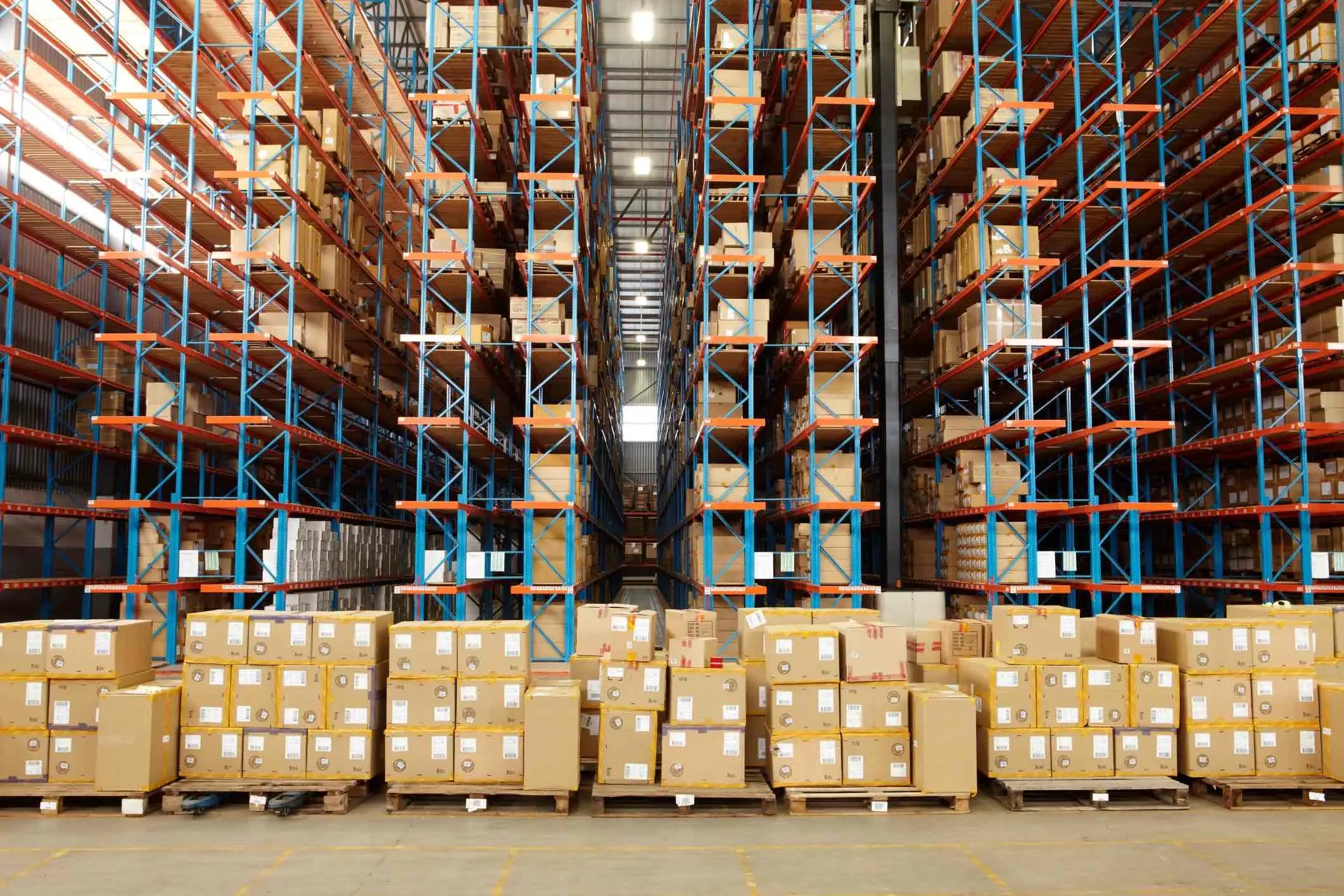
To provide you with professional solutions and quotations.
Digital twin technology changes the way you run your supply chain. You can use virtual simulation to try out ideas first. This helps you make smart choices before problems start. JUSDA leads in using this technology, so you get:
Data right away and a clearer view
Quicker risk fixes and better teamwork
Scenario modeling to help you plan ahead
Contribution | Benefit |
|---|---|
Efficiency | Faster deliveries and less waste |
Transparency | Easy product tracking and more trust |
Predictive Maintenance | Fewer breakdowns and stronger systems |
Digital twins let you work with more suppliers and share data easily. You can get ready for changes around the world. This technology will help shape how supply chains work in the future.
See Also
Exploring Digital Twins For Next-Gen Supply Chain Solutions
Digital Twins: Pioneering The Next Wave In Supply Chains
Maximizing Efficiency Through Innovative AI In Supply Chains
Transforming Supply Chains Using Advanced Cloud Technologies
Revolutionizing Logistics With AI-Driven Supply Chain Strategies