How AI-Driven Dynamic Pricing Improves Logistics Efficiency Based On Real-time Market Conditions

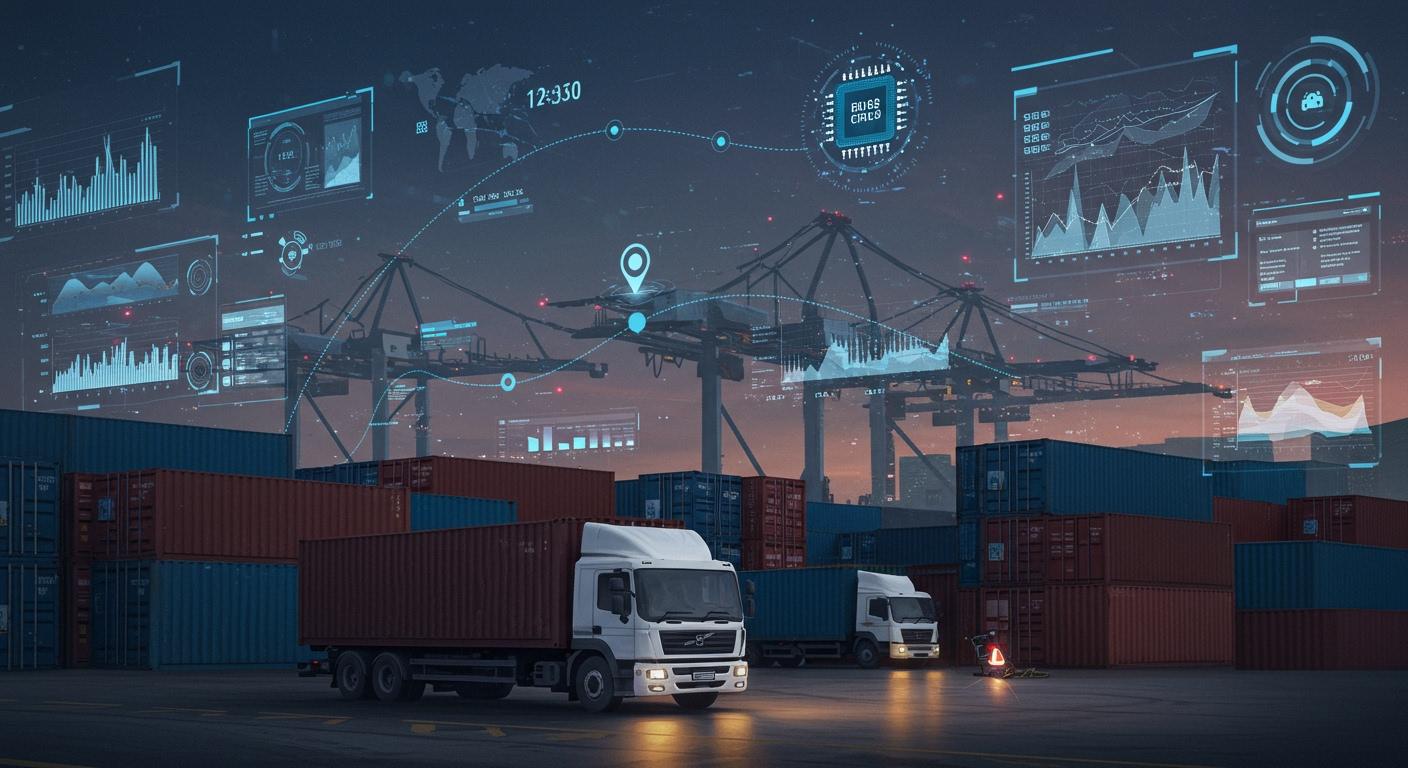
A leading logistics provider can reduce transportation costs by up to 15% and boost efficiency with AI-driven dynamic pricing that uses real-time market data. For example, UPS’s ORION system saves $300–$400 million annually.
Logistics companies analyze variables like truck capacity, lane demand, and fuel costs to adjust prices instantly. This approach allows shippers to control costs and improve agility. JUSDA leverages advanced platforms and technology to deliver these benefits to global supply chains.
Statistic Description | Impact |
|---|---|
UPS's ORION system savings | $300-$400 million annually |
Overall logistics cost reduction by early AI adopters | 15% |
Warehouse operational cost reduction | Up to 50% |
FedEx pickup and delivery cost reduction | 10% |
Key Takeaways
AI-driven dynamic pricing can reduce transportation costs by up to 15%, enhancing overall logistics efficiency.
Real-time data analysis allows logistics companies to adjust prices instantly, improving agility and responsiveness to market changes.
Dynamic pricing helps businesses capture new customers and avoid missed sales opportunities during fluctuating demand.
Integrating AI and big data analytics leads to better inventory management and operational savings for logistics providers.
Transparency and explainability in AI systems build trust, ensuring fair pricing and compliance with regulations.
Dynamic Pricing In Logistics
What Is Dynamic Pricing
Dynamic pricing in logistics refers to the practice of adjusting transportation and service rates in real time based on a variety of market signals. Logistics providers analyze both internal and external factors to determine optimal pricing for each shipment or service. Internal signals include inventory levels, sales velocity, and digital engagement. External signals often involve weather, public holidays, and global events that can disrupt supply chains.
A range of models supports dynamic pricing in logistics. The following table outlines the main factors influencing these models:
Dynamic Pricing Model Factors | Description |
|---|---|
Demand fluctuations | Adjusting prices based on seasonal demand and peak hours |
Distance and shipping routes | Differentiating costs for long-haul versus last-mile delivery |
Fuel costs and economic conditions | Reflecting changes in fuel prices and overall economic climate |
Competitor pricing strategies | Adapting prices based on competitors' rates |
Vehicle capacity and availability | Considering the availability of vehicles for shipping |
Logistics companies use these models to respond quickly to changing market conditions. This approach helps them remain competitive and maintain profitability.
Why It Matters
Dynamic pricing plays a crucial role in modern logistics. It enables providers to align their services with customer needs and market realities. By adjusting prices in real time, companies can offer better deals during off-peak periods and ensure availability during high demand.
Quick price adjustments help logistics providers capture new customers and avoid missed sales opportunities.
The benefits of dynamic pricing extend to both providers and customers. The table below highlights key advantages:
Benefit | Description |
|---|---|
Improved Operational Efficiencies | Carriers adjust prices based on demand, leading to operational savings. |
Better Inventory Management | Price adjustments help control stock levels, reducing overstock and shortages. |
Enhanced Market Adaptability | Businesses capture new customers and avoid missed sales opportunities. |
Competitive Advantage | Dynamic pricing helps outperform competitors with static pricing models. |
Improved Customer Satisfaction | Customers benefit from better deals during low demand and access services during high demand. |
Dynamic pricing also promotes healthier competition among carriers. Companies can lower prices during low demand to increase sales volume or raise prices during high demand to preserve stock. This flexibility allows logistics providers to stay agile and competitive in a rapidly changing market.
AI And Real-Time Data
Data Sources And Analysis
AI-driven logistics platforms rely on a wide range of real-time data sources. These include GPS signals, telematics from vehicles, warehouse sensors, and external market feeds. JUSDA’s JusLink intelligent supply chain platform integrates IoT, cloud computing, and big data to collect and process this information. The system analyzes variables such as shipment location, vehicle status, and market demand. This approach ensures that pricing decisions reflect the latest operational and market conditions.
Logistics companies use several methods to guarantee the accuracy and reliability of real-time data. The table below outlines key strategies:
Method | Description |
|---|---|
Uses AI to analyze data rapidly, adjusting prices based on market conditions and demand. | |
Integration with Telematics | Relies on GPS and sensor data to inform pricing, adjusting rates in real time. |
Market Responsiveness | Enables quick price updates in response to market changes, ensuring competitive quotes. |
These methods help logistics providers like JUSDA maintain precise and responsive pricing models.
Instant Price Adjustments
AI systems process incoming data and adjust prices instantly. This capability allows logistics providers to respond to changes in demand, fuel costs, and competitor rates without delay. JUSDA’s technology-driven solutions enable instant price updates, which support both operational efficiency and customer satisfaction.
The impact of instant price adjustments appears in several areas:
Aspect | Details |
|---|---|
Challenge | Static pricing models fail to maximize revenue in fluctuating markets. |
Data-Driven Solution | Real-time market analysis, competitive intelligence, dynamic pricing algorithms, customer segmentation |
Results | Revenue increase of up to 12%, enhanced customer retention, improved market responsiveness |
Example | Uber Freight’s dynamic pricing led to a 15% profit increase in 2022. |
Instant price adjustments help logistics companies capture new opportunities and avoid missed revenue. Customers benefit from timely and fair rates, while providers optimize resource allocation.
JUSDA’s use of AI and real-time data ensures that dynamic pricing remains accurate, competitive, and aligned with market needs.
JUSDA’s Operational Benefits
Cost And Efficiency Gains
JUSDA delivers measurable cost and efficiency improvements through advanced technology integration. The company’s JusLink intelligent supply chain platform combines IoT, cloud computing, and big data analytics. This approach enables real-time data collection and analysis, supporting smarter decision-making across logistics operations. JUSDA’s AI-driven tools enhance demand forecasting, predictive maintenance, and route optimization for transportation. These capabilities help clients reduce operational expenses and improve delivery accuracy.
Initiative | Description |
|---|---|
AI-driven Tools | Enhanced demand forecasting, predictive maintenance, and route optimization for transportation. |
Cloud Computing Integration | Migration to cloud-based platforms for real-time data access and operational flexibility. |
Big Data Analytics | Gained insights into supplier performance, inventory management, and risk mitigation strategies. |
JUSDA’s global operations demonstrate these benefits across multiple industries. For example, electronic manufacturing clients have seen improved warehouse efficiency and reduced discrepancies in stock management. Automotive and FMCG companies report lower operational expenses due to optimized routes and better inventory control. These results highlight JUSDA’s commitment to innovation and efficiency.
Resource Optimization
JUSDA’s technology-driven solutions optimize resource allocation throughout the supply chain. The JusLink platform provides real-time visibility into shipment location, vehicle status, and inventory levels. This transparency allows clients to make informed decisions about fleet utilization and warehouse management. By leveraging big data analytics, JUSDA identifies trends in supplier performance and risk factors, enabling proactive adjustments.
Key performance indicators help measure the return on investment from these solutions:
Key Performance Indicators (KPIs) | Description |
|---|---|
Delivery Accuracy | Measure the precision of deliveries against scheduled times. |
Operational Expenses | Assess cost reductions achieved through optimized routes. |
Warehouse Efficiency | Evaluate improvements in stock management and discrepancies. |
Clients in sectors such as new energy and medical health benefit from these optimizations. They experience fewer delays, better stock turnover, and improved customer satisfaction. JUSDA’s focus on resource optimization supports sustainable growth and operational excellence.
Agility In Logistics
JUSDA’s use of AI and real-time data increases agility in logistics operations. The company’s dynamic pricing models adjust delivery rates based on current capacity, fuel prices, weather, and demand surges. This flexibility enables clients to respond quickly to market changes and disruptions.
Example | Description |
|---|---|
Dynamic Freight Pricing | Adjusts delivery pricing based on current capacity, fuel prices, weather, and demand surges. |
Enables real-time rerouting during disruptions like strikes or storms. |
JUSDA’s industry-specific expertise ensures that clients in sectors such as heavy equipment and bulk materials can maintain service levels even during unexpected events. The company’s global network and technology-driven approach support rapid adaptation, helping clients capture new opportunities and minimize risk.
JUSDA’s operational benefits stem from its commitment to innovation, efficiency, and collaboration. The company’s integration of IoT, cloud, and big data technologies delivers measurable gains in cost, resource optimization, and agility for clients worldwide.
Overcoming Challenges
Data Quality And Integration
Logistics companies face significant challenges when implementing AI-driven dynamic pricing. Poor data quality often limits the effectiveness of these systems. Many organizations struggle with talent shortages and budget constraints, which can slow down AI adoption. Peter Weis, CIO at ITS Logistics, highlights the importance of accurate and accessible data, noting that data cleaning is essential before deploying AI solutions. Legacy systems and outdated infrastructure can also hinder seamless integration.
Poor data quality remains a major obstacle for logistics providers.
44% of companies report talent shortages for AI implementation.
Budget constraints and legacy systems limit scalability.
Accurate data and system integration are critical for success.
Leading providers address these issues by integrating CRM, ERP, and eCommerce platforms. This integration ensures that pricing decisions reflect real-time inventory, customer relationships, and operational constraints. The process often begins with a data health check and involves extracting, cleansing, and merging data from multiple sources.
Managing Volatility
AI-driven systems help logistics companies manage price volatility in dynamic markets. These systems continuously update risk scores based on new data, allowing businesses to monitor variables such as traffic flow and fuel shortages. Real-time adaptability ensures that shipments remain on schedule, even during disruptions.
Step | Strategy Description |
|---|---|
1 | Centralize transportation data, including shipment history and fuel prices. |
2 | Use AI forecasting to predict market trends and seasonal demand. |
3 | Automate carrier selection and routing for cost optimization. |
4 | Implement scenario planning to prepare for disruptions. |
5 | Continuously monitor KPIs and adjust strategies as needed. |
AI algorithms analyze patterns and trends, supporting better resource allocation and strategic planning. Predictive models help identify risks and enable preventive measures, improving operational efficiency.
Building Trust In AI
Clients often express concerns about privacy, data security, and algorithmic bias in AI-driven pricing systems. These concerns arise because AI systems require large amounts of personal and operational data. If trained on biased historical data, AI can replicate patterns of discrimination.
To build trust, logistics companies focus on transparency and explainability. Explainable AI illuminates the decision-making process, helping users understand how pricing decisions are made. This approach supports fairness, regulatory compliance, and risk management. Transparent AI systems also allow for early detection of errors and continuous improvement, fostering greater acceptance among clients.
Transparency and explainability are essential for building trust in AI-powered logistics solutions.
AI-driven dynamic pricing, powered by real-time data, transforms logistics by increasing efficiency and reducing costs. JUSDA stands out as a technology leader, delivering intelligent supply chain solutions across industries. Logistics professionals can take these steps to adopt AI-driven pricing:
Assess needs and choose solutions.
Plan AI integration.
Implement gradually with vendor support.
Scale and continuously improve.
Trend | Impact on Logistics |
|---|---|
Improves delivery times and efficiency. | |
Predictive analytics | Enhances demand forecasting and inventory. |
JUSDA’s innovation will shape the future of logistics.
FAQ
What industries does JUSDA serve?
JUSDA supports electronic manufacturing, 3C home appliances, FMCG, automotive, new energy, medical health, heavy equipment, and bulk materials. The company tailors supply chain solutions to each industry’s needs.
How does JUSDA use technology in logistics?
JUSDA integrates IoT, cloud computing, and big data through its JusLink platform. This technology enables real-time data sharing, collaboration, and visibility across the supply chain.
What benefits do clients gain from JUSDA’s dynamic pricing?
Clients experience reduced transportation costs, improved delivery accuracy, and better resource allocation. JUSDA’s AI-driven pricing adapts to real-time market conditions, supporting operational efficiency.
Does JUSDA offer global logistics services?
JUSDA operates over 155 service points worldwide and manages more than 2,500,000 square meters of warehouse space. The company provides air, land, sea, and rail transport solutions globally.
How does JUSDA ensure supply chain visibility?
JUSDA’s JusLink platform delivers real-time updates on shipment location, vehicle status, and inventory. Clients gain transparency and control throughout their logistics operations.
See Also
Transforming Future Logistics Through Artificial Intelligence Solutions
Exploring The Hidden Power Of AI In Logistics
Enhancing Supply Chain Performance With AI Innovations
Understanding The Financial Aspects Of Supply Chain Efficiency