Effective approaches to lower logistics costs amid tariff changes

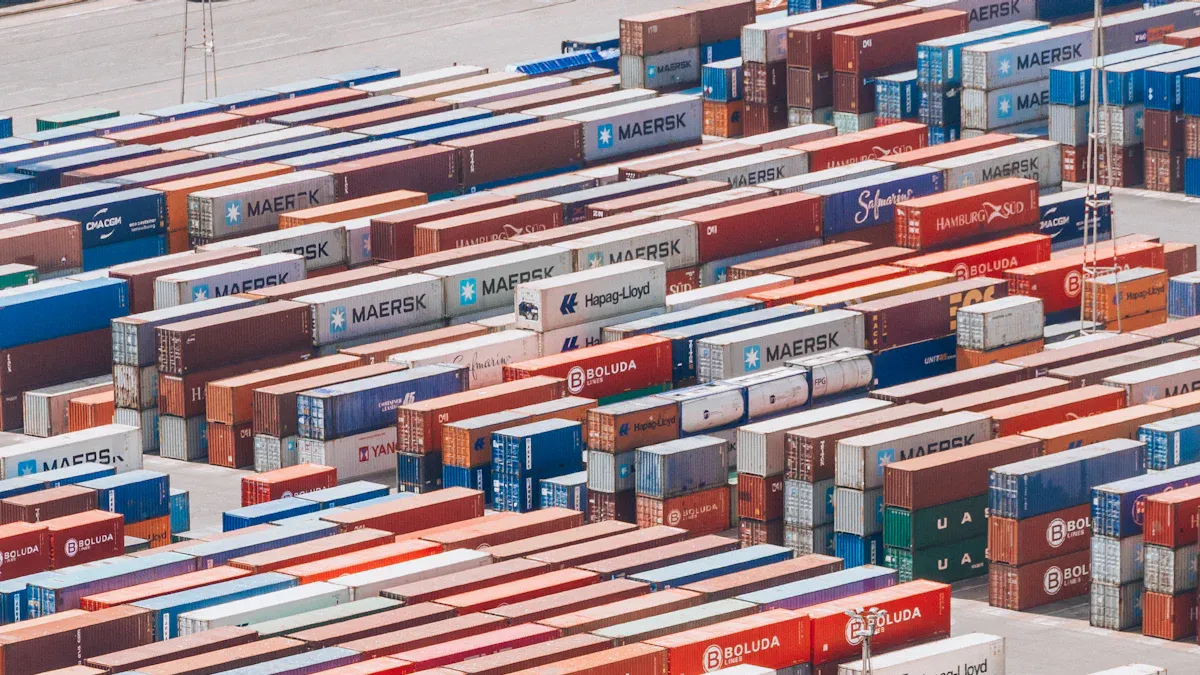
Businesses can save money in tariffs logistics by being more flexible. They also use different kinds of strategies. New tariff changes have made things cost more. Customs steps are now harder. Delivery takes longer too. Companies use scenario planning to help them. They work together in teams from different areas. They also use supply chain diversification. This helps them stay strong and handle new compliance problems.
Key Takeaways
Being flexible is very important. Companies can spend less on logistics if they change fast when tariffs change and look for new routes.
Using different suppliers helps lower risks. Picking suppliers from many places can make tariffs hurt less and help companies bargain better.
Planning for different situations helps businesses get ready for surprises. If companies think about tariff changes ahead of time, they can change their plans and keep their supply chains strong.
Tariffs Logistics Impact
Cost Drivers
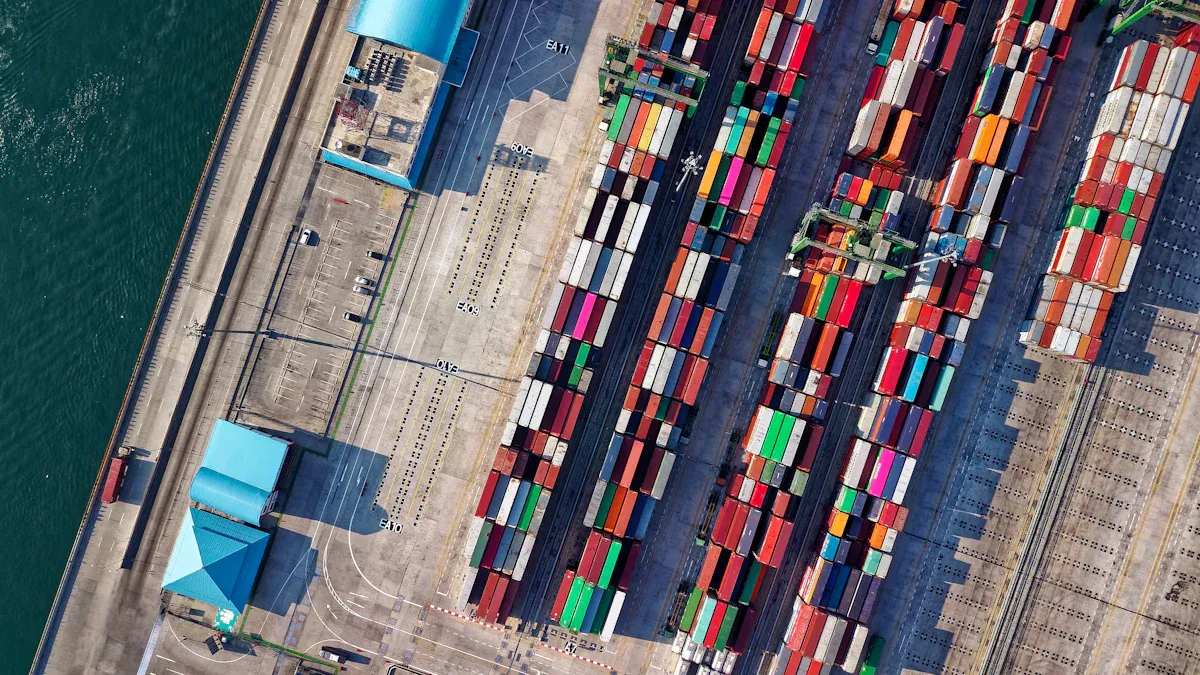
Tariff changes bring new problems for tariffs logistics. Companies pay more for transportation because tariffs make imports cost more. Fuel surcharges add to the price for every mile traveled. Freight amounts can go up or down fast. Sometimes, there are quick jumps or slow periods. This makes it tough to plan for how much space and trucks are needed. Deliveries often get delayed at ports. Companies must change routes, which can hurt how well they deliver. Businesses need to be able to change routes easily. This helps them change how they get and send goods. Tariffs also change which regions are best for business. Carriers work hard to keep their centers running well and appealing.
Note: Without the $800 de minimis exemption, goods worth $800 or less now have tariffs from 10% to 50%. This rule makes things cost more for buyers and businesses. Retailers and logistics providers must deal with harder customs steps. For example, a gamer in Louisiana got a $934 customs bill for computer parts from Germany. This shows tariffs can bring surprise costs. In 2024, almost 1.4 billion packages used the de minimis rule. Its end will likely shake up e-commerce and raise shipping and customs costs.
Supply Chain Shifts
Tariffs make companies rethink their supply chains. Many businesses stop simple diversification. They now look for safer places to run their operations. Managing supply chains gets harder. Teams must make and follow careful plans. Logistics workers study where goods come from, how they move, and how they get delivered to stay ahead.
Companies change their supply chains by having legal and tax teams update contracts.
Many move toward local options to lower tariff risks, not just global ones.
Groups check how trade policy changes affect them and find ways to handle it.
A 10 percent tariff on most U.S. imports makes companies change their supply chains.
In five years, big economies may build more at home and buy more locally, changing supply chain plans.
Moving to local supply chains is a big change for global trade.
Tariffs logistics also change how goods are moved and which routes are used. Companies might change where they make and send goods to avoid tariffs. This can mean less air cargo, especially for cheap items. E-commerce companies may make goods in places with fewer tariffs. Airlines change their planes and flight plans to keep up. Tariff engineering matters as companies try to save money and deal with tariffs.
Minimize the Impact
Diversify Sourcing
Companies use different ways to lower the effect of tariffs logistics. They often pick suppliers from many places. This helps them avoid risks and makes them stronger. If they choose suppliers in countries with lower tariffs, they can save money. This also helps them talk better with suppliers about prices. They can change plans fast when tariff rules change. Leaders look at how tariffs change their costs. They change their tariff plans to keep up with others.
Benefit | Description |
|---|---|
Reduced risk and strengthened resilience | Picking many suppliers helps control changes in tariffs. It also makes companies stronger. |
Expediency | Switching suppliers is faster than moving factories to save on tariffs. |
Having more suppliers helps companies get better prices. |
Getting supplies from different places helps companies deal with problems from world events and tariffs. Sometimes, this costs more money. But it makes supply chains work better. Now, many companies think about tariffs and world risks when picking suppliers. Some change what materials they use to pay less in tariffs.
Tip: Companies can change products to use parts that do not have tariffs. They can also say key parts come from a different country to lower tariffs.
Nearshoring
Nearshoring means moving supply bases closer to where things are sold. This helps companies deal with tariffs. It makes them more flexible and quick. They can change where they get supplies and avoid places with new tariffs. Nearshoring lowers tariff risks and helps companies make better plans. A new report says most companies now look at nearshoring to make supply chains faster. By using local suppliers, companies can react quickly to changes and spend less on shipping.
Nearshoring makes supply chains faster.
It lowers risks from tariffs.
Companies can control shipping and delivery better.
To lower the effect of tariffs logistics, companies use both nearshoring and picking many suppliers. These ways help them stay strong and do well as the world changes.
Strategies
Bulk Importing
Bulk importing helps companies deal with tariffs. They bring in big shipments at one time. This way, they pay tariffs once for each shipment. Companies use compliance technology to do tariff math faster. AI tools help fill out customs forms. Logistics optimization is also important. Nuvocargo and Altana have saved 40% on customs fees. They also made border times 34% shorter. Nearshoring helps bulk importing by moving goods to U.S. warehouses. This lowers the cost for each item. It also helps avoid extra tariffs logistics problems.
Strategy | Description |
|---|---|
Compliance Technology | Using AI tools to do tariff math and customs forms quickly. |
Logistics Optimization | Nuvocargo and Altana save 40% on customs fees and make border times 34% shorter. |
Nearshoring | Putting goods in U.S. warehouses to lower costs for each item. |
When to buy equipment is important too. Some companies nearshore to Canada and Mexico. This helps them use better trade deals and get goods faster. They also pick suppliers from Latin America and Eastern Europe, not just Asia. Making shipping and packaging easier saves money. Some companies make "Made in USA" products. This helps them sell to people who want to avoid extra tariffs.
Tip: Companies can use free-trade zones and the first sale for export rule to pay less in tariffs and save money.
Local Fulfillment
Local fulfillment centers help companies save money when tariffs are high. They move goods to U.S. warehouses. This skips customs delays and saves money. CoverSeal shows how sending big shipments to U.S. hubs works well. Local fulfillment is a good part of a tariff plan.
Companies keep goods in different places and import in bulk. They pay tariffs once, not every time.
Local shipping skips extra cross-border tariffs on each order.
For example, a company sends half its goods to a U.S. center. It pays U.S. tariffs on the big shipment, then ships inside the country without more tariffs.
This helps companies react fast to tariff engineering changes. It also means faster delivery and better service for customers.
Supplier Partnerships
Supplier partnerships help companies get tariff breaks and better prices. Good supplier relationships make costs steadier and deliveries more certain. Companies work with suppliers to find ways to pay less in tariffs. They might ask for better prices or pick suppliers in countries with lower tariffs.
Strategy | Description |
|---|---|
Supplier Partnerships | Build strong supplier ties to keep costs steady and deliveries on time. |
Having local suppliers helps companies change plans fast when tariffs change. They also get more control over their supply chains. Working with suppliers in places with good trade deals helps avoid high tariffs. This makes the supply chain stronger and more dependable.
Optimization
3PL Partnerships
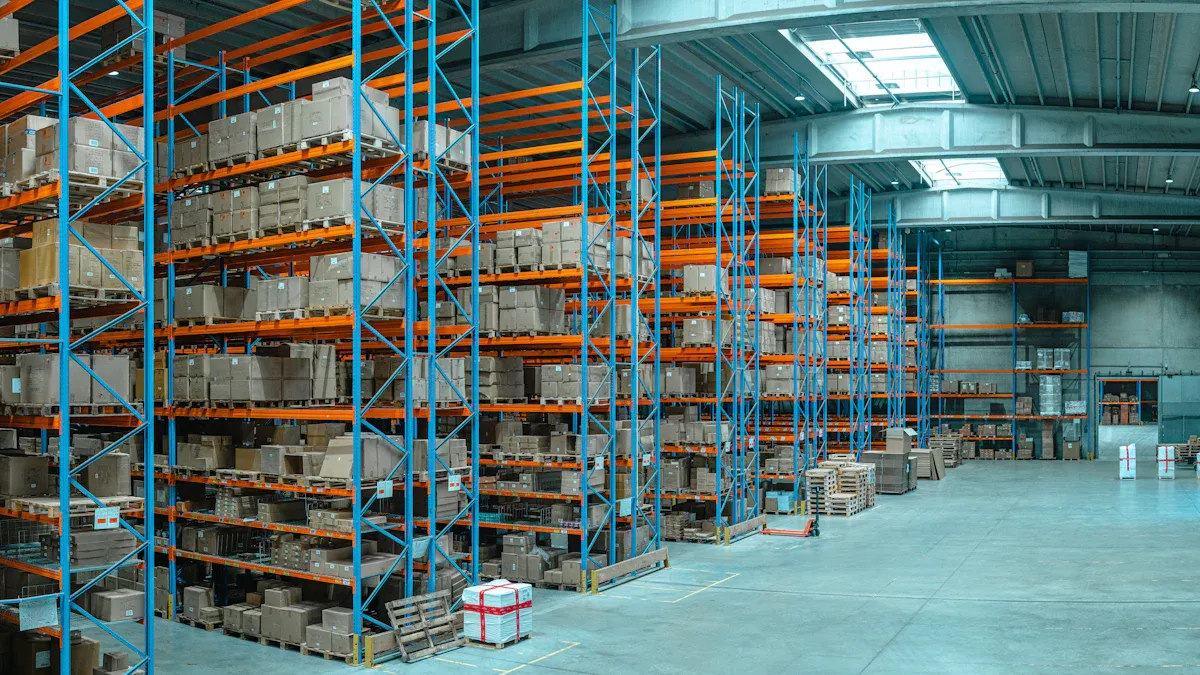
Third-party logistics providers help companies deal with tariff changes. They use networks with many warehouses. This lets businesses keep products in different places. Orders get to customers faster. It also lowers the chance of paying high tariffs. Companies check where they get products and how they send them out. They look for new countries to buy from. This helps when US rules change.
Keeping products near customers makes delivery faster. It also helps avoid some tariffs.
Checking where products come from helps companies not depend on one place. They can change suppliers or routes if tariffs go up.
3PL partnerships give companies more choices. They can move goods fast and follow new tariff rules. This makes the supply chain stronger and saves money.
Tip: Companies using 3PLs can change suppliers easily. They can try new markets and move products as needed.
Compliance
Compliance is more important when tariffs change. New rules make things cost more. Many companies say tariffs raise their costs and hurt profits. Some industries, like cars and medical equipment, have big problems. They need parts from other countries. Tariffs can stop or slow down shipments.
Higher costs make companies look for ways to save money.
Problems in the supply chain make it hard to get parts on time.
Changing plans helps companies fix how they get and store products.
More rules, like labor laws and ESG, also make things cost more. Companies need strong systems to follow these rules. Good management and training help them stay ready. Technology, like AI, helps find new suppliers fast.
Logistics companies spend money on better compliance and customs skills. These help control costs, but some companies still lose a lot of money. Some lose millions because of compliance problems.
Companies use different ways to lower compliance costs:
Sending big shipments at once makes customs easier and cheaper.
Nearshoring and reshoring help avoid tariffs by using closer suppliers.
Clear prices and updates help customers know about changes and delays.
Scenario Planning
Scenario planning helps companies get ready for tariff changes. They buy equipment early before tariffs go up. Third-party warehouses give them space to store goods. This helps control when tariffs start.
Important things for storage are location, management, insurance, and tax savings. Companies think about these when picking where to store goods.
Buying early helps avoid sudden tariff hikes.
Third-party warehouses give more control over products.
Companies make teams with people from different jobs to handle tariffs. These teams study risks and money plans. They check how tariffs might hurt them, even in small ways. Looking at different scenarios helps change money plans and decide where to invest.
Note: Scenario planning lets companies use tariff engineering. They can change how products are made or where they come from to pay less in tariffs.
Scenario planning makes companies stronger. They can react fast to new tariff problems and keep making money.
Companies save money on logistics when tariffs change by using bulk importing, local fulfillment, and supplier partnerships. Teams from finance, supply chain, and legal work together to fix problems.
Using different team skills helps companies turn tariff problems into chances to grow.
Planning for different situations and following rules well keeps supply chains flexible and strong.
FAQ
What is the best way to lower logistics costs during tariff changes?
Companies use bulk importing, local fulfillment, and supplier partnerships. These ways help them save money. They also keep supply chains strong.
How does nearshoring help with tariffs?
Nearshoring means suppliers are closer to customers. This makes shipping faster. It also lowers risks from new tariffs.
Why do companies use scenario planning for tariffs?
Scenario planning helps teams get ready for sudden tariff changes. They can change supply chains fast. This helps them avoid surprise costs.
See Also
Unlocking Logistics Savings: Expert Tips for Supply Chain Success
Reducing Logistics Costs: Your Comprehensive Resource for Savings
Are You Spending Too Much? Find Savings in Supply Chain
Understanding Supply Chain Costs: Strategies for Effective Optimization
Enhancing Supply Chain Strategies for Advanced Manufacturing Challenges