Essential Steps for Successful International Container Shipping in 2025

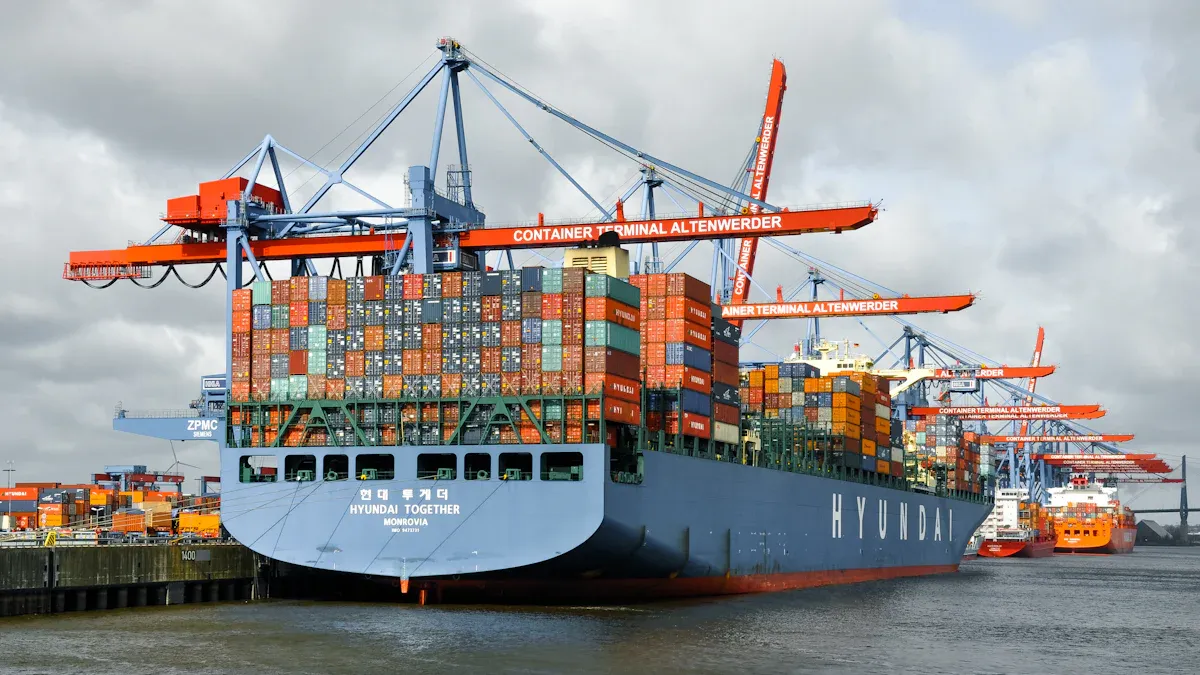
You need to understand every step of international container shipping in 2025 to achieve safe and efficient results. Global shipping volume is projected to decline by 1% due to U.S. trade policies, marking only the third drop since 1979.
AI, IoT, and big data now drive smarter routing, cost savings, and real-time tracking.
JUSDA leads with innovative digital platforms to help you optimize every shipment.
Key Takeaways
Understand the shipping process to improve efficiency and reduce delays. Knowledge of container shipping helps you make better decisions.
Choose reliable freight forwarders with strong networks and advanced technology. This ensures smooth operations and timely deliveries.
Accurate documentation is crucial for avoiding delays. Use digital tools to streamline paperwork and ensure compliance.
International Container Shipping Overview
Why the Shipping Process Matters
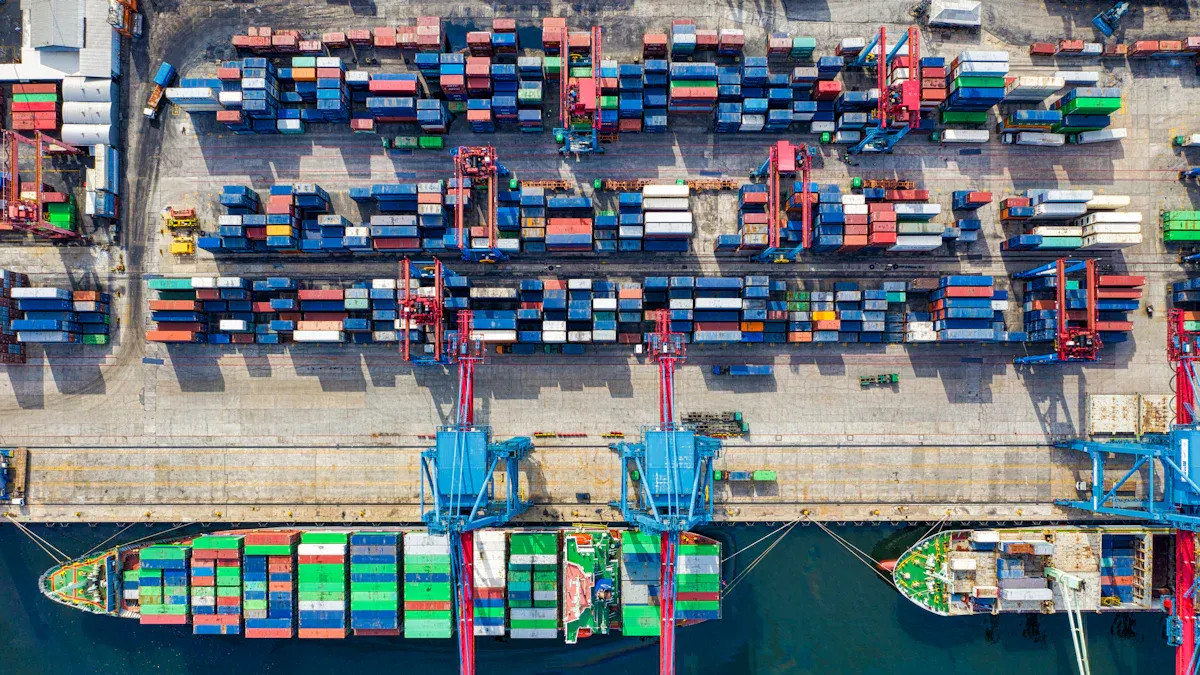
You play a vital role in global trade when you understand the shipping process. Over 90% of the world’s goods move in standardized containers, making container shipping the backbone of international commerce. This system supports just-in-time manufacturing, which helps companies reduce inventory costs and improve efficiency. Efficient management of container yards keeps goods moving and ensures timely deliveries. When you know how CY/CY shipments work, you can make better decisions and avoid delays.
Several trends shape international container shipping in 2025:
Increasing operating costs from inflation.
Geopolitical risks that may disrupt shipping routes.
Heightened security concerns, including cyber threats.
Environmental challenges, such as decarbonization and climate change.
Market dynamics like overcapacity and shifting trade policies that affect freight rates.
Shipping also impacts the environment. Shipping contributes about 2.5% of global CO2 emissions, and this number could rise if not addressed. Understanding the shipping process helps you make choices that support both business and sustainability goals.
Key Participants
You interact with many key players during international container shipping:
Ocean carriers operate the ships that move containers across oceans.
NVOCCs and freight forwarders arrange logistics and issue shipping documents.
Terminal operators manage ports and oversee loading and unloading.
Inland transport operators handle trucking and rail movement.
Exporters and importers buy and sell goods.
Customs agents manage clearance and compliance.
Insurance providers and banks support financial and risk needs.
JUSDA stands out as a global supply chain leader. With over 20 years of experience and operations in more than 155 locations, JUSDA uses advanced technology like AI and IoT through its JusLink platform. This integrated network connects manufacturers and consumers, giving you visibility and control over every step of your shipping process.
Shipping Process Steps
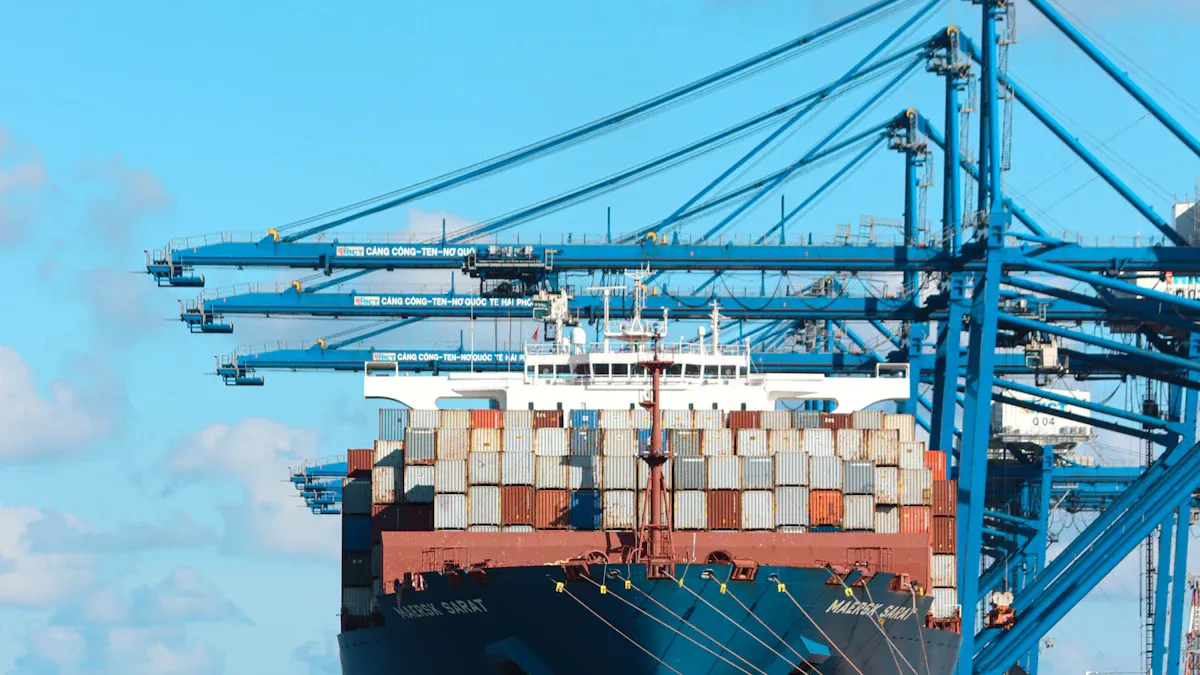
International container shipping involves a series of well-defined steps. Each stage plays a critical role in ensuring your shipment arrives safely, on time, and at the right cost. By understanding the steps of shipping internationally, you can avoid common pitfalls and make informed decisions. JUSDA’s end-to-end logistics and JusLink’s AI-powered platform help you optimize every phase, from the initial quote to final delivery.
Requesting Quotes
You start the shipping process by requesting quotes from multiple freight forwarders. This step allows you to compare pricing, transit times, and service quality.
Comparing quotes can lead to better pricing and improved service quality.
Different freight forwarders offer varying rates based on their network and capabilities.
Balancing cost savings with reliability ensures customer satisfaction.
Tip: Use digital platforms like JusLink to automate quote requests and analyze offers in real time. This saves you time and helps you select the best option for your shipment.
Choosing Freight Forwarders
Selecting the right freight forwarders is crucial for successful shipping internationally. Consider these criteria:
Experience and expertise in your industry.
A strong global network for seamless operations.
A wide range of services, including customs and warehousing.
Advanced technology and real-time tracking.
Responsive customer service.
Cost-effectiveness without sacrificing quality.
A solid reputation for reliability.
Compliance with security and regulatory standards.
JUSDA’s global network and technology-driven approach ensure you work with reliable partners who understand your needs.
Preparing Documents
Accurate documentation is essential for smooth international shipping. The main documents required include:
Document | Purpose |
|---|---|
Commercial Invoice | Details the transaction between buyer and seller; needed for customs clearance. |
Bill of Lading | Serves as a transport agreement and receipt, confirming the carrier received the goods. |
Packing List | Lists all items in the shipment, aiding customs inspections. |
Export Customs Declaration | Reports exported products for compliance with regulations. |
You must prepare these documents required before booking your shipment. Digital tools like JusTrade streamline document management, reducing errors and delays.
Booking Shipments
Once you have your documents ready, you book your shipment with your chosen freight forwarder. Efficient order processing is key.
Use technology to optimize booking and reduce manual work.
Collaborate with local carriers for last-minute deliveries.
Leverage the spot freight market for urgent shipments.
Consolidate freight with other suppliers to save costs.
Partner with a reliable 3PL to improve delivery speed.
During peak seasons, secure carrier contracts early and expand warehouse staff. Automated fulfillment and real-time tracking further enhance efficiency.
Export Haulage
Export haulage involves moving your goods from the warehouse to the port. You may face challenges such as regulatory compliance, port congestion, and security risks.
Challenge | Mitigation Strategy |
|---|---|
Regulatory Compliance | Work with customs brokers to ensure you follow local laws. |
Port Congestion | Diversify routes to avoid delays. |
Evolving Regulations | Stay updated and pre-declare goods when possible. |
Security Challenges | Implement strong security measures. |
Unplanned Disruptions | Develop backup plans for natural disasters or weather events. |
JUSDA’s logistics network and JusLink’s AI-driven planning help you navigate these issues and keep your shipment on schedule.
Export Customs Clearance
Export customs clearance ensures your goods meet all legal requirements before leaving the country. The process includes:
Step | Description |
|---|---|
Self-Assessment | Evaluate duties and prepare key documents. |
Shipping Bill Generation | File the shipping bill with supporting documents. |
RMS | Process shipping bills for verification. |
Verification | Customs checks for compliance. |
Additional Assessment | Further checks if needed. |
Let Export Order (LEO) | Clearance granted for export. |
Post Clearance Audit | Retrospective audit for compliance. |
Checklist Endorsement | Endorse quantity at the dock. |
Examination/Sampling | Customs may examine or sample goods. |
Loading Supervision | Supervise container loading. |
Export General Manifest | Submit cargo details. |
Duty Drawback | Claim customs duties on inputs used. |
JusTrade’s intelligent customs clearance platform automates much of this process, reducing delays and ensuring compliance.
Ocean Freight Transport
Ocean freight is the backbone of global trade. You need to understand how rates fluctuate and what factors influence costs.
Supply and demand dynamics directly impact rates.
Fuel prices affect operational costs and shipping rates.
Operational costs, such as maintenance and labor, play a role.
Seasonal variations, like holidays, can increase costs.
Geopolitical events may disrupt routes and raise prices.
JusLink’s AI solution predicts ocean freight trends, helping you plan and budget more effectively. Real-time data analysis allows you to respond quickly to market changes and secure the best rates for your shipment.
Import Customs Clearance
When your shipment arrives at the destination port, import customs clearance begins. You or your agent must submit all documents required, such as import permits, invoices, packing lists, and tax documents. Customs reviews your goods and documents, then assesses duties and taxes based on the HS code.
Step | Description |
|---|---|
1 | Submit Import General Manifest detailing cargo information. |
2 | File Bill of Entry through the customs system. |
3 | Classify and value goods according to HSN codes. |
4 | Customs inspection, possibly including physical examination. |
5 | Pay assessed duties and taxes. |
6 | Receive clearance certificate and transport goods to the final destination. |
JusTrade’s SAAS platform connects your ERP system for seamless customs management and real-time tracking.
Destination Handling
Destination handling covers all activities at the arrival port, including port handling fees, customs clearance costs, and delivery charges. Delays in customs or extra handling fees can extend your shipping timeline. Efficient management at this stage ensures your shipment moves quickly from the port to the next step.
Import Haulage & Delivery
The final step involves transporting your shipment from the port to its destination. Best practices include:
Implementing a robust notification system for customer communication.
Providing real-time shipment tracking.
Streamlining documentation to minimize delays.
Offering proactive customer service and timely updates.
Continuously evaluating performance and seeking feedback.
Prioritizing flexibility to meet changing needs.
JUSDA’s integrated logistics and JusLink’s AI-driven tracking ensure transparency, reliability, and customer satisfaction at every stage.
Shipping Documents
Shipping internationally requires you to prepare several necessary documents. Each plays a unique role in ensuring your shipment moves smoothly through customs and arrives on time. You must understand the purpose of each document and how platforms like JUSDA and JusTrade simplify documentation and compliance.
Bill of Lading
The bill of lading acts as a contract between you and the carrier. It serves as a receipt for your goods and outlines the terms of transport. You need this document to prove ownership and to claim your shipment at the destination. JusTrade’s digital platform lets you generate and track bills of lading quickly, reducing manual errors.
Commercial Invoice
You use the commercial invoice to detail the transaction between buyer and seller. Customs officials rely on this document to assess duties and taxes. Accurate documentation here helps prevent delays and ensures legal compliance. JUSDA’s integrated system automates invoice creation, making the process faster and more reliable.
Packing List
The packing list shows every item in your shipment. Customs agents use it to inspect and verify the contents. You should match the packing list with other documentation to avoid discrepancies. JusTrade’s platform allows you to upload and share packing lists instantly, improving transparency.
Certificates & Licenses
Some shipments require certificates of origin, import/export licenses, or insurance certificates. These documents prove your goods meet regulatory standards and safety requirements. You can use JUSDA’s automated tools to manage certificates and licenses, keeping your documentation organized and up to date.
Tip: Always double-check your documentation before shipping. Missing or incorrect paperwork can cause costly delays.
Feature | Description |
|---|---|
Real-time Shipment Milestones | Track progress and visualize key documentation stages. |
Scaling Without Increased Staff | Automation lets you handle more shipments without hiring extra employees. |
Shifting Focus to Revenue Tasks | Spend less time on paperwork and more time growing your business. |
Customs Procedures in International Shipping Process
Export Customs
You must complete export customs clearance before your goods leave the country. This process verifies that your shipment meets all legal and regulatory requirements. You prepare documents such as the commercial invoice, packing list, and bill of lading. Some countries require additional forms based on the destination. JusTrade’s intelligent customs clearance platform helps you manage these documents efficiently. You can track each step in real time and reduce manual errors.
Document Type | Description |
|---|---|
Commercial Invoice | Provides a detailed transaction record. |
Packing List | Enumerates all items in the shipment. |
Bill of Lading | Serves as a receipt and contract between the shipper and carrier. |
Country-Specific Forms | Various additional documents required by the destination country. |
Import Customs
When your shipment arrives, you begin the import clearance process. You submit all required paperwork, including import permits and tax documents. Customs officials inspect your goods and verify the documentation. Tariffs and duties apply based on product type, value, and origin. JusTrade’s SAAS platform connects with your ERP system, giving you real-time updates and compliance support. You avoid delays and keep your supply chain moving.
Tariffs and duties are taxes imposed on goods crossing international borders.
Rates vary based on product type, value, and origin/destination.
Understanding these costs is essential for accurate budgeting and exploring cost-saving measures.
Compliance & Challenges
You face many challenges during customs clearance. Each country has unique regulations, and frequent changes make compliance difficult. Common issues include complex documentation, customs clearance delays, and hidden costs from non-compliance. JusTrade’s global expertise and digital tools help you stay updated and avoid penalties. You benefit from automated tracking, instant alerts, and expert support.
Complex Regulations: Every country sets its own rules.
Customs Clearance Delays: Mistakes can slow your shipment.
Hidden Costs: Non-compliance leads to fines.
Tariff Codes: Incorrect codes reduce profits.
Shipping Regulations: Some items need special permits.
Changing Laws: You must stay informed.
Tips for Smooth International Container Shipping
Reliable Partners
You need reliable partners to ensure your shipment arrives safely and on time. Choose logistics providers with expertise in your industry and a strong track record of timely deliveries. Look for companies that offer advanced technology for real-time tracking and have a global network to support international operations. JUSDA’s innovative solutions and customer success stories show how the right partner can streamline the shipping process and help you scale your business.
Tip: Evaluate customer service and flexibility. Reliable partners adapt quickly to changes and keep you informed throughout your shipment’s journey.
Accurate Documentation
Accurate documentation prevents delays and costly mistakes. You must provide correct cargo details, including weight, dimensions, and handling requirements. Double-check all forms before submitting them. JusTrade’s digital platform automates paperwork, reducing errors and improving compliance.
Consequence | Description |
|---|---|
Delays | Inaccurate customs documentation can cause significant delays in the transit of goods. |
Legal Issues | Errors in documentation may lead to legal disputes or complications with authorities. |
Financial Penalties | Incorrect documentation can result in fines or increased duty rates. |
Tracking & Communication
You gain control over your shipment by using advanced tracking and communication tools. Real-time data lets you monitor your shipment’s status and respond quickly to any issues. Automated alerts notify you of delays, while standardized documentation improves traceability. JusLink’s AI solution provides predictive analytics and risk management, helping you make better decisions during the shipping process.
Real-time updates enhance visibility.
Timely communication leads to faster problem resolution.
Automated alerts allow proactive management.
Adapting to 2025 Regulations
You must stay updated on new regulations to avoid disruptions. In 2025, changes like stricter emissions standards and electronic documentation requirements will impact international shipping. The FuelEU Maritime regulation and new battery shipping rules require you to adjust your shipment planning. JUSDA’s platforms help you track regulatory updates and maintain compliance, keeping your shipment moving smoothly.
Note: Research destination regulations and choose Incoterms carefully to understand your costs and responsibilities.
Quick Checklist
Pre-Shipment
You set the foundation for a successful shipment by preparing thoroughly before your goods leave the warehouse. Start by gathering all required documents.
GST (LUT) or IGST declaration
Export license, if your product needs one
AD code on your bank’s letterhead
Check that your shipment details match your paperwork. Review the following information for accuracy:
Item Description | Quantity | Weight | Dimensions | Packaging Details | Shipping Marks | HS Code | Shipment Information |
|---|---|---|---|---|---|---|---|
Men’s leather shoes | 1 kg each | 30x20x10 cm | Cardboard boxes | Fragile, Handle with care | 1234.56 | Total weight: 10 kg, Volume: 0.06 m³ |
Tip: Double-check all labels and marks on your packages. Clear labeling speeds up customs clearance.
In-Transit
You maintain control over your shipment while it moves across borders. Track your container using real-time digital tools. Monitor for any route changes or delays. Communicate with your logistics provider if you see unexpected updates.
Use automated alerts for milestone updates
Confirm that your insurance covers the entire route
Stay in touch with your freight forwarder for status reports
Post-Delivery
You complete the process by confirming safe delivery and handling final paperwork. Inspect your goods as soon as they arrive.
Check for damage or missing items
Match received goods with your packing list and invoice
File claims quickly if you find any issues
Archive all shipping and customs documents for future reference
Note: Keeping organized records helps you resolve disputes and supports future shipments.
JUSDA Solutions
To provide you with professional solutions and quotations.
You achieve success in international container shipping by following each step in the international shipping process. Choose the right freight forwarder, prepare documentation and taxes, and track your shipment. Ocean freight remains vital for international trade. JUSDA supports your international shipping, import and export, and export trade. Stay informed about international shipping process changes.
See Also
Exploring 2024 Innovations in Sea Freight Logistics
Five Key Trends Shaping Future Supply Chain Efficiency
Top Five Supply Chain Events You Can't Miss
Get Prepared: Latest Transport Technology Trends for Supply Chains