Essential Tips for Managing Amazon Inventory on Prime Big Deal Days

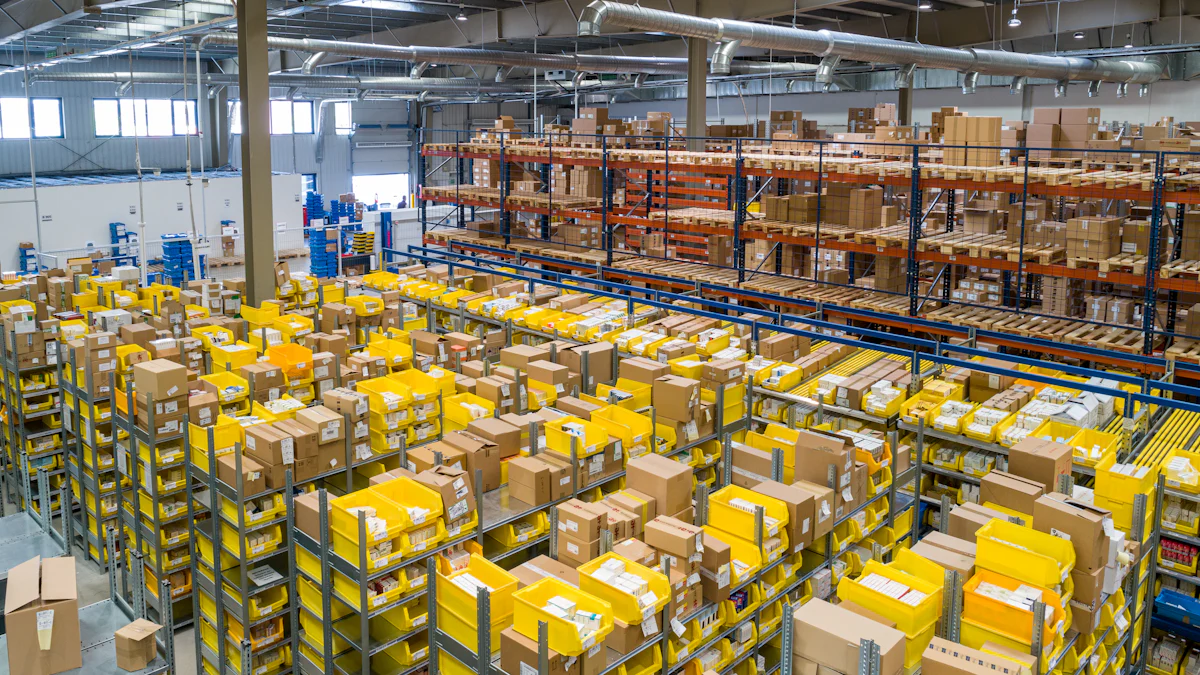
Prime Big Deal Days on Amazon offer a prime opportunity for sellers to significantly increase their sales. During this high-demand period, effective order inventory management is essential. Sellers encounter challenges such as stockouts and overselling, which can result in lost sales and dissatisfied customers. Successful inventory management ensures that sellers can efficiently meet customer demand. By implementing the right strategies, sellers can double their purchases, converting visitors into paying customers. Optimizing their supply chain and managing order inventory effectively allows sellers to maximize profits. This approach enables sellers to thrive during these major shopping events.
Understanding Prime Big Deal Days
History and Significance
Evolution of Prime Day
Amazon launched Prime Day in 2015 to celebrate its 20th anniversary. The event has since grown into a major shopping phenomenon. Each year, Prime Day attracts more attention and sales. In 2017, tens of millions of Prime members made purchases, marking a significant increase from the previous year. By 2024, Prime Day had become the biggest event ever, with record-breaking sales and millions of deals available. This evolution shows the power and impact of Prime Day on the retail landscape.
Impact on Sales and Consumer Behavior
Prime Day has changed how consumers shop. Shoppers now anticipate the event each year. Many wait for Prime Day to make big purchases. The event has also influenced other retailers to create similar sales events. In 2020, Prime Day took place in mid-October, which was unusual. Despite the change, the event still dominated sales. Prime Day has become a key date on the retail calendar, rivaling Black Friday and Cyber Monday.
Key Features of Prime Big Deal Days
Types of Deals Offered
Prime Big Deal Days offer a variety of deals. Shoppers can find discounts on electronics, home goods, clothing, and more. Amazon provides exclusive deals for Prime members. These deals often include lightning deals, which are limited-time offers. Other deals may include discounts on popular brands and products. The range of deals ensures there is something for everyone.
Duration and Timing of the Event
Prime Day typically lasts for two days. In 2024, the event occurred on July 16 and 17. The timing of Prime Day can vary, but it usually takes place in July. The two-day duration allows shoppers ample time to explore and purchase deals. The timing of Prime Day strategically boosts Amazon's third-quarter sales. This timing helps maintain momentum in the retail market during the summer months.
Preparing Your Inventory for Amazon Prime Big Deal Days

Forecasting Demand
Analyzing past sales data plays a crucial role in preparing for Prime Big Deal Days. Look at previous sales records to understand how products performed during similar events. This analysis helps you spot trends and patterns that can guide inventory decisions. For instance, compare sales over time with custom date ranges. This comparison reveals the impact of different factors on sales performance.
Identifying trends and patterns involves more than just looking at numbers. Consider factors like seasonality and consumer behavior changes. Use advanced forecasting models to predict future sales based on demand. These models provide recommendations that minimize the risk of stockouts or overstocking. By understanding these trends, you can make informed decisions about inventory levels.
Stocking Up for Order Inventory
Ensuring adequate stock levels is vital for success during Prime Big Deal Days. Start by evaluating current inventory levels. Determine which products need replenishment. Focus on top-selling items to meet anticipated demand spikes. Proper inventory management prevents lost sales due to stockouts.
Coordinating with suppliers requires clear communication. Share your sales forecasts with suppliers to ensure timely delivery of goods. Establish deadlines for receiving inventory well ahead of the event. This coordination helps maintain optimal stock levels without last-minute rushes. Properly labeled and organized products streamline the fulfillment process. Efficient order inventory management enhances customer satisfaction and boosts sales.
Inventory Management Techniques for Amazon Sellers
Real-Time Inventory Tracking
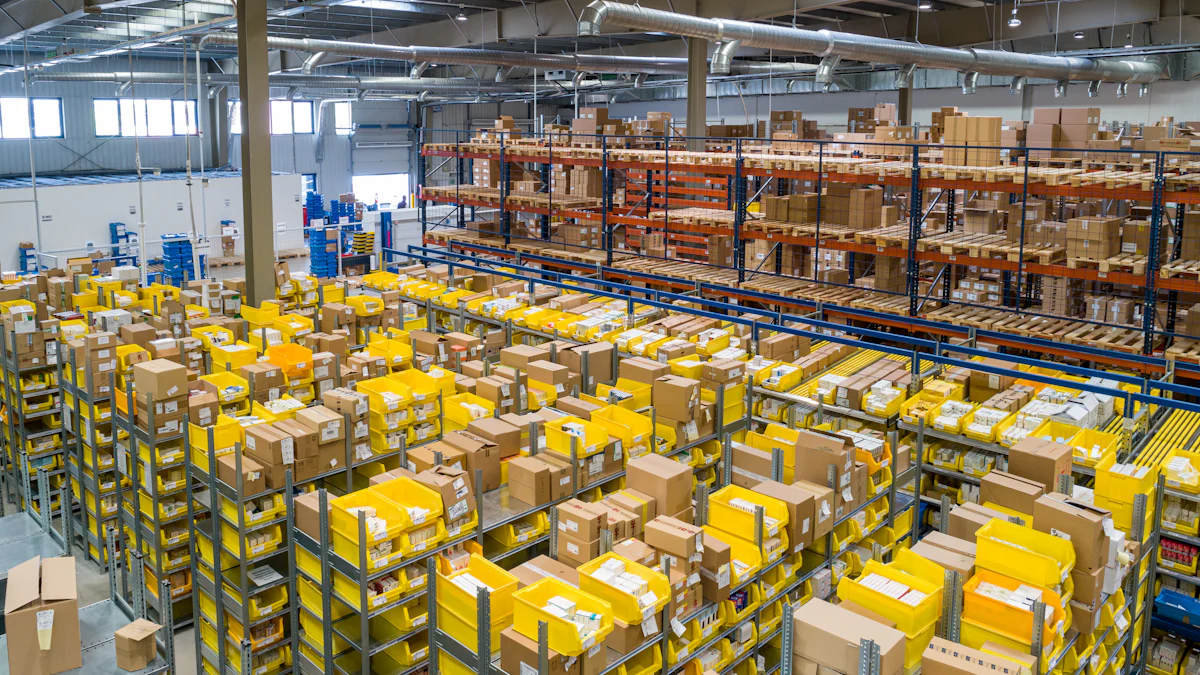
Real-time inventory tracking offers a game-changing advantage for Amazon sellers. Tools like Craftybase Manufacturing Software and SoStocked Inventory Management Tool provide seamless integration with Amazon stores. These tools help you monitor stock levels and forecast future demand accurately. By using these software solutions, you can ensure your inventory levels stay accurate and up-to-date.
Real-time updates bring several benefits to your business. You can avoid stockouts and overselling by having an accurate view of your inventory at all times. This transparency allows you to make informed decisions quickly. Automated alerts notify you when stock levels run low, so you can reorder products promptly. With real-time tracking, you maintain control over your inventory and enhance customer satisfaction.
Efficient Order Fulfillment in the Supply Chain
Streamlining the fulfillment process is crucial during Prime Big Deal Days. Efficient order fulfillment ensures that customers receive their orders on time. Amazon FBA Inventory Management Tools offer solutions to sync your inventory and streamline orders from Amazon and other sales channels. By using these tools, you can optimize your supply chain and improve order processing speed.
Handling returns and exchanges efficiently is another important aspect. A smooth return process enhances customer trust and loyalty. Implementing clear return policies and procedures helps manage returns effectively. Helium 10 Inventory Management Software provides centralized dashboards to track product information and manage returns seamlessly. By focusing on efficient order fulfillment, you can boost sales and maintain a positive reputation.
Post-Event Analysis
Evaluating Sales Performance
Metrics to Consider
After Prime Big Deal Days, take a close look at your sales performance. Focus on key metrics to understand how well you did. Check your sell-through rate. This rate shows how quickly you sold your inventory. Calculate it by dividing the total units sold and shipped by the average number of inventory units during the past 90 days. A high sell-through rate means you managed your stock well.
Look at your order defect rate too. This rate measures customer satisfaction. It includes negative feedback, A-to-Z claims, and chargeback rates. Keep this rate low to maintain a good seller reputation. Also, review your return rate. High returns might indicate issues with product quality or descriptions. Use these metrics to get a clear picture of your sales success.
Lessons Learned for Future Events
Reflect on what worked and what didn't during Prime Big Deal Days. Did you have enough inventory? If not, consider adjusting your forecasting methods. Analyze which products sold best and why. Products with high sales might need more focus in future events. If some items underperformed, think about why that happened.
Consider customer feedback as well. Positive reviews can highlight strengths in your offerings. Negative feedback can point out areas for improvement. Use these insights to refine your strategies. Learning from past experiences helps you prepare better for upcoming sales events.
Adjusting Inventory Strategies
Replenishing Stock
After the event, check your inventory levels. Make sure you have around 60 days of stock on hand. This amount covers expected sales volume without overstocking. Review Amazon's inventory reports to forecast future sales. Monitoring your sell-through rate helps you maintain the right balance.
Coordinate with suppliers to restock popular items quickly. Ensure timely deliveries to avoid stockouts. Properly labeled and organized products make restocking easier. Efficient replenishment keeps your business running smoothly.
Planning for Upcoming Sales Events
Start planning for the next big sales event. Use data from Prime Big Deal Days to guide your strategy. Identify trending products and focus on them. Products with upward trends might need more inventory. Keep an eye on market trends too. Changes in consumer behavior can affect demand.
Prepare your marketing plan early. Highlight best-selling products in your promotions. Create enticing offers to attract customers. Efficient inventory management supports successful sales events. With the right strategies, you can maximize profits and keep customers happy.
Effective inventory management stands as your key to success on Prime Big Deal Days. Keep best-selling products in stock and prevent overstocking slow-moving items. Use tools to track sales velocity and forecast demand accurately. Implement strategies to optimize warehouse layout and replenishment processes. Automated systems ensure stock is always in the right place at the right time. Preparation and adaptability will set you apart from competitors. Embrace these tips and watch your sales soar.
See Also
Enhance Your Company Using Advanced Inventory Strategies
Revealing Inventory Optimization: JUSDA's Proficiency
Mastery of Supply Chain Risk Management: Expert Advice
Unleashing Logistics Cost Savings: Insider Tips for Efficient Supply Chains
Discovering 5 Cutting-Edge Supply Chain Optimization Methods