The Evolution of the China-Europe Railway Express

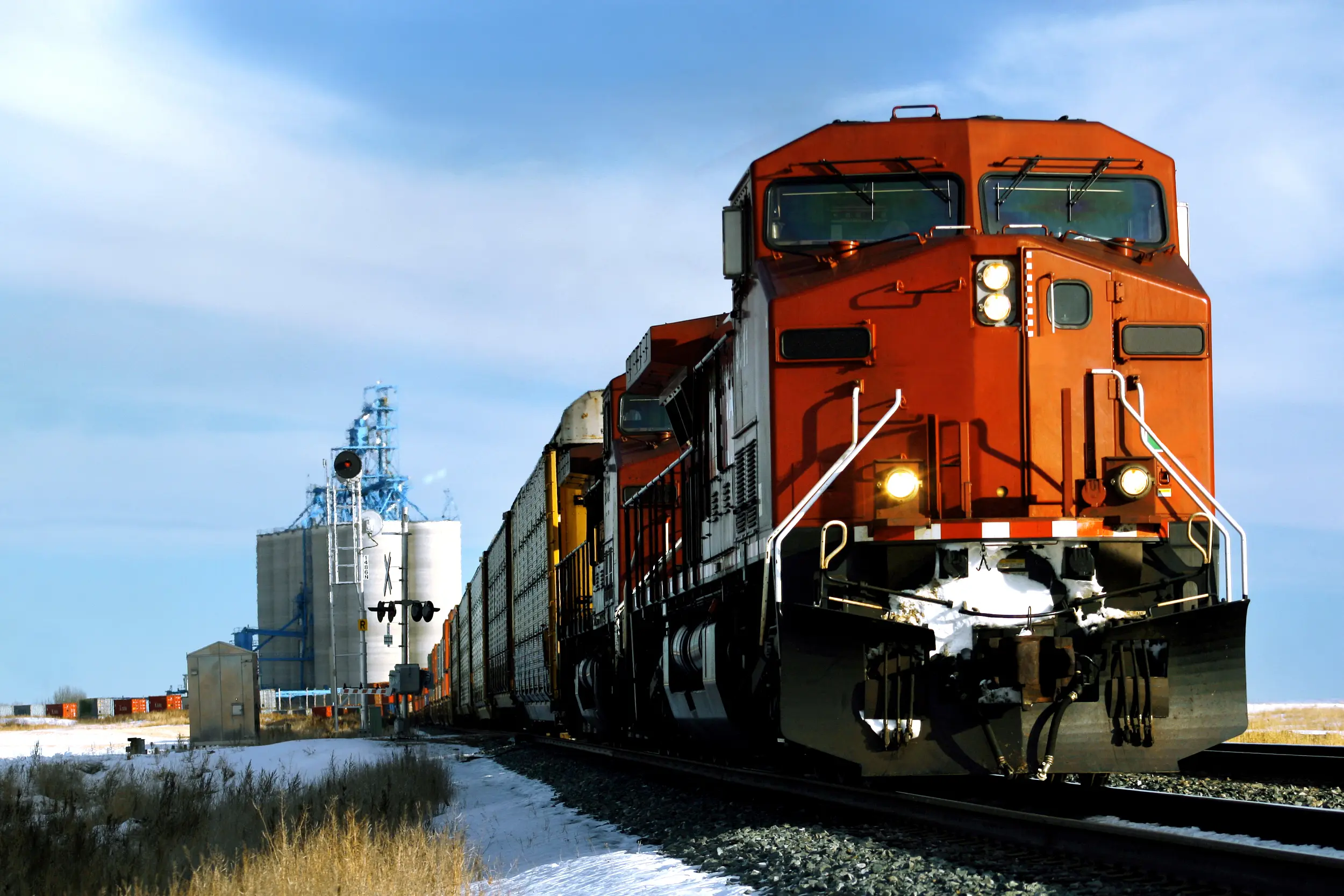
The China-Europe Railway Express has revolutionized international trade by bridging Asia and Europe with a cost-effective and efficient transportation alternative. This railway network has significantly enhanced global connectivity, offering a faster and more affordable option compared to air or sea freight. For example, rail freight costs are about 30% lower than air transport, making it a preferred choice for businesses. Over time, its impact has grown remarkably. In 2022, trade between China and 25 European countries connected by the railway reached 7.42 trillion yuan, up from 4 trillion yuan in 2013. This robust growth underscores the railway’s pivotal role in fostering economic collaboration and strengthening trade routes across continents.
Key Takeaways
The China-Europe Railway Express is cheaper and faster than planes or ships. It cuts transport costs by about 30%.
Since starting in 2011, the railway has grown trade between China and Europe. Trade went from 4 trillion yuan in 2013 to 7.42 trillion yuan in 2022.
New technology, like tracking and automatic loading, makes shipping easier. This helps businesses trust the railway more.
The railway helps share cultures and build business connections between Asia and Europe. It creates chances for teamwork and new projects.
The railway is eco-friendly. It lowers carbon pollution and supports green shipping. It’s a good example for future transport ideas.
Historical Milestones of the China-Europe Railway Express
Launch of the first freight train in 2011
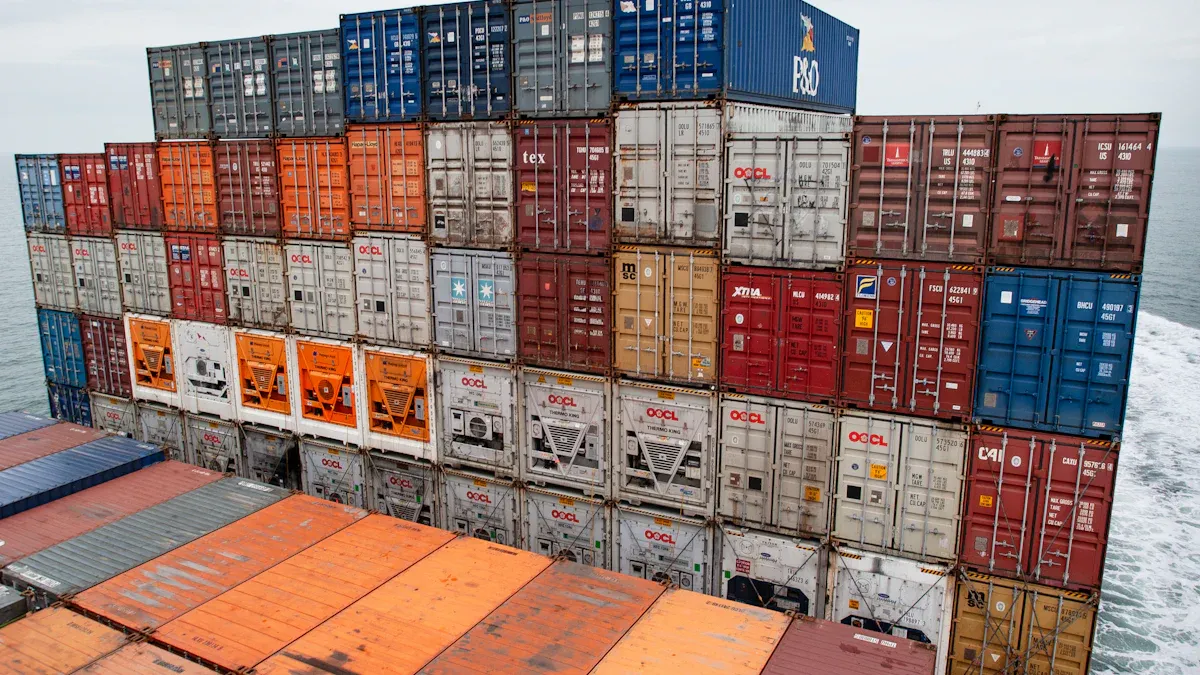
The China-Europe Railway Express began its journey in 2011, marking a significant milestone in global trade. On March 19, the first freight train departed from Chongqing, China, and arrived in Duisburg, Germany, establishing a direct rail link between Asia and Europe. This inaugural journey carried IT products, symbolizing the start of a new era in logistics.
Over the years, the scope of goods transported expanded dramatically. Today, the railway handles over 50,000 varieties of goods across 53 categories, ranging from electronics to agricultural products. By the end of 2021, the network had operated 49,000 freight trains, transporting 4.4 million containers. The return journey from Duisburg to Chongqing in March 2013 marked another milestone, as it initiated eastbound operations, further enhancing connectivity.
Note: The launch of the China-Europe Railway Express not only reduced transportation costs but also shortened delivery times, making it a preferred choice for businesses seeking efficiency.
Integration into the Belt and Road Initiative
The integration of the China-Europe Railway Express into the Belt and Road Initiative (BRI) amplified its impact on international trade. This strategic alignment led to a 25% increase in trade volumes between China and Central Asia and Eastern Europe over the past five years. The railway became a vital component of the BRI, fostering new economic corridors and reshaping trade patterns.
Significant investments in railway infrastructure supported this growth. New lines were developed, and border facilities were modernized to streamline operations. The Chinese government actively promoted the railway through financial incentives, ensuring its success as a global trade corridor. Rising demand, driven by globalization and e-commerce, further solidified its role in connecting markets across continents.
Growth in annual train operations and key achievements
The growth of the China-Europe Railway Express has been nothing short of remarkable. In 2016, the network operated 1,702 trains annually. By 2023, this number surged to over 17,000, reflecting a nearly tenfold increase. The time required to reach 10,000 trains decreased from 90 months to just six months, showcasing the efficiency and scalability of the railway system.
The value of annual cargo transported also experienced exponential growth. In 2016, it stood at $8 billion, but by 2023, it had risen to $56.7 billion. This growth highlights the railway’s ability to meet the demands of international trade while maintaining reliability and cost-effectiveness.
Year | Milestone Description |
|---|---|
2011 | First China-Europe Express train departs from Chongqing, marking the inception of the service. |
2011-2023 | Continuous development and expansion of transportation routes to numerous cities in China and Europe. |
2023 | Enhanced transportation efficiency, safety, and reliability through innovations in logistics and scheduling. |
The China-Europe Railway Express continues to evolve, addressing challenges such as inconsistent standards and low return traffic. Its achievements underscore its importance as a cornerstone of modern trade and connectivity.
Expansion and Technological Advancements
Development of new routes and destinations
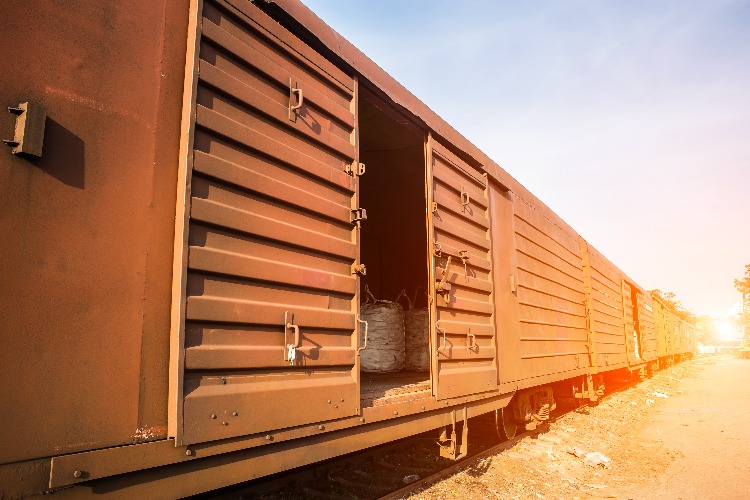
The China-Europe Railway Express has expanded significantly since its inception. It now operates along three major corridors: eastern, central, and western. These corridors connect over 50 cities in Mainland China to 217 cities across 25 European countries. This extensive network includes 73 routes, enabling businesses to access diverse markets across Asia and Europe.
The development of new routes has enhanced trade opportunities for smaller cities. For instance, cities like Yiwu in China and Malaszewicze in Poland have emerged as key hubs for freight operations. This expansion has also reduced the reliance on traditional trade routes, offering businesses more flexibility and cost-effective options for transporting goods.
Innovations in logistics and freight management
Technological advancements have played a crucial role in improving the efficiency of the China-Europe Railway Express. Advanced tracking systems now provide real-time updates, allowing businesses to monitor shipments with greater transparency. Automated loading systems have minimized handling times, ensuring faster processing of goods. Additionally, AI-driven scheduling has optimized train operations, leading to timely departures and arrivals.
These innovations have significantly reduced transit times and costs. The railway’s transportation cost is approximately one-fifth of air transport, while its transit time is about one-fourth of sea transport. These improvements make it an attractive option for businesses seeking reliable and efficient logistics solutions.
Enhanced cross-border coordination and customs efficiency
Efforts to streamline cross-border operations have further boosted the railway’s effectiveness. The adoption of a single CIM/SMGS standard consignment notice has simplified border-crossing procedures and reduced delivery times. In Kazakhstan, improved border-crossing processes have minimized delays, ensuring smoother operations.
Improvement Description | Impact on Customs Efficiency | Source |
|---|---|---|
Adoption of a single CIM/SMGS standard consignment notice | Substantial reduction in cargo delivery times | UNECE (2018) |
First entirely digitized multi-modal container shipment | Reduced processing time for freight papers by four days | Railfreight (2020) |
Streamlining of border-crossing procedures in Kazakhstan | Minimized border-crossing delays | N/A |
These advancements have strengthened the railway’s position as a vital trade corridor, fostering seamless connectivity between Asia and Europe.
Current Impact of the China-Europe Railway Express
Economic benefits for participating countries
The China-Europe Railway Express has significantly boosted the economies of participating countries. By improving logistics efficiency by an average of 4.55%, the railway has enhanced the output and income of urban logistics industries. This improvement has created a ripple effect, benefiting regional economies and fostering growth in trade and investment.
The measurable impacts on trade volumes and investment flows are noteworthy. For instance, the railway has contributed to a 2.3% increase in GDP growth rates and an 8,000-job rise in employment across connected regions. Additionally, the share of rail in Europe’s total imports from China grew from less than 1% in 2011 to 4% in 2020. These figures highlight the railway’s role in reshaping trade dynamics and strengthening economic ties between Asia and Europe.
Economic Indicator | Direct Impact (%) | Indirect Impact (%) | Total Impact (%) |
|---|---|---|---|
GDP Growth Rate | 1.5 | 0.8 | 2.3 |
Employment Growth ('000) | 5 | 3 | 8 |
Trade Growth Rate | 2.0 | 1.0 | 3.0 |
The railway’s ability to reduce trade distances has also improved the closeness centrality of China’s service industry in the EU trade network. This shift has facilitated a new pattern of international transport, enhancing trade efficiency and connectivity.
Strengthening cultural and business ties
The China-Europe Railway Express has not only transformed trade but also strengthened cultural and business relationships. Research shows that the railway positively influences media perceptions in countries along its route. This is attributed to economic growth, increased trade levels, and improved poverty conditions, which collectively enhance the overall view of China. The effect is particularly strong in countries with strategic relationships with China, non-OECD nations, and those geographically closer to China.
The railway has also fostered collaboration between businesses in Asia and Europe. By connecting over 50 cities in China to 217 cities in Europe, it has created opportunities for joint ventures, partnerships, and knowledge exchange. This connectivity has encouraged cultural exchange, as businesses and communities interact more frequently.
Tip: The railway’s role in bridging cultural gaps underscores its importance beyond economics, fostering mutual understanding and cooperation between regions.
Contribution to sustainable and resilient transportation
The China-Europe Railway Express has emerged as a model for sustainable and resilient transportation. Its operations have led to a 3.3% increase in green total factor productivity (GTFP) in node cities, demonstrating its contribution to environmentally friendly logistics. The railway also supports the concentration of high-end industries characterized by high output and low pollution, further enhancing its green credentials.
Metric | Description |
|---|---|
GTFP Increase | The average increase in green total factor productivity (GTFP) of node cities is 3.3%. |
Industrial Characteristics | Facilitates the concentration of high-end industries with low pollution. |
Innovation Flow | Enhances the flow of innovation factors, improving the innovation environment in node cities. |
By reducing reliance on air and sea freight, the railway has minimized carbon emissions while maintaining efficiency. Its ability to adapt to disruptions, such as the COVID-19 pandemic, has also highlighted its resilience. The railway ensured the uninterrupted flow of essential goods, proving its reliability as a global trade corridor.
The China-Europe Railway Express continues to set benchmarks for sustainable transportation. Its focus on innovation and environmental stewardship positions it as a key player in the transition to greener logistics solutions.
Future Prospects and Challenges
Role in the Silk Road Economic Belt
The China-Europe Railway Express plays a pivotal role in the Silk Road Economic Belt, a key component of the Belt and Road Initiative. Its rapid growth has exceeded expectations, with 56 lines established by 2018 and over 6,363 shifts achieved that year, surpassing the target of 5,000 shifts set by the National Development and Reform Commission. Major routes, such as Chongqing-Duisburg and Chengdu-Lodz, dominate cargo volumes, accounting for over 90% of annual freight.
Railway transport now handles one-third of all non-EU imports to the EU, though it represents only 3% of total EU-China trade value. Local governments have subsidized freight rates to make rail transport competitive, offering around $3,000 per container. However, the Chinese government plans to reduce these subsidies, signaling a shift toward market-driven operations. This adjustment reflects the evolving role of the railway within the Silk Road Economic Belt, emphasizing sustainability and efficiency.
Opportunities for Further Expansion and Partnerships
The China-Europe Railway Express continues to expand, driven by its efficiency in transporting high-value, time-sensitive goods. Service frequency has grown significantly, with an estimated 1,470 direct freight services from China to Europe last year. This growth highlights the railway’s potential to attract more businesses seeking reliable logistics solutions.
China’s promotion of new routes under the Belt and Road Initiative creates opportunities for strategic partnerships. For example, recent agreements include the export of 20 high-speed EMUs to Europe, expected to operate by 2025. These developments demonstrate the railway’s potential to foster deeper collaboration between Asia and Europe, enhancing trade and connectivity.
Addressing Challenges in Infrastructure and Geopolitical Dynamics
The railway faces challenges related to infrastructure and geopolitical tensions. The conflict between Russia and Ukraine has increased risks for routes passing through Russia and Belarus. To address this, alternative routes like the Southern Corridor are under development. This route, which passes through Kazakhstan, the Caspian Sea, Azerbaijan, and Georgia, offers reduced geopolitical risks but requires significant investment to improve capacity and efficiency.
Capacity limitations on existing routes also pose challenges. Investments in infrastructure, such as adding 10,000 kilometers of high-speed rail tracks by 2025, aim to enhance connectivity and reduce bottlenecks. These efforts will ensure the railway remains a resilient and reliable trade corridor despite external pressures.
The China-Europe Railway Express has transformed global trade by offering a faster, more reliable alternative to traditional shipping methods. With transit times of 12–15 days and a reliability rate of 95%, it has become a cornerstone of economic integration between Asia and Europe. Trade volume between these regions surged from 4 trillion yuan in 2013 to 7.42 trillion yuan in 2022, showcasing its impact on global connectivity.
Beyond trade, the railway fosters cultural exchange and strengthens ties between nations. By reducing transportation costs and time, it has encouraged collaboration across industries and regions. Its potential to further enhance economic and cultural relationships remains immense, as it continues to expand and innovate.
Note: The China-Europe Railway Express exemplifies how modern infrastructure can bridge continents, shaping a more connected and prosperous future.
FAQ
What is the primary purpose of the China-Europe Railway Express?
The China-Europe Railway Express connects Asia and Europe through a reliable freight network. It reduces transportation costs and delivery times, making it an efficient alternative to air and sea freight. This railway fosters trade, cultural exchange, and economic collaboration between participating countries.
How does the railway contribute to sustainability?
The railway reduces carbon emissions by offering an eco-friendly alternative to air and sea transport. It promotes green logistics by supporting industries with low pollution levels. Its operations also enhance innovation and green productivity in cities along its routes.
Which goods are commonly transported via the railway?
The railway transports over 50,000 types of goods, including electronics, machinery, textiles, and agricultural products. High-value and time-sensitive items often rely on this network due to its speed and reliability.
How has the railway impacted trade between China and Europe?
The railway has significantly increased trade volumes. For example, trade between China and 25 European countries reached 7.42 trillion yuan in 2022. It has also improved logistics efficiency, boosting GDP growth and employment in connected regions.
What challenges does the railway face?
The railway faces infrastructure limitations and geopolitical risks, such as conflicts affecting routes. Efforts to develop alternative corridors and expand capacity aim to address these challenges. Investments in technology and infrastructure improvements also enhance its resilience.
See Also
Preparing for the Transformation in Transportation Technology
Get Prepared: Discovering New Transport Tech for Supply Chains
Revealing Innovative Strategies for Supplier Ties in E-commerce
Uncovering Sea Freight Logistics Innovations for 2024
Transforming Logistics: How Supply Chain Innovations Are Changing