US Flight Schedules Trimmed as FAA Confronts ATC Staffing Shortfall; Recovery Seen Slower Post-Shutdown


Airlines face a major crisis as the FAA orders flight reductions at top U.S. airports. Over 10,100 flights have been canceled. A 6% cut in flights now affects 40 airports. Airlines expect the number of canceled flights to grow. The shutdown forced the FAA to reduce flights. Millions of travelers feel the impact. Flights in and out of busy cities face delays. Travelers experience canceled flights and longer waits. Chicago and Atlanta airports see the most canceled flights. Airlines adjust flights every day. The FAA tries to control the number of flights for safety. Flights remain uncertain for many.
Key Takeaways
The FAA told airports to cut flights by 6%. This is happening at 40 big airports. There are not enough air traffic controllers. This change affects millions of people who travel.
Travelers should look up their flight before leaving home. They should be ready for changes or delays. It is smart to have flexible travel plans.
Airlines now have more flexible rules. Passengers can change or cancel flights without paying extra fees. This helps make travel problems easier for everyone.
FAA Order and Flight Reductions Explained
Air Traffic Staffing Shortages: The Core Issue
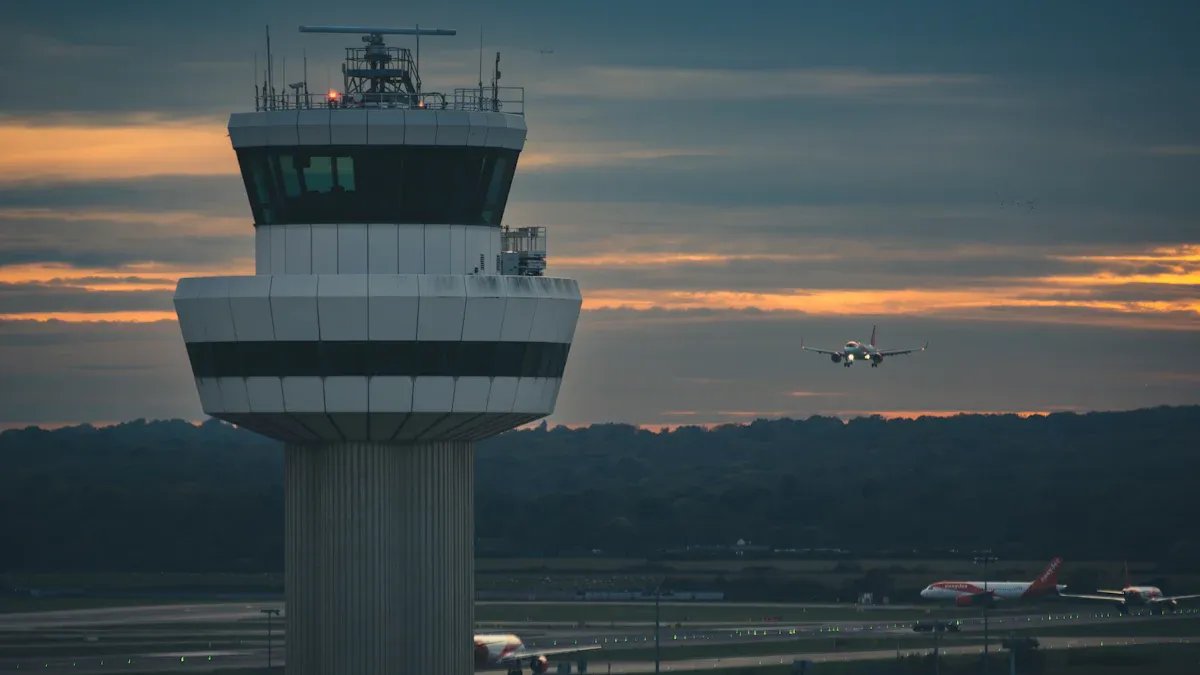
The faa told airlines to cut flights because there are not enough air traffic controllers. There are about 10,800 certified controllers working now. This is 3,800 fewer than what is needed for safety. The faa says it is short by about 3,500 controllers. Many controllers work six days each week. They also have to do extra hours. This makes it harder for travelers and airline crews to stay safe.
The shortage has been growing for years. In the last ten years, there are 3.9% fewer controllers. But the number of flights has gone up by 6.5%. The faa is trying to keep flights safe and meet the higher demand. The agency must keep planes safe, even with fewer people.
Scope of FAA Flight Reductions
The faa order affects 40 big airports in the country. The agency is making these cuts in steps. The first step started on November 7 with a 4% cut in flights. If Congress does not give more money, the cut will go up to 10% by November 14. The table below shows when these changes happen:
Date | Reduction Percentage | Details |
|---|---|---|
November 7 | 4% | First cut at 40 big airports starting at 6 a.m. ET. |
November 14 | 10% | Bigger cut if Congress does not give more money. |
The faa order is because of the government shutdown. The shutdown made the staffing problem worse. The faa controls over 44,000 flights every day. A 10% cut could mean 1,800 fewer flights and over 268,000 fewer seats. Airlines are changing their schedules. They let travelers change or cancel flights for free. The Department of Transportation says some places have enough staff, but the 6% freeze shows the agency’s limits.
Major Airports and Routes Affected
The faa order targets the busiest airports in the country. Here are some of the airports most affected:
Ted Stevens Anchorage International Airport (ANC)
Hartsfield-Jackson Atlanta International Airport (ATL)
Boston Logan International Airport (BOS)
Baltimore/Washington International Airport (BWI)
Charlotte Douglas International Airport (CLT)
Cincinnati/Northern Kentucky International Airport (CVG)
Dallas Love Field (DAL)
Ronald Reagan Washington National Airport (DCA)
Denver International Airport (DEN)
Dallas/Fort Worth International Airport (DFW)
Detroit Metropolitan Wayne County Airport (DTW)
Newark Liberty International Airport (EWR)
Fort Lauderdale/Hollywood International Airport (FLL)
Honolulu International Airport (HNL)
William P. Hobby Airport (HOU)
Washington Dulles International Airport (IAD)
George Bush Houston Intercontinental Airport (IAH)
Indianapolis International Airport (IND)
New York John F. Kennedy International Airport (JFK)
Las Vegas McCarran International Airport (LAS)
Los Angeles International Airport (LAX)
New York LaGuardia Airport (LGA)
Orlando International Airport (MCO)
Chicago Midway International Airport (MDW)
Memphis International Airport (MEM)
Miami International Airport (MIA)
Minneapolis–St. Paul International Airport (MSP)
Oakland International Airport (OAK)
Ontario International Airport (ONT)
Chicago O’Hare International Airport (ORD)
Portland International Airport (PDX)
Philadelphia International Airport (PHL)
Phoenix Sky Harbor International Airport (PHX)
San Diego International Airport (SAN)
Louisville International Airport (SDF)
Seattle–Tacoma International Airport (SEA)
San Francisco International Airport (SFO)
Salt Lake City International Airport (SLC)
Teterboro Airport (TEB)
Tampa International Airport (TPA)
The faa order also affects smaller airports. Airlines often cancel flights to small cities like Moline, Shreveport, Grand Junction, and Fresno. They do this to keep their best routes at big airports. The faa order means people in small cities may have fewer flights.
Airlines and airports have made changes to deal with new schedules. The table below shows some of these changes:
Change Type | Description |
|---|---|
Flight Reductions | The faa made a 4% cut in daily flights at 40 big airports. |
Schedule Adjustments | Airlines are changing schedules and letting people change or cancel flights for free. |
Staffing Levels | The Department of Transportation says some places have enough staff, so there is a 6% freeze. |
The faa order shows how important air traffic control is. The agency must keep flights safe with fewer controllers. The cuts will last until there are more staff or Congress gives more money.
Flight Disruptions: Impact on Travelers, Airlines, and Supply Chains
Cancellations, Delays, and Booking Changes
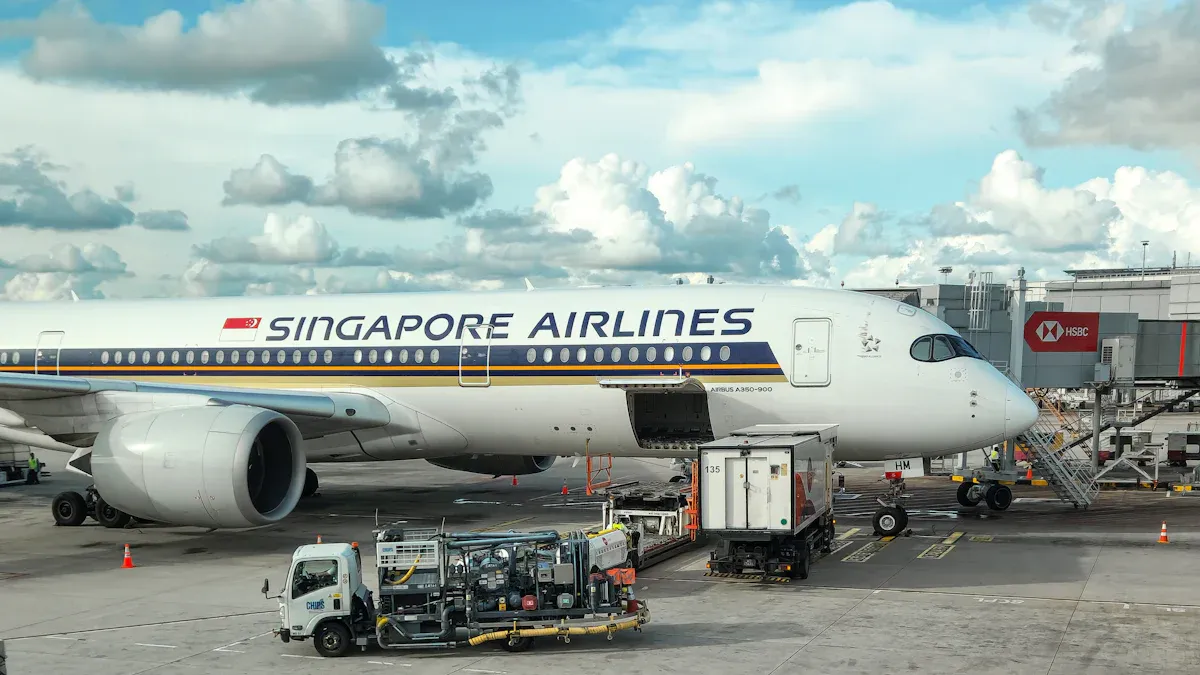
People in the United States have had many flight problems. The FAA told airports to cut flights. This made travel plans change fast for lots of people. Airlines stopped thousands of flights and made others late. On one day, over 10,000 flights were late. More than 3,200 flights did not happen. After the cuts started, Friday had about 1,000 flights canceled. Saturday had 1,500 flights canceled. Sunday had more than 2,700 flights canceled and over 10,000 delays. Since the cuts began, airlines have stopped more than 7,900 flights.
Passengers wait longer at airports now. Some people must book new flights or find other ways to travel. The FAA made a new system for complaints. Travelers can use it to share their stories. Complaints about airlines went up by 9% in 2024. The number of passengers only grew by 4%. This means more people are upset about flight problems.
Tip: Travelers should look up their flight before leaving home. They should also think about flexible travel plans.
Airline Responses and Flexible Policies
Airlines are changing how they help customers. They let people change or cancel flights without extra fees. Some airlines give refunds for tickets that are usually not refundable. These new rules help people when flights get canceled or delayed.
The table below shows what big airlines are doing to help:
Airline | Policy Description |
|---|---|
American Airlines | Refunds and rebooking with no penalty for canceled flights or if customers do not want to travel. |
Delta Air Lines | Rebooking with no fare difference for affected flights and refunds for canceled flights, even with delays. |
United Airlines | Refunds for customers who do not want to fly during restrictions, including nonrefundable tickets. |
Frontier Airlines | No change or cancellation fees for flights through Nov. 12, with some rules for cities and destinations. |
Airlines are losing a lot of money because of these problems. Airlines for America says the daily loss is between $285 million and $580 million. This includes lost money, fewer bookings, and extra costs for refunds. The total loss is hundreds of millions of dollars each day. Since October 1, about 5.2 million people have had canceled or late flights. The money loss will be very big at the end of the year.
JUSDA’s Role in Mitigating Supply Chain Disruptions
Flight problems do not just hurt travelers. They also make things hard for supply chains and shipping companies. Late flights can slow down important deliveries. Companies say paperwork and unclear messages make things worse. Rules and production slowdowns also stop goods from moving. Money problems and world events, like sickness or politics, can cause shortages and more delays.
JUSDA helps clients deal with these supply chain problems. The company uses smart technology to track packages and give updates. JUSDA’s JusLink platform connects partners and solves problems fast. JUSDA has over 155 service points around the world and many warehouses. It helps electronics, cars, medical health, and other industries. JUSDA offers air, land, sea, and rail shipping. It also has cloud warehousing and group shipping services. JUSDA’s solutions help clients avoid slowdowns, save money, and keep their supply chains working well during flight problems.
Note: JUSDA’s focus on new ideas and working fast helps businesses stay strong when flights get canceled or delayed.
Recovery Timeline and Future Outlook
FAA Staffing Recovery Post-Shutdown
The FAA has a lot of work to do before flights are normal again. They need more people working in control towers. The FAA has not said when flight limits will end. Flight cuts will stay until things get safer. Delays and canceled flights are still happening, even after the shutdown. Officials say these problems might last through the holidays.
The FAA is trying to hire and train new air traffic controllers faster. The table below shows what they are doing:
Measure Description | Details |
|---|---|
Streamlined Hiring Process | Reduced steps from eight to five, saving five months in hiring time. |
Financial Incentives | $5,000 for academy graduates and new hires; $10,000 for hard-to-staff locations. |
Expanded Training Resources | New Learning Center and more instructors. |
Medical and Security Clearance | Faster clearance with more medical staff. |
Veteran Controller Opportunities | On-the-spot hiring for military controllers. |
More controllers are retiring now, with up to 20 leaving each day. Some controllers missed paychecks and did not come to work. This made the shortage worse. The FAA will keep cutting flights until they have enough staff.
Long-Term Implications for Air Travel and Logistics
Not enough air traffic controllers have caused problems for over four million travelers since the shutdown. The National Air Traffic Controllers Association says controllers work longer hours without pay, which is not safe. Air travel helps the U.S. economy by about $1.3 trillion. If problems keep happening, it could hurt the economy a lot.
Travelers and businesses should get ready for more problems. Experts say to make new plans fast if flights are canceled. Airlines will try to put people on other flights, but seats may be hard to find. Travelers should sign up for flight alerts and check airline apps for news. Picking airlines with lots of flights to your city can help avoid problems.
Tip: Planning ahead helps travelers and businesses deal with flight changes and avoid long waits at airports.

JUSDA Solutions
To provide you with professional solutions and quotations.
The FAA told 40 airports to cut flights. This is because there are not enough air traffic controllers. Airlines keep having problems with flights and travel plans. The FAA has not said when things will get better. Logistics workers can use JUSDA’s tools to help with delays and save money.
Solution Type | Cost Reduction | |
|---|---|---|
Rail+Rail | 25-27 | 10% less than air freight |
Land+Rail | 23-25 | 10% less than air freight |
See Also
Unlocking Efficiency Through JUSDA's Innovative Logistics Technology
Understanding Inflation: Strategies for Managing Supply Chain Challenges
A Look Inside JUSDA's Training: Achieving Logistics Excellence
Redefining Efficiency: JUSDA's Approach to Logistics Optimization