Exploring the Future of Logistics Automation in 2024


Logistics automation is transforming how goods move from one place to another. You see its impact in faster deliveries and reduced errors. The logistics industry relies on automation to tackle labor shortages and boost efficiency. Technologies like AI, robotics, and IoT are at the forefront of this change. The market for logistics automation is booming. It is expected to grow from *$60.7 billion in 2023 to $68.08 billion in 2024*. This growth highlights the increasing importance of automation in logistics.
Technological Advancements in Logistics Automation
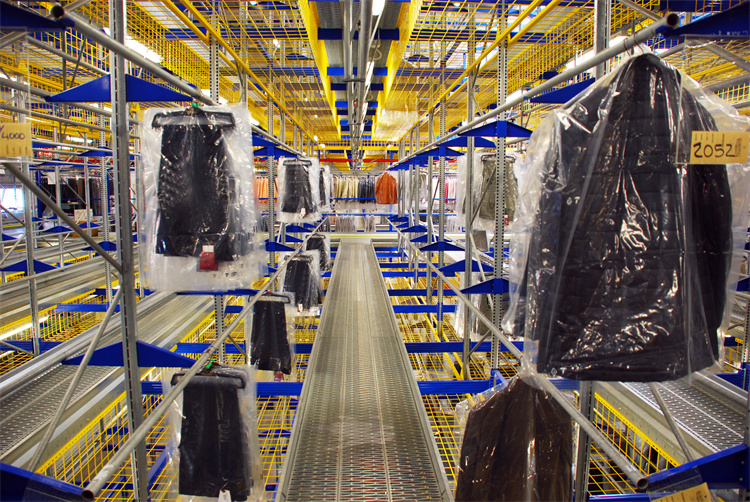
In 2024, logistics automation is set to revolutionize the industry with cutting-edge technologies. You will witness significant advancements that enhance efficiency and accuracy in supply chain operations. Let's explore these technological breakthroughs.
Integration of AI and Machine Learning
AI and machine learning play a crucial role in logistics automation. You can leverage predictive analytics to anticipate demand and optimize supply chain management. By analyzing vast amounts of data, AI predicts trends and helps you make informed decisions. This proactive approach minimizes disruptions and ensures smooth operations.
AI-driven decision-making processes empower you to streamline logistics tasks. With AI, you can optimize delivery routes, reduce fuel consumption, and improve sustainability efforts. Machine learning algorithms analyze data patterns, enabling you to manage demand fluctuations effectively. This integration enhances inventory management and order processing, making your logistics operations more efficient.
Robotics and Automation in Warehousing
Robotics is transforming warehousing. Autonomous vehicles and drones are becoming integral to logistics automation. You can use these technologies to accelerate delivery times and minimize human errors. Autonomous vehicles navigate warehouses, transporting goods efficiently. Drones offer quick and precise deliveries, especially in remote areas.
Automated storage and retrieval systems enhance warehouse efficiency. These systems organize and retrieve items with precision, reducing manual labor. You benefit from faster order fulfillment and improved inventory accuracy. Robotics in warehousing optimizes space utilization and boosts productivity, ensuring seamless logistics operations.
Internet of Things (IoT) in Logistics Automation
The Internet of Things (IoT) is revolutionizing logistics automation by providing real-time tracking and monitoring capabilities. IoT devices enable you to track shipments and monitor their conditions throughout the supply chain. This transparency enhances visibility and allows you to address issues promptly.
Smart inventory management becomes possible with IoT integration. You can monitor stock levels in real-time, ensuring optimal inventory levels. IoT sensors provide data on temperature, humidity, and other factors, ensuring product quality. This technology empowers you to make data-driven decisions, reducing waste and improving efficiency.
Industry Trends and Developments in Logistics Automation

In 2024, the logistics industry is witnessing significant trends that are reshaping operations. These developments focus on sustainability, e-commerce innovations, and globalization challenges. Let's delve into these trends and understand their impact on logistics automation.
Shift Towards Sustainable Logistics
Sustainability is becoming a cornerstone in logistics automation. You see companies adopting green technologies and practices to minimize environmental impact. Case Studies show that firms like Link Logistics implement a three-phased approach—measure, reduce, and offset—to advance decarbonization. This strategy not only benefits the environment but also drives value for businesses and customers.
Green Technologies and Practices
Green technologies play a pivotal role in sustainable logistics. AI and IoT optimize routes, reducing fuel consumption and emissions. Automated systems enhance resource utilization, supporting sustainable development goals. As a result, logistics operators increasingly implement eco-friendly practices to reduce their carbon footprint.
Impact on Carbon Footprint Reduction
The impact of these practices is profound. By integrating automation, you achieve efficient resource use and lower emissions. This shift aligns with the growing importance of sustainability in warehouse automation. Businesses prioritize reducing environmental impact to meet regulatory requirements and enhance brand reputation.
E-commerce and Last-Mile Delivery Innovations
E-commerce continues to drive innovations in logistics automation. The demand for faster and more efficient delivery solutions is higher than ever. You witness groundbreaking advancements in last-mile delivery, transforming how goods reach consumers.
On-demand Delivery Services
On-demand delivery services are revolutionizing logistics. You can now offer customers the convenience of receiving products quickly and efficiently. This trend enhances customer satisfaction and boosts your competitive edge in the market.
Use of Delivery Robots and Drones
Delivery robots and drones are at the forefront of last-mile delivery innovations. These technologies enable you to provide swift and precise deliveries, especially in urban areas. By leveraging robotics, you reduce delivery times and improve operational efficiency.
Globalization and Cross-Border Logistics
Globalization presents both challenges and opportunities in logistics automation. As international trade expands, you face complexities in cross-border logistics. However, innovative solutions are emerging to address these challenges.
Challenges in International Logistics
International logistics involves navigating complex regulations and diverse market demands. You encounter hurdles such as customs clearance and varying transportation standards. These challenges require strategic planning and efficient logistics automation.
Solutions for Efficient Cross-Border Operations
To overcome these challenges, you can implement advanced logistics automation solutions. Technologies like blockchain enhance transparency and security in freight tracking. By adopting these innovations, you streamline cross-border operations and ensure seamless global trade.
Implications and Future Predictions
Impact on Workforce and Employment
Logistics automation is reshaping the workforce landscape. You might notice job displacement as automation and robotics take over tasks traditionally performed by humans. Khalid Alhosni, an expert in the logistics industry, highlights that automation can lead to the displacement of certain job roles. However, this shift also opens up new opportunities for reskilling. You can learn new skills to adapt to the changing job market. Training programs focus on equipping you with the knowledge needed to work alongside advanced technologies.
New roles are emerging in logistics automation. You might find opportunities in areas like system maintenance, data analysis, and process optimization. These roles require a blend of technical skills and problem-solving abilities. By embracing these changes, you position yourself for success in the evolving logistics industry.
Economic and Business Impacts
Logistics automation offers significant economic benefits. You can achieve cost reduction and efficiency improvements by implementing automated systems. Automation streamlines operations, reducing labor costs and minimizing errors. This efficiency translates into faster delivery times and improved customer satisfaction.
Early adopters of logistics automation gain a competitive edge. By leveraging advanced technologies, you enhance your operational capabilities. This advantage allows you to meet customer demands more effectively and expand your market reach. As a result, businesses that embrace automation position themselves as leaders in the logistics industry.
Regulatory and Ethical Considerations
As logistics automation advances, you must address regulatory and ethical considerations. Data privacy and security concerns arise with the increased use of technology. You need to ensure that sensitive information remains protected throughout the supply chain. Implementing robust security measures safeguards data and builds trust with customers.
Ethical use of automation technologies is crucial. You should consider the impact of automation on society and the environment. By adopting responsible practices, you contribute to sustainable development. This approach aligns with the growing emphasis on ethical business practices in the logistics industry.
JUSDA's Role in the Future of Logistics Automation
JUSDA's Innovative Solutions
JUSDA stands at the forefront of logistics automation, offering innovative solutions that redefine supply chain management. You can benefit from their cutting-edge technologies designed to enhance efficiency and precision in logistics operations.
JusLink Intelligent Supply Chain
The JusLink Intelligent Supply Chain is a game-changer in logistics automation. It integrates IoT, cloud computing, and big data to provide real-time collaboration and information sharing. You gain unparalleled visibility into your supply chain, allowing you to make informed decisions quickly. This intelligent system optimizes operations, ensuring seamless management from raw materials to end consumers. By leveraging JusLink, you can enhance your logistics processes and achieve greater efficiency.
Cloud Warehousing and IoT Integration
JUSDA's cloud warehousing solutions revolutionize inventory management. You can monitor stock levels in real-time, ensuring optimal inventory control. The integration of IoT devices provides data on various factors such as temperature and humidity, ensuring product quality. This technology empowers you to make data-driven decisions, reducing waste and improving operational efficiency. With JUSDA's cloud warehousing, you can streamline your logistics operations and enhance overall productivity.
Industry-Specific Solutions by JUSDA
JUSDA offers tailored solutions for specific industries, addressing unique challenges and optimizing logistics processes. You can benefit from their expertise in various sectors, ensuring efficient supply chain management.
Electronic Manufacturing and 3C Home Appliances
In the electronic manufacturing and 3C home appliances sector, JUSDA provides comprehensive supply chain solutions. You can rely on their advanced technology to ensure precise tracking and efficient management of goods. JUSDA's strategic approaches set a new standard in logistics, offering seamless operations from production to delivery. By partnering with JUSDA, you can enhance your logistics processes and drive efficiency across your operations.
Automotive and New Energy Sectors
JUSDA excels in the automotive and new energy sectors, offering unparalleled supply chain solutions. You can benefit from their innovative approach and global reach, ensuring seamless operations from raw materials to end consumers. JUSDA's expertise in these industries allows you to optimize logistics processes and enhance overall efficiency. By leveraging their solutions, you can achieve greater operational capabilities and meet the demands of the evolving market.

JUSDA Solutions
To provide you with professional solutions and quotations.
You have explored the transformative impact of logistics automation in 2024. Key advancements like AI, robotics, and IoT are reshaping the industry, enhancing efficiency and sustainability. As you look beyond 2024, expect these technologies to evolve further, addressing labor shortages and meeting growing demands. Embracing these innovations positions you for success in a dynamic market. Automation not only streamlines operations but also creates new opportunities in tech and data management roles. By investing in technology and reskilling, you can navigate the future of logistics with confidence and adaptability.
See Also
Exploring the Hidden Power: AI Revolutionizing Logistics
Navigating the Future: Logistics Enhanced by Digital Tech
Advancements in Logistics Tech: Exploring Future Possibilities
Revolutionizing Logistics: AI's Impact on Future Supply Chains
Automating the Future: Benefits of High-Tech Manufacturing Warehouses