The Future of Supply Chains in Vietnam

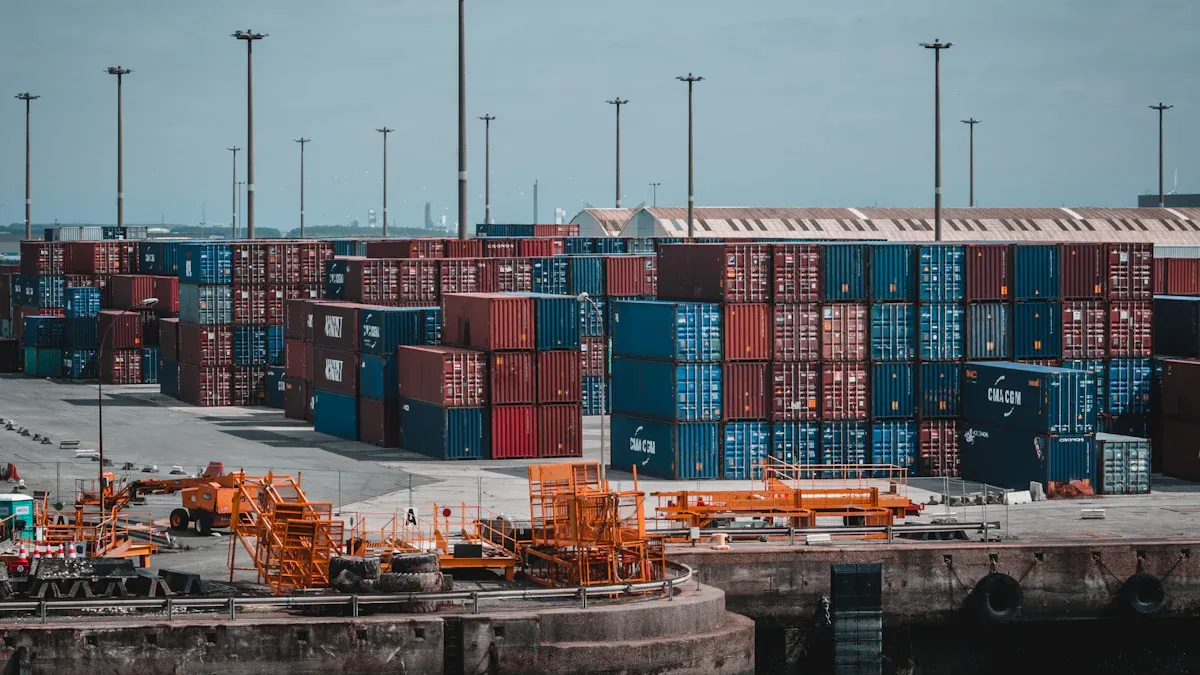
Vietnam plays a vital role in shaping the global supply chain landscape. As one of the fastest-growing economies, its strategic position in Southeast Asia connects businesses to major markets worldwide. In 2024, Vietnam’s total exports reached approximately $405.53 billion, marking a remarkable 14.3% growth from the previous year. These numbers highlight Vietnam’s rising influence in global trade. Understanding this evolution helps you identify opportunities and adapt to the future of supply chains.
Key Takeaways
Vietnam is in Southeast Asia and links big markets. This makes it important for global supply chains.
Building better roads and using new technology can make supply chains faster and cheaper.
Using smart tools like AI and IoT helps businesses plan better and move goods easily.
Being eco-friendly helps the planet and makes businesses stronger worldwide.
Working with local companies and teaching workers new skills helps businesses keep up with changes in supply chains.
Vietnam's Current Role in the Future of Supply Chains
Historical Context and Economic Growth
Vietnam’s economic transformation began in 1986 when the government shifted from a centrally planned economy to a market-based system. This transition, known as "Đổi Mới," laid the foundation for the country’s rapid growth. By 2017, Vietnam achieved a GDP growth rate of 6.8%, surpassing expectations. Manufacturing exports and domestic demand played a significant role in this success. The government’s commitment to sustainable reforms ensures that Vietnam remains a key player in global supply chains.
Economic Indicator | Description |
|---|---|
Transition to Market Economy | Since 1986, Vietnam has shifted from a centrally planned economy to a market-based economy. |
GDP Growth Rate | In 2017, Vietnam achieved a GDP growth of 6.8%, surpassing the target of 6.7%. |
Strong Manufacturing Sector | Growth driven by strong manufacturing exports and domestic demand. |
Free Trade Agreements | Vietnam has signed multiple FTAs, enhancing its integration into global supply chains. |
Infrastructure Challenges | Current infrastructure struggles to meet the needs of a growing middle class. |
Commitment to Sustainable Growth | The government is focused on reforms to ensure continued economic growth and stability. |
Recent Trade Agreements and Global Integration
Vietnam has embraced global trade through numerous free trade agreements (FTAs). These include the Comprehensive and Progressive Agreement for Trans-Pacific Partnership (CPTPP) and the EU-Vietnam Free Trade Agreement (EVFTA). These agreements reduce tariffs and open doors to major markets, making Vietnam an attractive destination for businesses. As a result, the country has become a hub for manufacturing and exports, particularly in electronics and textiles.
Vietnam’s eCommerce market also reflects its global integration. In 2022, the market generated $14 billion in revenue, with projections reaching $32 billion by 2025. This growth highlights Vietnam’s readiness to adapt to the future of supply chains.
Statistic Description | Value |
|---|---|
eCommerce market revenue in 2022 | |
Projected eCommerce market revenue by 2025 | US$32 billion |
Planned investment in seaport expansion | US$13.8 billion |
Target cargo capacity by 2030 | 1.1-1.4 billion tons |
GDP percentage spent on infrastructure | 6% |
Vietnam's Strategic Position in Regional Supply Chains
Vietnam’s location in Southeast Asia gives it access to major shipping routes. Its proximity to China enhances its appeal as a manufacturing hub. The government supports foreign investments with tax incentives and infrastructure upgrades, including roads and ports. These efforts improve supply chain efficiency and attract global businesses.
Vietnam serves as a bridge between East and West, facilitating global trade.
Manufacturing in electronics and textiles is expanding rapidly.
Low labor costs and a skilled workforce make Vietnam competitive.
Heavy investments in innovation and digital transformation enhance supply chain operations.
Vietnam’s strategic position and ongoing advancements solidify its role in the future of supply chains.
Challenges in Vietnam's Supply Chain Development
Infrastructure and Logistics Bottlenecks
Vietnam’s supply chain faces significant infrastructure and logistics challenges. Inadequate infrastructure slows the flow of goods and increases transit times. Many small delivery operators work independently, leading to fragmented transport networks and poor route planning. This inefficiency raises operational costs, especially for small and medium-sized enterprises (SMEs). Rising freight costs and volatile rates further complicate logistics, making it difficult for businesses like yours to manage expenses effectively.
Bottleneck Type | Description |
|---|---|
Fragmented delivery and transport networks | Many small operators work independently, leading to poor route planning and higher operational costs. |
Rising freight costs and volatile rates | Global shipping disruptions cause frequent fluctuations in freight rates, challenging SMEs. |
Infrastructure gaps and limited modal integration | Insufficient connections between warehousing and transport systems limit goods flow. |
Administrative bottlenecks and high logistics costs | Bureaucratic delays and outdated processes inflate logistics costs for SMEs. |
To address these issues, Vietnam is investing heavily in infrastructure upgrades. By improving connections between warehousing and transport systems, the country aims to streamline goods flow and reduce costs.
Workforce Development and Skill Gaps
The supply chain sector in Vietnam also struggles with workforce challenges. Many employees lack the skills needed to meet industry demands. Analytical and digital skills are highly valued, yet 70% of workers feel unprepared for these roles. Time constraints, high course costs, and poor internet access hinder skill development.
You can help bridge this gap by investing in employee training programs. Encouraging skills-based hiring and sharing information about in-demand skills can also create a more capable workforce.
Sustainability and Environmental Concerns
Sustainability is another pressing issue. Vietnam’s reliance on foreign investment in manufacturing highlights the need for green energy solutions. Companies like Lego have set an example by establishing carbon-neutral factories in the country. However, Vietnam must adopt green energy on a larger scale and develop a robust green finance framework to attract more eco-conscious investors.
Key areas for improvement include:
Reducing agricultural chemical usage.
Managing food waste and water resources.
Enhancing food quality and safety.
By prioritizing sustainability, Vietnam can strengthen its position as a global manufacturing hub while addressing environmental concerns.
Geopolitical Risks and Trade Dependencies
Geopolitical risks significantly influence Vietnam's supply chains. These risks include government policy changes, trade disputes, and regional tensions. They can disrupt operations by altering import/export regulations or imposing unexpected tariffs. For businesses like yours, understanding these risks is essential to maintaining smooth supply chain operations.
Vietnam's trade relationships reveal a complex dynamic. China remains its largest trading partner and import market. In 2022, Vietnam faced a trade deficit of $62 billion with China, highlighting its heavy reliance on Chinese imports. Critical components like semiconductors and machinery often come from China, making Vietnam vulnerable to supply chain disruptions. This dependency creates challenges when external shocks, such as geopolitical conflicts or economic slowdowns, occur.
At the same time, Vietnam enjoys a strong trade surplus with the U.S., reaching $170.6 billion in 2024. Exports in electronics, textiles, and footwear drive this surplus. However, this relationship is not without risks. U.S. tariffs on Vietnamese goods could lead to export declines and labor disruptions. Additionally, Vietnam faces scrutiny as a potential "transshipment hub" for Chinese goods, which could result in severe economic consequences.
Key trade dependencies and risks:
Heavy reliance on Chinese imports, including high-value goods like semiconductors.
Persistent trade deficit with China, signaling economic vulnerabilities.
Trade surplus with the U.S., but risks of tariffs and export restrictions.
Potential labeling as a "transshipment hub," leading to stricter trade policies.
Vietnam's trade structure also shows an imbalance. It exports low-value-added products to China while importing higher-value-added goods. This imbalance underscores the need for diversification. By reducing dependency on a single market and strengthening local production capabilities, you can mitigate risks and build a more resilient supply chain.
Tip: Diversifying suppliers and investing in local production can help you navigate these geopolitical challenges effectively.
Future Predictions for Vietnam's Supply Chains
Automation and Digitalization in Supply Chains
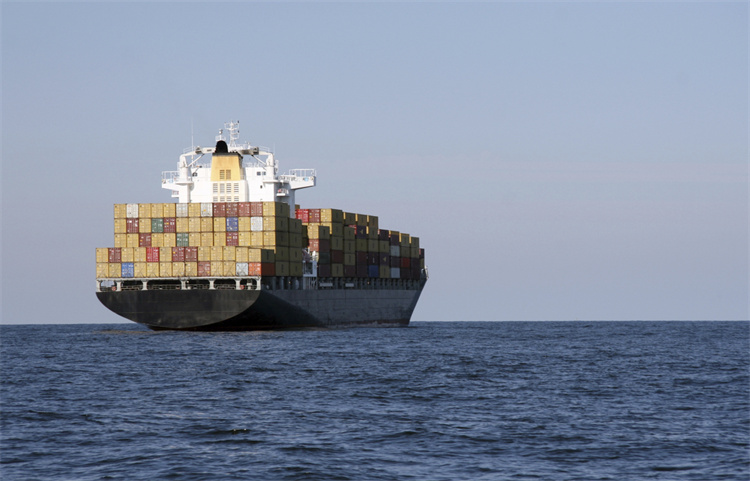
Automation and digitalization are reshaping Vietnam's supply chains, making them more efficient and reliable. Technologies like blockchain, IoT, and AI are transforming how businesses manage logistics. These tools improve transparency, reduce operational costs, and enhance decision-making. For example, IoT devices allow you to track shipments in real time, while AI algorithms optimize inventory management and demand forecasting. These advancements help you allocate resources effectively and minimize waste.
Automation also reduces human error and speeds up processes. AI-powered systems streamline tasks like order processing and warehouse management, saving time and money. By integrating these technologies, you can create a supply chain that adapts quickly to market changes. Over the next decade, Vietnam's supply chains will likely evolve into highly automated systems, driven by these innovations.
Tip: Embracing digital tools like AI and IoT can give your business a competitive edge in Vietnam's growing supply chain landscape.
Expansion of Green and Sustainable Supply Chains
Sustainability is becoming a cornerstone of Vietnam's supply chain strategy. The country's export growth rate, which averages 18% annually, highlights its role as a global trade leader. However, this growth comes with environmental challenges. To address these, Vietnam is encouraging businesses to adopt green practices. Financial incentives like low-interest loans and grants make it easier for small and medium-sized enterprises (SMEs) to invest in sustainable solutions.
Green certification programs also help you meet international environmental standards, enhancing your products' marketability. For example, adopting energy-efficient technologies or using eco-friendly materials can attract eco-conscious consumers. Vietnam's government is also working on clear regulations to guide businesses in implementing sustainable practices.
By prioritizing sustainability, you not only reduce your environmental impact but also align with global trends. This approach strengthens Vietnam's position as a leader in the future of supply chains.
Regional Supply Chain Integration and Growth
Vietnam's role in regional supply chains is expanding rapidly. Nearly 60% of Asia's trade now occurs within the region, reflecting a growing trend toward economic integration. Vietnam's participation in 16 Free Trade Agreements (FTAs), the highest in ASEAN, enhances its connectivity with neighboring countries. These agreements simplify trade processes and reduce barriers, making it easier for you to access regional markets.
The "China+1" strategy is another factor driving Vietnam's growth. Many companies are diversifying their production by setting up operations in Vietnam alongside China. This shift reduces risks and strengthens Vietnam's role as a manufacturing hub. Additionally, intra-ASEAN trade has grown significantly, with a target to double by 2025. This growth creates new opportunities for businesses like yours to expand within the region.
Vietnam's industrial sector is also expected to grow by 4% in 2025, driven by key industries like textiles and electronics. These developments position Vietnam as a critical player in Southeast Asia's supply chain network.
Did you know? The ASEAN+3 Macroeconomic Research Office projects a 4.2% growth for Southeast Asian economies in 2025, fueled by domestic demand and exports. This growth underscores the importance of regional trade and Vietnam's role in it.
JUSDA's Role in the Future of Supply Chains in Vietnam
JUSDA Vietnam's Contribution to Logistics and Trade
JUSDA Vietnam plays a pivotal role in enhancing logistics and trade efficiency. With over 15 years of experience, it offers comprehensive transportation services, including air freight, sea freight, and the Vietnam-China-Europe Railway Express. These services ensure faster delivery and cost-effective solutions for businesses like yours. JUSDA Vietnam’s self-owned customs team simplifies clearance processes, reducing delays and ensuring smooth operations. Its multilingual capabilities in Chinese, English, and Vietnamese further streamline communication, making it easier for you to navigate international trade.
The company’s warehousing capabilities also stand out. With 110,000 square meters of space across seven locations, JUSDA Vietnam provides advanced inventory management systems like eVMI and JusLink. These systems offer real-time stock tracking, helping you maintain better control over your supply chain. Value-added services such as picking, packing, and labeling enhance operational efficiency, allowing you to focus on core business activities.
JUSDA Solutions
To provide you with professional solutions and quotations.
Leveraging JusLink for Supply Chain Digitalization
JusLink, JUSDA’s intelligent supply chain platform, revolutionizes how you manage logistics. By integrating IoT, cloud computing, and big data, JusLink provides real-time visibility into your supply chain. This transparency helps you make informed decisions, optimize routes, and reduce costs. For example, IoT devices track shipments in real time, while big data analytics forecast demand and identify potential bottlenecks.
Digitalization through JusLink also improves collaboration. The platform connects suppliers, manufacturers, and distributors, ensuring seamless communication. This connectivity reduces errors and enhances efficiency. By adopting JusLink, you can stay ahead in the future of supply chains, leveraging technology to meet evolving market demands.
Industry-Specific Solutions for Electronics and Automotive
JUSDA offers tailored solutions for the electronics and automotive industries, addressing their unique challenges. In electronics, the focus lies on precision and traceability. JUSDA’s systems track components throughout the production process, ensuring quality and fault recognition. For automotive supply chains, flexibility and speed are critical. JUSDA adapts production processes to meet changing market demands, helping you stay competitive.
Metric | Description |
|---|---|
Cost Reduction | Developing cost-effective solutions to enhance profitability across the supply chain. |
Production Speed | Increasing the speed of production processes to meet market demands. |
Precision | Ensuring high accuracy in manufacturing to maintain quality standards. |
Flexibility | Adapting production processes to changing requirements and market conditions. |
Traceability | Implementing systems to track components and processes for quality assurance and fault recognition. |
These metrics highlight how JUSDA’s solutions improve efficiency and reliability. By partnering with JUSDA, you gain access to industry-specific expertise that drives growth and innovation.
Enhancing Efficiency with JUSDA's Advanced Warehousing
JUSDA’s advanced warehousing solutions help you streamline your supply chain operations. With 110,000 square meters of warehouse space across seven locations, JUSDA Vietnam offers facilities designed to meet diverse business needs. These include general warehouses, bonded storage, distribution centers, and clean rooms for sensitive materials. Each facility is equipped with cutting-edge inventory management systems like eVMI and JusLink, ensuring real-time stock tracking and transparency.
Did you know? JUSDA’s clean rooms comply with stringent environmental health standards, making them ideal for handling high-tech components like semiconductors.
Key Features of JUSDA Warehousing
JUSDA’s warehousing services provide several features that enhance efficiency:
Real-Time Inventory Management: Systems like JusLink allow you to monitor stock levels and track shipments instantly.
Value-Added Services: Picking, packing, labeling, and kitting save you time and reduce operational costs.
Specialized Storage: Clean rooms and bonded warehouses cater to industries requiring strict environmental controls.
Feature | Benefit |
|---|---|
Real-Time Tracking | Helps you avoid stockouts and overstocking. |
Value-Added Services | Simplifies your logistics processes. |
Clean Room Facilities | Ensures safe handling of sensitive materials. |
How JUSDA Warehousing Boosts Your Business
JUSDA’s warehousing solutions reduce delays and improve accuracy. Advanced systems like eVMI optimize inventory levels, minimizing waste and maximizing efficiency. Multilingual support in Vietnamese, English, and Chinese ensures smooth communication, helping you navigate complex logistics challenges.
By leveraging JUSDA’s warehousing expertise, you gain access to reliable storage, faster delivery, and cost-effective solutions. These advantages position your business for success in Vietnam’s evolving supply chain landscape.
Tip: Partnering with JUSDA gives you access to clean room sorting and professional inspection services, ensuring quality control for your products.
Strategic Recommendations for Stakeholders
Investing in Infrastructure and Technology
Investing in infrastructure and technology is essential for improving Vietnam’s supply chain efficiency. Upgrading transportation networks, seaports, and communication systems reduces delays and enhances goods movement. Integrated communication infrastructure allows real-time data exchange, helping you make informed decisions. Smart energy systems and flexible transportation modes also minimize urban congestion, ensuring smoother operations.
To encourage innovation, Vietnam can introduce funding schemes and incentives for pilot projects. These initiatives support the adoption of digital technologies like IoT and AI, which improve supply chain visibility and operational efficiency. For example, digitalization enables proactive strategies, helping you address challenges before they escalate. By prioritizing these investments, Vietnam strengthens its position in the future of supply chains.
Building a Skilled and Resilient Workforce
A skilled workforce is the backbone of a resilient supply chain. Training programs focused on digital and analytical skills prepare employees for evolving industry demands. Capacity-building initiatives, such as Digital Innovation Hubs, provide hands-on experience with emerging technologies. These efforts bridge skill gaps and empower workers to adapt to new challenges.
Investing in human capital also boosts supply chain resilience. Studies show that trained employees improve operational efficiency, especially in vulnerable regions like Vietnam. By fostering a culture of continuous learning, you can build a workforce capable of navigating complex supply chain dynamics.
Strengthening Public-Private Partnerships
Public-private partnerships (PPPs) drive innovation and modernization in Vietnam’s supply chains. Collaboration between the government and private sector accelerates the adoption of advanced technologies like AI and big data. These tools enhance transparency and streamline operations, benefiting businesses like yours.
Reforming regulations to support PPPs creates a favorable environment for innovation. For instance, Vietnam’s healthcare sector has leveraged PPPs to improve digital transformation. Similar strategies can be applied to supply chains, fostering growth and resilience. By working together, stakeholders can unlock new opportunities and strengthen Vietnam’s supply chain ecosystem.
Emphasizing Sustainability and Innovation
Sustainability and innovation are essential for building resilient supply chains in Vietnam. By adopting sustainable practices, you can reduce waste, lower emissions, and improve operational efficiency. These efforts not only benefit the environment but also enhance your business reputation and competitiveness in global markets.
One effective way to achieve sustainability is by implementing industry-wide standards. Clear guidelines help suppliers align their practices with environmental goals. This shared framework fosters collaboration and improves sustainability outcomes across the supply chain. For example, adopting green energy solutions or using recyclable materials can significantly reduce your environmental footprint.
Innovation plays a critical role in driving these changes. Advanced technologies like AI and IoT enable you to monitor resource usage and optimize processes in real time. For instance, IoT devices can track energy consumption, while AI algorithms identify inefficiencies and suggest improvements. These tools help you make data-driven decisions that enhance both sustainability and productivity.
Tip: Sustainable supply management practices not only protect the environment but also boost your social reputation. Customers and investors increasingly favor businesses that prioritize eco-friendly operations.
A study highlights that effective environmental management positively impacts operational performance. Reducing resource waste and harmful emissions leads to cost savings and improved efficiency. These benefits make sustainability a strategic advantage for your business.
By embracing innovation, you can stay ahead of industry trends and meet evolving consumer demands. Combining sustainability with cutting-edge technology positions your business as a leader in Vietnam’s supply chain transformation. This approach ensures long-term growth while contributing to a greener future.
Vietnam holds immense potential to lead the future of supply chains. Its strategic location, growing industries, and commitment to innovation position it as a global logistics hub. To unlock this potential, you must address key challenges. Investing in digital technologies enhances visibility and streamlines operations. Focusing on last-mile delivery supports e-commerce growth. Sustainability practices meet consumer demands while reducing environmental impact. Collaborating with local partners and training the workforce ensures adaptability in a dynamic market. By embracing these strategies, you can contribute to Vietnam’s rise as a leader in global supply chains.
Call to Action: Join forces with policymakers, businesses, and investors to innovate and build a resilient supply chain ecosystem in Vietnam.
FAQ
1. What industries benefit most from Vietnam’s supply chain growth?
Electronics, textiles, and automotive industries benefit significantly. Vietnam provides cost-effective manufacturing, skilled labor, and advanced logistics solutions. These advantages make it an ideal destination for businesses in these sectors to grow and compete globally.
2. How can you leverage Industry 4.0 technologies in Vietnam?
You can adopt tools like IoT, AI, and big data to optimize supply chain operations. These technologies improve transparency, enhance decision-making, and reduce costs. By integrating them, you stay competitive in Vietnam’s evolving supply chain landscape.
3. What steps can businesses take to address Vietnam’s supply chain challenges?
Invest in workforce training, adopt digital technologies, and diversify suppliers. Collaborate with local partners to navigate infrastructure gaps. Focus on sustainability to align with global trends. These strategies help you overcome challenges and build a resilient supply chain.
Tip: Partnering with experienced logistics providers like JUSDA ensures smoother operations and access to advanced solutions.
See Also
Transforming Logistics for the Future with AI Supply Chains
Career Advancement Opportunities in Tomorrow's Supply Chain
Improving Supply Chain Efficiency Through Cloud Technology
Cloud Solutions Revolutionizing Supply Chains Across Various Industries
Addressing Global Supply Chain Growth Challenges Effectively