Future-Proofing Your North American Logistics

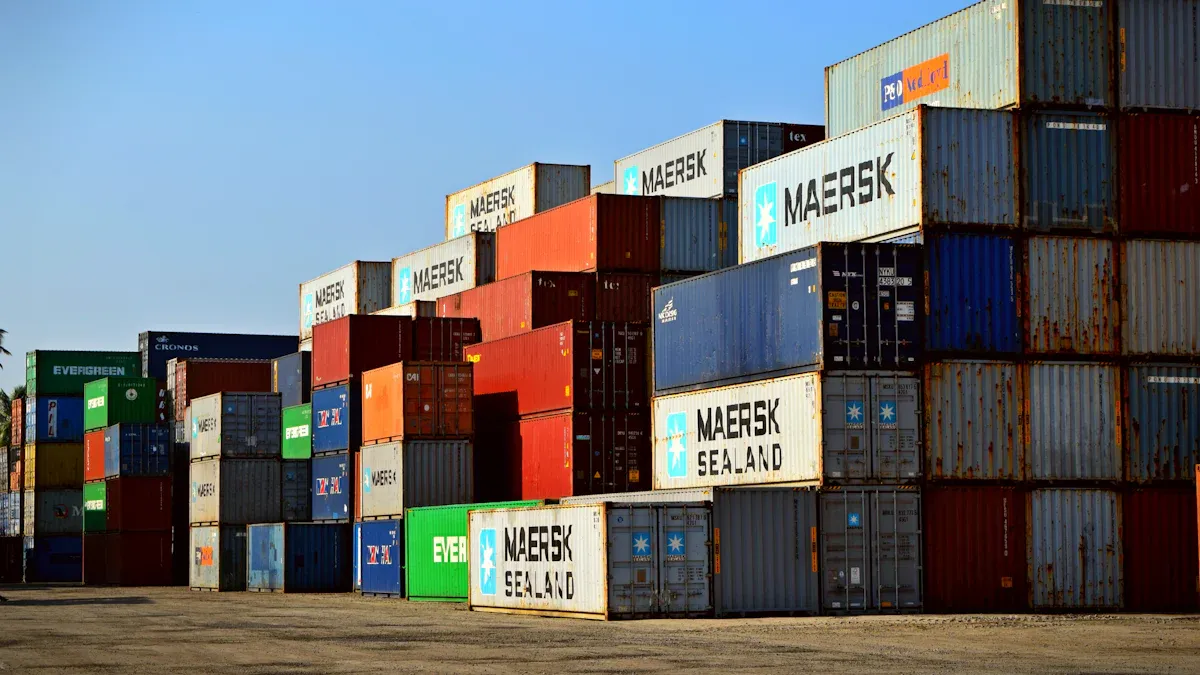
You see nearshoring and reshoring change how goods move across North America. These trends bring new challenges, like more complex cross-border logistics and a fragmented supplier base. Companies now face longer recovery times after disruptions, with averages rising from 2 weeks to 6 weeks. Major interruptions can cost 6-10% of yearly revenue, and customer satisfaction can drop by up to 40%. You can respond to these changes. By focusing on Future-Proofing Your Logistics, you gain resilience, control costs, and protect your business from uncertainty.
Key Takeaways
Real-time tracking improves shipment visibility. Use GPS and RFID systems to reduce delivery times and operational costs.
Sustainable logistics practices save money and enhance your reputation. Consider reusable packaging and electric vehicles to lower your environmental impact.
AI-driven planning optimizes inventory management. Leverage AI for demand forecasting to avoid overstocking and improve customer satisfaction.
Build strong partnerships for resilience. Collaborate with suppliers and carriers to enhance flexibility and respond quickly to disruptions.
Proactive risk management is essential. Use technology to monitor shipments and train your team to identify and address potential issues.
Enhancing Visibility with Asset Tracking

Real-Time Tracking Benefits
You want to know where your shipments are at all times. Real-time asset tracking helps you do this. Many North American logistics companies use GPS and RFID tracking systems. These tools let you see the exact location of your goods. You can act quickly if something goes wrong. In 2023, about 60% of logistics companies reported a 25% reduction in delivery times and a 10% decrease in operational costs after using these systems. Over 70% of supply chain companies saw a 20% drop in lost or delayed shipments and a 15% improvement in inventory turnover rates. You save money and keep your customers happy.
JUSDA in North America’s quote management and tracking systems give you clear updates. You can check the status of your shipments and quotes at any time. This makes your business more reliable and helps you plan better.
Implementing Transparent Systems
You build trust when you share information with your partners and customers. Transparent asset tracking systems help you do this. These systems support compliance, risk management, and customer trust. Look at the table below to see how real-time tracking helps your business:
Benefit | Description |
|---|---|
Enhanced Visibility | Real-time tracking provides exact and current information about the movement and condition of goods. |
Proactive Problem Solving | You can act before small issues escalate, improving overall efficiency. |
Improved Teamwork | Collaboration among suppliers, manufacturers, and retailers leads to smoother operations. |
You can use technologies like IoT, AI, RFID, GPS, and cloud-based solutions. These tools collect and share data about your assets. IoT sensors monitor goods during transport. GPS tracks vehicles and shipments. RFID tags identify items automatically. Cloud-based software stores all your tracking data in one place.
AI helps you follow rules and regulations. It automates monitoring and documentation. You stay ahead of compliance challenges. AI algorithms analyze data from many sources. You make quick decisions and adjust your logistics strategies to avoid disruptions.
When you use transparent systems, you support Future-Proofing Your Logistics. You keep your business strong and ready for change.
Sustainable Logistics Solutions

Reusable Packaging Strategies
You can make your logistics operations more sustainable by using reusable packaging. Many companies in North America have already made this change. In the US, 66% of organizations now use reusable packaging systems. Most of these companies see big benefits:
69% report a smaller environmental footprint.
61% see cost savings as a major advantage.
Reusable packaging helps you meet strict rules for hazardous materials. You must keep these containers clean and safe. This prevents contamination and keeps your goods secure. You can set up in-house washing stations or use rental services to make sure your packaging meets safety standards. These steps help you follow regulations and protect your team.
Tip: Regularly check and maintain your reusable containers. This keeps your operations safe and compliant.
Environmental and Cost Impact
Sustainable logistics solutions do more than help the planet. They also save you money. When you use green practices, you cut waste and improve efficiency. This leads to lower costs over time. Companies that use sustainable logistics often see long-term savings and better performance.
You can also help reduce carbon emissions. For example, using electric vehicles and planning better delivery routes can cut fuel use by up to 20%. Big companies like FedEx and UPS now invest in electric trucks to lower their carbon footprints. The demand for green logistics is growing fast. Experts expect it to reach $50 billion in 2025 and $350 billion by 2030.
Here are some key benefits of sustainable logistics:
Lower operational costs from less waste and better resource use.
Improved company reputation and stronger compliance with regulations.
Reduced environmental impact through cleaner vehicles and smarter routes.
By choosing sustainable solutions, you support Future-Proofing Your Logistics. You build a business that is ready for new challenges and changes.
AI and Digital Transformation in Logistics
AI-Driven Planning
You can use AI to make your logistics smarter and faster. AI helps you plan better by looking at lots of data and finding patterns. Many companies in North America use AI for demand forecasting, route planning, and warehouse management. You see real results when you use these tools. For example, PepsiCo improved forecast accuracy by 10%. Unilever saw a 75% boost in forecast precision. Coca-Cola reduced inventory buffer stock by up to 20%.
AI-driven planning helps you avoid overstocking and shortages. You can keep just the right amount of inventory. This saves money and keeps your customers happy. AI also helps you spot problems early and fix them before they grow. You get faster deliveries and better service.
Here is a table showing common AI applications and their benefits:
Application | Measurable Benefits |
|---|---|
Supply Chain Refinement | Improves fulfillment rates and customer satisfaction. |
Logistics Process Automation | Saves time and reduces manual errors. |
Adaptive Demand Forecasting | Prevents overstocking or shortages. |
Dynamic Route Optimization | Improves delivery speed and customer satisfaction. |
Cognitive Warehouse Management | Optimizes space and labor usage. |
AI helps you carry less excess stock while meeting service goals. You lower costs and improve cash flow.
Data Integration and Automation
You can connect all your systems using cloud and blockchain technology. Cloud computing lets you share data in real time with your team and partners. Blockchain keeps your records safe and cannot be changed. These tools make your logistics more secure and efficient.
Cloud computing gives you instant access to important information.
Blockchain creates trust and reduces fraud risks.
You can work with others easily and keep your data safe.
You should break down data silos and use cloud-based platforms. APIs and middleware help your systems talk to each other. When you automate your processes, you save time and reduce mistakes. Intelligent Document Parsing and Computer Vision can cut operational overhead by 40% and improve service levels by 30%.
You make better decisions when you see all your data in one place. You respond faster to changes and keep your business strong. By using AI, cloud, and blockchain, you support Future-Proofing Your Logistics and stay ready for new challenges.
Cross-Border and Industry-Specific Solutions
US-Mexico Logistics Expertise
You face many challenges when moving goods between the US and Mexico. Border crossing bottlenecks can slow down your shipments. Language barriers and cultural differences make communication harder. Capacity constraints and customs compliance issues can lead to delays and higher costs. The COVID-19 pandemic added new health measures and uncertainties to transportation.
JUSDA in North America helps you overcome these obstacles. You benefit from strong cross-border experience and expertise. Secure facilities for cross-docking and storage keep your goods safe. A broad network in both countries gives you reliable service. Real-time tracking and communication tools help you see where your shipments are at all times. In-house customs brokerage capabilities and strong partnerships with brokers and carriers make your operations smoother.
You can follow these steps to improve your cross-border logistics:
Plan ahead and use technology for better tracking.
Hire bilingual staff to solve language problems.
Build strong partnerships with trusted carriers and brokers.
Tip: Local expertise helps you understand Mexico’s policies and avoid unexpected issues.
Specialized Handling for Key Industries
You need special solutions for industries like electronics, automotive, medical devices, and oil & gas. Each industry has unique needs. For example, medical devices often require temperature-sensitive shipping and strict compliance. Electronics and automotive parts need careful handling and fast delivery. Oil & gas shipments must follow safety rules for hazardous materials.
JUSDA in North America provides tailored logistics for these industries. You get risk management and regulatory compliance for hazardous materials. The team identifies potential risks and uses proactive strategies to keep shipments safe. Proper documentation and automated tracking systems help you avoid border delays and penalties.
Here is a table showing how leading companies use specialized logistics solutions:
Company | Specialized Solution Description |
|---|---|
XPO Logistics | Advanced warehouse management and temperature-sensitive healthcare logistics. |
FedEx | Dedicated healthcare logistics for medical device suppliers and providers. |
IBM & Maersk | Blockchain technology for traceability and compliance in medical device shipments. |
Siemens & Honeywell | IoT and automation for real-time monitoring of temperature-sensitive medical devices. |
You can use data analytics to spot compliance risks before shipping. Digital platforms help you choose routes that avoid customs delays. Compliance software makes sure you follow transportation, safety, and environmental rules.
By choosing specialized solutions and strong risk management, you support Future-Proofing Your Logistics. You keep your supply chain safe, efficient, and ready for change.
Future-Proofing Your Logistics: Strategies for Adaptability
Proactive Risk Management
You face many risks in logistics. Transportation delays, regulatory issues, and security threats can disrupt your supply chain. You must act before problems grow. Proactive risk management helps you stay ahead.
You can use technology to track shipments and monitor cargo. GPS tracking and surveillance systems give you real-time updates. Proper documentation and secure packaging protect your goods from tampering. You should train your team and run regular audits to spot weak points.
Here is a table showing common risks and how you can manage them:
Common Risks in Logistics | Proactive Management Techniques |
|---|---|
Transportation delays | Regular audits |
Regulatory noncompliance | Training |
Security breaches | Leveraging technology |
Vehicle-related accidents | Contingency plans |
Manual handling injuries | Cargo security measures |
You can also measure your risk management strategies. Track your delivery success rate and response time to disruptions. Monitor supplier reliability and near misses. These steps help you see what works and what needs improvement.
Digital transformation is not just an option – it's a strategic imperative. Companies must diversify their supply bases, engage in scenario planning, and invest in unified technology solutions to build resilient, future-proof supply chains.
You should identify key risk indicators, collect data, and analyze trends. This helps you make better decisions and keep your supply chain strong. Many logistics leaders use AI and automation to improve efficiency and reduce costs. You can use these tools to manage risks and adapt quickly.
Building Resilient Partnerships
You need strong partnerships to keep your logistics flexible. Strategic partnerships give you access to more resources during a crisis. You can respond faster to disruptions. Collaborative networks help you share information and align goals with other businesses.
You should build ties with suppliers, manufacturers, and distributors. Good communication helps you solve problems quickly. Diversifying your supply chain channels reduces your dependence on one supplier. This makes your operations more secure.
IoT integration offers real-time data and visibility.
Sustainable practices balance efficiency with environmental needs.
JUSDA in North America helps you build resilient partnerships. You get access to a broad carrier network and specialized services. You can manage hazardous materials safely and follow regulations. These partnerships prepare you for market changes and disruptions.
You should also manage your inventory wisely. Work with multiple suppliers across different regions. This ensures you have materials even if one source fails. Strategic inventory management keeps your supply chain moving.
Ongoing assessment and adaptation are key. You must review your strategies and adjust to new trends. Automation saves labor and reduces costs. IoT and cloud computing help you scale operations and track shipments. Elastic logistics lets you adjust your supply chain to meet demand.
The study highlights the importance of climate adaptation strategies in logistics. Adaptation strategies are crucial for future readiness in the transport sector.
You support Future-Proofing Your Logistics when you combine technology, sustainability, and strong partnerships. You build a supply chain that can handle disruptions and changes. You stay ready for whatever comes next.
You can overcome North American logistics challenges by focusing on visibility, sustainability, digital transformation, cross-border expertise, and adaptability. Partnering with JUSDA in North America gives you access to innovative solutions and strong carrier networks.
Real-time tracking and AI-driven analytics improve efficiency.
Green initiatives and flexible networks build resilience.
Take these steps to evaluate your logistics strategy:
Adapt to market changes.
Invest in technology. Future-Proofing Your Logistics helps you stay ahead as customer expectations and industry trends evolve.
FAQ
What industries benefit most from JUSDA in North America?
You see the biggest benefits in electronics, automotive, medical devices, and oil & gas. JUSDA tailors solutions for each industry. You get specialized handling, compliance support, and risk management for your unique needs.
How does JUSDA help you manage hazardous materials?
You follow strict safety rules with JUSDA. The team trains you on regulations and provides secure packaging. You track shipments in real time. This keeps your goods safe and your business compliant.
Can you improve cross-border logistics with JUSDA?
Yes, you can. JUSDA offers strong networks and local expertise for US-Mexico shipments. You get help with customs, bilingual support, and real-time tracking. This makes your cross-border operations smoother and faster.
What technology does JUSDA use to boost logistics efficiency?
You use AI, cloud computing, and blockchain with JUSDA. These tools help you track assets, automate tasks, and share data securely. You make better decisions and respond quickly to changes.
Tip: Review your logistics technology every year. You stay ahead of new trends and keep your supply chain strong.
See Also
Transforming Future Logistics Through AI Supply Chain Solutions
Exploring Innovative Technologies Shaping The Future Of Logistics
Embracing Digital Innovations For The Future Of Logistics
Achieving Success In High-Tech Manufacturing Through Lean Logistics
The Transformative Effects Of Supply Chain Innovations On Logistics