Future Trends of Mexico Nearshoring in Supply Chain Management

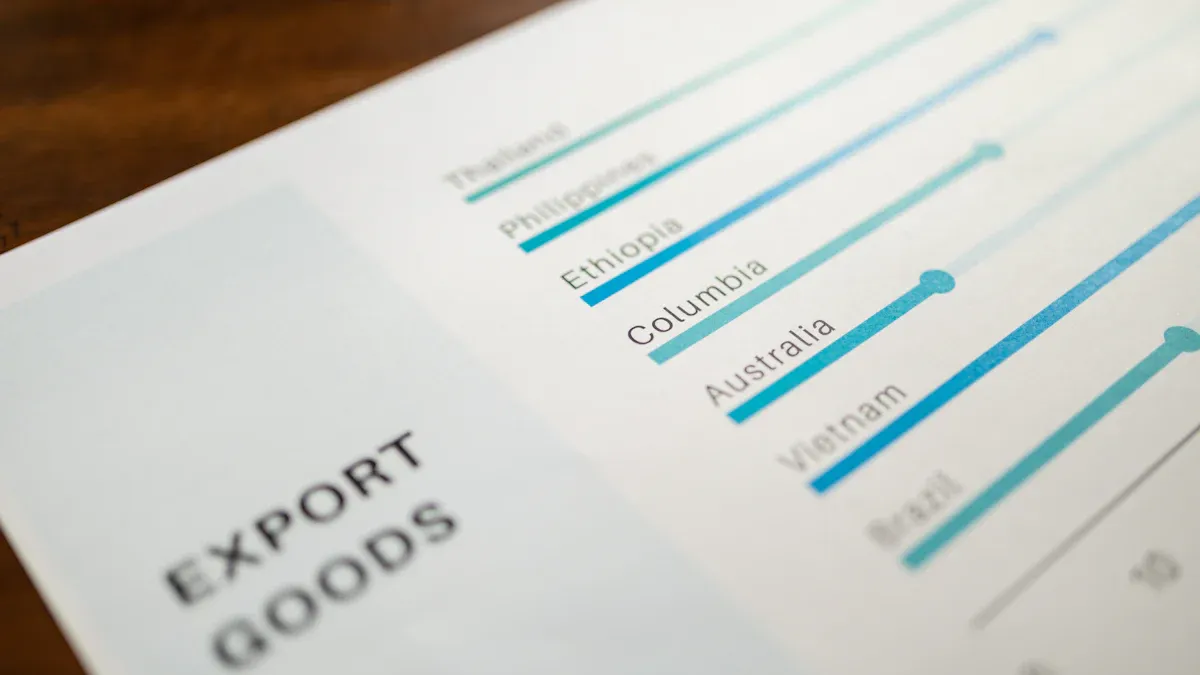
You see Mexico rising as a nearshoring hub in global supply chain management. Businesses now look to Mexico for faster delivery and lower logistics costs. Mexico holds 72% of nearshoring in Latin America. Foreign direct investment reached $34.3 billion in the first half of 2025. Most manufacturing companies plan to invest more in automation and artificial intelligence. The USMCA supports stable trade and encourages growth. You benefit from these future trends by gaining access to advanced technology and a stronger supply chain.
Key Takeaways
Nearshoring in Mexico offers faster delivery and lower shipping costs due to its proximity to the U.S.
Investing in automation and technology enhances efficiency and reduces errors in supply chain management.
Sustainability is becoming crucial, with many companies focusing on responsible sourcing and clean energy.
Trade agreements like USMCA lower tariffs, making Mexico an attractive option for businesses.
Building strategic partnerships in Mexico helps navigate regulations and access a skilled workforce.
Future Trends
Regional Supply Chains
You see regional supply chains changing quickly in Mexico. Companies want to move production closer to their customers. This shift helps you get products faster and lowers shipping costs. Mexico’s location next to the U.S. makes trade easier and cheaper. The USMCA agreement removes tariffs, so you save money when you import or export goods. Many businesses now choose Mexico over Asia for manufacturing. Mexico has become the top trade partner of the U.S. This change supports stronger supply chains across North America.
“The pandemic highlighted the advantages of nearshoring and our geographic proximity, making it far easier to trade with us than to cross the ocean for goods from Asia or the European Union.”
You benefit from new infrastructure projects in Mexico. Investments in railways, roads, ports, and airports help goods move faster. Logistics modernization makes your supply chain more efficient. Mexico’s workforce and specialization in key industries like automotive and electronics support this growth. President Claudia Sheinbaum’s plan gives incentives to strengthen Mexico’s role in North America’s supply chains. These steps show how Future Trends are shaping the way you do business.
Evidence Type | Description |
|---|---|
Geographical Advantage | Mexico’s proximity to the U.S. reduces transportation times and costs. |
Trade Agreements | The USMCA eliminates trade tariffs, making Mexico more attractive. |
Investment Growth | Greenfield FDI in Mexico rose, showing a shift to local production. |
Technology Adoption
You see technology changing supply chain management in Mexico. Automation helps you work faster and reduces mistakes. Smart transportation systems let you track shipments in real time. Cloud technology gives you flexibility and better data management. AI-driven analytics help you predict delays and choose the best routes. These tools make your supply chain more transparent and efficient.
Mexico is building a strong multi-cloud foundation. Edge computing processes data closer to its source, so you get information quickly. Digital platforms help you trade with the U.S. and Canada. E-commerce growth pushes companies to use automated logistics and smart warehousing. You can use AI, blockchain, and IoT to improve efficiency and transparency. These Future Trends help you manage inventory and lower costs.
Technology Type | Description |
|---|---|
Automation | Automated systems boost efficiency in logistics. |
Smart Transportation Systems | Intelligent systems improve transportation management. |
Real-time Data Platforms | Platforms give immediate data access for monitoring and decisions. |
Cloud Technology | Cloud solutions improve data management and flexibility. |
AI-driven Analytics | AI analyzes data to optimize routes and predict shipment delays. |
Sustainability Focus
You see sustainability becoming more important in Mexico’s supply chains. U.S. consumers want products that are good for the environment. Companies in Mexico focus on responsible sourcing and using clean energy. Blue hydrogen production uses criteria for waste suppliers to make sure practices are environmentally friendly. Water conservation and job creation are top priorities.
More Mexican companies now issue sustainability reports. Over half of them make sustainability a key part of their business. You benefit from these changes because they help you meet global standards. Digitalization helps you track products and prove they are made responsibly. These Future Trends make your supply chain stronger and more competitive.
Metric | Value |
|---|---|
Percentage of Mexican companies prioritizing sustainability | 55% |
Percentage of Mexico's largest companies issuing sustainability reports | 84% |
Water conservation and job creation are top environmental and social criteria.
Responsible sourcing and sustainable energy use are growing in importance.
Companies use structured methods to prioritize sustainability in blue hydrogen production.
Drivers of Nearshoring
Geopolitical Shifts
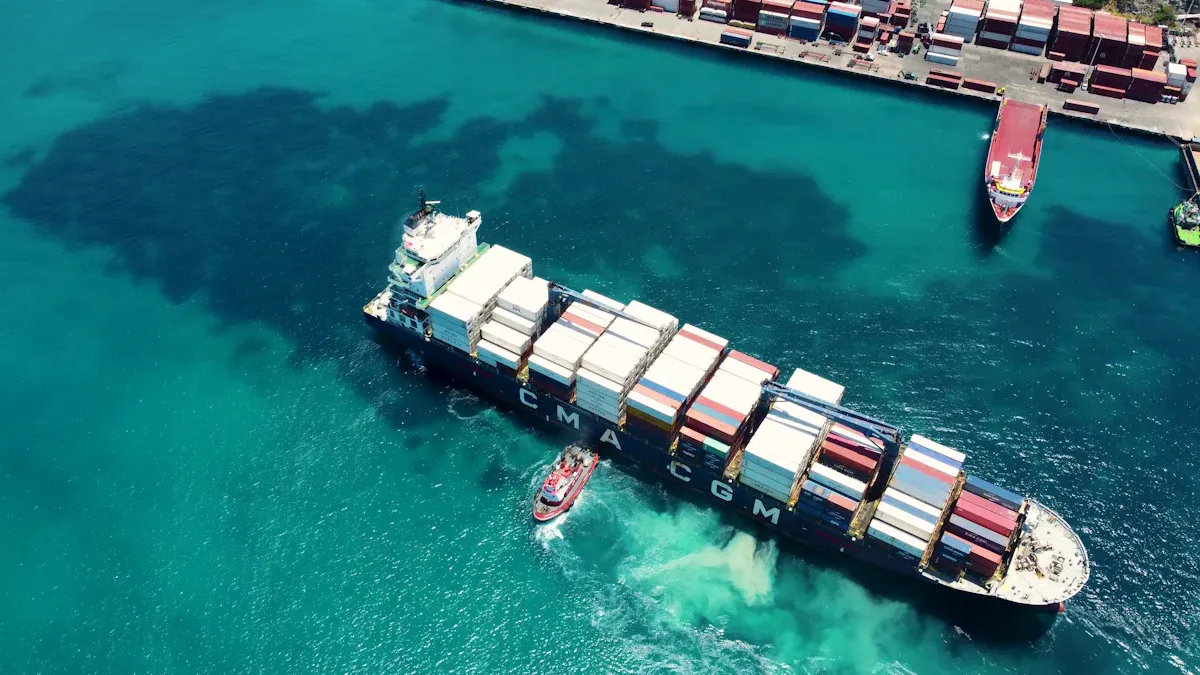
You see global events changing how companies make decisions about supply chains. Trade wars and the pandemic have caused many disruptions. Companies now rethink where they manufacture products. Rising international tensions push businesses to look for safer and more stable locations. Mexico stands out because it offers a strategic position close to the United States. You benefit from this shift because nearshoring in Mexico helps you avoid risks linked to distant markets.
Geopolitical shifts prompt companies to change manufacturing strategies.
Trade tensions affect global trade and business confidence.
Supply chain disruptions from COVID-19 lead to new sourcing locations.
Mexico’s proximity to the U.S. makes it a smart choice for nearshoring.
Cost and Labor Factors
You save money when you move production to Mexico. Labor costs in Mexico are much lower than in other countries. For example, a semi-skilled operator in Mexico earns about $5.80 per hour, while the same job in the U.S. pays $23 per hour. Mexico’s minimum wage is around $1.50 per hour. Manufacturing labor costs in Mexico are also lower than in China. You find a large pool of skilled workers because Mexico graduates over 100,000 engineers every year. Mexico’s strong transportation and logistics infrastructure helps you avoid delays and reduce costs.
Labor costs account for up to 70% of manufacturing expenses.
Recruiting and keeping workers in Mexico costs less.
Mexico’s location allows for quick supply of parts and products.
Shorter distances mean lower logistics expenses and fewer risks.
Trade Agreements
You benefit from trade agreements that make nearshoring in Mexico easier. The USMCA creates a strong framework for trade between Mexico, the U.S., and Canada. Programs like IMMEX and PROSEC help you save money on tariffs and import duties. These agreements support Future Trends by making Mexico more attractive for supply chain relocation.
Benefit/Feature | Description |
|---|---|
Streamlines customs and improves trade security for nearshoring companies. | |
Tariff Jump | Lets you avoid tariffs by producing locally under USMCA rules. |
IMMEX Program | Allows temporary imports without duties, helping your cash flow. |
PROSEC Programs | Offers lower tariffs for certain goods, boosting production efficiency. |
The AEO program reduces customs inspections and paperwork.
IMMEX supports temporary imports without duties.
PROSEC gives you better tariffs for specific goods.
JUSDA in North America
Logistics Innovation
You want your supply chain to move faster and smarter. JUSDA brings new technology to North American logistics. JUSDA launched the JusLink Smart Supply Chain Real-time Collaboration Platform. This platform uses RFID and advanced warehouse management systems (WMS). You can track your shipments in real time and manage your inventory with ease. JusLink helps you see every step of your supply chain. You get updates quickly, so you can make better decisions. JUSDA’s focus on innovation means you stay ahead in a fast-changing market.
Industry Solutions
You need solutions that fit your business. JUSDA offers industry-specific services for nearshoring in Mexico. The company uses a strong network with over 155 service locations and 2.5 million square meters of warehousing space. This network helps you move goods quickly and store them safely. JUSDA’s hub in Trenton, New Jersey, makes cross-border trade between the U.S. and Mexico smooth and efficient. You get customized solutions that match your needs, whether you work in electronics, automotive, or medical devices.
Capability | Description |
|---|---|
Extensive Logistics Capabilities | Over 155 service locations and 2.5 million m² of warehousing for efficient distribution. |
Strategic North American Presence | Major hub in Trenton, NJ, streamlining U.S.-Mexico cross-border operations. |
Customer-Focused Solutions | Tailored services to optimize your supply chain performance for nearshoring. |
Risk Management
You want your goods to arrive safely and on time. JUSDA helps you manage risks in nearshoring logistics. The company handles customs clearance and compliance management, so you avoid delays and penalties. You can track your shipments in real time, which gives you peace of mind. JUSDA covers every step, from Asia to Mexico, making your supply chain stronger and more reliable.
Service | Description |
|---|---|
Customs Clearance | Ensures your goods cross borders legally and smoothly. |
Compliance Management | Keeps your shipments in line with trade laws and regulations. |
Real-time Tracking | Lets you see where your shipments are at any moment. |
End-to-end Service | Supports your logistics from start to finish, boosting nearshoring success. |
You can trust JUSDA to help you meet the demands of North American nearshoring. The company’s innovation, industry solutions, and risk management give you a strong advantage.
JUSDA Solutions
To provide you with professional solutions and quotations.
Challenges Ahead
Infrastructure Limits
You face infrastructure limits when you move your supply chain to Mexico. Many industrial routes experience congestion and inconsistent quality. Some rural areas have poor road networks, which makes last-mile delivery difficult. You may find that warehouse space is limited, and utilities like energy and water are stretched thin. Companies often discover that the current infrastructure does not meet their needs, which leads to delays and higher costs. Power shortages in manufacturing zones force you to rethink your energy plans. A drop in public investment raises concerns about whether private companies can keep up with relocation demands. Without more government spending, some regions may fall behind and lose their competitive edge.
Note: Infrastructure strains can slow down your supply chain and affect your ability to scale operations quickly.
Congested routes between industrial hubs and ports
Underdeveloped rural road networks
Limited industrial warehouse space
Power and utility shortages in manufacturing zones
Reduced public investment in infrastructure
Labor Shortages
You need skilled workers to keep your supply chain running smoothly. Mexico’s rising wages reflect a better quality of life, but they also increase your costs. The demand for engineers, technicians, and logistics experts continues to grow. You must invest in education and training to build a strong workforce. Sometimes, you struggle to find enough skilled labor, which can slow down production and affect delivery times.
Challenge | Impact on Supply Chain |
|---|---|
Rising labor costs | Higher expenses for companies |
Need for skilled labor | Slower production |
Training requirements | More investment needed |
Mexico graduates many engineers each year, but the demand still outpaces supply.
You must compete with other companies for top talent.
Regulatory Hurdles
You encounter regulatory hurdles that can delay your operations. In places like Querétaro, hundreds of regulatory barriers exist. These barriers can cause opportunity costs of millions of pesos due to slow approvals. Complex regulations may push you to consider moving to states with simpler rules. You need clear and efficient regulations to create a business-friendly environment. Experts like Ana Lilia Moreno highlight the importance of improving regulations to help companies succeed.
Tip: You can reduce delays by working with local partners who understand the regulatory landscape.
Many regulatory barriers slow down approvals.
Opportunity costs from delays can be significant.
Complex rules may lead you to relocate within Mexico.
Economic Impact
Investment Growth
You see investment in Mexico’s supply chain sector rising quickly. Nearshoring brings new companies and more money into the country. Monterrey and Ciudad Juárez show strong demand for industrial space. Many businesses from Asia move their operations to Mexico. You notice growth in key sectors like household appliances, electric power equipment, and car manufacturing.
Metric | Value |
|---|---|
Expected investment from nearshoring | |
Growth in industrial space demand in Monterrey | 10% (12,499,000 m²) |
Growth in industrial space demand in Ciudad Juárez | 11% (4,329,000 m²) |
New companies expected (2023-2025) | 453 |
Percentage of new companies from Asia | 20% |
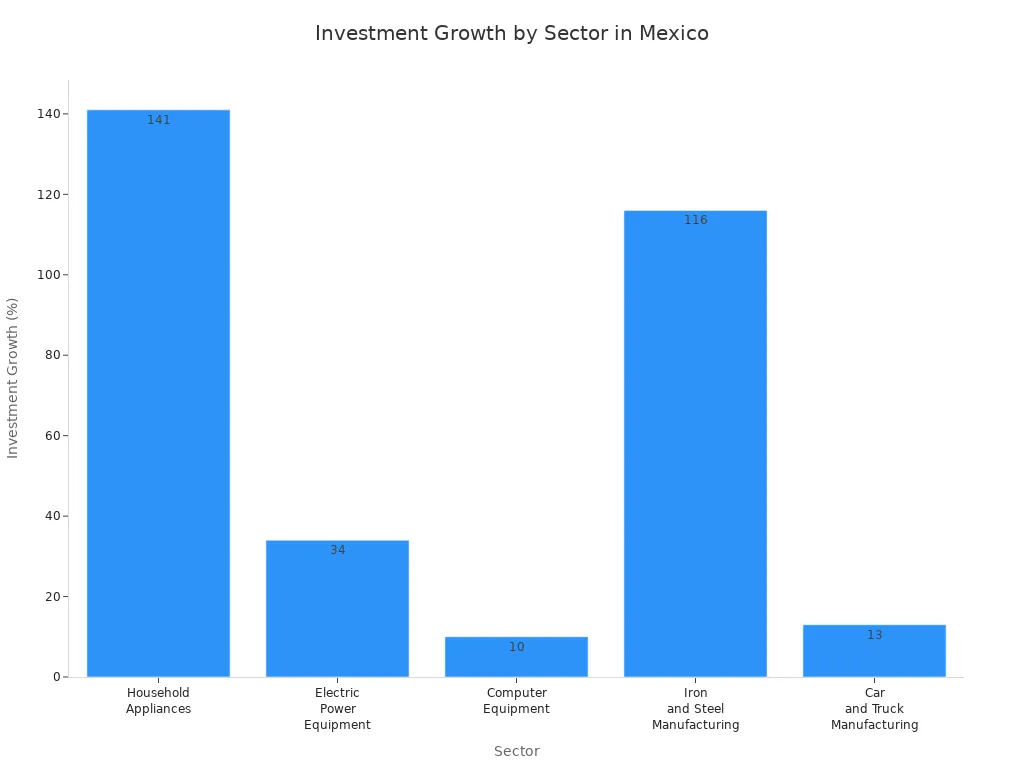
You benefit from this investment. The Mexican government expects a 3.5% growth in the economy because of nearshoring. Manufacturing exports may rise from $455 billion in 2023 to $609 billion by 2028. Sectors that use the USMCA could grow by $38 billion in five years.
Job Creation
You see nearshoring create many jobs in Mexico. Foreign direct investment boosts manufacturing and brings new opportunities. In 2019, exports from the US to Mexico supported 1.1 million jobs. When companies relocate, they save on export duties and shipping costs, which helps create more jobs.
Nearshoring opens jobs in manufacturing, engineering, IT, and customer service.
More jobs lower unemployment and improve living standards.
Higher employment increases consumer spending and helps local economies.
New operations and expansions bring steady work to many communities.
Supply Chain Resilience
You gain a stronger supply chain when you choose nearshoring in Mexico. After the COVID-19 pandemic, US companies moved part of their supply chains from China to Mexico. This shift made supply chains more reliable. Mexico recovered faster and improved its ability to supply the US market. Shorter delivery times, a skilled workforce, and cultural ties help you avoid delays. Automotive manufacturing shows how Mexico’s supply chain can adapt and stay strong.
Nearshoring in Mexico gives you a resilient supply chain that can handle global challenges and keep your business moving forward.
Business Insights
Strategic Partnerships
You gain a strong advantage when you build strategic partnerships in Mexico. Local partners help you understand regulations and connect with suppliers. You save money and keep service quality high. You also access a skilled and bilingual workforce that improves your operations. The case of Tesla in Nuevo León shows how social, ecological, and political factors matter. You must work with partners who know the local landscape and can guide you through environmental rules.
Benefit | Description |
|---|---|
Local Expertise | Partners help you navigate rules and find suppliers. |
Operational Cost Optimization | You lower costs and keep service quality high. |
Access to Skilled Workforce | You find skilled and bilingual workers for your business. |
Tip: Choose partners like JUSDA who offer logistics innovation and industry solutions tailored to your needs.
Workforce Development
You need a strong workforce to succeed in nearshoring. Specialized training gives your team the skills they need. You can work with universities to offer technical programs. This helps you attract and keep talented workers. You must manage labor well and follow local laws to avoid problems. When you invest in your team, you build a resilient supply chain that can handle Future Trends.
Focus on specialized training for your workers.
Partner with universities for technical education.
Manage labor and follow local laws to keep your team strong.
Adaptability
You must stay flexible to succeed in Mexico’s changing market. A good location close to the U.S. cuts shipping times. Free trade agreements open doors to many markets. Mexico’s skilled workforce gives you a competitive edge. You should improve infrastructure and use new technology to boost productivity. Make sure you follow local rules and understand what customers want. A clear plan helps you avoid disruptions and keeps your supply chain strong.
Strategy | Description |
|---|---|
Enhance Infrastructure | Invest in better roads and warehouses to speed up logistics. |
Adopt Technology | Use smart tools to make your processes faster and more accurate. |
Ensure Regulatory Compliance | Follow local rules to avoid delays and penalties. |
Understand Local Market | Learn what customers want to offer better products and services. |
Note: Adaptability helps you respond to new challenges and take advantage of Future Trends in nearshoring.
You see Mexico nearshoring transform supply chain management. Automation, cost advantages, and a skilled workforce drive your success. The USMCA agreement and infrastructure investments make Mexico a top choice.
Key Takeaway | Description |
|---|---|
Automation and Digital Technologies | Automation and AI boost efficiency and production. |
Cost Advantages | Lower labor costs give you a competitive edge. |
Skilled Workforce | Mexico’s talent supports innovation. |
Trade Agreements | USMCA lowers costs and improves trade. |
Infrastructure Investments | New projects create a strong environment. |
You save money by reducing transportation expenses.
You reach customers faster and improve quality control.
Choose innovative partners and adapt your strategy for future growth.
FAQ
What is nearshoring, and why does it matter for your supply chain?
Nearshoring means moving production closer to your main market. You get faster delivery, lower shipping costs, and better control over your supply chain. Mexico’s location next to the U.S. makes it a top choice for many companies.
How does JUSDA help you with nearshoring in North America?
JUSDA gives you real-time shipment tracking, customs support, and industry-specific solutions. You can manage risks and keep your supply chain running smoothly.
Tip: Use JUSDA’s JusLink platform for better visibility and control.
What industries benefit most from nearshoring in Mexico?
You see the biggest gains in electronics, automotive, medical devices, and consumer goods. These industries need quick delivery and reliable logistics.
Electronics
Automotive
Medical devices
Consumer goods
How can you overcome labor shortages in Mexico?
You can partner with local schools for training programs. Invest in your team’s skills. Offer good pay and benefits to attract top talent.
Note: Workforce development helps you build a strong supply chain.
See Also
Transforming Supply Chain Management With Cloud-Based Innovations
Improving Supply Chain Efficiency Through Cloud Technology
Addressing Supply Chain Challenges in High-Tech Manufacturing
Exploring Career Opportunities in Tomorrow's Supply Chain
Transforming Logistics With AI-Driven Supply Chain Solutions