Green logistics and its impact on enterprise competitiveness


You see how green logistics boosts your enterprise’s efficiency, reduces costs, and aligns your business with market demands. The latest industry findings show effective green practices improve competitiveness and financial performance.
Study Title | Key Findings |
|---|---|
Greening the Vietnamese supply chain | Green knowledge improves environmental consciousness, lowers costs, and raises competitiveness. |
Exploring the impact of green logistics practices | Financial efficiency increases for logistics companies. |
Green logistics performance and infrastructure | Efficient management leads to cost savings and market share growth. |
Sustainability and digital transformation now shape logistics. Companies optimize resources, cut emissions, and adopt AI-powered solutions for route planning and carbon tracking.
Trend | Implication |
|---|---|
Sustainability Initiatives | Eco-friendly strategies reshape logistics. |
Technology Leverage | Technology curbs carbon footprints. |
Route Optimization | Advanced planning enhances efficiency. |
Alternative Fuels | Adoption supports sustainability goals. |
Key Takeaways
Adopting green logistics practices boosts operational efficiency and reduces costs, leading to significant savings for your business.
Aligning your logistics strategy with sustainability trends attracts environmentally conscious customers and enhances your brand image.
Investing in digital solutions and alternative fuels not only meets regulatory demands but also positions your company for long-term competitiveness.
Green Logistics and Competitiveness

Operational Efficiency
You can transform your logistics enterprises by adopting green logistics practices that focus on process improvement, evaluation, and collaboration. When you implement procedure-based and partner-based strategies, you streamline operations and boost performance.
Component Type | Description |
|---|---|
Practices that focus on the processes involved in logistics management. | |
Evaluation-based practices | Methods for assessing the effectiveness of logistics operations. |
Partner-based practices | Collaborations with other organizations to enhance logistics performance. |
General environmental management | Overall strategies aimed at reducing environmental impact through logistics. |
Impact on performance | GLM positively affects both environmental and operational performance, especially under regulatory pressure. |
Cost Reduction
You can achieve significant savings by integrating green logistics into your business model. Many logistics enterprises report that eco-driving reduces fuel costs and supports environmental protection.
Reduced production costs motivate companies to adopt green logistics initiatives.
Lower energy consumption and optimized routes cut expenses for logistics enterprises.
Sustainable practices help you minimize waste and maximize resource utilization.
Market Demand
You respond to growing market demand for sustainability by aligning your logistics strategy with eco-friendly practices.
Sustainable logistics practices improve operational efficiency, reduce costs, and enhance your brand image.
You differentiate your business and attract environmentally conscious customers.
The shift in consumer preferences toward green products drives logistics enterprises to integrate sustainability into their operations.
Investing in energy-efficient vehicles, collaborating with sustainable suppliers, and optimizing route planning position your company for long-term competitiveness.
Tip: Transitioning to renewable energy sources and implementing waste reduction initiatives further strengthen your market position.
Drivers of Green Transformation in Logistics
Regulations
You face increasing regulatory pressures that shape green transformation in logistics. Governments worldwide set ambitious environmental targets and enforce robust frameworks. These regulations drive you to adopt electric vehicles, energy-efficient systems, and advanced green technologies.
Region | |
|---|---|
European Union | Corporate Sustainability Reporting Directive (CSRD), Germany’s Supply Chain Due Diligence Act (LkSG), Carbon Border Adjustment Mechanism (CBAM) |
United Kingdom | Sustainability Reporting Standards (SRS), CBAM (expected by 2027) |
India | Business Responsibility and Sustainability Report (BRSR) mandated by SEBI |
Malaysia | CEO Action Network (CAN) promoting ESG in logistics companies |
You see how these frameworks accelerate green transformation and improve green logistics performance. JUSDA responds by embedding ESG principles and leveraging its global network to meet compliance and sustainability goals.
Customer Expectations
Your customers now expect sustainability as a core value. Survey data shows that 81% of financial services and fashion sector clients rate sustainability as very important.
Sector | Importance of Sustainability (%) | Willingness to Pay for Sustainable Shipping (%) |
|---|---|---|
Financial Services | 81 | 23 |
Fashion | 81 | 23 |
Overall SMEs | 66 | 23 |
India SMEs | N/A | 51 |
China SMEs | N/A | 47 |
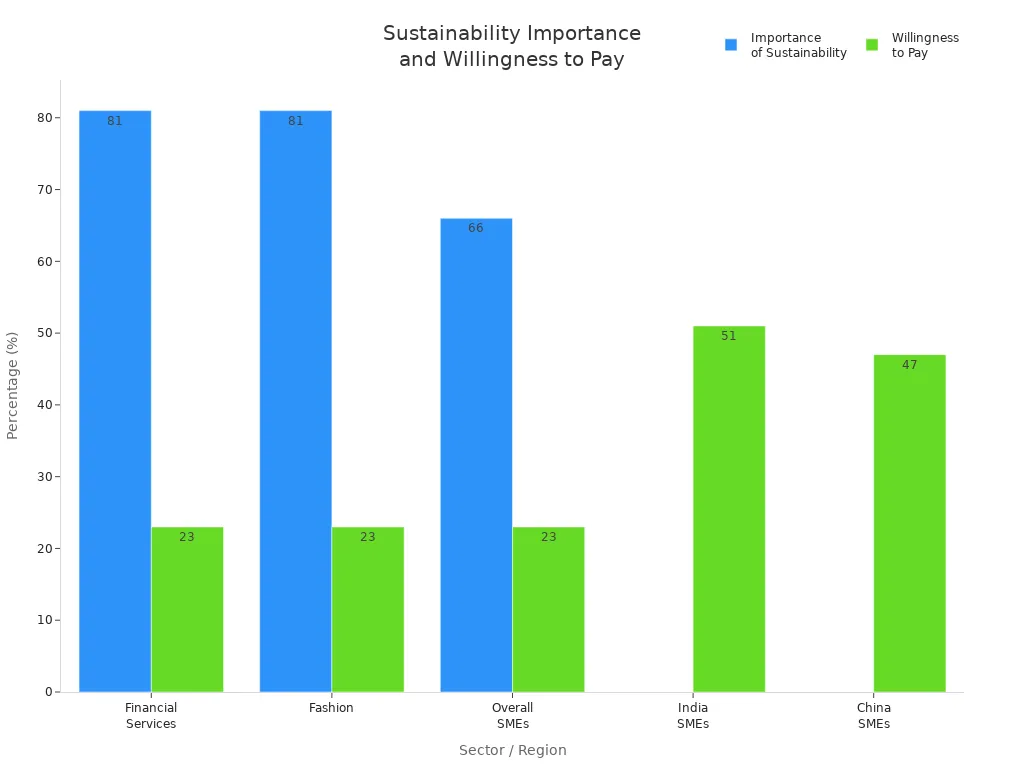
You notice that Chinese and Indian SMEs report higher willingness to pay for sustainable shipping. JUSDA’s green logistics transformation aligns with these expectations, delivering solutions that enhance green logistics performance and meet evolving market demands.
Digital Innovation
You drive green transformation in logistics by adopting digital innovation. Companies like SF Holding use IoT-enabled fleet management and photovoltaic power generation to optimize energy use.
You improve operational efficiency with digital supply chain systems.
You integrate renewable energy and new energy vehicles for cleaner logistics.
You invest in R&D to boost resource efficiency and sustainability.
Digital transformation enhances green logistics performance and supports green transformation across your enterprise. JUSDA’s JusLink AI Solution empowers you to achieve real-time collaboration, predictive analytics, and supply chain integration, accelerating your green transformation journey.
Business Benefits
Cost Savings
You can achieve measurable cost savings by adopting green logistics management practices. When you optimize transportation networks and use energy-efficient vehicles, you reduce fuel consumption and operating costs. JUSDA ESG solutions help you streamline your supply chain, minimize waste, and avoid environmental fines. You also benefit from recycling and reusing packaging materials, which lowers expenses and supports sustainable operational models.
Energy-efficient transportation reduces fuel costs and maintenance expenses.
Recycling and reusing packaging materials, such as eco-friendly packaging, minimize waste disposal costs.
Optimizing supply chain networks leads to lower operational costs and improved fleet utilization.
Avoiding environmental fines and penalties protects your bottom line.
JUSDA’s green logistics solutions enable you to implement sustainable operational models that maximize resource efficiency.
You measure success using key performance indicators. The following table shows how you can track your progress:
KPI Name | Description |
|---|---|
Fleet Utilization Rate | Percentage of active fleet use versus idle time to gauge asset deployment efficiency. |
Cost Per Mile | Total cost incurred per mile traveled, including fuel, maintenance, wages, and depreciation. |
Carbon Emissions Per Mile | Amount of carbon dioxide emitted per mile, crucial for sustainability tracking and compliance. |
On-Time Delivery Rate | Percentage of deliveries made on schedule, reflecting operational reliability and customer satisfaction. |
Fuel Efficiency | Average fuel consumption per mile, highlighting cost management and environmental impact. |
Note: JUSDA’s JusLink AI Solution helps you monitor these KPIs in real time, allowing you to adjust your green logistics management practices for maximum savings.
Brand Reputation
You strengthen your brand reputation by prioritizing sustainable logistics and green initiatives. Customers prefer to work with companies that minimize environmental impact and demonstrate responsibility. When you implement green logistics management practices, you build public trust and loyalty. JUSDA ESG solutions help you reduce carbon emissions and promote sustainable development, which attracts environmentally conscious customers.
Consumers increasingly choose brands that minimize environmental impact.
Companies with strong sustainability records experience greater public trust and loyalty.
Embracing green logistics management practices enhances your brand reputation and increases brand equity.
Implementing green packaging and eco-friendly packaging signals your commitment to sustainability.
You position your business as a leader in sustainable logistics, which helps you attract new customers and retain existing ones.
Competitive Edge
You gain competitive advantages by integrating green logistics management practices into your operations. Sustainable operational models help you differentiate your business in the market. JUSDA’s green supply chain solutions allow you to meet evolving customer expectations and comply with regulatory requirements. You build trust with clients and investors by demonstrating a commitment to sustainability.
Green logistics management practices enhance operational efficiency and reduce costs.
Sustainable logistics helps you stand out in a crowded market.
Businesses increasingly require sustainability criteria in logistics procurement, making green logistics a market standard.
High ESG scores encourage sustainable development and digital transformation, helping you enhance competitiveness.
You open new markets and attract top talent by showing leadership in sustainability. JUSDA ESG solutions support your journey toward sustainable operational models and help you minimize environmental impact across your supply chain.
Tip: You can use JusLink’s AI Solution to analyze trends, forecast demand, and optimize your green supply chain for long-term success.
Challenges and Solutions
Investment
You encounter significant investment challenges when you transition to green logistics. High initial costs for alternative fuel vehicles and sustainable materials often strain your budget, especially if you run a smaller enterprise. Managing a sustainable supply chain requires you to ensure every partner meets strict standards, which increases complexity. You also face difficulties due to the lack of standardized metrics for measuring environmental impact. Access to advanced technologies remains limited for many companies, making it harder to achieve net zero emissions. JUSDA’s global network and JusLink AI Solution help you optimize resource allocation and streamline investments, reducing your environmental impact while supporting net zero emissions goals.
Technology Adoption
You must overcome several barriers when adopting new technologies for green logistics. The following table highlights common obstacles and solutions:
Barrier | Description | Solution |
|---|---|---|
New systems may not integrate easily with your existing logistics network. | Invest in modular technologies. | |
Varying regulatory environments | Complex rules can slow down technology deployment. | Ensure compliance with regulations. |
Workforce training needs | Employees may resist change or lack necessary skills. | Enhance employee training. |
You can address these challenges by leveraging JUSDA’s JusLink AI Solution, which integrates seamlessly with your current systems and supports workforce development. This approach helps you monitor environmental impact, reduce carbon emissions, and deploy alternative fuel vehicles efficiently.
Policy Support
You benefit from effective policy support that promotes green logistics transformation. The table below outlines key types of support:
Type of Policy Support | Description |
|---|---|
These reports drive the adoption of green logistics and improve financial efficiency. | |
Government Certifications | Certifications encourage you to implement sustainable practices and reduce environmental impact. |
Sustainability Reports | Frequent reporting correlates with better green logistics performance and net zero emissions. |
You can rely on JUSDA’s expertise in ESG compliance and reporting to meet policy requirements. This support enables you to track progress toward net zero emissions and maximize the positive environmental impact of your logistics operations.
Case Studies: JUSDA in Action
Manufacturing Success
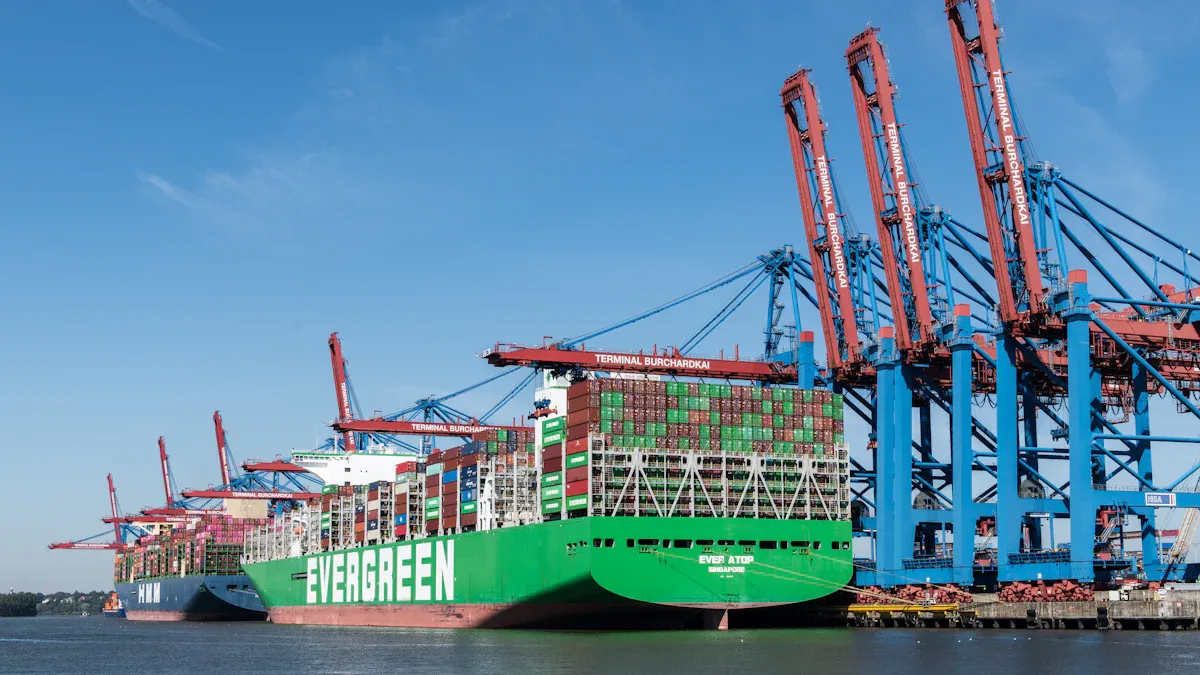
You can see the impact of green logistics in manufacturing through JUSDA’s innovative approach. By integrating green transportation and advanced supply chain management, you achieve both cost savings and environmental benefits. The following table highlights measurable results from JUSDA’s green logistics solutions:
Metric | Result |
|---|---|
Material Cost Reduction | 30% |
Emissions Reduction | 50% |
These results show how you can cut material costs by nearly a third and halve emissions. JUSDA’s focus on efficient transport management systems and sustainable practices drives these improvements.
Digital Supply Chain
You benefit from JUSDA’s digital supply chain solutions, which use real-time data to optimize every step. JusLink’s AI Solution analyzes trends, predicts demand, and helps you make smarter decisions. You gain visibility across your logistics network, allowing you to respond quickly to changes and reduce waste. With IoT and blockchain, you track shipments and ensure transparency. This digital transformation supports your sustainability goals and keeps your operations agile.
Lessons Learned
You can adopt several best practices from JUSDA’s customer stories:
Optimize transportation routes with advanced algorithms to lower fuel use and emissions.
Transition to alternative fuels and electrification for cleaner logistics.
Innovate with sustainable packaging to improve shipping efficiency.
Use supply chain transparency technologies, such as IoT and blockchain, for better visibility and data-driven improvements.
Note: When you combine these strategies, you build a resilient and sustainable logistics operation that meets today’s market demands.
JUSDA Solutions
To provide you with professional solutions and quotations.
You secure long-term competitiveness by embracing green logistics and digital transformation. JUSDA’s innovative ESG solutions empower you to achieve sustainable growth. To begin your green logistics journey, follow these steps:
Secure resources for sustainability.
Reduce emissions across your value chain.
Leverage sustainability to strengthen your brand.
See Also
A Comprehensive Overview of Eco-Friendly Transport Solutions
Transforming Logistics Through Innovative Supply Chain Strategies
Understanding Cost Efficiency in Supply Chain Management
Uncovering JUSDA's Sustainable Growth in Logistics Operations
Unlocking Cost Savings: Expert Tips for Supply Chain Success