High Speed Trains Are Racing Across the World with Economic and Green Impacts

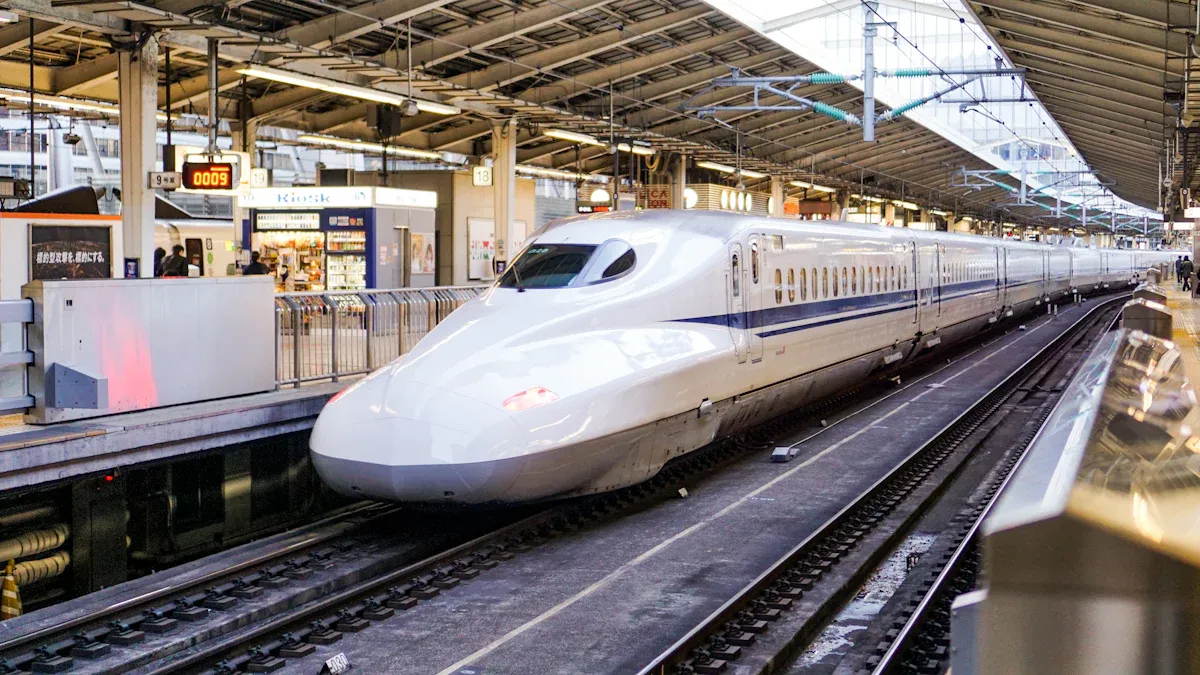
High speed trains are racing across the world, moving fast in many countries. They help the economy and the environment. Data from around the globe shows these trains create jobs and also help cut down pollution.
JUSDA’s China-Europe Express Rail is a new way to move goods quickly, enhancing supply chains. These new trains bring positive developments and some challenges for people.
Key Takeaways
High-speed trains help people get jobs in building, fixing, and running the trains. This helps local towns make more money and gives people steady work. - These trains help the economy grow by making trade easier. They help businesses find new places and customers. - High-speed rail systems lower carbon emissions and air pollution. This makes them a cleaner way to travel and helps the environment.
Economic Performance of High-Speed Rail
Job Creation
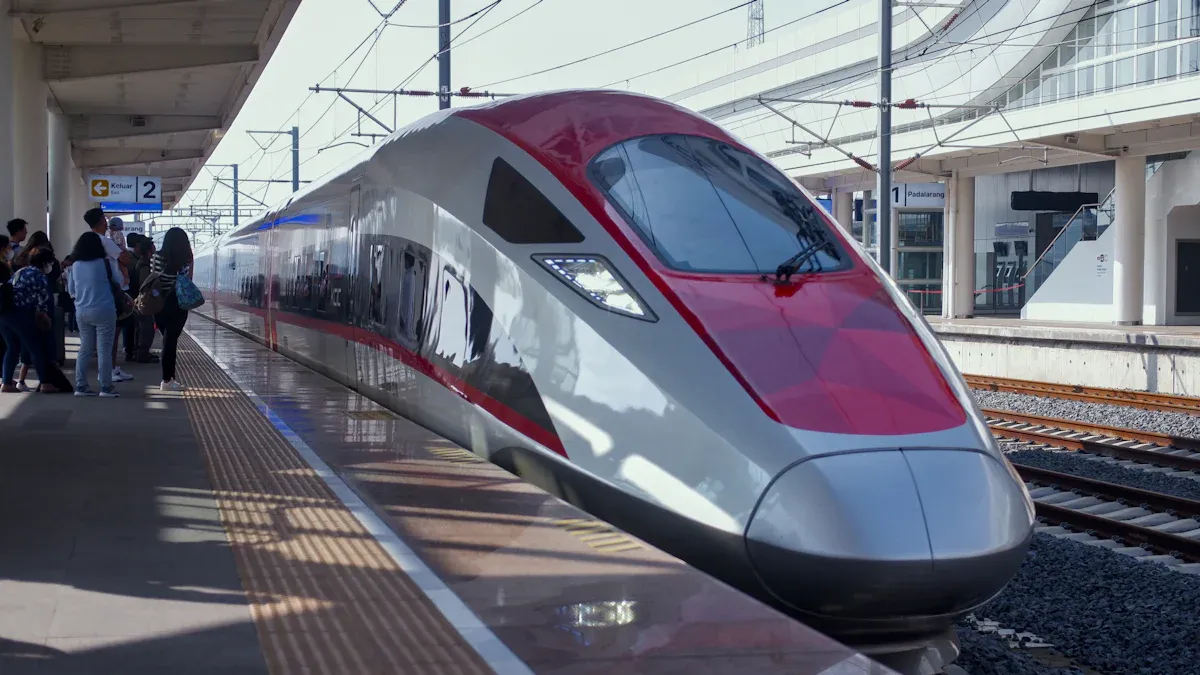
High-speed rail projects make lots of jobs. People build tracks, stations, and trains. Engineers work on new systems. Technicians keep trains safe and running. When a country builds high-speed rail, many people get jobs. In France, the TGV network gave over 100,000 jobs during building. In China, high-speed rail lines made millions of jobs since 2008. These jobs help families and help people spend more in their towns.
High-speed rail gives jobs after building too. It makes long-term jobs in running trains, fixing them, and working at stations.
GDP Growth
High-speed rail helps countries’ economies grow. People and goods move faster, so businesses reach more places. This means more trade and higher sales. In Japan, the Shinkansen high-speed rail helped cities do more business. The World Bank said China’s high-speed rail made travel easier and helped the economy grow.
High-speed rail can bring new companies to cities. Businesses want to be close to fast trains. This brings more money and helps cities get bigger. The table below shows how high-speed rail changes GDP in some countries:
Country | High-Speed Rail Launch | GDP Impact (%) |
|---|---|---|
Japan | 1964 | +2.0 |
France | 1981 | +1.5 |
China | 2008 | +1.3 |
Regional Development
High-speed rail links cities and towns. People can live farther from big cities and still get to work fast. This helps small towns grow. Local shops, hotels, and restaurants get more customers. High-speed rail brings tourists to new places. In Spain, the AVE network helped cities like Zaragoza and Cordoba get more visitors and businesses.
Local economies get better when people and goods move easily. New stations often become busy places with shops and offices. This makes neighborhoods more active and helps them grow.
Case Studies: JUSDA and China-Europe Express Rail
JUSDA’s China-Europe Express Rail shows how high-speed rail changes trade. This train moves goods between China and Europe in 15-20 days. It is faster than ships and cheaper than planes. Many companies use this train for electronics, clothes, and medical supplies.
JUSDA uses smart tools to track packages and handle customs. This makes the supply chain work better. Businesses can plan well and avoid delays. The China-Europe Express Rail helps the economy by letting companies reach new markets fast. It also helps towns along the way by making jobs and growing trade.
JUSDA’s China-Europe Express Rail is a good example of how high-speed rail can make supply chains better and help trade between countries.
Environmental Impact of High-Speed Rail
Carbon Emissions Reduction
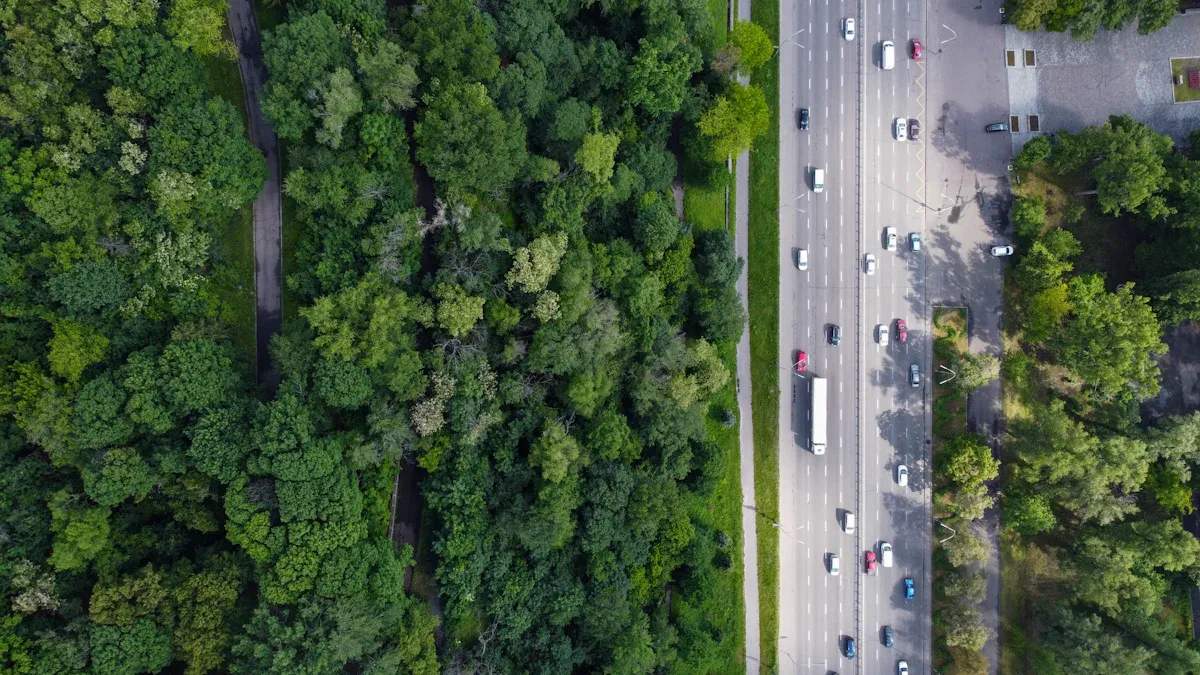
High-speed rail systems help cut carbon emissions. Trains run on electricity, which can be clean energy. Cars and airplanes release more carbon dioxide than trains. Studies show trains make up to 90% less carbon dioxide per passenger mile than airplanes. This helps fight climate change. Countries with high-speed rail have cleaner air and less pollution.
High-speed rail helps fight climate change by lowering car and plane use. People pick trains for long trips, which helps the planet.
Pollution Mitigation
High-speed rail keeps cities and towns cleaner. Trains are quieter than trucks and planes. They also release fewer bad gases. Many cities use high-speed rail to lower air pollution. This helps people breathe better and stay healthy. In China, high-speed rail lines made air cleaner in many places. Spain and France also see less pollution near train stations.
Some effects need careful planning. Building tracks can bother animals. Engineers build tunnels and bridges to protect wildlife. Planting trees along rail lines helps with noise and dust. These steps show high-speed rail can grow and still care for nature.
Sustainable Transportation
High-speed rail is a sustainable way to travel. Trains carry many people at once, saving energy. This helps cities grow without hurting nature. High-speed rail links cities and small towns, making travel easier. People in small towns can get to big cities fast. This helps fight climate change by lowering car use.
Many transportation sectors now focus on being green. High-speed rail leads by using clean energy and smart designs. Countries build rail systems to meet climate goals. This makes travel safer and better for everyone.
JUSDA’s Green Logistics Solutions
JUSDA uses high-speed rail to make supply chains greener. The China-Europe Express Rail moves goods fast and uses less energy than trucks or planes. This helps companies lower their carbon footprint. JUSDA’s smart tracking tools make shipping easier. Businesses can plan better and waste less.
JUSDA’s China-Europe Express Rail helps fight climate change by offering a cleaner way to move products. The service links cities and small towns, helping people travel more easily. JUSDA’s focus on being green helps protect nature and supports global trade.
JUSDA’s green logistics solutions show high-speed rail can make transportation better and help the environment.
High Speed Trains Are Racing Across the World: Challenges and Trade-Offs
Initial Costs
Building high speed trains costs a lot of money. Governments and companies spend billions on tracks and stations. They also buy trains for these new rail lines. Leaders must decide if the benefits are worth the price. Cost-benefit analysis helps them see the value. Some cities make money quickly, but others wait years. Every project needs careful planning before building starts.
Experts say spending money now can help later. New jobs and better trade often come after these big investments.
Land Use
High speed trains change how land is used. Tracks go through cities, farms, and forests. Builders must think about animals and plants nearby. Sometimes, rail lines affect homes and businesses. Engineers build tunnels and bridges to protect nature. These changes can affect areas close to the tracks. Some towns grow with new stations, but others get less traffic.
Land use choices shape how communities grow.
Smart planning can help stop bad spillover effects.
Balancing Economic and Environmental Goals
Countries want high speed trains to help the economy and the environment. Leaders must balance growth with protecting nature. Spillover effects can help towns grow or change habitats. JUSDA’s supply chain solutions help with these problems. Their China-Europe Express Rail uses smart tools to track goods and avoid delays. This helps limit bad spillover effects and supports green goals.
High speed trains bring chances and problems. Careful planning helps get the most good and the least harm.
High-speed rail systems make more jobs and help nature. JUSDA and China-Europe Express Rail show good results for trade and green shipping. Careful planning can fix problems. High-speed trains will change global shipping and help cleaner travel.
FAQ
What makes high-speed rail better for the environment than cars or planes?
High-speed rail runs on electricity and makes less pollution. Trains help keep city air cleaner and cut carbon emissions.
Trains carry lots of people at once, so they use less energy.
How does JUSDA’s China-Europe Express Rail help businesses?
JUSDA’s China-Europe Express Rail moves goods fast and on time. Companies spend less money and reach new places quicker.
Benefit | Description |
|---|---|
Speed | Delivery in 15-20 days |
Cost Savings | Costs less than air |
Reliability | Fewer late shipments |
Can high-speed rail help small towns grow?
High-speed rail links small towns to big cities. Shops, hotels, and restaurants get more people. Local economies get stronger.
Small towns get more visitors.
New jobs start near train stations.
See Also
Get Prepared for the Transport Technology Revolution
Examining How Global Trade Policies Affect Economies
Five Key Trends Shaping Future Supply Chain Efficiency
Revolutionizing Efficiency with Indigenous Transport Innovations