How to Implement Smart Inventory Allocation for Maximum Efficiency


Smart inventory allocation helps your business work better by putting products where people want them. With smart inventory systems, you spend less money and make customers glad.
Automated replenishment and real-time visibility help you not run out of stock or throw things away.
JUSDA’s global supply chain management expertise helps you make your business smarter.
Key Takeaways
Smart inventory allocation places products where customers want them. This helps cut down on waste and stops items from running out.
Using real-time data and automation helps your business save money. It also makes orders faster and keeps customers pleased.
Training your team and connecting smart systems to your tools helps things run smoothly. This also helps your business get better all the time.
Smart Inventory Allocation Essentials
What Is Smart Inventory Allocation?
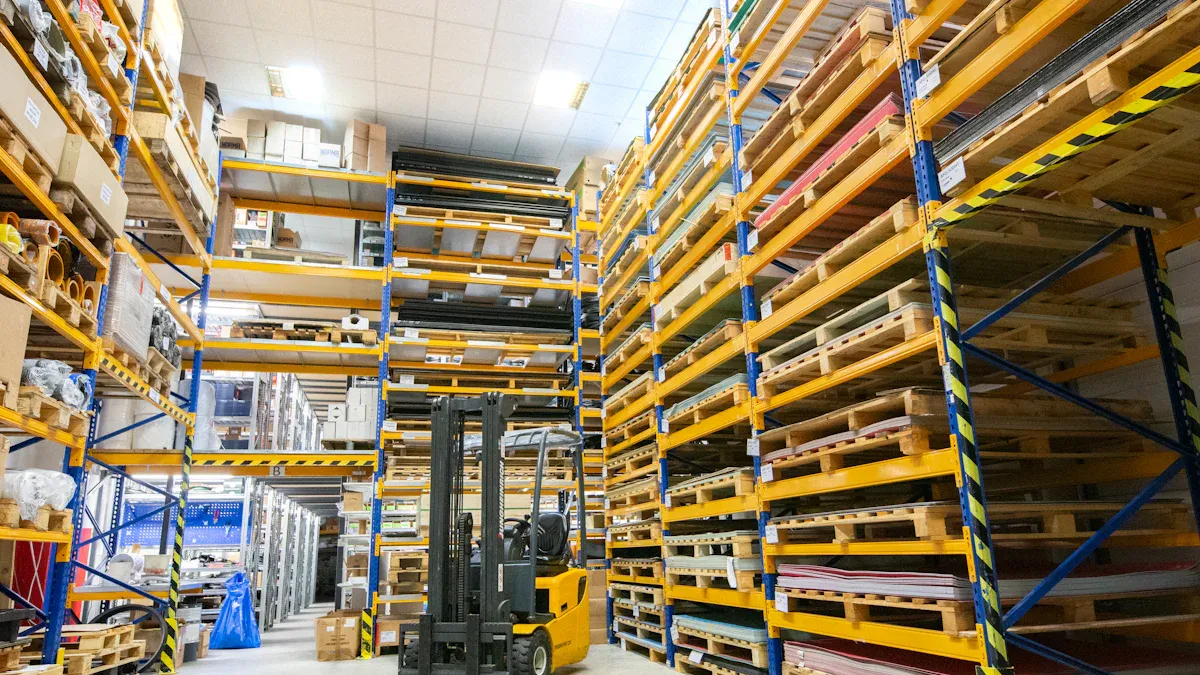
Smart inventory allocation means putting products where they are needed. This helps match what you have with what people want. The system uses technology to watch goods and guess what customers will buy. You get updates right away and always know where things are. You can move products fast from one place to another. This stops empty shelves and wasted items. You use facts, not guesses, to make choices. With this system, your business runs well and you can react quickly to changes.
Tip: Smart inventory allocation works best when your system links with your warehouse and sales data.
Why Smart Inventory Management Matters
Smart inventory management helps you control your products. You save money and keep customers pleased. The system lets you track items and make fewer mistakes. You do not buy too much or too little. Orders get filled faster and there are fewer errors. Customers trust you because you deliver on time.
You spend less on labor since you do not count stock by hand.
You stop having too much or too little by using real-time data.
You make orders more accurate, so there are fewer returns.
You organize your warehouse better and fill orders fast.
You keep more cash because you do not buy extra inventory.
You focus on important items with ABC analysis to earn more.
You use automation to lower mistakes and let your team do other jobs.
Good inventory management helps your business grow. Smart inventory management lets you plan ahead and react to changes in the market. You get better results and make more money with a smart inventory system.
Implementation Steps

Assess Current Inventory Processes
Begin by checking how you handle inventory now. Look for problems like running out of stock or having too much. Mistakes can happen when counting items. Make clear goals, like fewer errors and more automation. Work together as a team and give everyone a job. Count every item in your warehouse, even those hidden away. Compare your count with your records to find mistakes. Separate damaged or expired items so you do not waste money. Update your records and think about using digital tracking to help.
Tip: When you check inventory, you may find problems. These include bad storage, mixed-up stock levels, and slow counting. Fixing these issues helps you get ready for smart inventory systems.
Common problems you might see are:
Items in the wrong spot, causing delays.
Many storage places make it hard to track.
Not enough room in your warehouse.
Counting by hand leads to mistakes.
Slow counting stops work in the warehouse.
Data is not clear or easy to share.
Bad planning and slow reordering.
Too much money stuck in unused inventory.
Integrate a Smart Inventory System
Pick a smart inventory system that fits your business. Look for features that help you work faster and smarter. Good systems use automation to reorder stock and manage warehouses. They track items with sensors and scanners. You get real-time inventory visibility, so you always know what you have. Automated quality checks help you avoid sending out damaged goods. Reports and analytics show you trends and help you make better choices.
Feature | Description | Problems Solved |
|---|---|---|
Replenishes stock when it gets low, supports vendor-managed inventory. | Manual errors, slow workflows, scaling issues. | |
Multiple Storage Facilities | Manages inventory in many warehouses with one view. | Poor picking, lack of visibility. |
IoT-Driven Management | Uses sensors and robotics for real-time monitoring and control. | Errors, lack of traceability. |
Automated Quality Check | Uses cameras and sensors to spot defects and meet rules. | Defective items, waste, compliance problems. |
Automated Workflows | Handles orders, scanning, and transfers without mistakes. | Manual errors, slow processes. |
Reports and Analytics | Shows data for quick insights and smart decisions. | Poor visibility, bad decisions. |
You can choose systems that use barcodes, RFID, IoT, cloud, or AI. Make sure your smart inventory system connects with your other business tools, like ERP or CRM. JUSDA’s JusLink AI Solution gives you advanced features like demand forecasting and risk control. This helps you avoid running out of stock or having too much.
Customize for Business Needs
Every business is different. Change your smart inventory allocation to fit your needs. If you sell food, use batch tracking to keep items fresh. If you have many warehouses, set up workflows for each place. Real-time inventory visibility helps you track items and plan better. Advanced analytics let you guess demand and avoid waste. Connect your system with your online store and other tools for smooth work.
Plan your setup carefully. Test the system with a small group first. Train your staff and keep checking if the system works for you. JUSDA’s warehouse solutions help you manage different goods and places. This lets your business grow without problems.
Note: Custom API integrations help you link your smart inventory system with special tools you use, making it work for your industry.
Connect with Inventory Management System
Link your smart inventory system with your inventory management system. This step gives you real-time monitoring and keeps your records correct. Use barcode scanning to track items as they move. Quality checks at receiving and shipping catch mistakes early. Standard steps help you avoid errors and keep your data clean.
When you connect systems, you share data across your business. Sales, finance, and warehouse teams all see the same information. This helps you make quick choices and serve customers better. JUSDA’s JusLink AI Solution and warehouse network make it easy to connect systems and get real-time inventory visibility.
Staff Training and Best Practices
Teach your team how to use the new system. Show them how to sort inventory, like marking high-value items as “A” and fast-moving items as “C.” Use a central data platform so everyone sees the same numbers. Give staff real-time dashboards to watch inventory and productivity. Explain changes clearly and use charts to show how things will get better.
Set up good communication with suppliers and your team. Use automation to cut down on mistakes and make work easier. Train employees with step-by-step guides and support tools. JUSDA’s inventory management automation helps your team follow best practices and stay confident.
Tip: Regular training and clear communication help your team use smart inventory allocation well and avoid problems.
Monitor and Optimize
After you set up your smart inventory system, keep watching how it works. Track key numbers like fill rate, order cycle time, stock-outs, and service level. Watch for dead stock and spoilage to avoid waste. Check how correct your records are compared to what is in the warehouse. Measure how well your inventory management system works and see if you get a good return on investment.
Other important numbers include demand forecast accuracy, perfect order performance, customer satisfaction, inventory turnover, and carrying costs. Use these numbers to find ways to improve. JUSDA’s JusLink AI Solution gives you real-time monitoring and analytics, so you can keep making your inventory optimization better.
Emoji: 📊 Watch your numbers to make smart choices and help your business grow.
JUSDA Case Study
Challenge and Solution
Managing inventory in different countries is hard. Products move between warehouses. You need to track them all the time. JUSDA saw these problems when Chinese manufacturers grew worldwide. You may have slow shipments and high costs. Mistakes can happen with stock levels. JUSDA used smart inventory management to fix these issues. The JusLink AI Solution connects your data and gives quick updates. You see where every item is right away. You get alerts if something is wrong. JUSDA’s warehouses use sensors and automated systems. This keeps your inventory correct. You can plan shipments better and stop delays.
Note: JusLink AI Solution helps you guess demand and handle risks. You make choices using facts, not guesses.
Results and Benefits
JUSDA’s inventory tools give you many good results. Your team fills orders faster and makes fewer mistakes. You save money because you do not keep extra stock. Customers get their products on time and trust your business. JUSDA’s platform lets you see all your inventory together. You can compare how warehouses do and find problems early. The table below shows important improvements:
Benefit | Before JUSDA | After JUSDA |
|---|---|---|
Order Accuracy | Low | High |
Inventory Visibility | Poor | Real-Time |
Cost Control | Weak | Strong |
Customer Satisfaction | Average | Excellent |
You use data to make your supply chain better every day. JUSDA helps your business grow and keeps customers happy.

JUSDA Solutions
To provide you with professional solutions and quotations.
Smart inventory management helps you keep customers coming back. It helps you sell more and spend less money. You can see your inventory right away and make fewer mistakes with automation. JUSDA uses advanced AI and warehouse solutions to help you. Try JusLink AI Solution for faster orders, better demand guesses, and stronger supplier teamwork.
Real-time tracking helps you know where things are.
Automation helps stop mistakes from happening.
Using data helps you make smart inventory choices.
AI-powered forecasting helps you not run out of stock.
Cloud-based systems give you updates right away.
See Also
Enhance Business Growth Through Innovative Inventory Strategies
Best Techniques To Optimize Supply Chains For Success
How Robotic Automation Improves Warehouse Efficiency Explained