Resilient Supply Chains Start with AI Visibility — Powered by JUSDA

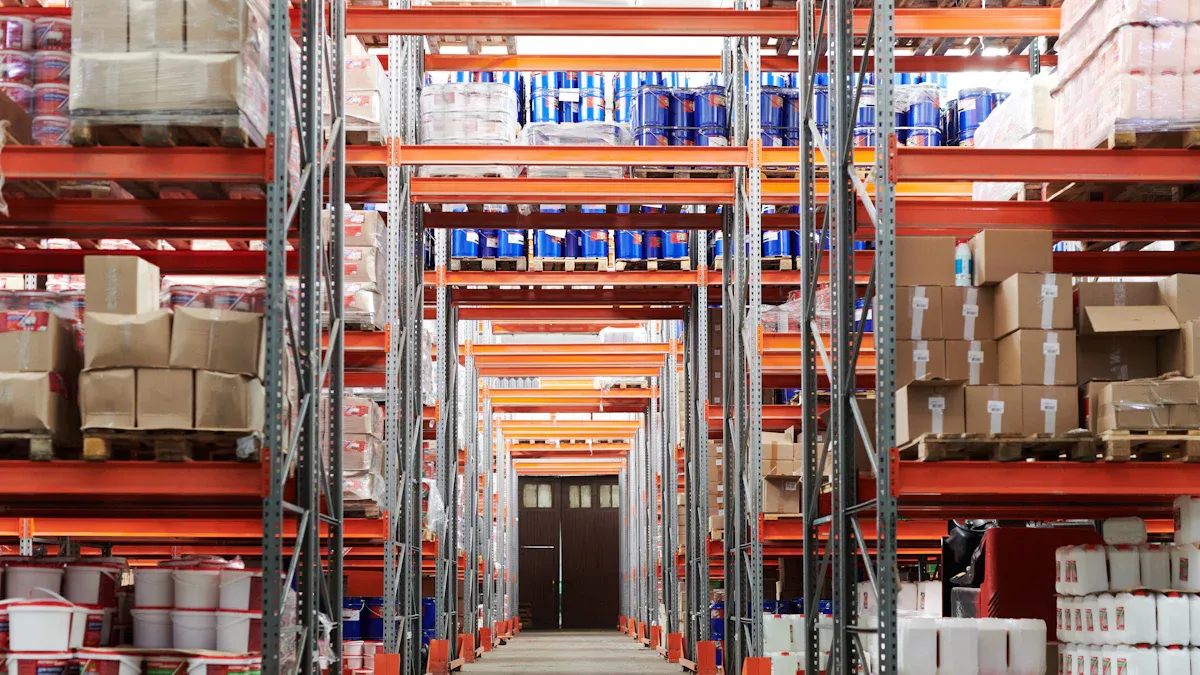
AI and JUSDA solutions provide innovative ways to enhance your supply chain visibility and control. By utilizing real-time tracking, you receive up-to-the-minute updates about shipments, enabling you to respond swiftly and build trust with customers. Transparency is crucial as customers increasingly expect insight into every order. AI-driven tools can lower costs by up to 40% and reduce inventory levels by 35%. These advancements assist you in managing risks, preventing stockouts, and making smarter decisions every day.
Key Takeaways
Supply chain visibility allows you to track products from start to finish, improving decision-making and efficiency.
AI tools can reduce costs by up to 40% and help prevent stockouts, leading to better inventory management.
Real-time tracking and data integration are essential for overcoming challenges like data silos and improving communication.
Using JUSDA solutions enhances your supply chain with global reach and local expertise, ensuring tailored support.
Regularly measure key performance indicators to assess your supply chain's health and make necessary improvements.
What Is Supply Chain Visibility
Key Concepts
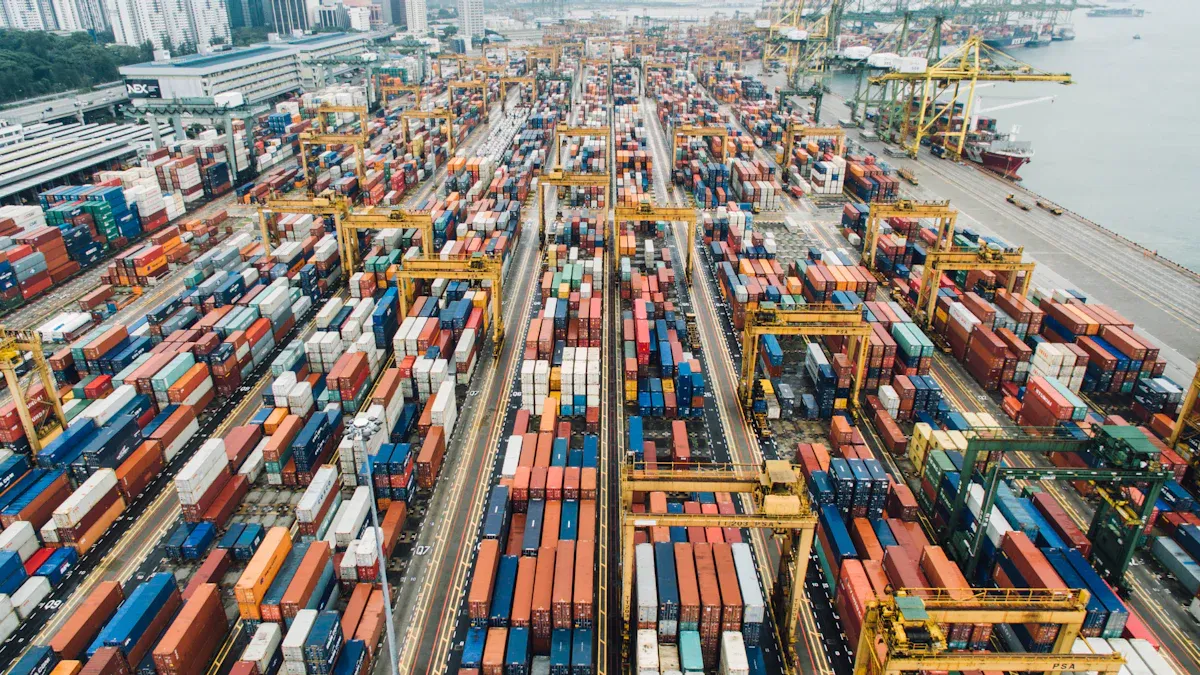
Supply chain visibility gives you a complete view of your product’s journey, from raw materials to the hands of your customer. You can monitor every step, starting with planning and ending with delivery. This approach lets you track all levels of your supply chain and ensures that everyone involved has access to the right data. When you have this level of insight, you can spot issues early and respond quickly.
To achieve strong supply chain visibility, you need several key components working together:
Data Collection Systems: Use IoT devices, RFID tags, sensors, and barcodes to gather information from every part of your supply chain.
Data Integration Platforms: Bring together data from different sources so you can see the full picture.
Advanced Analytics: Apply AI and machine learning to find patterns and predict problems before they happen.
Cloud Solutions: Store your data in one place, making it easy to access whenever you need it.
Communication Networks: Share real-time updates securely across your business and with partners.
Collaboration Tools: Work together with everyone in your supply chain for better results.
Visualization Tools: Use dashboards and reports to turn complex data into clear, useful information.
Tip: Real-time dashboards help you explore business topics and make decisions faster.
Why It Matters
Supply chain visibility matters because it helps you make better decisions every day. When you can see what is happening at every stage, you improve efficiency and productivity. You also reduce costs by cutting down on returns and making sure you follow all rules and standards. With better visibility, you can meet customer expectations and keep them satisfied.
Improved decision-making comes from having real-time data at your fingertips.
You boost efficiency and productivity across your supply chain.
Operational costs drop as you avoid mistakes and delays.
Customer satisfaction rises when you deliver on time and keep promises.
Companies with strong visibility handle disruptions without losing revenue and often see higher profits.
Myth | Fact |
|---|---|
You can achieve it with advanced technologies like real-time tracking and IoT sensors. |
Remember, having the right information at the right time is key. Supply chain visibility gives you the tools to act quickly and stay ahead in a fast-moving market.
Challenges in Supply Chain Visibility
Data Silos
You often face data silos when different departments or partners store information in separate systems. This separation makes it hard to get a complete view of your supply chain. When you cannot share data across teams, you risk making decisions based on incomplete or outdated information. Data silos can lead to:
Inadequate shared networks, which cause wasted data and conflicting decisions.
Poor decision making, as unshared data results in missed opportunities and higher costs.
Disrupted operations, since fragmented information increases the risk of delays.
You can break down these silos by centralizing data management and using interoperable systems. Standardizing data formats and encouraging cross-functional collaboration also help. When you promote a culture of transparency and align your teams toward shared goals, you improve communication and reduce conflicts.
Note: Centralized data and open communication are key to overcoming data silos and improving supply chain visibility.
Lack of Real-Time Tracking
Without real-time tracking, you struggle to know where your shipments are or when they will arrive. Logistics managers often rely on estimated schedules, which can be inaccurate. Customers may ask for delivery updates, but you cannot always provide clear answers. This situation leads to:
Endless communication with carriers, causing delays and inefficiencies.
Uncertainty that erodes customer trust.
Increased risk of disruptions and higher operational costs.
Modern technologies can solve these problems. GPS enables accurate, real-time tracking of shipments. RFID helps you manage inventory without manual checks. IoT sensors monitor shipment conditions, which is vital for perishable goods. Blockchain adds security and transparency to your supply chain data.
When you use these tools, you gain better control and can respond quickly to changes. This approach helps you reduce costs, avoid disruptions, and build stronger relationships with your customers.
AI for Supply Chain Visibility

Artificial intelligence is changing how you manage and understand your supply chain. With AI, you can see what is happening in real time, predict future challenges, and automate routine tasks. These capabilities help you make better decisions, reduce costs, and improve customer satisfaction.
Predictive Analytics
AI-powered predictive analytics gives you the ability to look ahead and plan for what is coming. By analyzing large amounts of data from your supply chain, AI can spot trends, forecast demand, and identify risks before they become problems. This proactive approach leads to smarter planning and fewer surprises.
Benefit | Description |
|---|---|
Demand Forecasting | AI improves demand management and forecasting, helping you plan inventory and production better. |
Operational Efficiency | Streamlined operations reduce complexity and boost efficiency. |
Optimize Inventory Management | AI-driven systems cut down on stockouts and excess inventory, leading to better fulfillment. |
Enhance Supply Chain Visibility | Real-time analytics reveal trends and performance, supporting proactive decisions. |
Streamline Logistics | AI optimizes routes and delivery times, improving customer satisfaction. |
Predictive Maintenance | Early detection of equipment issues reduces downtime and maintains product quality. |
You can see the impact of predictive analytics in real-world results. For example:
Retailers have reduced forecasting errors by up to 50% using AI, which means fewer stockouts and less wasted inventory.
Healthcare organizations have cut inventory holding costs by 30% with AI-driven inventory management.
Companies using AI for procurement and logistics optimization have achieved a 3% reduction in supply chain costs and a 7% increase in operational efficiency.
AI-powered predictive logistics can deliver up to 40% cost reduction by optimizing routes, inventory, and labor.
AI also helps you respond quickly to market changes. Real-time market insights allow you to adjust procurement and inventory strategies, keeping your business agile and competitive. These improvements not only save money but also enhance profitability and customer service.
Tip: Use AI-driven dashboards to monitor key metrics and spot issues before they affect your customers.
Automation
Automation powered by AI takes over repetitive and time-consuming tasks, freeing you to focus on strategic decisions. AI systems process documents, track shipments, and update inventory levels automatically. This reduces errors and speeds up your operations.
Evidence | Description |
|---|---|
Intelligent Document Processing | AI uses computer vision and language processing to automate paperwork, saving time and effort. |
Continuous Tracking | AI logistics systems provide ongoing visibility, so you can react quickly to any issues. |
Automation of Routine Tasks | AI handles repetitive work, letting your team focus on higher-value activities. |
Customer Communication | Real-time updates keep your customers informed and satisfied. |
AI-driven automation also improves risk management. Advanced modeling techniques help you predict and minimize risks, while scenario modeling lets you prepare for potential disruptions. Generative AI simulations can test different supply chain scenarios, helping you choose the best response.
Here are some ways automation enhances supply chain visibility:
AI tracks every step in your supply chain, from inventory levels to shipment locations, in real time.
Predictive analytics identify potential issues early, so you can act before problems grow.
Automated processes ensure timely deliveries and better supplier relationships.
Note: Companies that use AI automation report faster decision-making, better risk management, and higher customer satisfaction.
AI technologies convert raw data into actionable intelligence. This supports faster decisions that balance cost, service, and sustainability. As a result, you gain a clear view of your entire supply chain and can respond quickly to changes.
JUSDA Solutions
Platform Features
You need a platform that adapts to your business and delivers results across every stage of your supply chain. JUSDA stands out by offering a blend of global reach and local expertise. This approach helps you navigate international markets while addressing local challenges. The platform covers all aspects of your supply chain, from procurement to delivery, so you experience seamless integration and flexibility.
JUSDA uses advanced technologies like RFID and warehouse management systems (WMS) to give you better control and visibility. These tools help you track goods in real time and optimize warehouse operations. The platform also focuses on your needs by offering tailored solutions for different industries. This customer-centric approach ensures high satisfaction and better outcomes.
Here is a summary of what makes JUSDA unique:
Unique Feature | Description |
|---|---|
Global Reach and Local Expertise | JUSDA combines a global network with an understanding of local market nuances to create tailored solutions. |
Comprehensive Service Offerings | The platform covers all aspects of the supply chain, ensuring seamless integration and flexibility. |
Technological Integration | Utilizes advanced technologies like RFID and WMS for enhanced visibility and operational efficiency. |
Customer-Centric Approach | Offers tailored solutions for specific industries, ensuring high levels of customer satisfaction. |
Tip: When you use a platform with both global and local strengths, you can respond faster to market changes and customer needs.
AI Integration
JUSDA integrates artificial intelligence to help you achieve better tracking and transparency. AI-driven route optimization lets you save 10-20% on fuel costs by finding the most efficient delivery paths. Inventory optimization algorithms use real-time data to improve replenishment strategies. This reduces waste and lowers holding costs. You get faster deliveries and higher service levels, which are essential for building trust with your customers.
AI also helps you analyze large amounts of data quickly. You can spot trends, predict disruptions, and make proactive decisions. These capabilities give you a clear advantage in managing your supply chain.
You can see the impact of JUSDA’s AI integration in real-world results. Here are some examples:
Company | Challenges | Solutions Implemented | Results |
|---|---|---|---|
Company A | Data silos, outdated systems | AI-driven systems, digital platforms | 20% reduction in lead times, 30% improvement in inventory levels |
Company B | Managing international supply chains | Middleware, automation tools | 25% increase in operational efficiency, 15% reduction in logistics costs |
You gain measurable benefits when you choose JUSDA:
Enhanced efficiency: JUSDA streamlines your processes and boosts operational performance.
Improved agility: You can respond quickly to changes in demand or disruptions.
Cost reduction: Automated processes lower labor and transportation expenses.
Better collaboration: Digital platforms improve communication among all parties.
Increased trust: Transparent operations foster trust with suppliers, manufacturers, and distributors.
Competitive edge: Strong collaboration helps you deliver more value to your customers.
JUSDA’s platform gives you the tools to achieve supply chain visibility and drive your business forward.
Implementation Steps
Getting Started
You can begin your journey to improved supply chain visibility by following a clear set of steps. Start by mapping all your systems that contribute to operational decisions. This audit helps you understand how your data flows and where you might face challenges. Next, focus on use cases that have a direct financial impact. For example, you might target areas where visibility constraints increase costs or risks.
Here is a simple roadmap to guide you:
Audit System-Level Data Dependencies: Identify every system that affects your supply chain decisions. Check how well these systems share data.
Select Use Cases With Direct Financial Consequences: Choose problems that affect your bottom line, such as delays or excess inventory.
Train and Deploy the Initial Model in Production Conditions: Use your data to build an AI model. Integrate it into your daily operations.
Enable Feedback Loops, Version Control, and Monitoring: Set up systems to track performance and retrain your models as needed.
Tip: Focus on specific pain points like asset tracking or supplier communication. This approach helps you see results faster.
You should also ensure that your new tools work smoothly with your current systems. Seamless integration prevents new data silos and supports better decision-making.
Measuring Success
To measure your progress, track key performance indicators (KPIs) that reflect your supply chain’s health. These KPIs cover delivery accuracy, inventory management, and cost efficiency. Mastering these metrics helps you meet customer demands and optimize your operations.
Some important KPIs include:
On-time delivery (ETAs)
Inventory to sales ratio (ISR)
Carrying cost of inventory
Purchase order tracking
Days sales of inventory (DSI)
Freight cost per tonne shipped
Perfect order delivery rate
Supplier on-time delivery
You can also benchmark your results using industry standards. The table below highlights common benchmarks:
KPI | Description |
|---|---|
How quickly you process and deliver orders | |
Inventory Accuracy | How correct your inventory records are |
On-Time Delivery | Percentage of orders delivered on schedule |
Inventory Turnover Rate | How often you sell and replace inventory |
Supply Chain Responsiveness | How well you respond to changes in demand |
Note: Regularly review these KPIs to spot trends and make improvements. This practice ensures your supply chain stays efficient and competitive.
When you use AI and JUSDA solutions, you gain clear visibility across your supply chain. You improve transparency, boost efficiency, and achieve real cost savings.
Transparency helps you spot inefficiencies and optimize logistics, which lowers operating costs through real-time tracking.
Real-time data lets you identify bottlenecks and improve delivery reliability.
AI-driven tools are now essential for speed and adaptability. As these technologies evolve, you can expect even greater control and smarter decision-making. Explore JUSDA’s offerings to take your supply chain to the next level.
SMART JusLink
Supply Chain Management Solution
FAQ
What is supply chain visibility?
Supply chain visibility lets you track products and materials at every stage. You see where your goods are and how they move. This helps you make better decisions and avoid delays.
How does AI improve supply chain visibility?
AI analyzes real-time data from your supply chain. You get alerts about risks and predictions for demand. This helps you plan ahead and reduce costs. For example, AI-powered logistics can cut costs by up to 40%.
What makes JUSDA’s platform unique?
JUSDA combines global reach with local expertise. You get real-time tracking, advanced analytics, and tailored solutions for your industry. The platform uses AI to improve efficiency and transparency.
How do I measure success after using AI and JUSDA solutions?
Track key performance indicators like on-time delivery, inventory accuracy, and cost savings. Use dashboards to monitor these metrics. You will see improvements in efficiency and customer satisfaction.
See Also
Enhancing Productivity Through JUSDA's Complete Supply Chain Insight
The Reasons JUSDA's Supply Chain Services Stand Out
Transforming Supply Chain Practices: JUSDA's Sustainable Approach
Exploring Future Supply Chains: Insights on AI Integration
Understanding Advanced Manufacturing: JUSDA's Innovative Logistics Solutions