Industry Analysis of the Revolutionary Latest Manufacturing Technologies

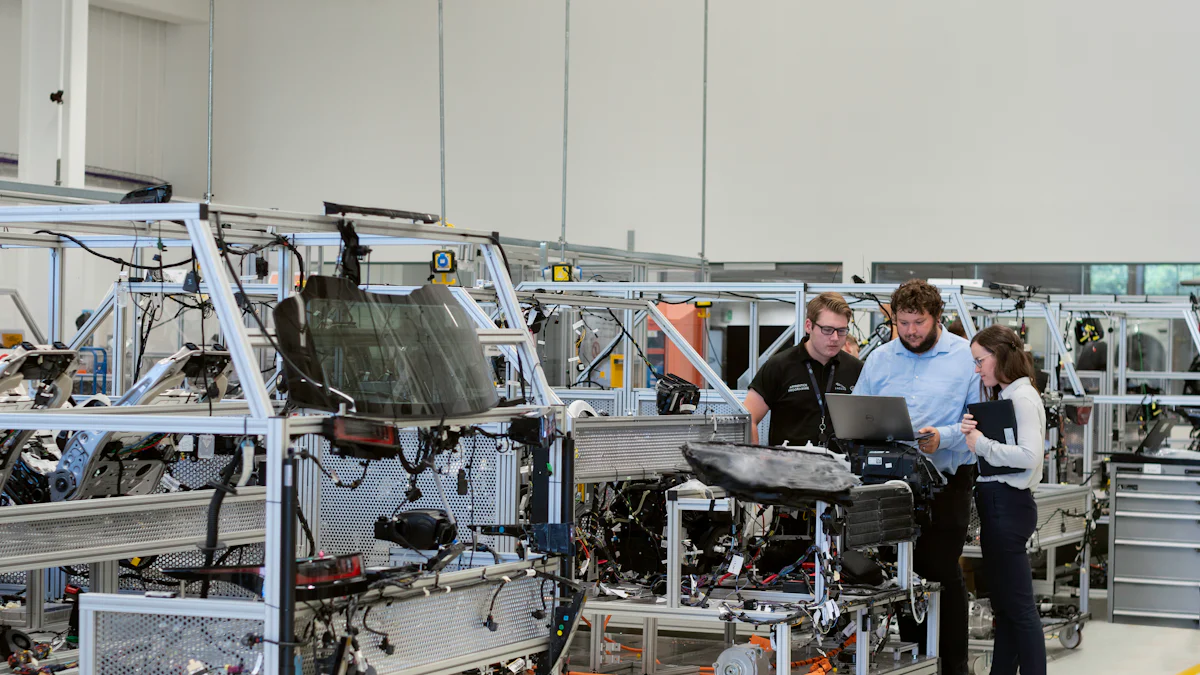
Manufacturing technologies play a crucial role in modern industry. Rapid advancements in areas such as 3D printing, artificial intelligence (AI), and the Internet of Things (IoT) have transformed production processes. These innovations significantly impact productivity, efficiency, and profitability. The purpose of this Industry Analysis is to explore these revolutionary technologies and their profound effects on the manufacturing sector.
Industry Analysis of Latest Manufacturing Technologies
Additive Manufacturing (3D Printing)
Definition and Basic Principles
Additive Manufacturing, commonly known as 3D Printing, involves creating objects by layering materials based on digital models. This technology contrasts with traditional subtractive manufacturing, which removes material from a solid block. Additive Manufacturing uses materials such as plastics, metals, and ceramics to construct complex shapes with high precision.
Key Applications in Various Industries
Aerospace: Produces lightweight components, reducing fuel consumption.
Healthcare: Creates custom prosthetics and implants tailored to individual patients.
Automotive: Develops prototypes and end-use parts, accelerating design cycles.
Consumer Goods: Enables personalized products like footwear and eyewear.
Benefits and Challenges
Benefits:
Reduces waste by using only necessary materials.
Shortens production times for prototypes and small batches.
Allows for complex geometries that are difficult with traditional methods.
Challenges:
High initial costs for equipment and materials.
Limited material choices compared to conventional manufacturing.
Requires skilled operators and designers.
Advanced Robotics and Automation
Definition and Basic Principles
Advanced Robotics and Automation involve the use of robots and automated systems to perform tasks traditionally done by humans. These technologies integrate sensors, AI, and machine learning to enhance precision and efficiency. Advanced Robotics can operate continuously, improving productivity and reducing human error.
Key Applications in Various Industries
Manufacturing: Automates assembly lines, increasing speed and consistency.
Logistics: Utilizes automated guided vehicles (AGVs) for material handling.
Healthcare: Assists in surgeries and patient care with robotic systems.
Agriculture: Employs drones and automated machinery for planting and harvesting.
Benefits and Challenges
Benefits:
Increases productivity by operating 24/7 without fatigue.
Enhances precision and reduces errors in repetitive tasks.
Addresses labor shortages by performing tasks that are dangerous or undesirable.
Challenges:
High upfront investment in robotic systems.
Requires ongoing maintenance and technical support.
Potential job displacement for workers performing manual tasks.
Internet of Things (IoT) in Manufacturing
Definition and Basic Principles
The Internet of Things (IoT) in Manufacturing refers to the network of interconnected devices that collect and exchange data to optimize production processes. IoT devices include sensors, actuators, and software that monitor and control manufacturing environments. IoT enables real-time data analysis and decision-making, enhancing operational efficiency.
Key Applications in Various Industries
Predictive Maintenance: Monitors equipment health to predict failures and schedule maintenance.
Supply Chain Management: Tracks inventory levels and shipment status in real-time.
Quality Control: Uses sensors to detect defects and ensure product consistency.
Energy Management: Optimizes energy usage by monitoring consumption patterns.
Benefits and Challenges
Benefits:
Improves efficiency by providing real-time insights into operations.
Reduces downtime through predictive maintenance and timely interventions.
Enhances product quality by monitoring and controlling production parameters.
Challenges:
Security risks associated with interconnected devices.
High implementation costs for IoT infrastructure.
Requires integration with existing systems and processes.
Artificial Intelligence and Machine Learning
Definition and Basic Principles
Artificial Intelligence (AI) refers to the simulation of human intelligence in machines. These machines can perform tasks that typically require human intelligence, such as visual perception, speech recognition, decision-making, and language translation. Machine Learning (ML), a subset of AI, involves algorithms that enable computers to learn from and make predictions based on data. AI and ML technologies analyze vast amounts of data to identify patterns and make informed decisions without human intervention.
Key Applications in Various Industries
Manufacturing: AI optimizes production processes by predicting equipment failures and scheduling maintenance. This minimizes downtime and enhances productivity.
Healthcare: AI assists in diagnosing diseases and personalizing treatment plans. Machine learning models analyze patient data to predict health outcomes and recommend interventions.
Finance: AI detects fraudulent transactions and manages risks. Machine learning algorithms analyze financial data to provide insights for investment strategies.
Retail: AI personalizes shopping experiences by analyzing customer behavior. Machine learning models recommend products and optimize inventory management.
Benefits and Challenges
Benefits:
Enhances decision-making by providing data-driven insights.
Increases efficiency by automating repetitive tasks.
Improves accuracy by reducing human error.
Enables predictive maintenance, reducing operational costs.
Challenges:
High implementation costs for AI and ML systems.
Requires large datasets for training machine learning models.
Potential ethical concerns regarding data privacy and bias.
Necessitates skilled personnel for development and maintenance.
Impact on the Manufacturing Industry
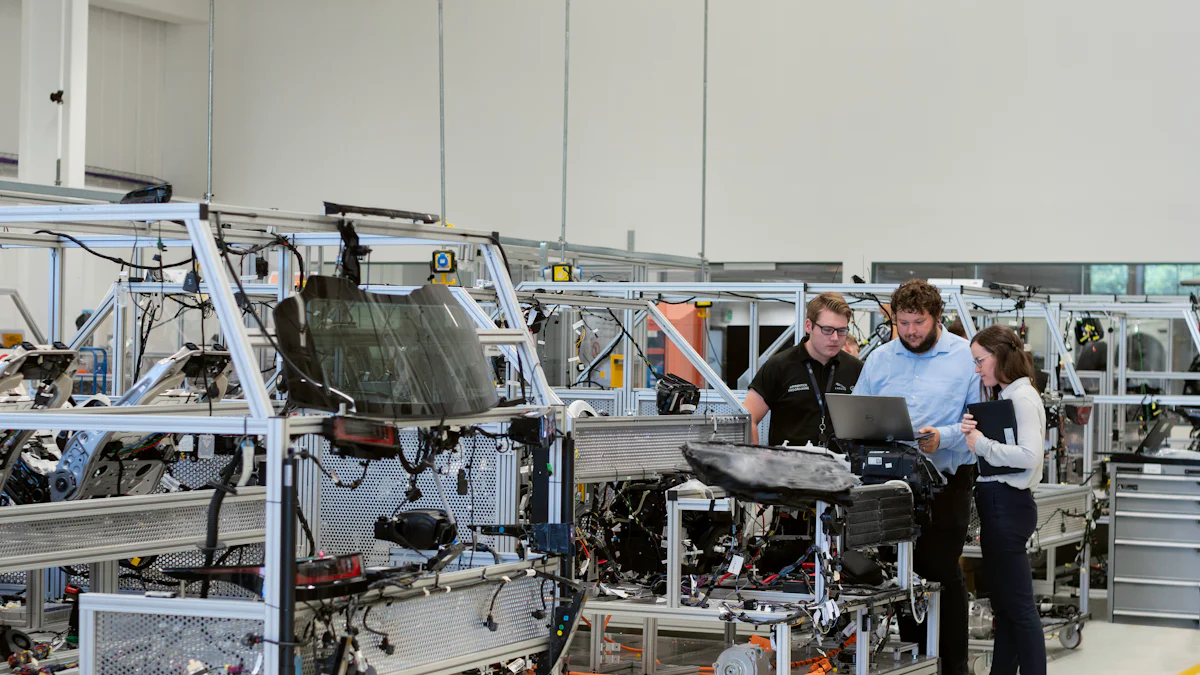
Increased Efficiency and Productivity
Industry Analysis reveals that advanced manufacturing technologies significantly enhance efficiency and productivity. For instance, Machine Learning Use Cases in Manufacturing highlight how algorithms optimize time-consuming aspects of production processes. These algorithms streamline operations and transform labor-intensive tasks into automated workflows.
Case Studies and Examples:
General Electric (GE): Implemented AI-driven predictive maintenance systems in their aviation division. This technology reduced unplanned downtime by 20%, leading to substantial productivity gains.
Siemens: Utilized IoT-enabled sensors in their factories to monitor equipment health. Real-time data analysis allowed for immediate interventions, increasing overall operational efficiency by 15%.
Cost Reduction and Resource Optimization
The integration of AI and IoT in manufacturing leads to significant cost reductions and resource optimization. AI and Advanced Analytics in Manufacturing demonstrate how data-centric AI models enable informed decision-making. This results in optimized resource allocation and minimized waste.
Case Studies and Examples:
Toyota: Adopted AI-based quality control systems that reduced defect rates by 30%. This improvement translated into lower production costs and higher resource efficiency.
Procter & Gamble (P&G): Implemented IoT solutions for energy management in their plants. The real-time monitoring of energy consumption patterns led to a 10% reduction in energy costs.
Enhanced Quality and Precision
Advanced technologies like AI and 3D printing enhance the quality and precision of manufactured products. Implementing AI in Manufacturing emphasizes the role of generative AI in improving production and quality control. These technologies ensure products meet stringent quality standards with minimal human intervention.
Case Studies and Examples:
BMW: Leveraged 3D printing to produce complex automotive components with high precision. This approach not only improved product quality but also shortened the design-to-production cycle.
Johnson & Johnson: Used AI-driven analytics to monitor and control pharmaceutical manufacturing processes. This resulted in a 25% increase in product consistency and quality.
Workforce Transformation
Skills and Training Requirements
The advent of advanced manufacturing technologies necessitates a shift in workforce skills. Employees must acquire new competencies to operate and maintain sophisticated machinery. Machine Learning Use Cases in Manufacturing highlight the need for workers to understand algorithms and data analytics. This knowledge enables employees to optimize production processes and improve operational efficiency.
Training programs must focus on:
AI and Machine Learning: Workers need to grasp the basics of AI and machine learning to leverage these technologies effectively.
Robotics and Automation: Understanding how to program and troubleshoot robots is crucial for maintaining seamless operations.
IoT Systems: Employees must learn to manage interconnected devices and analyze real-time data for decision-making.
3D Printing: Mastery of additive manufacturing techniques is essential for producing complex geometries with high precision.
Educational institutions and industry leaders must collaborate to develop curricula that address these needs. Continuous learning and upskilling will ensure the workforce remains competitive in a rapidly evolving industry.
Job Displacement and Creation
The integration of advanced technologies in manufacturing leads to both job displacement and creation. Automation and robotics can perform repetitive tasks more efficiently than humans, potentially reducing the need for manual labor. However, new roles emerge that require specialized skills.
AI and Advanced Analytics in Manufacturing reveal that data-centric AI models enable informed decision-making. This shift creates demand for data scientists and AI specialists who can interpret and apply insights from vast datasets. Additionally, the implementation of IoT systems necessitates experts in network management and cybersecurity.
Key areas of job creation include:
AI and Data Analysis: Professionals who can develop and manage AI models are in high demand.
Robotics Engineering: Engineers who design, build, and maintain robotic systems play a critical role.
IoT Specialists: Experts who can integrate and secure IoT devices are essential for modern manufacturing environments.
Additive Manufacturing Technicians: Skilled operators who can manage 3D printing processes are needed to produce customized components.
While some traditional roles may diminish, the emergence of these new positions offers opportunities for career growth and development. Companies must invest in retraining programs to help displaced workers transition into these new roles.
Future Trends and Predictions
Emerging Technologies on the Horizon
Brief Overview of Each Technology
The manufacturing industry continues to evolve with the introduction of new technologies. These innovations promise to further transform production processes and enhance efficiency.
Quantum Computing: Quantum computing offers unprecedented computational power. This technology can solve complex problems in seconds, which traditional computers would take years to solve. Quantum computing will revolutionize supply chain optimization and material science.
5G Connectivity: 5G technology provides faster and more reliable communication. This connectivity enables real-time data exchange between machines and systems. Manufacturing operations will benefit from enhanced automation and remote monitoring capabilities.
Augmented Reality (AR) and Virtual Reality (VR): AR and VR technologies offer immersive experiences for training and design. Workers can use AR glasses for hands-free guidance during assembly tasks. VR simulations allow for virtual prototyping and testing, reducing development times.
Blockchain: Blockchain technology ensures secure and transparent transactions. Manufacturers can track the entire lifecycle of products, from raw materials to finished goods. This transparency enhances trust and reduces fraud in supply chains.
Potential Industry Shifts
Market Dynamics and Competitive Landscape
The adoption of these emerging technologies will lead to significant shifts in the manufacturing industry. Companies that embrace innovation will gain a competitive edge.
Increased Customization: Advanced manufacturing technologies enable on-demand production. Companies can offer customized products tailored to individual customer preferences. This shift will drive the demand for flexible manufacturing systems.
Enhanced Collaboration: The integration of digital technologies fosters collaboration across the value chain. Manufacturers, suppliers, and customers can share real-time data and insights. This collaboration improves decision-making and accelerates innovation.
Sustainability Focus: Environmental responsibility will become a key differentiator. Companies will adopt sustainable practices to reduce their carbon footprint. Technologies like AI and IoT will optimize resource usage and minimize waste.
Reshoring and Localization: The global supply chain disruptions have highlighted the need for localized production. Companies will invest in reshoring manufacturing operations to reduce dependency on international suppliers. This trend will enhance supply chain resilience and reduce lead times.
Policy and Regulatory Considerations
Impact on Innovation and Adoption
The successful implementation of advanced manufacturing technologies depends on supportive policies and regulations. Governments and regulatory bodies play a crucial role in fostering innovation.
Incentives for Research and Development: Governments should provide incentives for companies investing in R&D. Tax credits and grants can encourage the development of cutting-edge technologies. This support will accelerate the adoption of innovative solutions.
Standardization and Interoperability: Regulatory bodies must establish standards for new technologies. Standardization ensures interoperability between different systems and devices. This consistency will facilitate seamless integration and enhance operational efficiency.
Data Privacy and Security: The proliferation of connected devices raises concerns about data privacy and security. Regulations should mandate robust cybersecurity measures to protect sensitive information. Companies must comply with data protection laws to build trust with customers and partners.
Workforce Development: Policymakers should focus on workforce development initiatives. Training programs and educational curricula must align with industry needs. This alignment will equip workers with the skills required to thrive in a technology-driven environment.
The future of manufacturing lies in the successful integration of these emerging technologies. Companies that adapt to these trends will lead the industry and drive innovation.
Revolutionary manufacturing technologies hold immense significance for the industry. Innovations like AI, IoT, and 3D printing have transformed production processes. These advancements enhance efficiency, productivity, and quality.
The transformative impact on the industry cannot be overstated. Companies adopting these technologies gain a competitive edge. They achieve cost reductions and resource optimization.
Continuous learning and adaptation are crucial. The workforce must acquire new skills to operate advanced machinery. Training programs should focus on AI, robotics, and IoT.
The future of manufacturing looks promising. Emerging technologies will drive further innovation. Companies that embrace these trends will lead the industry.
See Also
Unlocking Achievement: High-Tech Production Consultation Unveiled
Cutting-Edge Production: Exposing Automation Misconceptions
Investigating Robotics Innovation: Logistics Transformation
Sailing Through Efficient Logistics for High-Tech Production Triumph
Collaborate for Progress: Improving Vendor Connections in High-Tech Production