Emerging Trends in Intelligent Logistics Technology for 2025


You see smart logistics changing quickly. In 2025, connected logistics technology will drive efficiency improvement and optimization across transportation, supply chain, and warehouse operations. Companies use data for intelligent logistics and automation. The following table shows how emerging trends like AI, IoT, and automation shape logistics efficiency:
Technology Trend | Projected Impact |
|---|---|
Automation and robotics | 80% of companies plan to adopt automated transportation technology trends. |
Artificial Intelligence (AI) | Companies adopting AI have reduced logistics costs by 15%, optimized inventory by 35%, and improved service levels by 65%. |
Blockchain | Expected to grow at a CAGR of 39.19% from 2024 to 2032. |
Internet of Things (IoT) | Over 80% of logistics companies plan to integrate IoT for real-time tracking. |
Digital twins | Gartner reports a 30% decrease in supply chain disruptions for companies using digital twins. |
Supply Chain Management Software | Market volume expected to reach US$24.58 billion in 2029 with a CAGR of 4.05%. |
Key Takeaways
Intelligent logistics uses advanced technologies like AI, IoT, and automation to improve efficiency and reduce costs in supply chain management.
Real-time data access enhances decision-making, allowing companies to optimize routes, manage inventory, and improve customer satisfaction.
Investing in smart logistics technologies can lead to significant cost savings and a competitive edge in the rapidly evolving logistics market.
Intelligent Logistics Defined
What Is Intelligent Logistics?
You may wonder what sets intelligent logistics apart in today’s fast-changing world. The intelligent logistics market focuses on using advanced technology to automate and optimize every step of the logistics process. This approach relies on data perception, automated analysis, and intelligent control to create a seamless flow of goods and information. The table below highlights the core aspects and characteristics of intelligent logistics:
Aspect | Description |
|---|---|
Definition | Smart logistics is a high-level stage of information construction, focusing on logistics data perception automation, diversified calculation and analysis, modular information processing, intelligent manipulation and control, and resource sharing and interworking. |
Characteristics | Science and technology intensive; development level depends on logistics firms' informatization levels and the application and popularization of logistics technologies and equipment. |
The intelligent logistics market stands out because it uses real-time data, predictive analytics, and automation. This shift moves away from manual, time-consuming tasks and brings in streamlined, technology-driven operations. You see the intelligent logistics market growing as companies seek better efficiency and transparency.
Importance in Modern Supply Chains
The intelligent logistics market plays a vital role in modern business. You benefit from faster, more accurate deliveries and improved customer satisfaction. The table below compares traditional and intelligent logistics:
Aspect | Traditional Logistics | Intelligent Logistics Market |
|---|---|---|
Process Efficiency | Manual, time-consuming | Automated, streamlined |
Visibility | Limited tracking | Real-time monitoring |
Data Utilization | Historical analysis | Predictive analytics |
Customer Experience | Standardized | Personalized, responsive |
Scalability | Hard to scale | Easily scalable |
Cost Implications | Higher costs | Cost savings |
You notice that the intelligent logistics market uses robotics, cloud platforms, AI, and IoT sensors. These tools help you streamline processes, reduce errors, and make better decisions.
A smart logistics strategy relies on data transparency across the supply chain.
Real-time access to clean data improves your decision-making.
AI and predictive intelligence help you anticipate delays and optimize routes.
The intelligent logistics market gives you a competitive edge in supply chain management. You can adapt quickly, reduce costs, and meet customer demands in a global marketplace.
Emerging Trends in Supply Chain Technology
AI & Machine Learning
You see artificial intelligence and machine learning changing the intelligent logistics market at a rapid pace. These technologies help you move from reactive to proactive supply chain management. You can now use advanced analytics and big data to make smarter decisions and improve logistics optimization.
AI technology allows you to track and measure all factors involved in demand, production, and supply. This leads to accurate forecasting and efficient planning. You minimize waste and ensure timely delivery of goods.
Most executives have already embraced AI in their operations. In fact, 98% of executives use AI to transform at least one aspect of their supply chain. You might notice that 40% of companies apply AI to improve customer experience, while 35% use it to forecast demand, optimize inventory, and spot disruptions before they happen.
Here are some ways AI and machine learning support the intelligent logistics market:
AI-driven tracking systems let you monitor shipments at every stage. You receive alerts about delays or unexpected changes.
You enhance demand forecasting by analyzing complex patterns and real-time consumer behavior.
AI helps you optimize inventory management by calculating safety stock and predicting replenishment cycles.
You improve logistics and route optimization through real-time data analysis.
Supplier risk management becomes easier with continuous monitoring of supplier performance.
Automation of repetitive tasks streamlines procurement and order management.
You gain measurable benefits from using AI in logistics technology. The table below shows some of the improvements companies have reported:
Metric | Improvement |
|---|---|
Delivery Times | 25% cut |
On-time Deliveries | 20% boost |
Manual Labor Costs | 35% drop |
Overall Productivity | 12% increase |
Cost Reduction | 15% |
Inventory Levels | 35% decrease |
Service Levels | 65% increase |
Downtime Reduction | 30% fewer stops |
Fleet Efficiency | 15% boost |
Vehicle Lifespan | 20–25% longer |
Operational Efficiency | Up to 30% better |
Operational Costs | Up to 50% lower |
You can see that artificial intelligence and machine learning drive efficiency and cost savings across the intelligent logistics market. These trends help you stay ahead in a competitive environment.
IoT Integration
The internet of things is another major force in the intelligent logistics market. IoT devices like GPS trackers and sensors give you immediate access to critical data. You can track vehicle locations, monitor speed, and plan efficient routes. Centralized dashboards let you intervene quickly, which boosts operational efficiency.
You benefit from real-time tracking of shipments and assets. This allows you to reroute deliveries and address maintenance issues before they become problems. IoT integration also helps you reduce expedite rates and optimize inventory levels. Employees find it easier to onboard and become more productive with these technologies.
Here are some key advantages of IoT in logistics:
Real-time tracking of fleet and asset locations
Insights from IoT data help you optimize operations and reduce fuel consumption
Quick responses to disruptions improve overall supply chain efficiency
Better visibility into the supply chain allows for real-time tracking of shipments
Enhanced customer satisfaction through accurate updates on shipment status
The intelligent logistics market is seeing rapid growth in IoT adoption. The table below highlights the latest statistics:
Statistic | Value (USD Billion) | CAGR (%) |
|---|---|---|
IoT-powered logistics market (2023) | 42.3 | N/A |
Projected market (2033) | 146.1 | 13.2 |
Logistics IoT spending (2034) | 189.62 | 14.2 |
Supply Chain IoT market (2024) | 21.36 | N/A |
Projected Supply Chain market (2031) | 55.58 | 12.70 |
Global IoT in transportation (2024-2034) | N/A | 21.69 |
IoT in Logistics Market (2022) | 36.62 | N/A |
Projected market (2032) | 128.27 | 13.36 |
IoT Powered Logistics Market (2024) | 17.5 | N/A |
Projected market (2034) | 809 | 46.72 |
U.S. IoT-powered logistics market (2024) | 6.65 | 41.8 |
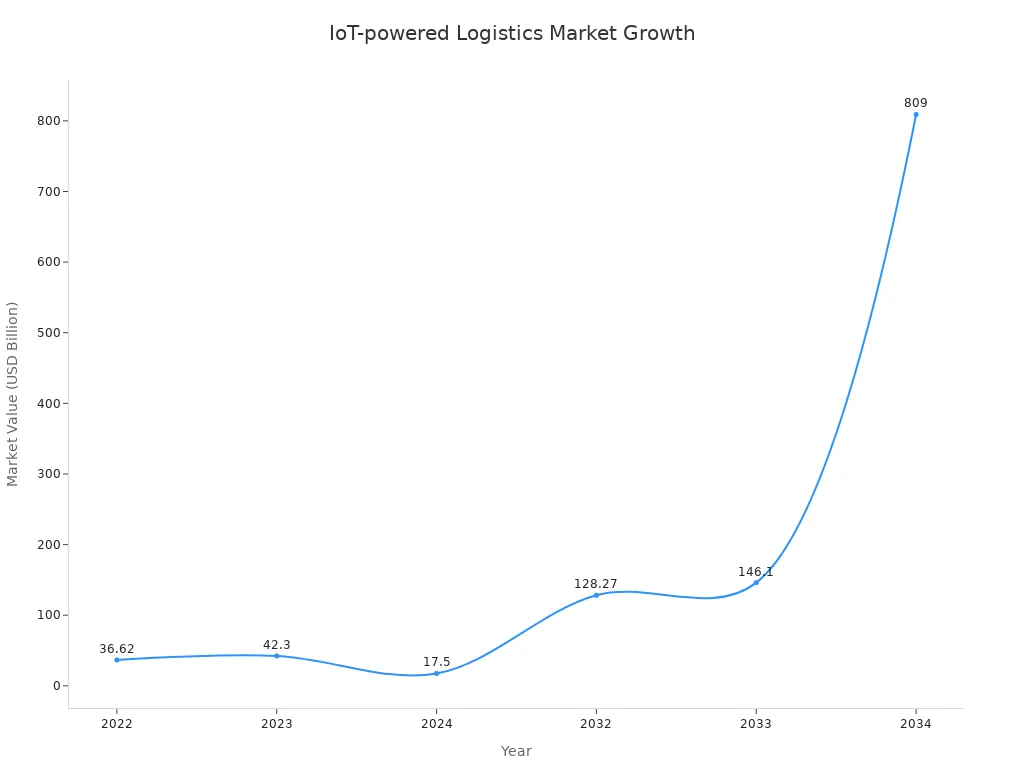
You can expect IoT tools to become standard in logistics operations by 2025. The intelligent logistics market will rely on these technologies for real-time data, better decision-making, and improved efficiency.
Blockchain Applications
Blockchain technology is transforming the intelligent logistics market by providing transparency, security, and traceability. You can track goods from production to delivery with a secure and transparent system. This minimizes risks and improves connections among all stakeholders in the supply chain.
You benefit from several key applications of blockchain in logistics:
Traceability and transparency: Blockchain gives you a secure way to track goods and see every step in the process.
Environmental and ethical sustainability: You can track carbon emissions and ensure products are ethically sourced.
Quality assurance: Blockchain records data at each production stage, so you know products meet quality standards.
Counterfeit prevention: Tamper-proof records help you combat counterfeiting.
Streamlined payment processing: Automated payments save time and reduce errors.
The table below shows how blockchain improves supply chain transparency and security:
Aspect | Description |
|---|---|
Transparency | Blockchain provides a trusted shared ledger that enhances visibility across supply chain transactions. |
Fraud Reduction | The immutability of records makes it nearly impossible to alter transaction data without detection. |
Efficiency Improvement | Smart contracts automate processes, reducing paperwork and human error, thus saving time and resources. |
Blockchain records every transaction permanently. If someone tries to alter shipment details, the blockchain logs the exact time and identity of the person who made the change. This makes it easy to resolve any fraudulent activity and helps you identify and neutralize malicious actors.
You see blockchain technology reshaping the intelligent logistics market by enhancing transparency, security, and efficiency. These applications address challenges like counterfeiting and supplier management, while also promoting responsible sourcing practices.
Logistics Automation with JUSDA
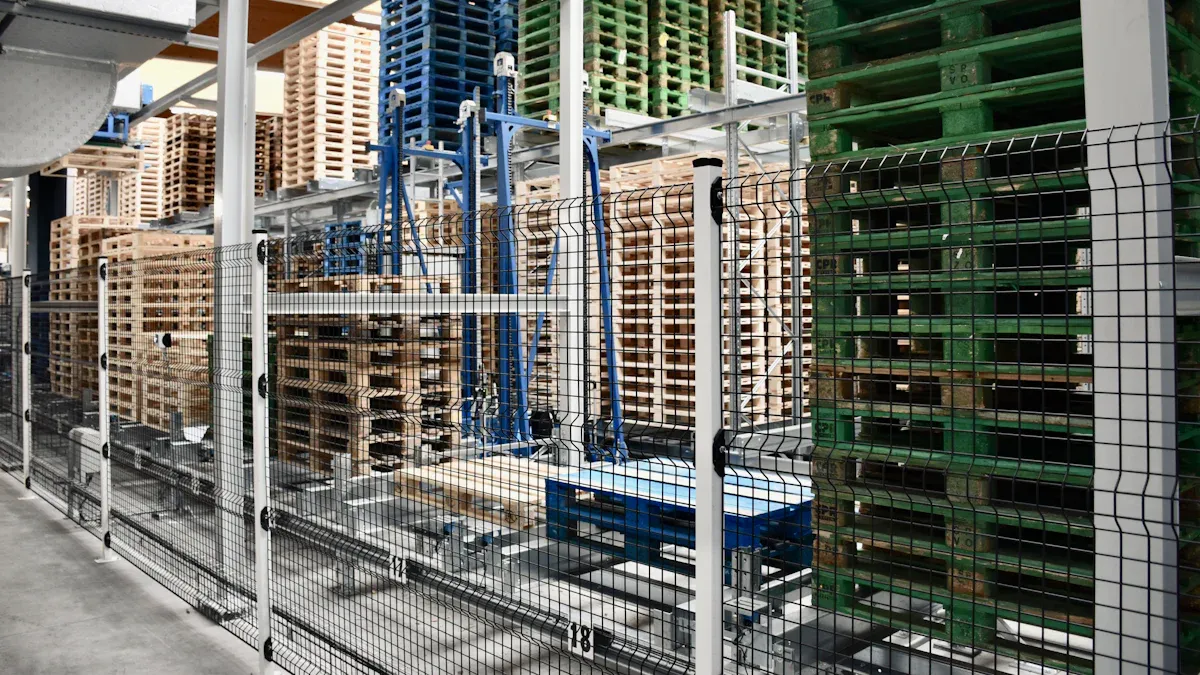
Warehouse Automation
You see logistics automation transforming the intelligent logistics market. JUSDA leads this change by using advanced technology in its global warehouse network. You benefit from real-time data visibility and streamlined operations. JUSDA’s warehouses in Northern Vietnam, including Bac Ninh, Hai Phong, and Bac Giang, offer a total capacity of 130,000 m². These facilities meet international standards and use strict management processes for faster, more reliable service.
Technology | Impact on Operations |
|---|---|
RFID | |
WMS | Improves workflow efficiency and reduces errors |
Automation | Increases productivity and logistics efficiency |
JUSDA’s multilingual team and dual-layer security ensure your goods stay safe. You also gain access to bonded warehouse services, which provide secure and cost-effective storage. The JusLink platform gives you real-time tracking and data integration, supporting optimization across the supply chain. Value-added services like picking, packing, and labeling help you meet customer demands quickly.
Robotics in Logistics
You experience even greater efficiency with automation and robotics in the intelligent logistics market. JUSDA uses autonomous robots and drones to handle inventory and order fulfillment. These robots navigate complex warehouse layouts, speeding up order processing and reducing errors.
Autonomous robots optimize inventory management and order picking.
Drones and robots streamline the movement of goods in distribution centers.
Staff can focus on strategic tasks, boosting overall productivity.
Automation frees up human resources for critical responsibilities.
You see how robotics technology supports logistics automation, driving innovation in logistics technology and transportation. With AI and real-time data, you achieve higher efficiency and better customer satisfaction in the intelligent logistics market.
Data Analytics in Intelligent Logistics
Predictive Analytics
You see predictive analytics driving major changes in the intelligent logistics market. Companies use big data analytics to analyze historical shipment data and predict future demand. This helps you maintain optimal inventory levels and ensures timely deliveries. You can also use forecasting to adjust transportation strategies based on market conditions. Predictive analytics lets you optimize delivery routes, reduce transportation costs, and improve overall efficiency.
Predictive analytics helps you make smarter decisions in the intelligent logistics market. You can respond quickly to changes and avoid costly mistakes.
Here are some common applications of predictive analytics in logistics technology:
Application | Description |
|---|---|
Demand Forecasting | Analyzing historical data to predict future demand patterns, helping in inventory adjustments. |
Inventory Management | Optimizing stock levels to reduce stockouts and excess inventory, enhancing customer experience. |
Route Optimization | Using data to determine the most efficient delivery routes, reducing transportation costs. |
Real-time Decision-making | Leveraging real-time data for immediate operational decisions, improving responsiveness. |
Risk Mitigation | Identifying potential risks through data analysis, allowing for proactive measures. |
You benefit from accurate demand forecasts, optimized inventory, and enhanced customer experience in the intelligent logistics market.
Data Integration
You rely on data integration to improve decision-making in the intelligent logistics market. By combining information from transportation management systems, supply chain platforms, and other sources, you gain real-time visibility into inventory, orders, and production. This enables you to respond quickly to changes and streamline supply chain processes.
Enhanced supply chain visibility gives you instant access to critical information.
Automated data transfer reduces errors and lets you focus on strategic tasks.
Improved forecasting minimizes overstocking and stockouts.
Seamless supplier collaboration shortens lead times and boosts efficiency.
Compliance and risk management become easier with better data transparency.
You see how data integration supports automation and big data analytics in the intelligent logistics market. Faster time-to-market and lower costs help you stay competitive in logistics and transportation.
Autonomous Transport Systems
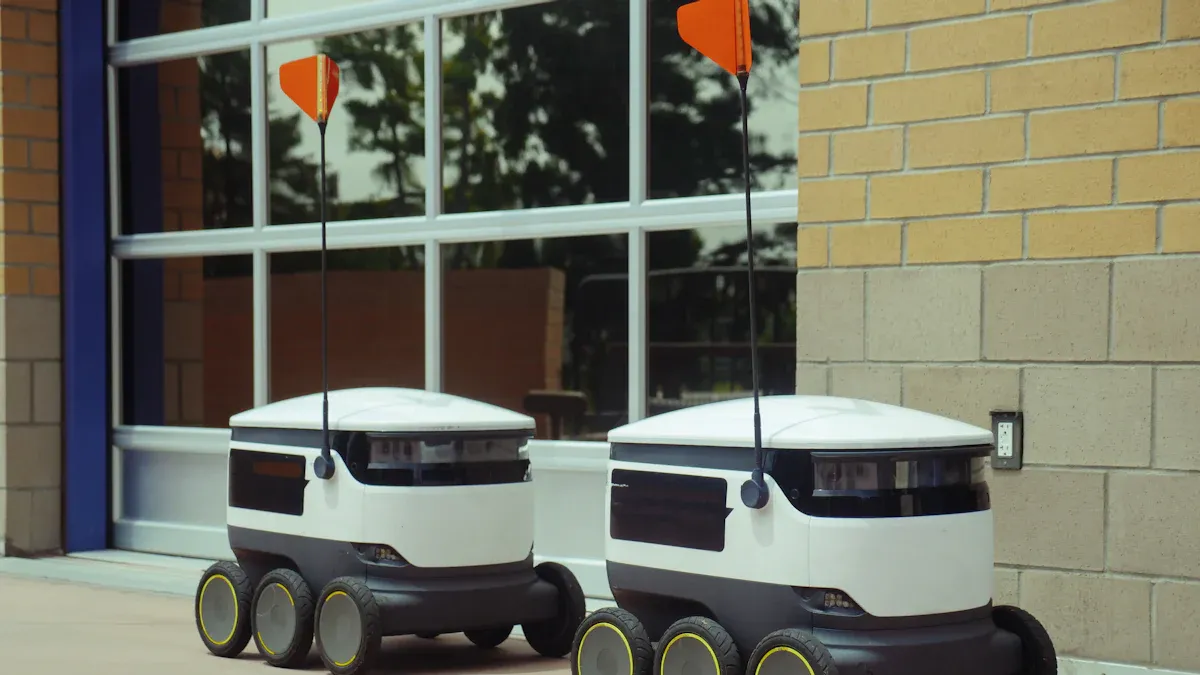
Drones & Self-Driving Vehicles
You see autonomous transport systems changing the way you move goods in the intelligent logistics market. Drones and self-driving vehicles now play a key role in making deliveries faster and more reliable. Companies like Amazon and Zipline use drones for last-mile delivery, especially in busy cities. These drones avoid traffic and reach customers quickly. You also notice that autonomous vehicles handle long-haul shipments between distribution centers. This technology reduces human error and improves delivery speeds.
Drones help with last-mile delivery in urban areas, making it easier to reach customers.
Self-driving trucks manage large shipments over long distances.
A hybrid network that uses both drones and autonomous vehicles increases efficiency.
The deployment of drones in logistics continues to grow. You see drones delivering medical supplies to remote locations and helping with inventory management in warehouses. Real-time route optimization powered by AI lets you adapt to changing road or weather conditions. This leads to lower fuel use and higher customer satisfaction. Intelligent inventory management systems use real-time data to keep stock levels accurate and improve order fulfillment.
Real-World Use Cases
You can find many examples of autonomous transport systems in action. Tesla Semi trucks use electric power and advanced safety features to move freight up to 500 miles. This reduces costs and emissions. DHL’s Parcelcopter 4.0 delivered medicine to remote areas in Africa, completing a 60 km trip in just 40 minutes. In Singapore, Tuas Port uses Autonomous Mobile Robots and Automated Terminal Tractors to streamline port operations and boost supply chain efficiency. These real-world cases show how technology transforms logistics and supports the growth of intelligent logistics.
Sustainability in Supply Chain
Green Logistics
You play a vital role in shaping sustainable logistics practices. Companies now focus on green logistics to reduce environmental impact and improve efficiency. You see organizations optimize routes and consolidate shipments to minimize fuel consumption and greenhouse gas emissions. Many businesses invest in electric and hybrid vehicles, which cut transportation emissions and lower fuel costs over time. You notice a shift to rail and water transport, which uses less energy than road or air transport.
Strategy | Impact on Environmental Impact |
|---|---|
Optimize routes and loads efficiently | Minimizes fuel consumption and reduces greenhouse gas emissions. |
Transition to electric vehicles | Cuts transportation emissions significantly. |
Integrating advanced technological solutions | Enables optimization of logistics with minimal environmental impact. |
You benefit from advanced technology that enables real-time tracking and data-driven decisions. Companies also train employees in sustainability, fostering a culture of environmental responsibility.
Reducing Carbon Footprint
You can help reduce your supply chain’s carbon footprint by choosing suppliers who prioritize sustainability. Local suppliers minimize transportation emissions. Eco-friendly and compact packaging saves energy and space. Companies transition to renewable energy sources and collaborate with suppliers to set clear sustainability goals. You see businesses adopt circular economy practices, such as recycling and product-as-a-service models.
Supply chain visibility is key to enhancing efficiency and reducing wastage. By gaining transparency across processes, you identify bottlenecks and opportunities for effective carbon footprint reduction.
Deloitte reports that about 70% of corporate emissions come from supply chain activities. You make a significant impact by engaging suppliers, sharing best practices, and regularly assessing sustainability performance.
JUSDA Case Study: Smart Supply Chain Solutions
Global Expansion
You see JUSDA leading the way in global expansion by using smart supply chain solutions. The company has earned recognition for excellence in logistics and supply chain solutions for four years in a row. At the Global Trade and International Logistics Summit, JUSDA showcased its smart supply chain platform. This platform highlights how you can digitize and streamline many supply chain processes. By using AI and cloud computing, JUSDA helps you boost efficiency and lower costs. These advances support Chinese manufacturers as they expand into new markets.
JUSDA has received awards for outstanding logistics and supply chain solutions.
The company demonstrates its smart supply chain platform at major global events.
AI and cloud computing drive efficiency and cost savings for manufacturers.
You benefit from JUSDA’s commitment to innovation and global reach. The company’s intelligent logistics approach helps you overcome challenges in international trade.
AI-Driven Efficiency
You gain measurable improvements when you use JUSDA’s AI-driven solutions. The company’s technology reduces transportation costs by 22%, inventory holding costs by 30%, and manual labor costs by 35%. These savings come from better resource allocation and streamlined processes like route planning and warehouse automation.
Cost Category | Reduction Percentage |
|---|---|
Transportation Costs | 22% |
Inventory Holding Costs | 30% |
Manual Labor Costs | 35% |
JUSDA’s customer stories show how AI helps you plan better routes and make faster deliveries. For example, you can save up to 20% on fuel by using AI for route optimization. Automated supplier follow-ups give you real-time data, so you can manage delays quickly. AI brings intelligence, agility, and accountability to your supply chain, making your operations more resilient and responsive.
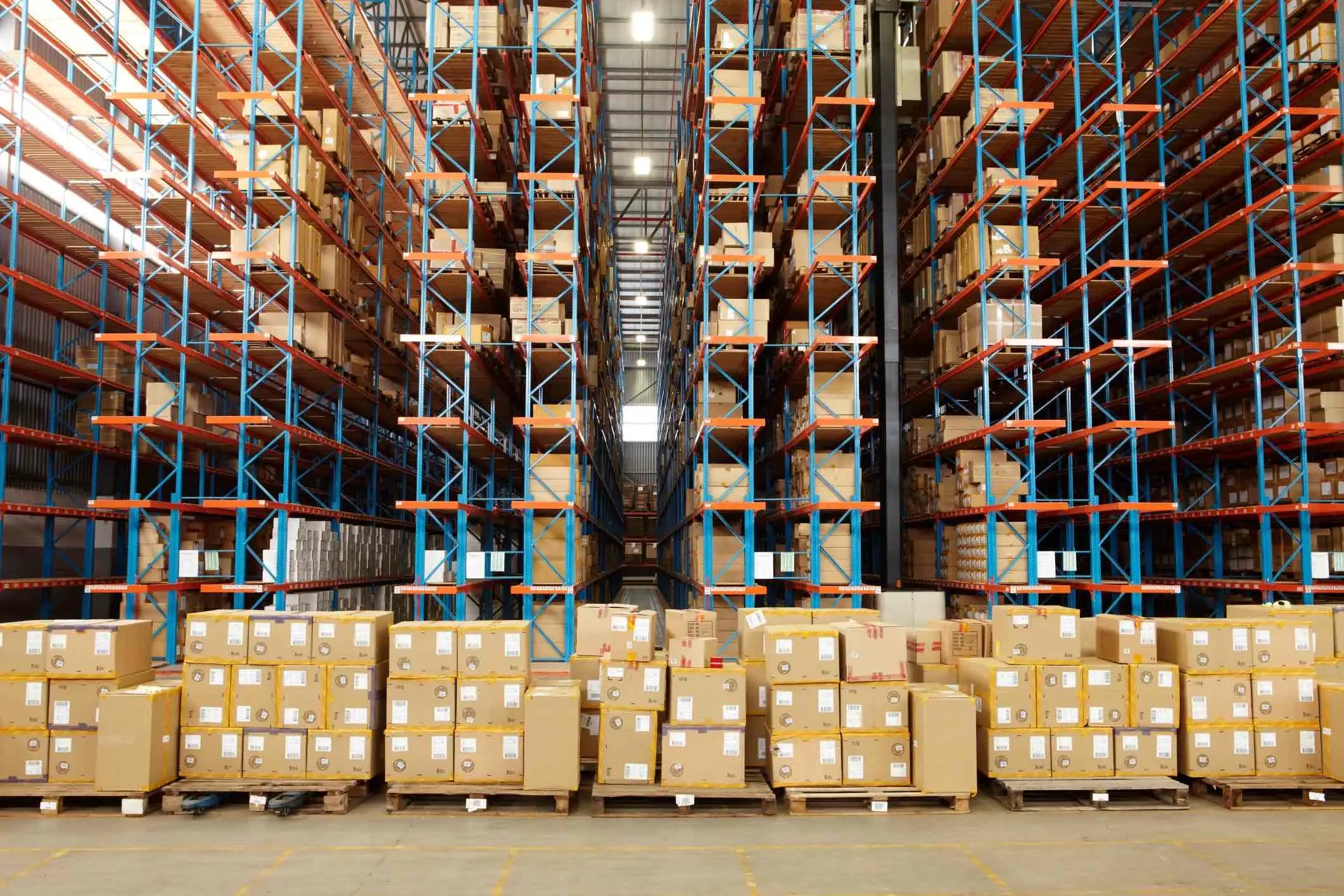
JUSDA Solutions
To provide you with professional solutions and quotations.
You see intelligent logistics driving automation, predictive analytics, and risk prevention in supply chain management.
JUSDA leads logistics innovation, boosting efficiency and sustainability.
You should define clear goals, invest in key technologies, and upskill your workforce.
The future of logistics depends on your ability to adapt, collaborate, and innovate.
See Also
Innovative Logistics Technologies Shaping Our Future Journey
Transforming Logistics: The Role of AI in Supply Chains
Exploring AI's Hidden Opportunities in Logistics Management
Advancing Logistics: The Future of Digital Technology Solutions
Get Prepared: Discovering New Transport Technologies for Supply Chains