JUSDA VMI the critical role of report management in the supply chain


JUSDA VMI revolutionizes supply chain management by automating inventory replenishment. This system maximizes savings and efficiency through advanced data analytics. Organizations can gain insights into their supply chain performance by analyzing data from suppliers, customers, and internal operations. Accurate report management enhances decision-making, transparency, and accountability. Effective reporting enables businesses to identify areas for improvement and optimize resource utilization. JUSDA VMI ensures seamless integration with client systems, providing real-time collaboration and precise business decision analysis.
Understanding JUSDA VMI
What is Vendor Managed Inventory (VMI)?
Definition and basic principles
Vendor Managed Inventory (VMI) refers to a supply chain strategy where the supplier takes responsibility for managing and replenishing inventory based on the customer's demand data. The supplier monitors stock levels and ensures timely restocking, reducing the burden on the customer. This approach enhances efficiency and minimizes stockouts.
Benefits of VMI
VMI offers several benefits:
Improved inventory turnover: Suppliers maintain optimal stock levels, reducing excess inventory and associated costs.
Enhanced collaboration: Real-time data sharing fosters better communication between suppliers and customers.
Reduced stockouts: Continuous monitoring ensures timely replenishment, minimizing the risk of stock shortages.
Cost savings: Efficient inventory management lowers storage and handling costs.
Overview of JUSDA's VMI system
Key features
JUSDA's VMI system integrates advanced technologies to streamline inventory management. Key features include:
Automated warehousing: Utilizes big data platforms for efficient storage and retrieval.
Intelligent transfer: Ensures seamless movement of goods within the supply chain.
Unified management: Combines Vendor Managed Inventory (VMI) and Customer Managed Inventory (CMI) for comprehensive oversight.
Real-time collaboration: Facilitates communication among suppliers, manufacturers, service providers, and customers.
How it integrates with supply chain processes
JUSDA's VMI system seamlessly integrates with existing supply chain processes. The system provides real-time data analytics, enabling precise business decision-making. Advanced warehouse planning and process design capabilities ensure efficient logistics management. Certifications such as TAPA, C-TPAT, and ISO9001 guarantee secure operations. The system supports multi-channel sales, enhancing overall supply chain efficiency.
The Role of Report Management in Supply Chain
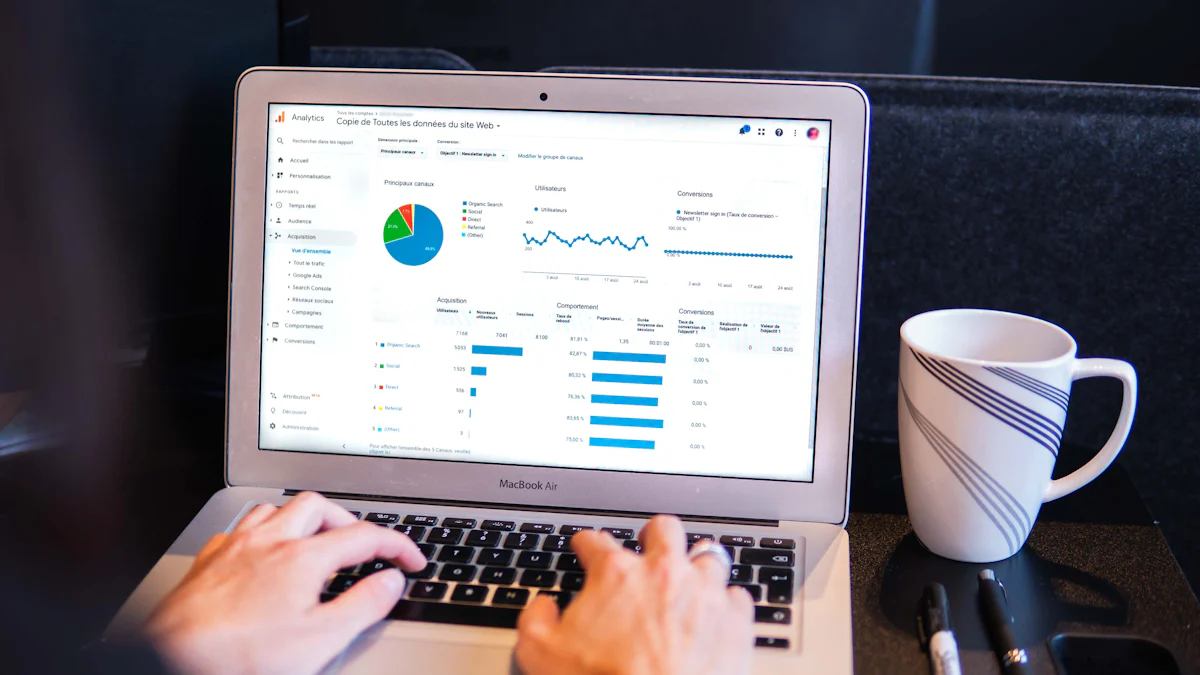
Importance of Accurate Reporting
Impact on decision-making
Accurate reporting plays a crucial role in supply chain management. Reliable data enables managers to make informed decisions. For instance, precise inventory levels help determine when to reorder stock. This prevents both overstocking and stockouts. Accurate reports also aid in demand forecasting. Businesses can predict future needs based on historical data. This leads to better resource allocation and cost savings.
Enhancing transparency and accountability
Transparency and accountability are essential in supply chain operations. Detailed reports provide a clear view of each process. Stakeholders can track the flow of goods from suppliers to customers. This visibility fosters trust among partners. It also ensures compliance with regulations. Regular audits become easier with comprehensive reports. Companies can quickly identify and rectify discrepancies. This enhances overall operational efficiency.
Types of Reports in Supply Chain Management
Inventory reports
Inventory reports offer insights into stock levels and movements. These reports help monitor the availability of products. Managers can identify slow-moving items and take corrective actions. Inventory reports also highlight discrepancies between physical stock and system records. This ensures accurate inventory management. Regular updates prevent stockouts and overstock situations.
Performance reports
Performance reports evaluate the efficiency of supply chain processes. These reports measure key performance indicators (KPIs) such as order fulfillment rates and delivery times. Performance reports help identify bottlenecks and areas for improvement. For example, a manufacturer of electronic components used performance reports to enhance product quality. The company collaborated with suppliers to address issues promptly. This led to improved customer satisfaction and reduced returns.
Compliance reports
Compliance reports ensure adherence to industry standards and regulations. These reports document compliance with safety, environmental, and quality standards. Compliance reports also track certifications like TAPA, C-TPAT, and ISO9001. Regular compliance checks help avoid legal penalties and maintain a good reputation. Companies can demonstrate their commitment to ethical practices through these reports.
Case Studies and Real-life Examples

Successful Implementation of JUSDA VMI
Case study 1
Automotive Industry Transformation
A company in the automotive industry implemented JUSDA's VMI system to streamline its supply chain process. The system utilized centralized planning and scheduling tools to enhance communication between suppliers and key stakeholders. The company achieved several benefits:
Reduced inventory levels
Improved production efficiency
Enhanced customer satisfaction
The centralized approach allowed better coordination, leading to significant cost savings and operational improvements.
Case study 2
Electronics Manufacturer's Success
An electronics manufacturer adopted JUSDA's VMI system to manage its complex supply chain. The system provided real-time data analytics and automated warehousing solutions. Key outcomes included:
Increased inventory turnover
Reduced stockouts
Lower storage costs
The integration of advanced technologies facilitated seamless collaboration among suppliers, manufacturers, and customers. This led to a more responsive and efficient supply chain.
Lessons Learned from Report Management
Best practices
Effective report management is crucial for optimizing supply chain operations. Several best practices have emerged from successful implementations:
Regular updates: Frequent reporting ensures accurate and up-to-date information.
Clear metrics: Defining key performance indicators (KPIs) helps track progress and identify areas for improvement.
Stakeholder involvement: Engaging all relevant parties in the reporting process fosters transparency and accountability.
Technology integration: Utilizing advanced tools and platforms enhances data accuracy and accessibility.
Adhering to these practices can significantly improve decision-making and operational efficiency.
Common pitfalls and how to avoid them
Several common pitfalls can hinder effective report management in the supply chain:
Inconsistent data: Ensuring data consistency across all reports is essential. Standardizing data collection methods can mitigate this issue.
Lack of clarity: Reports must be clear and concise. Avoiding jargon and using straightforward language can enhance understanding.
Delayed reporting: Timely reporting is critical. Implementing automated systems can reduce delays and ensure prompt updates.
Ignoring feedback: Feedback from stakeholders should be considered. Regularly reviewing and adjusting reports based on input can improve their relevance and accuracy.
By recognizing and addressing these pitfalls, companies can optimize their supply chain report management processes.
Practical Applications and Future Trends
Leveraging Technology for Better Report Management
Use of AI and machine learning
Artificial Intelligence (AI) and machine learning revolutionize supply chain report management. AI algorithms analyze vast amounts of data quickly. Machine learning models predict future trends based on historical data. These technologies enhance accuracy in reporting. Businesses gain insights into inventory levels and demand patterns. AI-driven reports help optimize resource allocation. Machine learning improves decision-making by identifying potential issues early.
Automation in report generation
Automation streamlines the report generation process. Automated systems collect and process data in real-time. This reduces manual errors and saves time. Automated reports provide up-to-date information on supply chain performance. Managers receive alerts for any discrepancies or anomalies. Automation ensures consistent and reliable reporting. Businesses can focus on strategic planning rather than data entry.
Future Trends in Supply Chain Report Management
Predictive analytics
Predictive analytics will play a crucial role in supply chain management. This technology uses historical data to forecast future events. Predictive models help anticipate demand fluctuations. Businesses can prepare for potential disruptions. Predictive analytics enhances inventory management by predicting stock levels. Companies can reduce costs by avoiding overstocking or stockouts. This approach leads to more efficient supply chain operations.
Real-time reporting
Real-time reporting provides immediate insights into supply chain activities. This technology enables instant access to critical data. Managers can monitor the flow of goods in real-time. Real-time reports enhance transparency and accountability. Businesses can respond quickly to any issues or changes. This improves overall operational efficiency. Real-time reporting supports better decision-making and resource management.
JUSDA VMI and report management play a crucial role in enhancing supply chain efficiency. Accurate reporting enables better decision-making, transparency, and accountability. The future of supply chain management will likely involve more advanced technologies, such as AI and real-time reporting. Businesses should adopt these innovations to stay competitive. Implementing best practices in report management can lead to significant cost savings and improved operational efficiency. Companies must prioritize accurate data collection and timely reporting to optimize their supply chain processes.
See Also
Optimizing Productivity: JUSDA's Full Supply Chain Transparency
The Transformation of Supply Chain Sustainability by JUSDA
Constant Readiness: JUSDA's Resilient Supply Chain Risk Mitigation
Jusda: Navigating Towards Success in Supply Chain Resilience
Ensuring Excellence: JUSDA's Comprehensive Supply Chain Quality Handbook