Key Trends Shaping the Chip Market

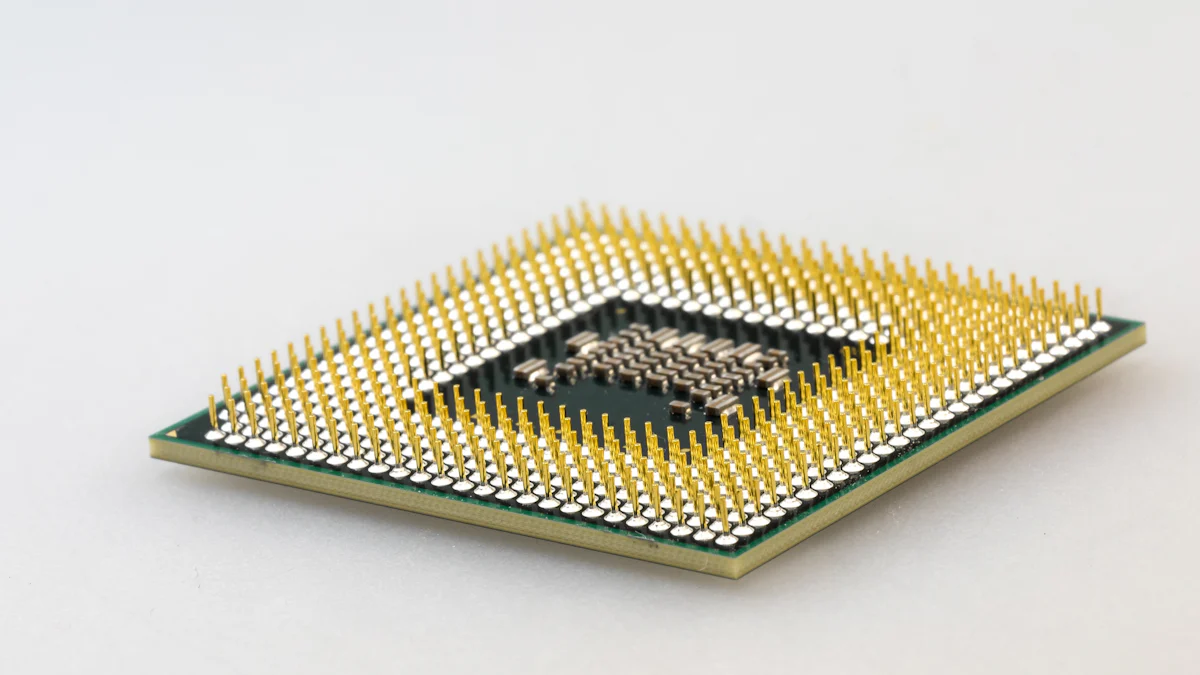
The chip market plays a crucial role in the global economy, driving advancements across various industries. The semiconductor industry has experienced rapid evolution, making it essential for stakeholders to stay updated with the latest trends. The market reached approximately $625.05 billion in 2023 and is projected to grow at a CAGR of 7.7% between 2024 and 2032. This blog aims to explore the key trends shaping the chip market, offering insights into technological advancements, market demands, and industry challenges.
Latest Trends in Technological Advancements

Evolution of Chip Architectures
Transition to Smaller Nodes
The semiconductor industry continues to push the boundaries of miniaturization. Developing smaller nodes allows for more transistors on a single chip, enhancing performance and energy efficiency. The transition to smaller nodes requires substantial investments in research and development. Companies like Intel and TSMC lead the charge in this area, aiming to produce chips with nodes as small as 3 nanometers. This trend not only boosts computational power but also reduces the overall cost per transistor.
Rise of Heterogeneous Integration
Heterogeneous integration represents a significant shift in chip design. Combining different types of components, such as processors, memory, and specialized accelerators, onto a single chip enhances functionality and performance. This approach addresses the limitations of traditional monolithic designs. ASICs (Application-Specific Integrated Circuits) provide a means to hardwire innovative accelerators and customized instruction sets that general-purpose CPUs struggle to match. This trend is crucial for applications requiring high efficiency and specialized processing capabilities.
Innovations in Manufacturing Processes
EUV Lithography
Extreme Ultraviolet (EUV) lithography has revolutionized chip manufacturing. EUV lithography uses light with extremely short wavelengths to create intricate patterns on silicon wafers. This technology enables the production of smaller and more complex chip designs. Major semiconductor manufacturers have adopted EUV lithography to stay competitive. The implementation of EUV lithography marks a significant milestone in achieving higher transistor densities and improved chip performance.
Advanced Packaging Techniques
Advanced packaging techniques have become essential for modern chip manufacturing. Methods such as 2.5D and 3D stacking allow for the integration of multiple chips within a single package. This approach improves performance, reduces latency, and enhances power efficiency. Advanced packaging techniques also facilitate the rise of heterogeneous integration by enabling the combination of different chiplets. Companies like Intel aim to quadruple their advanced chip packaging capacity by 2025, signaling a shift towards chipset architecture adoption.
Emerging Technologies
Quantum Computing
Quantum computing stands at the forefront of emerging technologies in the semiconductor industry. Quantum computers use quantum bits or qubits, which can represent both 0 and 1 simultaneously. This capability allows quantum computers to solve complex problems much faster than classical computers. Research in quantum computing focuses on developing stable qubits and error-correction methods. Quantum computing promises to revolutionize fields such as cryptography, material science, and artificial intelligence.
AI and Machine Learning Integration
AI and machine learning integration drive significant advancements in chip technology. AI algorithms optimize chip design, improve manufacturing processes, and enhance performance testing. The rise of AI reshapes the chip industry, driving demand for innovative chip types. Semiconductor companies develop AI-ready hardware to keep up with the rapid rise of AI solutions. Generative AI is expected to lead the bounce back of chip sales in 2024, although geopolitical factors could complicate growth in the semiconductor industry.
Market Demands and Dynamics
Increasing Demand for Consumer Electronics
Smartphones and Tablets
The consumer electronics sector remains a primary driver of the semiconductor market. The proliferation of smartphones and tablets significantly increases the demand for advanced chips. Manufacturers continuously innovate to meet the high-performance requirements of modern devices. The Asia Pacific region leads in market share and growth rate due to a well-established manufacturing ecosystem. Companies like Apple and Samsung push the boundaries of chip technology to enhance device capabilities.
Wearables and IoT Devices
Wearable technology and Internet of Things (IoT) devices represent another critical segment. These devices require highly efficient and compact semiconductors. The rising popularity of smartwatches, fitness trackers, and smart home devices drives this demand. The integration of AI and machine learning into these devices further accelerates the need for specialized chips. The Asia Pacific region dominates this market as well, benefiting from increasing consumer demand and technological advancements.
Automotive Industry Needs
Autonomous Vehicles
The automotive industry experiences a surge in demand for semiconductors, particularly for autonomous vehicles. Self-driving cars rely on advanced sensors, processors, and communication systems. These components require cutting-edge chips to process vast amounts of data in real-time. Companies like Tesla and Waymo invest heavily in developing custom semiconductors to enhance vehicle autonomy and safety.
Electric Vehicles
Electric vehicles (EVs) also contribute to the growing demand for semiconductors. EVs need efficient power management systems and battery control units. The transition to electric mobility necessitates advanced chips that can handle high power and energy efficiency. Major automotive manufacturers focus on integrating these technologies to improve vehicle performance and extend battery life.
Data Centers and Cloud Computing
Growth in Data Storage Requirements
Data centers and cloud computing services experience exponential growth in data storage requirements. The increasing volume of data generated by businesses and consumers drives the need for high-capacity storage solutions. Semiconductors play a crucial role in enabling faster and more reliable data storage. Companies like Amazon Web Services and Microsoft Azure invest in advanced memory technologies to meet these demands.
High-Performance Computing Needs
High-performance computing (HPC) needs also fuel the demand for semiconductors. HPC systems require powerful processors and accelerators to handle complex computations. Industries such as scientific research, financial modeling, and artificial intelligence rely on these systems. Semiconductor companies develop specialized chips to cater to the unique requirements of HPC applications. The rise of AI further amplifies the need for innovative chip designs.
Industry Challenges and Opportunities

Supply Chain Disruptions
Impact of Global Events
Global events have significantly impacted the semiconductor supply chain. Natural disasters, geopolitical tensions, and pandemics disrupt production and distribution. These disruptions lead to shortages and delays in chip manufacturing. The COVID-19 pandemic highlighted vulnerabilities in the supply chain. Manufacturers faced challenges in sourcing raw materials and components. The automotive and consumer electronics sectors experienced severe delays.
Strategies for Mitigation
Companies adopt various strategies to mitigate supply chain disruptions. Diversifying suppliers reduces dependency on a single source. Building regional manufacturing hubs enhances resilience. Implementing advanced analytics tools optimizes supply chain processes. Optimization-based systems help manage bottlenecks effectively. Organizations improve processes through better bottleneck management. Investing in real-time monitoring systems provides early warnings of potential disruptions.
Regulatory and Trade Issues
Export Controls and Tariffs
Export controls and tariffs pose significant challenges for the semiconductor industry. Governments impose restrictions on exporting critical technologies. These measures aim to protect national security interests. However, they create barriers for global trade. Companies face increased costs due to tariffs on imported components. Trade tensions between major economies exacerbate these issues. Semiconductor manufacturers must navigate complex regulatory landscapes.
Compliance with Environmental Regulations
Environmental regulations impact the semiconductor manufacturing process. Governments enforce strict standards to reduce environmental footprints. Companies must comply with regulations on waste disposal and emissions. Implementing sustainable practices becomes essential. Semiconductor manufacturers invest in green technologies. Reducing energy consumption and waste generation improves compliance. Adopting eco-friendly materials enhances sustainability efforts.
Investment and R&D
Funding for Innovation
Investment in research and development drives innovation in the semiconductor industry. Companies allocate substantial funds to develop cutting-edge technologies. Government grants and subsidies support R&D initiatives. Venture capital firms invest in promising semiconductor startups. Funding accelerates the development of advanced chip designs. Innovations in AI, quantum computing, and 5G technology benefit from increased investment.
Collaboration between Industry and Academia
Collaboration between industry and academia fosters innovation. Universities conduct groundbreaking research in semiconductor technology. Industry partnerships provide funding and resources for academic research. Joint projects lead to the development of new materials and processes. Knowledge exchange between academia and industry enhances expertise. Collaborative efforts accelerate the commercialization of innovative technologies.
JUSDA's Role in Addressing Latest Trends
Leveraging Advanced Technologies
Big Data and IoT Integration
JUSDA utilizes big data and IoT integration to enhance supply chain management. The company collects vast amounts of data from various sources. This data helps in making informed decisions. IoT devices monitor real-time conditions of shipments. This monitoring ensures the safety and integrity of semiconductor products. JUSDA's approach reduces delays and improves efficiency.
Cloud Platforms for Supply Chain Management
JUSDA employs cloud platforms for effective supply chain management. These platforms provide real-time visibility into logistics operations. Companies can track shipments from origin to destination. Cloud-based systems facilitate seamless communication among stakeholders. This transparency leads to better coordination and faster response times. JUSDA's cloud solutions support the dynamic needs of the semiconductor industry.
Enhancing Supply Chain Resiliency
Real-time Collaborative Platforms
JUSDA offers real-time collaborative platforms to enhance supply chain resiliency. These platforms enable stakeholders to work together efficiently. Real-time collaboration helps in identifying and addressing issues promptly. JUSDA's platforms integrate suppliers, manufacturers, and service providers. This integration ensures smooth operations and minimizes disruptions. The company’s approach fosters a resilient semiconductor supply chain ecosystem.
Efficient Resource Utilization
JUSDA focuses on efficient resource utilization to optimize supply chain processes. The company uses advanced analytics to manage resources effectively. This strategy reduces waste and improves productivity. JUSDA's modular solutions cater to specific needs of semiconductor enterprises. Customization ensures that resources are used where they are needed most. This approach enhances the overall efficiency of the supply chain.

JUSDA Solutions
To provide you with professional solutions and quotations.
The blog discussed key trends shaping the chip market. Technological advancements, market demands, and industry challenges drive the semiconductor industry's evolution. Adapting to these trends remains crucial for future success. The semiconductor market will likely see continued growth and innovation. Strategic planning and investment in research and development will play vital roles. The rise of AI, IoT, and quantum computing will further revolutionize the industry. The outlook for the semiconductor industry appears bright, with significant opportunities on the horizon.
See Also
Revealing How Technology Shapes Market Trends
Enhancing Supply Chain Performance with 5 Key Trends
Achieving Supply Chain Success via Market Trends in 5 Steps
Insider Tips for Quality Control in the Semiconductor Sector