Fortifying Your Supply Chain: Building Resilience and Gaining a Competitive Edge

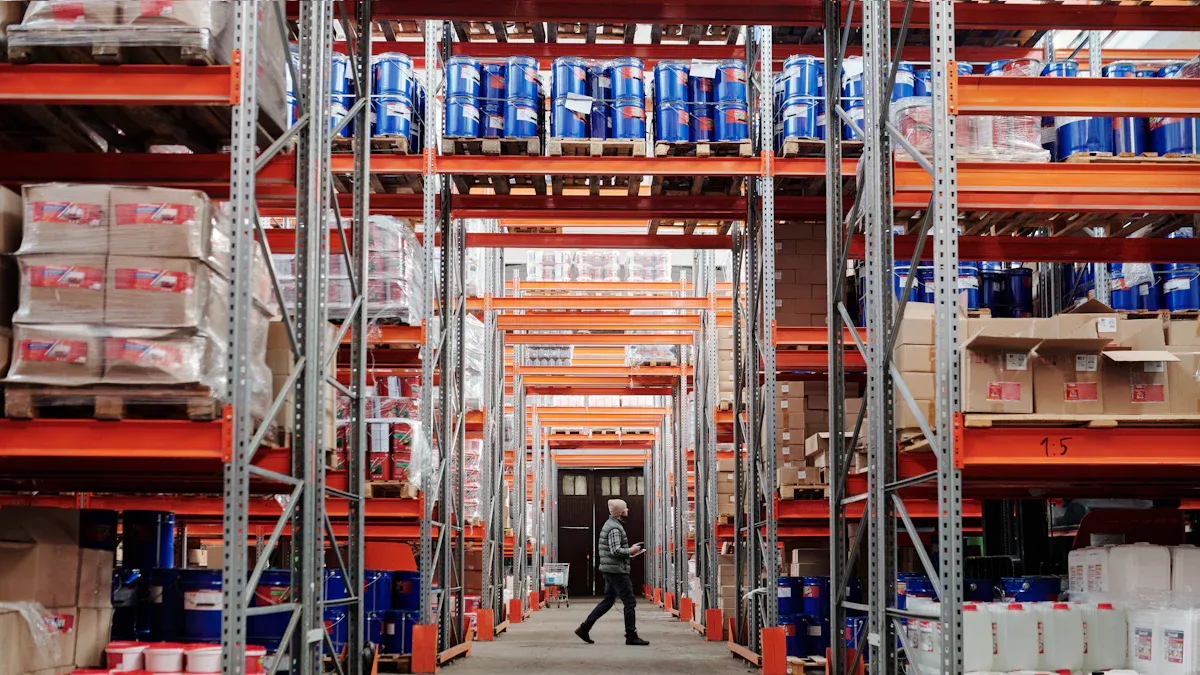
You can boost resilience and stay ahead in the market by building strong logistics and supply chain capabilities. Recent data shows:
Over 70% of businesses lost millions during global supply chain disruptions in 2020.
In 2024, 79% of companies now diversify suppliers to reduce risk.
DHL Supply Chain uses automated warehouses to handle change and keep productivity high.
Company | Challenge | Outcome |
|---|---|---|
High costs, low customer satisfaction | Improved efficiency and faster response |
To succeed, focus on both basic skills and new technology.
Key Takeaways
Build resilience by using backup suppliers, technology, and strong teamwork to handle disruptions and keep your business running.
Gain a competitive edge with faster, smarter supply chains using AI, multiple suppliers, and strong partnerships to meet customer needs.
Adopt digital tools and data-driven decisions to track shipments, predict problems early, and improve efficiency across your supply chain.
Invest in training and talent development to grow skills in technology, communication, and leadership for a stronger, adaptable team.
Assess your supply chain regularly, set clear goals, and practice continuous improvement to stay flexible and ready for future challenges.
Strategic Value
Resilience
You need resilience to keep your business running during tough times. Many companies face disruptions from weather, cyber threats, or sudden changes in demand. You can build resilience by using several strategies:
Keep backup suppliers and flexible processes to handle surprises.
Use technology like data analytics and automation to spot problems early.
Work closely with partners and suppliers for quick solutions.
Train your team and encourage open communication.
Review and improve your plans after each challenge.
For example, GSC Logistics set up a two-way emergency platform. This helped them share information fast and respond to problems quickly. Southern Glazer’s Wine & Spirits focused on teamwork and training. This made their company stronger and ready for change. You can measure resilience with metrics like time-to-survive, time-to-recover, and time-to-thrive. These show how well you keep going, bounce back, and grow after a crisis.
Tip: Building a culture of resilience means everyone knows their role and feels ready to act when trouble comes.
Competitive Edge
You gain a competitive edge when you make your supply chain faster, smarter, and more reliable. Leading companies use advanced tools and smart strategies to stay ahead:
P&G and Amazon use AI and robotics to cut costs and speed up deliveries.
Multiple suppliers help you avoid delays and keep products flowing.
Regional distribution centers let you respond quickly to local needs.
Lean Six Sigma methods help you find and fix problems fast.
Strong partnerships lead to new ideas and better risk management.
Big data and analytics help you predict issues before they happen.
Research shows that speed matters. When you act fast, adapt quickly, and solve problems right away, you create more value. You also build trust with customers and partners. Companies that invest in people, training, and technology see long-term success. Inontime, for example, has thrived for over 25 years by focusing on strong relationships.
Supply Network
Risk Management
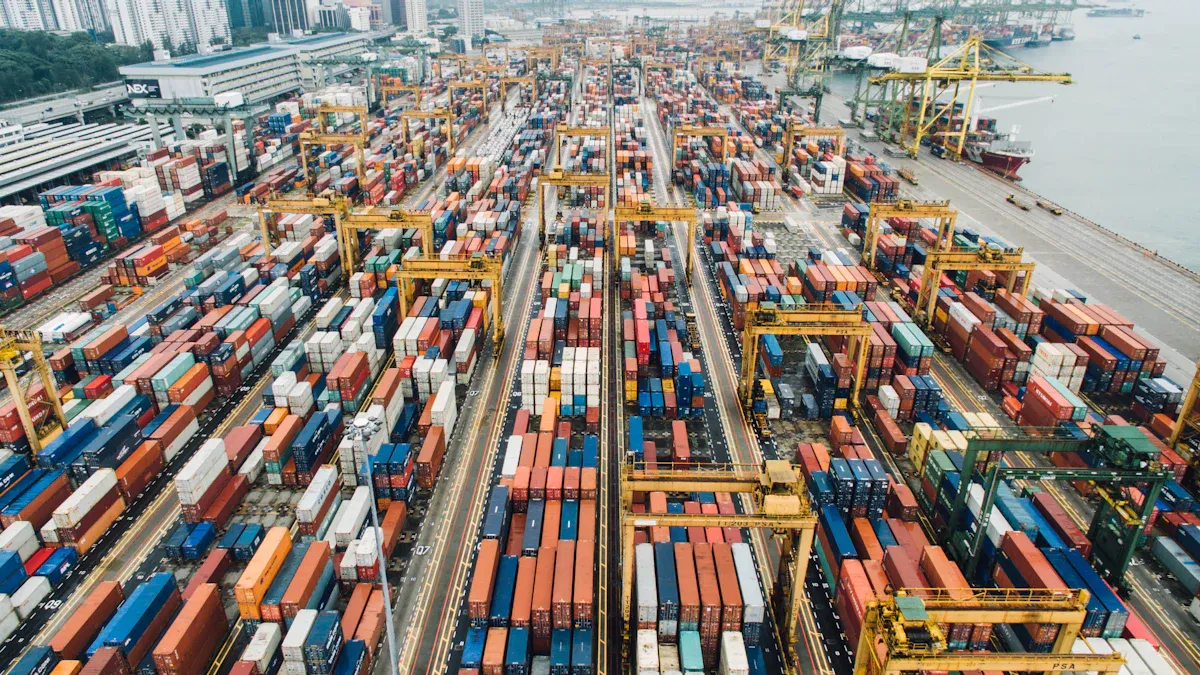
You need a strong supply network to handle risks and keep your business running. Building a reliable and diverse network helps you avoid problems when one supplier or route fails. Many companies use smart tools like AI and real-time data to spot risks early. For example:
ZF works with DHL and uses an AI platform to see and manage airfreight risks.
Google tracks hardware shipments with real-time AI, so they can fix problems before they cause delays.
Medtronic maps its suppliers with AI to find risks and switch plans quickly.
You can also build a risk-aware culture. Teach your team to look for risks every day. Use technology to turn risk data into clear actions. This helps you stay ready for anything.
Note: Adding more hubs and warehouses in different places gives you backup options when trouble hits.
Supplier Relations
Good supplier relationships make your supply chain stronger. When you work closely with suppliers, you solve problems faster and share new ideas. Many companies use Supplier Relationship Management (SRM) to build trust and teamwork. They also use Supplier Performance Management (SPM) to track things like order accuracy and delivery times.
A recent study shows that strong partnerships with reliable suppliers lower supply risks. These partnerships help you avoid delays and keep your business moving. In 2020 and 2021, companies with good supplier relationships bounced back faster from disruptions.
Tip: Meet with your suppliers often. Share goals and work together to solve challenges.
Diversification
Diversifying your supply network means you do not depend on just one supplier or location. This makes your business more flexible and ready for change. Companies like Tesla, Zara, and Patagonia use different strategies to spread out their risks.
Company | Strategy | Benefit |
|---|---|---|
Tesla | Multiple chip suppliers, in-house tech | Managed shortages, more control |
Zara | Nearshoring to EU factories | Faster response, less risk |
Patagonia | Sustainable, diverse sourcing | Stable supply, more options |
You can also look for new suppliers in different regions. Use digital tools to find and check new partners. This way, you build a network that can handle surprises and keep your business strong.
Agility
Agility helps you respond quickly to changes in the market. You can keep your business strong by building flexible systems and using smart strategies. Companies that focus on agility adjust faster to customer needs, new trends, and unexpected problems.
Resource Flexibility
You can boost agility by making your resources flexible. This means you work with different suppliers, train your team to make fast decisions, and use smart tools to manage inventory. Here are ways you can improve resource flexibility:
Work closely with suppliers to change plans when demand shifts.
Build relationships with more than one supplier to lower risk.
Use data analytics and forecasting to plan better.
Streamline decision-making so you act fast.
Set up advanced inventory systems for real-time updates.
Train employees to make quick, smart choices.
For example, Amazon uses machine learning to predict demand and keep products in stock. Apple buys key parts from more than one company, so it can switch suppliers if needed. Walmart uses data to manage inventory and lets suppliers refill stock, which helps respond to changes quickly.
Tip: Flexible resources help you handle sudden demand spikes or supply problems without slowing down.
Technology Adoption
Adopting new technology makes your supply chain more agile. You can use digital tools to see what is happening in real time and make better decisions. Many companies now use robotics, automation, and advanced analytics to stay ahead.
Create a plan to find gaps and set goals for digital change.
Share data with partners for better risk management.
Train your team to use new technology.
Test new tools like robotics, blockchain, and analytics.
Use flexible systems that let you adjust quickly.
During the COVID-19 pandemic, companies with digital supply chains adapted faster. Firms in Pakistan improved agility by using AI for forecasting and cloud systems for planning. Research shows that mixing agile practices with digital innovation helps you stay competitive.
Partnerships
Strong partnerships make your supply chain more agile. When you work together with other companies, you can solve problems faster and share new ideas. Studies show that partnerships help you respond quickly to market changes and keep your business ahead.
Note: Building trust and sharing information with partners lets you adjust to new challenges and keep your supply chain moving.
Visibility & Digitization
Digital Tools
You can use digital tools to see what happens in your supply chain at every step. Many companies now use IoT devices and RFID tags to track products and materials in real time. These tools help you know where your shipments are and if they arrive safely. AI-powered systems can automate tasks, making your work faster and reducing mistakes. For example, automation cuts down on manual data entry, which can cost companies over $1 million each year. Digital platforms also connect everyone in your supply chain, so you can share information quickly and make better decisions.
Note: A Reuters Events 2024 survey found that 68% of companies invest in supply chain visibility to fix problems caused by old, disconnected systems.
Technology | Role in Transparency | Benefits |
|---|---|---|
Real-time tracking of shipments | Better quality, less spoilage | |
Blockchain | Secure record of product journey | Traceability, ethical sourcing |
AI and Machine Learning | Analyze data for risks and trends | Proactive decisions, less disruption |
Data-Driven Decisions
You can make smarter choices when you use data. Real-time data helps you spot problems early, like shipment delays or low stock. Companies like UPS and Walmart use data to save money, cut waste, and respond faster to changes. For example, UPS saves $400 million each year by using data to plan better delivery routes. Walmart uses real-time analytics to keep shelves stocked and reduce costs. Data-driven decisions also help you predict demand and avoid running out of products.
Real-time monitoring lets you act fast when issues come up.
Accurate forecasting means you can plan for busy times.
Data supports a culture of improvement and learning.
Collaboration
Working together with partners makes your supply chain stronger. When you share data and plans, you can solve problems faster and meet customer needs. Studies show that strong supplier relationships reduce disruptions by 20%. Digital tools like supplier portals and control towers help everyone see the same information at the same time. This teamwork leads to better planning, less risk, and happier customers.
Tip: Open communication and shared goals help you build trust and improve performance across your supply chain.
Logistics and Supply Chain Capabilities
Building strong logistics and supply chain capabilities helps you stay ahead in a fast-changing world. You need to master demand forecasting, planning, and integration to make your operations smooth and efficient. These skills help you respond to changes, reduce risks, and grow your business.
Demand Forecasting
Demand forecasting lets you predict what your customers will want and when they will want it. You use data, trends, and technology to make smart guesses about future sales. This skill is the backbone of successful logistics and supply chain management. When you forecast demand well, you can:
Optimize inventory and avoid having too much or too little stock.
Lower costs by using resources wisely.
Keep customers happy by making sure products are available.
Make better decisions about new products or entering new markets.
Manage risks before they become big problems.
Build stronger relationships with suppliers through better planning.
If you do not forecast demand accurately, you may face stockouts, extra costs, and unhappy customers. For example, 70% of shoppers will switch brands if they cannot find what they want. Companies like Walmart and Amazon use real-time data and advanced analytics to predict demand and keep shelves stocked. You can see how demand forecasting helps different parts of your business in the table below:
Department/Area | Role of Demand Forecasting in Optimization |
|---|---|
Sales and Marketing | Tailors promotions based on predicted customer preferences, maximizing sales opportunities. |
Inventory Management & Logistics | Plans and optimizes stock levels and warehouse operations to prevent stockouts and streamline logistics. |
Operations | Ensures product availability, strategic inventory placement, and efficient order fulfillment. |
Finance and Budgeting | Aligns budgets with expected sales, reduces financial risks, and allocates resources efficiently. |
Technology and IT | Prepares e-commerce platforms for demand spikes, ensuring smooth customer experience. |
Customer Support | Anticipates product availability issues, manages customer expectations, and improves inquiry handling. |
Tip: Use high-quality data and real-time forecasting tools to adapt quickly to changes in demand.
Planning
Planning helps you organize every step of your logistics and supply chain. You use planning to set goals, schedule deliveries, and manage resources. Advanced planning techniques use tools like artificial intelligence, machine learning, and big data analytics. These tools help you:
Improve forecasting accuracy.
Automate routine tasks.
Monitor your supply chain in real time.
Work better with suppliers and partners.
Respond quickly to problems or changes.
Companies like Toyota, Walmart, and Amazon show how planning makes a big difference. Toyota uses lean manufacturing and just-in-time production to cut waste and improve efficiency. Walmart uses real-time data and automated systems to keep inventory low and logistics smooth. Amazon relies on data-driven forecasting and advanced fulfillment practices to deliver products fast and predict what customers will buy next.
Industry | Company | Advanced Planning Techniques | Impact on Supply Chain Efficiency |
|---|---|---|---|
Manufacturing | Toyota | Lean manufacturing, just-in-time production, continuous improvement | Better inventory management, less waste, faster production |
Retail | Walmart | Real-time data, automated systems, advanced analytics | Streamlined logistics, strong supplier relationships, low inventory |
E-commerce | Amazon | Data-driven forecasting, advanced logistics, smart fulfillment | Fast delivery, accurate demand prediction, wide fulfillment network |
Note: Good planning helps you stay flexible and ready for anything, from sudden demand spikes to supply disruptions.
Integration
Integration connects all parts of your logistics and supply chain. You link your internal teams, suppliers, and customers so everyone works together. Integration uses technology like ERP systems, real-time data sharing, and strong communication channels. When you integrate your supply chain, you:
Improve efficiency by sharing information quickly.
Reduce risks by spotting problems early.
Increase revenue with better demand forecasting and inventory management.
Build strong partnerships with suppliers and customers.
Create innovative products and services through teamwork.
Research shows that supply chain integration drives business growth. Internal integration helps your teams work together and innovate. Supplier integration boosts performance and builds strategic partnerships. Customer integration improves satisfaction and helps you meet market needs. The table below shows how integration supports business growth:
Dimension of SCI | Benefits to Business Growth | Mechanisms and Examples |
|---|---|---|
Internal Integration | Better efficiency, teamwork, and innovation. | Real-time data sharing; R&D and operations work together for new products. |
Supplier Integration | Stronger performance and partnerships. | Real-time data exchange; flexible contracts; joint product development. |
Customer Integration | Faster response and higher satisfaction. | CRM systems; predictive analytics; personalized marketing and service. |
Tip: Invest in technology and build a culture of collaboration to make your supply chain integration strong.
Dynamic capability theory explains why these skills matter. You need to sense changes, seize new opportunities, and transform your operations to stay competitive. By building demand forecasting, planning, and integration skills, you make your logistics and supply chain more resilient and ready for growth. Recent studies also highlight the need for both technical skills and soft skills. You need to use advanced technology, but you also need teamwork, communication, and problem-solving abilities. This balanced approach helps you adapt to digital changes, sustainability goals, and new risks.
You gain resilience, adaptability, and stronger teams when you invest in Logistics and Supply Chain capability development. Training and new technology help you solve problems faster and keep your business moving. Take time to assess your skills, set clear goals, and improve every day. Make capability development a top priority. Your future success depends on it.
FAQ
What skills help you succeed in supply chain management?
You need strong problem-solving, communication, and data analysis skills. You also benefit from teamwork and digital fluency. These skills help you adapt to changes and keep your supply chain running smoothly.
How does technology improve supply chain operations?
Technology gives you real-time data and automates tasks. You can track shipments, manage inventory, and spot problems early. Tools like AI and IoT make your work faster and more accurate.
Why is supplier diversity important?
Supplier diversity protects you from disruptions. You avoid delays if one supplier fails. You also find better prices and new ideas. Many companies use a mix of local and global suppliers for flexibility.
What is demand forecasting?
Demand forecasting helps you predict what customers will buy. You use past sales data and trends to plan inventory. Good forecasting keeps shelves stocked and reduces waste.
How can you start improving your supply chain today?
Start by mapping your supply chain. Set clear goals. Train your team. Use digital tools to track progress. Small steps lead to big improvements over time.
See Also
How Artificial Intelligence Is Transforming Future Supply Chains
The Role Of Innovation In Changing Modern Logistics Systems
Mastering Lean Logistics Strategies For Advanced Manufacturing Growth
The Importance Of Security Measures Within Supply Chain Logistics
Maximizing Efficiency In Automotive Supply Chain Operations Today