Rising Cyber Threats in Logistics: How Digital Transformation Exposes Supply Chains to 2025’s New Wave of Attacks

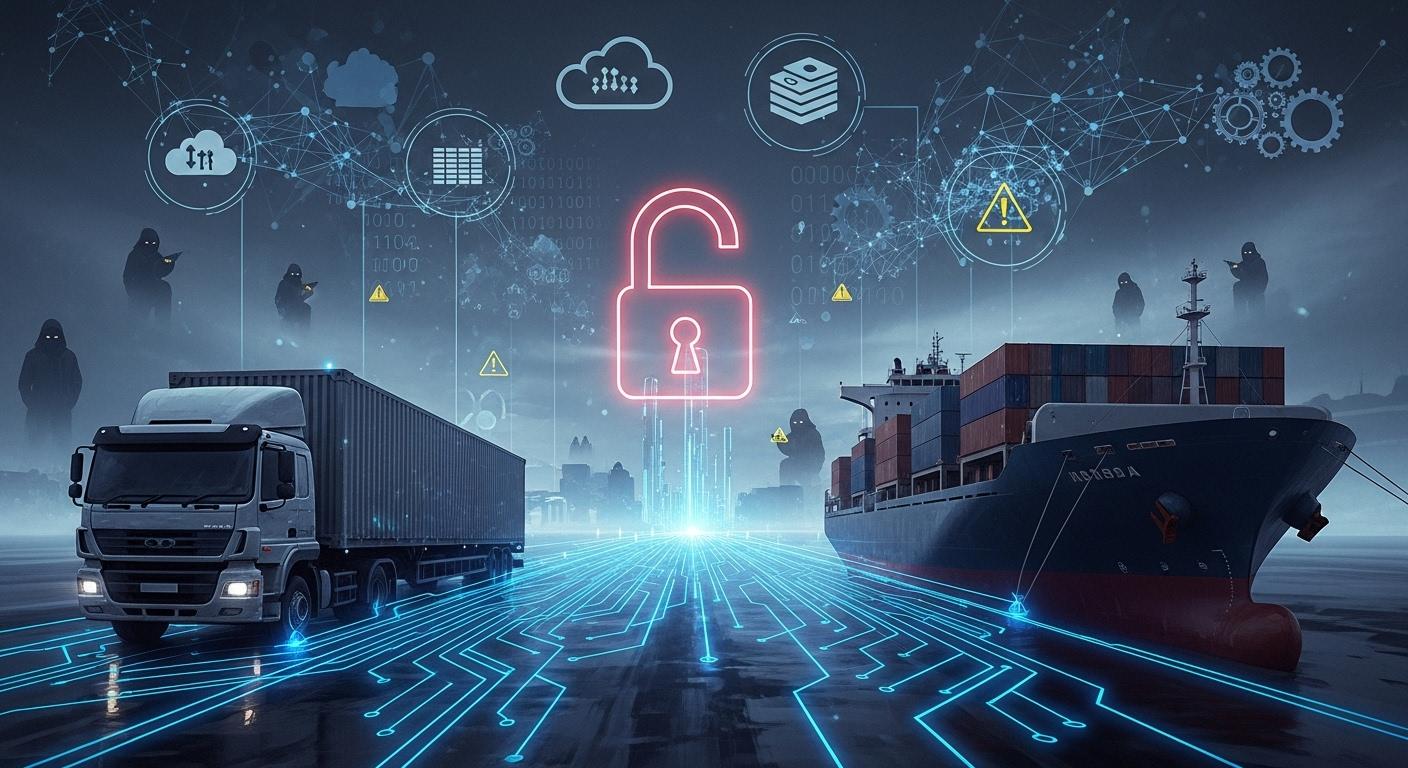
Digital transformation is rapidly reshaping logistics supply chains, but it also increases their vulnerability to sophisticated cyber threats. With logistics cybersecurity now at the forefront, attackers are increasingly focusing on manufacturing, which accounts for 22% of all cyberattacks. The average cost of a major supply chain cyberattack exceeds $5 million, underscoring the critical need for robust defenses. As we approach 2025, the frequency of supply chain attacks continues to climb, making it essential for organizations to prioritize logistics cybersecurity as a core component of enterprise risk management. This growing threat landscape is driving companies to adopt intelligent, secure solutions. JUSDA and JusLink are at the forefront of the industry, providing advanced risk management and real-time monitoring to combat supply chain attacks and safeguard global operations.
Statistic Description | Value |
|---|---|
Percentage of cyberattacks targeting manufacturing | 22% |
Surge in threat actor activity in manufacturing | 71% |
Average cost of a major supply chain cyberattack | Exceeds $5 million |
Key Takeaways
Digital transformation increases the vulnerability of logistics supply chains to cyber threats. Organizations must prioritize cybersecurity as a core part of their risk management strategy.
The rise of IoT devices and cloud computing introduces new vulnerabilities. Companies should implement strong security measures to protect against unauthorized access and data breaches.
Third-party vendors can pose significant risks. Regular audits and clear security standards are essential to ensure that suppliers do not become weak links in the supply chain.
Ransomware attacks can severely disrupt logistics operations. Organizations must develop robust incident response plans to minimize the impact of such attacks.
Investing in employee training and awareness is crucial. More than 90% of successful cyberattacks start with phishing emails, so educating staff can significantly reduce risks.
Digital Transformation & Logistics Cybersecurity

Expanding Attack Surface
Digital transformation has changed the way logistics organizations operate. Companies now rely on digital tools to manage shipments, track inventory, and coordinate with partners. This shift has expanded the attack surface for cybercriminals. The impact of cyber threats on economic stability and public trust has grown. The rise of AI in logistics cybersecurity has amplified these risks, making coordinated action essential.
Several factors contribute to the expanding attack surface:
Multi-cloud environments increase complexity and create more potential vulnerabilities.
Integration of third-party SaaS applications introduces new security risks.
The proliferation of IoT devices provides more entry points for cyberattacks.
Remote work infrastructures can create security blind spots.
Logistics organizations face many challenges when adopting new technologies. The table below highlights common issues:
Challenge | Description |
|---|---|
Cost of Adopting New Technologies | High costs for integrating new systems with existing workflows. |
Training Difficulties | Staff need comprehensive training, which can be costly and time-consuming. |
Employee Resistance | Long-time staff may resist new systems, affecting adoption and morale. |
Cybersecurity Issues | Online services increase the risk of cyberattacks, requiring strong security measures. |
Integration with Existing Systems | Integrating digital solutions with legacy processes can be complex and inefficient. |
Data Management and Security | Ensuring data accuracy and security is challenging, especially with sensitive information. |
High Implementation Costs | Upfront investments may deter organizations from fully committing to digital transformation. |
Supply Chain Complexity | Coordinating efforts across multiple stakeholders adds to the challenge. |
Almost 40% of adoption challenges stem from a lack of proficiency and training. Resistance to new technologies can delay implementation and increase costs.
IoT & Cloud Threats
The adoption of IoT devices and cloud computing has improved efficiency in logistics. However, these technologies have also introduced new vulnerabilities. The rise of IoT devices in logistics has created many entry points for cybercriminals. Many of these devices lack strong security, increasing the risk of attacks. The interconnected nature of IoT devices extends the attack surface, making it difficult to secure every node. Third-party suppliers often use their own IoT devices, so a single vulnerability can compromise the entire supply chain.
Cloud adoption brings its own risks. In 2024, 43% of cloud breaches resulted from misconfigured APIs. The integration of cloud computing with IoT increases the risk of unauthorized access if not properly secured. Weak security in IoT devices and misconfigurations in cloud systems can lead to significant vulnerabilities. These risks highlight the need for advanced logistics cybersecurity measures to defend against supply chain attacks.
Note: As logistics organizations continue to embrace digital transformation, they must address these evolving threats to protect their operations and maintain trust.
Supply Chain Attacks Explained
The logistics industry faces a dramatic rise in cyber threats as digital transformation accelerates. Attackers now target supply chains with greater frequency and sophistication, exploiting vulnerabilities at every stage. Recent years have seen a surge in incidents, making logistics cybersecurity a top priority for organizations worldwide.
Year | Cyber Breach Reports | Year-on-Year Increase (%) | Supply Chain Cyber Attacks Increase (%) |
|---|---|---|---|
2021 | N/A | N/A | N/A |
2022 | N/A | 25.9% | N/A |
2023 | 3,000 | 32.5% |
📈 The frequency of supply chain attacks soared by 300% from 2021 to 2023. This trend highlights the urgent need for robust logistics cybersecurity strategies.
Software Vulnerabilities
Attackers often exploit weaknesses in software to breach logistics networks. In 2023, a zero-day vulnerability in the MOVEit software allowed unauthorized access to sensitive data across multiple sectors, including logistics. This incident demonstrates how a single flaw can compromise entire supply chains.
Supply chain attacks frequently target trusted third-party tools and services. Vulnerabilities may exist in software vendors, IT service firms, or logistics partners. Attackers use these weaknesses to gain access to critical systems and data.
The Microsoft Digital Defense Report reveals that adversaries now use generative AI to enhance their attack methods. They scale social engineering campaigns, automate lateral movement, and discover vulnerabilities faster than before. Attackers combine technical exploits with advanced phishing techniques, such as device code phishing, to bypass traditional defenses. These evolving tactics require organizations to rethink their approach to logistics cybersecurity.
Third-Party Risks
Third-party vendors play a vital role in logistics operations, but they also introduce significant risks. Many supply chain attacks begin with a compromise at a vendor or partner. Weak security controls, poor data handling, and compliance gaps can expose organizations to breaches.
Inadequate Security Controls: Vendors may lack strong cybersecurity measures.
Data Exposure: Improper protocols can lead to leaks of sensitive information.
Compliance Gaps: Failure to meet regulations increases legal risks.
Lack of Oversight: Insufficient monitoring allows vulnerabilities to persist.
Code Integrity Risks: Externally developed code may contain bugs or malicious elements.
The logistics sector relies on third-party vendors for high-value operational data. This dependence creates multiple points of compromise. Organizations must implement strong risk assessment and continuous monitoring practices. They should collaborate with vendors to address vulnerabilities and set clear contractual obligations for incident notification and security standards.
Tip: Evaluate and rank third parties based on risk, scrutinize their data handling, and require cyber insurance as part of vendor contracts.
Ransomware in Logistics
Ransomware remains one of the most disruptive threats to logistics companies. Attackers use ransomware to encrypt data and demand payment, often causing severe operational disruptions.
Incident Date | Company/Entity | Description | Impact |
|---|---|---|---|
July 2025 | Knights of Old Logistics Group | Ransomware attack due to weak password led to data encryption and collapse. | 700 employees jobless, 500 trucks disabled. |
May 2025 | Western logistics companies | Russian state-sponsored actors targeted firms via phishing and vulnerabilities. | Increased surveillance of aid routes. |
June 2023 | Pilot Credentials | Personal data of 8,000 pilots stolen. | Data breach affecting airlines. |
February 2022 | Expeditors International | Cyber attack shut down operating systems for three weeks. | Outage affected freight and customs. |
These incidents show the devastating impact ransomware can have on logistics operations. A single attack can halt shipments, disrupt customs processing, and leave employees without work. The interconnected nature of supply chains means that even a brief outage can ripple across the entire industry.
Organizations must treat logistics cybersecurity as a core business function. Proactive defense, real-time monitoring, and strong vendor management are essential to reduce the risk of supply chain attacks.
Why Risks Are Rising
Interconnected Systems
Modern supply chains rely on a network of interconnected systems. Organizations use digital platforms to coordinate shipments, manage inventory, and communicate with partners. This complexity increases the risk of cyber threats. Attackers target vulnerabilities within these systems, making logistics cybersecurity a critical concern.
Supply chain interdependencies create more opportunities for cybercriminals to exploit weaknesses.
Limited visibility on suppliers' security measures leads to hidden vulnerabilities.
Software vulnerabilities from third parties introduce risks that are difficult to detect.
Supply chain attacks rose more than 50% in 2025 as logistics systems became more interconnected.
Cybercriminals often infiltrate less secure elements, such as software providers and logistics partners, to access sensitive data.
Organizations must monitor their entire supply chain ecosystem. They need to assess the security of every partner and vendor. A single weak link can expose the entire network to supply chain attacks.
Note: Increased interconnection means that a breach in one area can quickly impact the whole supply chain.
Attacker Sophistication
Cyber attackers continue to evolve their tactics and technologies. They use advanced methods to bypass traditional defenses and target logistics supply chains.
Tactic/Technology | Description |
|---|---|
Software compromise | Malicious code is injected into legitimate software updates, leading to malware installation. |
Hardware tampering | Attackers alter devices during manufacturing to embed backdoors or spying capabilities. |
Third-party services exploitation | Cybercriminals infiltrate vendors with access to critical systems. |
Compromised credentials | Hackers steal or purchase login details from vendors to access primary targets. |
Data exfiltration | New groups like Coinbase Cartel focus on stealing data and threatening public release for payment. |
Insider-assisted access | Exploiting weak segmentation or insider access to reach sensitive systems. |
Staged data leaks | Conducting leaks to apply pressure during negotiations. |
Crowdsourcing insider threats | Advertising for collaboration with insiders to gain access to corporate systems. |
Groups such as the Coinbase Cartel target transportation and logistics sectors. They use a leak-only model, focusing on data theft without encrypting files. Their attacks exploit exposed credentials and weak security measures in cloud services.
Organizations must adapt to these new threats. They should implement real-time monitoring and AI-driven risk management. JusLink’s intelligent supply chain solutions help businesses respond quickly to emerging risks and maintain operational stability.
Real-World Impact

Industry Examples
Cyberattacks have disrupted critical sectors worldwide, demonstrating the far-reaching consequences of security breaches. The following table highlights recent incidents in logistics, healthcare, and finance:
Sector | Incident Description | Date | Impact |
|---|---|---|---|
Logistics | DP World Australia cyber attack that crippled operations at major ports. | November 2023 | Shut down port operations for three days, causing a backlog of 30,000 shipping containers. |
Healthcare | Ardent Health Services ransomware attack leading to operational disruptions. | November 2023 | Facilities had to reschedule procedures and divert emergency patients due to IT system outages. |
Finance | Mr. Cooper ransomware attack resulting in stolen personal data of over 14 million. | October 2023 | Millions unable to make payments or process transactions, with recovery costs expected at $25M. |
Finance | ICBC Financial Services ransomware attack disrupting trading systems. | November 2023 | Unable to settle trades, temporarily owed $9 billion to BNY Mellon due to operational disruptions. |
These incidents show how cyber threats can halt operations, compromise sensitive data, and create financial losses. In logistics, a single attack can disrupt global trade and supply chain efficiency. Healthcare organizations face risks to patient safety and service continuity. Financial institutions experience direct impacts on customer trust and market stability.
Lessons Learned
Organizations across sectors have gained valuable insights from recent cyber incidents:
Prioritizing cybersecurity as a core operational focus helps reduce exposure to supply chain attacks.
Building a culture of awareness among employees strengthens defenses against evolving threats.
The cost of inaction remains high, making immediate investment in security essential.
Ransomware attacks continue to target manufacturing and logistics, causing significant financial losses.
Addressing third-party vulnerabilities ensures that suppliers do not become weak links in logistics cybersecurity strategies.
Developing robust incident response plans and segmenting operational technology networks limits the impact of breaches.
Focusing on cloud security and adopting Zero Trust principles enhances overall protection.
Collaboration with industry peers and government agencies improves intelligence sharing and defense capabilities.
These lessons highlight the importance of proactive risk management and continuous improvement. Companies like JUSDA have demonstrated leadership by integrating AI-driven solutions and real-time monitoring, helping clients maintain resilience in the face of rising cyber threats.
Consequences for Logistics Organizations
Data Breaches
Logistics organizations face significant risks when data breaches occur. Attackers often target sensitive operational and customer information, leading to immediate and long-term consequences. When a breach happens, systems and operations may be disrupted, affecting service delivery. The longer the disruption lasts, the greater the financial losses incurred. Companies must allocate resources for recovery, including forensic investigations and notification of affected individuals. Expenses may also include credit monitoring services and legal fees.
Data breaches can erode customer trust and loyalty. Customers may choose alternative providers, resulting in a potential long-term reduction in revenue.
Organizations must comply with regulatory requirements such as CIRCIA and the Maritime Transportation Security Act. These regulations mandate incident reporting and influence how companies manage logistics cybersecurity risks. Continuous training, strict protocols for partners, and regular audits help maintain compliance and reduce exposure to supply chain attacks.
Compliance Challenge | Description |
|---|---|
Lack of Supplier Visibility | Limited insight into sub-tier suppliers complicates risk identification and compliance efforts. |
Inadequate Due Diligence | Rushed vendor onboarding increases regulatory risks. |
Third-Party Vulnerabilities | Weak vendors can lead to data breaches and compliance failures. |
Regulatory Misalignment | Varying standards across countries require careful contract alignment. |
Financial & Reputational Damage
Cyberattacks can result in substantial financial losses and reputational harm for logistics organizations. Recovery costs include system restoration, investigations, and regulatory fines. Companies may also face expenses for legal representation and insurance claims. The following table outlines the main impacts:
Impact Type | Description |
|---|---|
Cyberattacks can disrupt logistics operations, leading to delays and inefficiencies. | |
Companies incur costs for recovery, investigations, and potential regulatory fines. | |
Reputational Damage | Loss of customer trust can result in long-term revenue decline and damage to brand reputation. |
Cybersecurity is viewed as a strategic investment rather than just a cost.
Protecting sensitive data ensures business continuity.
Risk prioritization is essential for optimizing ROI.
Investing in robust cybersecurity measures can lead to better contracts and partnerships. Companies may receive improved insurance rates and financing options when they demonstrate strong cybersecurity practices. Effective risk management helps organizations avoid costly incidents and maintain their reputation in the market.
JUSDA & JusLink: Defending Against Supply Chain Attacks
AI-Driven Risk Management
JUSDA leads the logistics industry with its commitment to innovation and security. The JusLink platform uses advanced AI to transform risk management in supply chains. JusLink’s AI-driven tools analyze vast amounts of data to predict and prevent threats before they disrupt operations. The platform’s intelligent risk management system, known as the Risk Control Tower, monitors external and internal data sources. This system provides early warnings about potential disruptions, such as cyber threats or transport delays.
JusLink’s AI agents support six key domains, including material preparation, delivery stocking, logistics management, and risk assessment. These agents use deep learning algorithms to forecast demand, optimize inventory, and identify vulnerabilities. By automating risk detection and response, JusLink helps organizations reduce manual intervention and improve decision-making speed.
JUSDA’s leadership in secure supply chain management is evident through its successful customer stories. For example, the company’s AI-powered collaboration platform enabled Chinese manufacturers to overcome global supply chain challenges. This platform improved transparency, reduced manual handling, and standardized international operations. As a result, manufacturers expanded globally with greater efficiency and lower costs.
Initiative | Description | Impact |
|---|---|---|
Supply Chain Management Collaboration Platform | AI-driven platform for end-to-end lifecycle management | Enhanced transparency and efficiency |
JusLink Risk Control Tower | Real-time risk monitoring and early warning system | Improved response to disruptions |
JusElsa AI Assistant | Natural language processing for decision support | Faster, more accurate risk assessment |
Real-Time Monitoring
JusLink’s real-time monitoring capabilities play a critical role in logistics cybersecurity. The platform continuously tracks network activities and shipment statuses. This ongoing surveillance allows for the early detection of suspicious behavior or anomalies. Companies can respond quickly to emerging cyber threats, minimizing the risk of supply chain attacks.
Key benefits of JusLink’s real-time monitoring include:
Early identification of potential risks through continuous surveillance.
Immediate alerts for unusual activity, enabling rapid response.
Enhanced visibility across the entire supply chain ecosystem.
Improved coordination among stakeholders during incidents.
JusLink’s automated application management ensures that cargo transport remains efficient and secure. The system detects anomalies in shipment status and triggers alerts for immediate action. This proactive approach helps organizations maintain operational stability and protect sensitive data.
Real-time monitoring strengthens logistics cybersecurity by allowing companies to address threats before they escalate.
Best Practices
JUSDA and JusLink recommend a comprehensive set of best practices to defend against supply chain attacks. These practices focus on people, processes, and technology.
Employee Training and Awareness
Provide ongoing cybersecurity training for all staff.
Emphasize password security, device hygiene, and data protection.
Teach employees to recognize phishing and ransomware threats.
Conduct regular assessments and exercises to reinforce security awareness.
Zero-Trust Security and AI Integration
Implement a zero-trust security model to verify every user and device.
Use AI and machine learning for continuous threat detection and response.
Secure APIs and automate patch management to reduce vulnerabilities.
Incident Response and Vendor Management
Establish clear incident reporting and response strategies.
Focus on phased implementation, starting with high-risk areas.
Manage vendor risks through regular audits and strict contractual requirements.
Continuous Monitoring and Metrics
Adopt a DevSecOps approach for ongoing updates and monitoring.
Measure success with metrics such as mean time to detect (MTTD) and mean time to respond (MTTR).
Training Element | Description |
|---|---|
Password and device hygiene | Best practices for strong passwords and secure devices |
Software security issues | Risks of outdated applications and unauthorized downloads |
Phishing and ransomware | Identifying and responding to suspicious emails and threats |
Data classification | Handling sensitive data appropriately |
Remote work security | Securing home networks and company information |
Social engineering awareness | Recognizing manipulation tactics beyond email |
Incident reporting procedures | Steps for reporting potential security breaches |
More than 90% of successful cyberattacks begin with phishing emails that exploit human risk. Organizations that invest in cyber awareness training can contain breaches more quickly, saving significant costs.
JUSDA’s approach combines advanced technology with strong human factors. By following these best practices, logistics organizations can build resilient defenses against evolving cyber threats.
Logistics organizations face rising cyber threats as digital transformation accelerates. AI-driven platforms like JusLink deliver real-time threat detection and behavioral analytics, reducing detection times by 40% and unauthorized access by 35%.
Machine learning identifies anomalies missed by traditional methods.
Zero-trust models enhance security across the supply chain.
To strengthen defenses, companies should:
Build security into daily operations.
Manage cloud configurations.
Prepare robust incident responses.
Invest in ongoing security education.
Trend | Description |
|---|---|
Security Awareness Training | Programs to help employees recognize and respond to cyber threats. |
Require verification for every user and device interaction. | |
AI and Machine Learning | Predictive analytics and real-time monitoring for threats. |
Skills Gap Solutions | Training and external expertise to fill cybersecurity gaps. |
Blockchain | Enhances transparency and security in supply chain management. |
Organizations that adopt forward-looking strategies and leverage insights from leaders like JUSDA will build resilient, secure supply chains for the future.

JUSDA Solutions
To provide you with professional solutions and quotations.
FAQ
What makes JusLink’s AI-driven risk management unique?
JusLink uses advanced AI algorithms to monitor supply chain risks in real time. The platform’s Risk Control Tower provides early warnings and actionable insights, helping organizations prevent disruptions and respond quickly to threats.
How does JUSDA support global supply chain visibility?
JUSDA offers over 155 service points worldwide and a digital platform that integrates IoT, cloud computing, and big data. This network enables real-time collaboration, information sharing, and end-to-end visibility across the entire supply chain.
Can JusLink help reduce operational costs?
JusLink’s AI-driven forecasting and replenishment tools optimize inventory levels and procurement strategies. These features help businesses avoid overstocking, minimize shortages, and reduce overall supply chain costs.
What industries benefit most from JUSDA’s solutions?
JUSDA serves electronic manufacturing, automotive, FMCG, new energy, medical health, heavy equipment, and bulk materials. The company tailors its supply chain solutions to meet the unique needs of each industry.
How does JusElsa improve supply chain management?
JusElsa, powered by DeepSeek, uses natural language processing to assist with shipment tracking, risk assessment, and report generation. This AI assistant streamlines operations and enhances decision-making for supply chain professionals.
See Also
Top Five Strategies for Effective Supply Chain Cybersecurity
Understanding Current Trends in Logistics Risk Management
Protecting Your Supply Chain Against Potential Risks