What Does Logistics Mean in Supply Chains

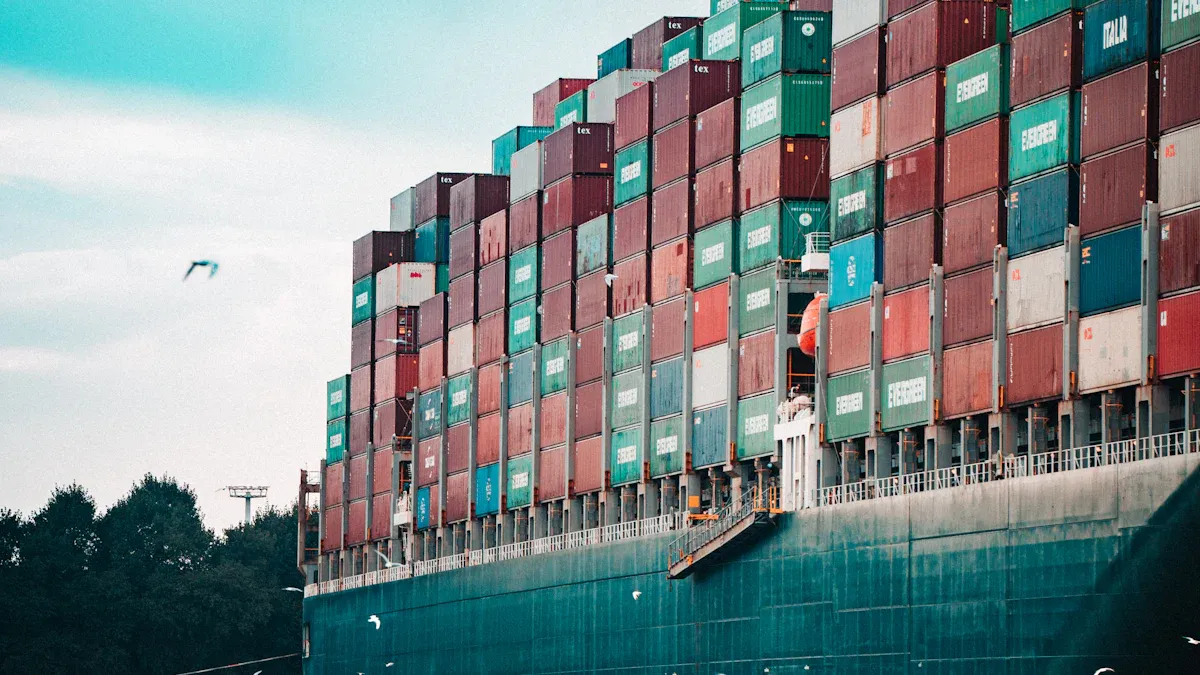
Logistics helps move goods, services, and information smoothly in supply chains. It is important for saving money, working faster, and keeping customers happy.
Predictive logistics can make deliveries 20% more accurate.
Tracking in real-time builds customer trust.
Easy returns make customers stay loyal.
Key Takeaways
Logistics helps move goods and information quickly in supply chains. This saves money and makes customers happier.
Tracking deliveries live and predicting logistics improve accuracy by 20%. This helps customers trust the service more.
Good warehouse systems, like JUSDA's, manage inventory better. They lower costs and improve supplier connections.
Core Functions of Logistics in Supply Chain Management
Transportation Management and Its Role in Supply Chain Logistics
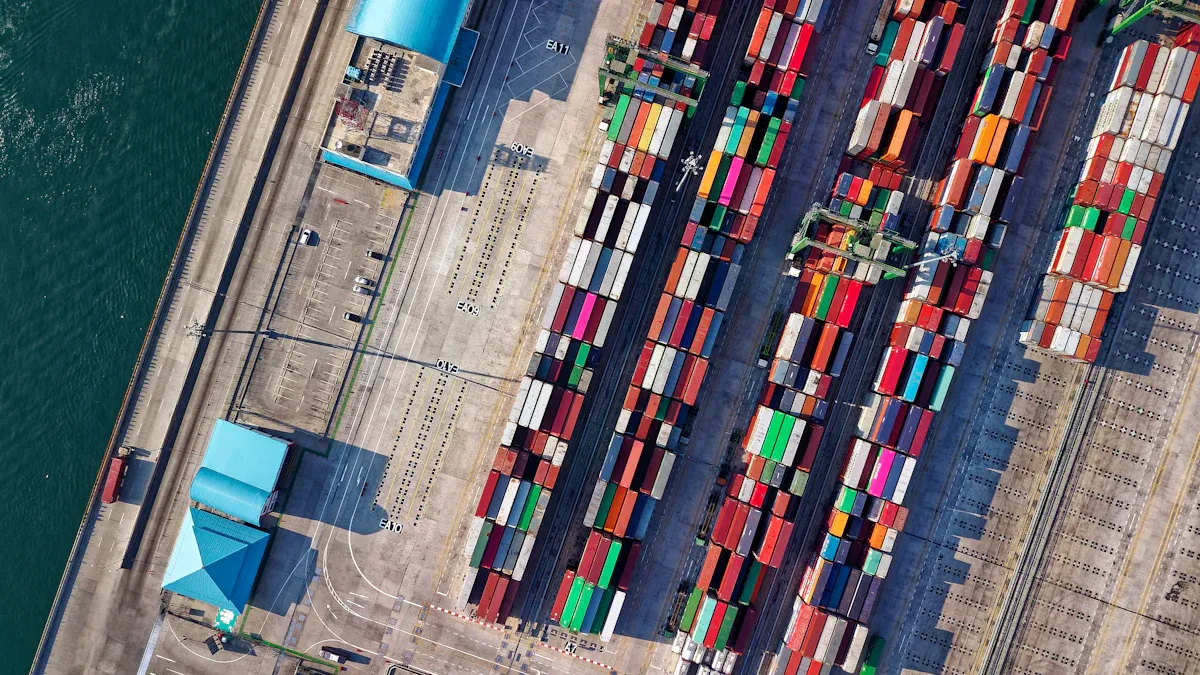
Transportation management is key to moving goods in supply chains. It makes sure items travel smoothly, whether locally or globally. By choosing better routes and using less fuel, costs can drop by 20%. Planning routes well and tracking deliveries live can also speed up shipments by 30%. This makes operations faster and more dependable.
🚚 Tip: Live tracking helps customers trust delivery times.
Transportation management does more than save money. It boosts efficiency, cuts delays, and ensures goods arrive on time. Together, logistics and transportation create a smooth system for moving goods, which is vital for supply chains.
Benefit | Description |
|---|---|
Cost reduction | Better routes and fuel use save money. |
Improved efficiency | Live tracking and load planning make operations smoother. |
Warehousing Solutions by JUSDA for Efficient Inventory Management
Warehousing is crucial for keeping track of inventory. It stores, monitors, and distributes goods effectively. JUSDA uses smart tools like eVMI and JusLink to track inventory live. These systems prevent having too much or too little stock. With 110,000 square meters of space in seven Vietnam locations, JUSDA offers solutions for many industries.
🏢 Note: JUSDA's clean rooms meet strict standards, perfect for electronics and health products.
JUSDA's warehousing improves inventory by forecasting better, lowering storage costs, and building strong supplier ties. These services make processes clearer and more efficient, letting you focus on growing your business.
Benefit | Description |
|---|---|
Live tracking avoids too much or too little stock. | |
Improved Forecasting | Clear demand data matches production to market needs. |
Cost Savings | Lower storage costs and less extra inventory. |
Stronger Partnerships | Working closely with suppliers builds trust. |
Increased Efficiency | Better inventory systems save time and effort. |
Order Fulfillment and Distribution in Supply Chain Logistics
Order fulfillment is the last step in supply chains. It delivers products to customers. Good distribution ensures fast deliveries, fewer backorders, and happy customers. Metrics like delivery time, fill rate, and inventory turnover show how fulfillment improves.
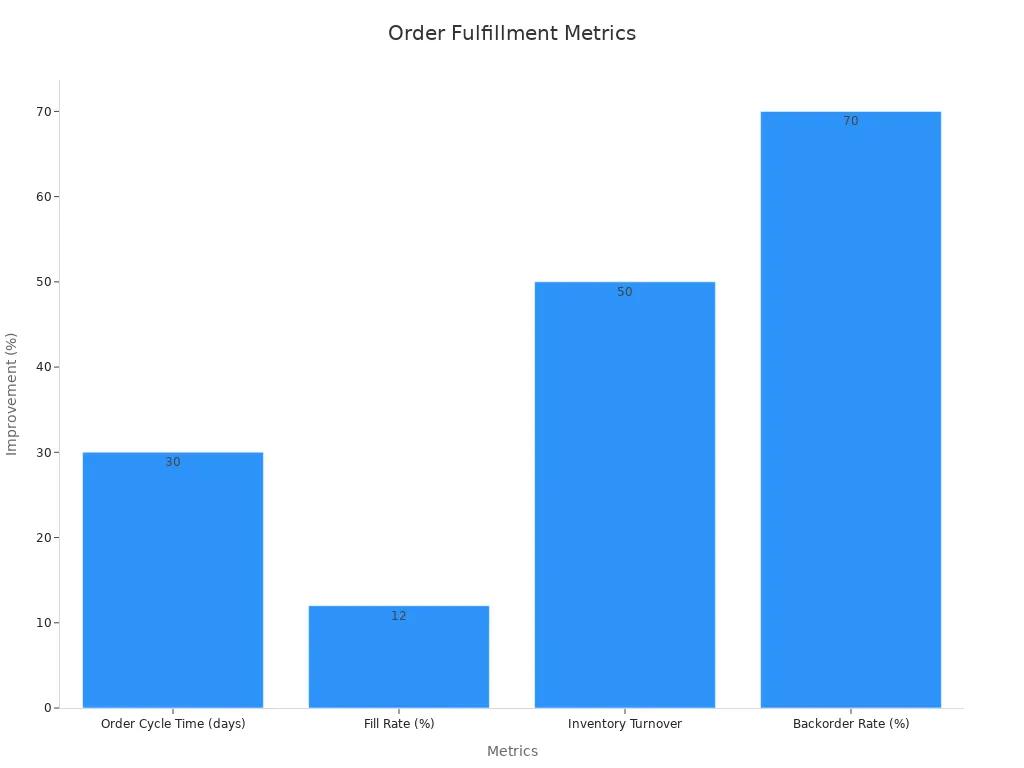
Studying these metrics helps solve problems and make better choices. JUSDA's services aim to boost efficiency, cut costs, and keep customers loyal. For example, cutting delivery time by 30% speeds up shipments and builds trust in reliability.
Metric | Before Optimization | After Optimization | Improvement (%) |
|---|---|---|---|
Order Cycle Time (days) | 5.0 | 3.5 | 30% |
Fill Rate (%) | 85 | 95 | 12% |
Inventory Turnover | 4 | 6 | 50% |
Backorder Rate (%) | 10 | 3 | 70% |
Efficient fulfillment ensures products arrive on time and complete. This builds customer loyalty and lowers costs for businesses.
Understanding Logistics vs. Supply Chain Management
What Logistics Means and What It Does
Logistics is about moving and storing goods and information. It makes sure products get to the right place on time. Think of logistics as the backbone of the supply chain. It handles tasks like transportation, storage, and managing inventory. These jobs keep things running smoothly and make customers happy.
For example, when a product ships from a factory to a warehouse, logistics manages it. It also tracks the product until it reaches the buyer. Tools like live tracking and better route planning make logistics work faster. These tools cut delays and improve delivery accuracy.
Logistics is important in industries like electronics, cars, and healthcare. Companies like JUSDA use smart systems like JusLink to track inventory and improve processes. This builds trust and keeps operations clear for customers.
What Supply Chain Management Covers
Supply chain management includes more than just logistics. It handles everything from getting raw materials to delivering finished goods. Think of it as the whole system connecting suppliers, factories, and buyers. While logistics focuses on moving and storing, supply chain management plans and coordinates everything.
For example, supply chain management ensures factories have the materials they need. It works with suppliers to meet demand. This involves predicting needs, buying materials, and checking quality. Managing these steps saves money and makes things run better.
JUSDA combines logistics with other tasks like buying and shipping. This creates a smooth flow of goods and information. It also helps businesses adjust to changes and meet customer needs.
How Logistics and Supply Chain Management Work Together
Logistics and supply chain management are different but connected. Logistics handles tasks like shipping and storage. Supply chain management looks at the big picture and plans everything. Even though they are different, they work together to reach shared goals.
Here’s how they depend on each other:
Good communication and trust make supply chains work better.
Sharing live updates keeps things running smoothly and saves time.
Logistics carries out plans made by supply chain management.
For example, a supply chain plan might involve getting materials from many countries. Logistics makes sure these materials are moved and stored correctly. Without logistics, the supply chain would not work well.
JUSDA’s JusLink system shows this teamwork. It shares live data and helps people work together. This makes both logistics and supply chain management more effective.
By knowing how they are different and connected, you can see their teamwork. This partnership helps businesses meet customer needs and stay competitive.
Types of Logistics and Their Roles in Supply Chains
Procurement Logistics and Its Impact on Supply Chain Efficiency
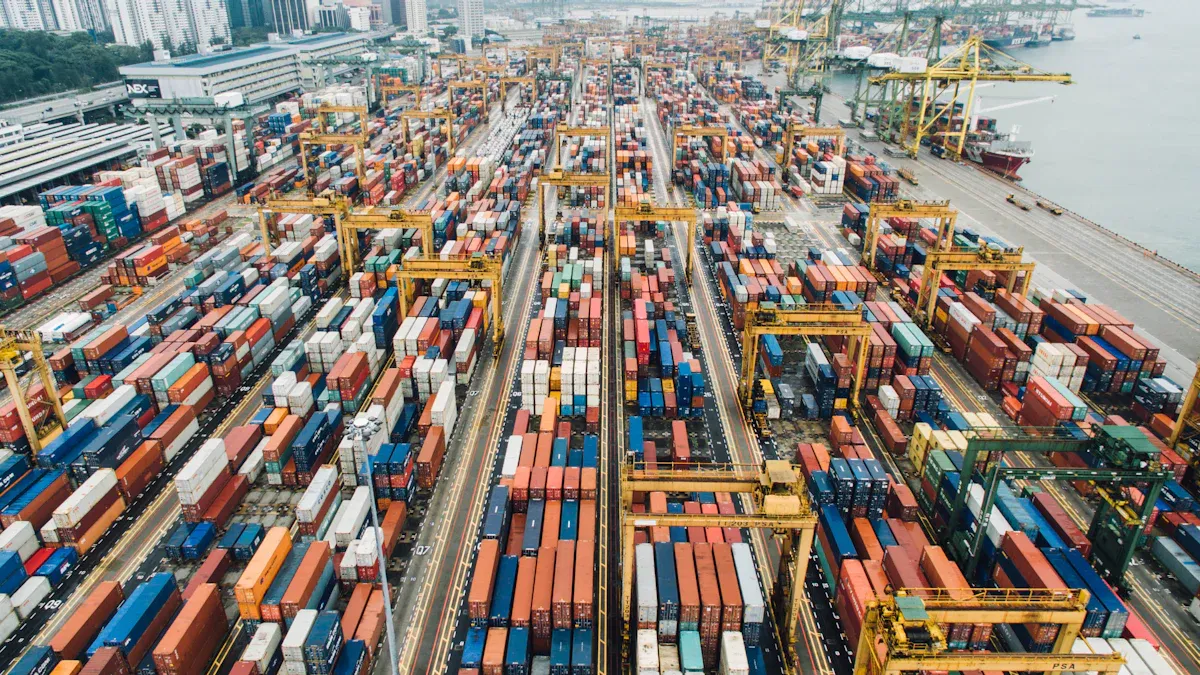
Procurement logistics is about getting materials for production. It ensures the right items arrive on time. This avoids delays and extra costs. Improving procurement processes can save money and boost efficiency.
A study with 200 people showed IT systems help procurement. Digital tools improve coordination and cut costs. This makes supply chains work better.
Aspect | Details |
|---|---|
Purpose | Study how IT improves procurement and supply chains. |
Methodology | Research with 200 participants. |
Findings | IT boosts supply chain performance. |
Contribution | Supports using digital tools for better efficiency. |
Using digital tools makes procurement easier and strengthens supply chains.
Distribution Logistics for Seamless Product Delivery
Distribution logistics gets products to customers quickly. It manages routes, schedules, and inventory. Companies like Amazon use AI to deliver faster. AI has improved delivery speed by up to 30%.
Company | Evidence Type | Improvement Description |
|---|---|---|
UPS | Fuel Savings | AI saves ~10 million gallons of fuel yearly. |
Amazon | Delivery Speed Improvement | AI sped up delivery by 30% and inventory by 75%. |
Walmart | Delivery Speed Improvement | AI improved delivery speed by 25% in the US. |
Better distribution logistics reduces delays and keeps customers happy. Technology helps save money and deliver faster.
Reverse Logistics and Its Role in Sustainability
Reverse logistics handles returns and recycling. It helps the environment by cutting waste. For example, HP recycled 2.5 billion pounds of e-waste since 2004.
Patagonia fixes and reuses products to reduce waste.
Coca-Cola plans to recycle all bottles by 2030.
A study shows reverse logistics cuts waste by 30% and costs by 15%.
Reverse logistics saves money and protects the planet.
Production Logistics and Its Integration with JUSDA's Warehousing Solutions
Production logistics moves materials smoothly in factories. It links procurement and distribution to avoid delays. JUSDA uses tools like JusLink for live inventory tracking. This prevents shortages or too much stock.
JUSDA’s warehouses in Vietnam cover 110,000 square meters. They offer clean rooms and services like packing. These features help industries like electronics and healthcare.
Combining production logistics with JUSDA’s tools improves efficiency and keeps supply chains steady.

JUSDA Solutions
To provide you with professional solutions and quotations.
Logistics is key to meeting supply chain goals. It helps things run smoothly, saves money, and keeps customers happy. Big companies like Amazon and Walmart use data to improve logistics. This makes their work faster and cheaper. JUSDA uses smart tools like JusLink to give clear updates. These tools help businesses make better choices and stay ahead.
Type of Analysis | What It Does |
|---|---|
Looks at past results to find problems and improve. | |
Real-time Analytics | Helps make quick choices by showing what’s happening now. |
Predictive Analytics | Studies old data to guess future trends and important factors. |
Prescriptive Analytics | Suggests the best actions to take, helping with smart decisions. |
See Also
Understanding Cost Efficiency in Supply Chain Management
The Importance of Transparency in Supply Chain Success
Enhancing Supply Chain Strategies for Advanced Manufacturing Challenges
Discovering Cutting-Edge Transportation Innovations for Supply Chains
Addressing Global Supply Chain Growth Challenges Effectively