How to Lower Cargo Damage Rates in Transportation

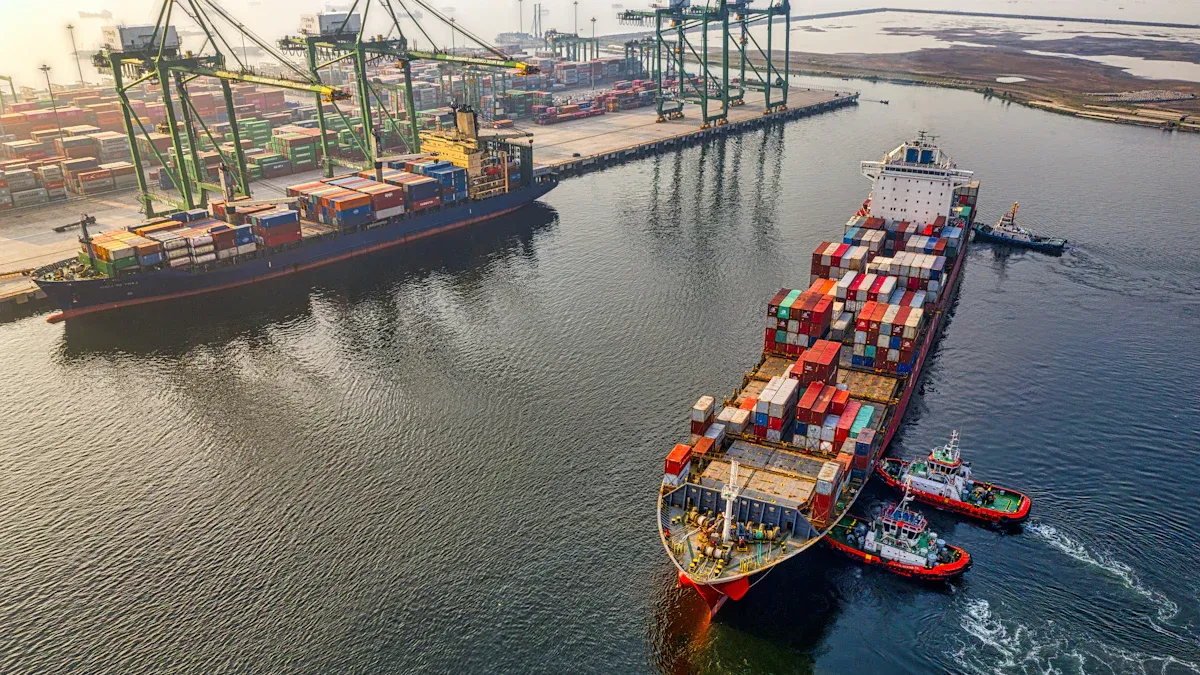
You can lower cargo damage by focusing on packaging, handling, labeling, carrier selection, and inspection. When damage happens, you face more than just broken goods.
Impact Type | Description |
|---|---|
Financial Loss | Replacement costs for damaged goods can be substantial, especially for high-value items. |
Delivery Delays | Damage can lead to delays in delivery, causing ripple effects in the supply chain. |
Reputation Damage | Delayed or damaged goods can harm relationships and trust with clients, leading to lost business. |
JUSDA uses smart tools and deep expertise to help you protect your shipments. Take time to look at your logistics process and see how intelligent solutions can make a difference.
Key Takeaways
Choose high-quality packaging materials to protect your goods from damage during transport.
Use proper cushioning techniques to absorb shocks and prevent items from moving inside boxes.
Label packages clearly to ensure safe handling and reduce the risk of loss or damage.
Select reliable carriers with strong safety records to ensure your shipments are handled properly.
Implement pre-shipment inspections to catch issues early and prevent damage during transit.
Lower Cargo Damage with Packaging

You can lower cargo damage by starting with the right packaging. Good packaging protects your goods from bumps, drops, and rough handling during transport. Many claims for damaged freight come from poor packaging choices. High-quality packaging materials are essential, especially for fragile or high-value items.
Materials
You have many options for packaging materials. Each type offers different benefits for cargo protection:
Strapping material holds items together and stops shifting.
Shrink film and stretch film keep products stable and safe from dust or moisture.
Metal crates work well for heavy or valuable goods.
Cardboard boxes and pallets help with easy handling and stacking.
Dunnage bags and foam inserts fill gaps and prevent movement.
JUSDA provides tailored packaging solutions for many industries. These custom options protect your cargo better than standard packaging. You can avoid fines and damage by choosing the right materials for your shipments.
Cushioning
Cushioning materials absorb shocks and vibrations during shipping. You can use bubble wrap, foam, packing peanuts, air pillows, or even paper. These materials fill empty spaces and keep items from moving inside the box. When you use the right cushioning, you lower cargo damage by stopping impacts from reaching your products.
Tip: Always match the cushioning to your product’s fragility and shipping method.
Sizing
Box size matters. If you use a box that is too big, your items can move around and get damaged. If the box is too small, it can squeeze and break your goods. Choose the correct size to keep items snug and safe. Proper sizing also helps stabilize heavy loads and shields them from impacts.
JUSDA’s experts can help you select the best packaging size and materials for your needs. With the right approach, you can lower cargo damage and keep your shipments safe from start to finish.
Palletizing and Stacking
Proper palletizing and stacking help you keep shipments safe during transport. When you use the right methods, you reduce shifting and impact damage. This step is key if you want to lower cargo damage and avoid costly returns.
Pallet Quality
You need strong, reliable pallets to support your goods. High-quality pallets lower the risk of accidents and keep your cargo stable. Industry standards like ISPM 15, ISO 8611, and ASTM D1185 set rules for pallet safety and strength.
Standard | Description | Impact on Cargo Safety |
|---|---|---|
ISPM 15 | International standard for wood packaging material to prevent pest spread. | Ensures pallets are treated to avoid pest-related damages. |
ISO 8611 | Standard for testing the performance of pallets. | Guarantees structural integrity under load. |
ASTM D1185 | Standard for testing the strength of wood pallets. | Ensures pallets can safely support cargo weight. |
JUSDA uses pallets that meet these standards in all warehouses. This practice helps you avoid fines and keeps your shipments safe.
Stacking Methods
How you stack boxes on a pallet matters. You should keep boxes aligned with the pallet edges and make sure each layer is tight. Use column stacking for strength and brick stacking for stability. Avoid pyramid-style stacking because it makes loads unstable.
Interlocking works well for different box sizes and stops shifting.
Blocking is best for boxes of the same size.
Secure loads with stretch wrap or straps to prevent movement.
Place the heaviest boxes on the bottom for better balance.
Tip: Do not mix box sizes without a plan. This keeps your stack strong and safe.
JUSDA’s warehousing teams follow these best practices to keep your cargo stable from storage to delivery.
Weight Distribution
Good weight distribution keeps your pallet from tipping or collapsing. Always put heavier items at the bottom and lighter ones on top. This setup protects fragile goods and keeps the load balanced.
Even weight stops pressure points and reduces breakage.
Proper loading means fewer returns and happier customers.
Insurance costs can drop when you avoid damage.
JUSDA trains staff to check weight distribution on every pallet. This attention to detail helps you ship with confidence.
Labeling and Documentation
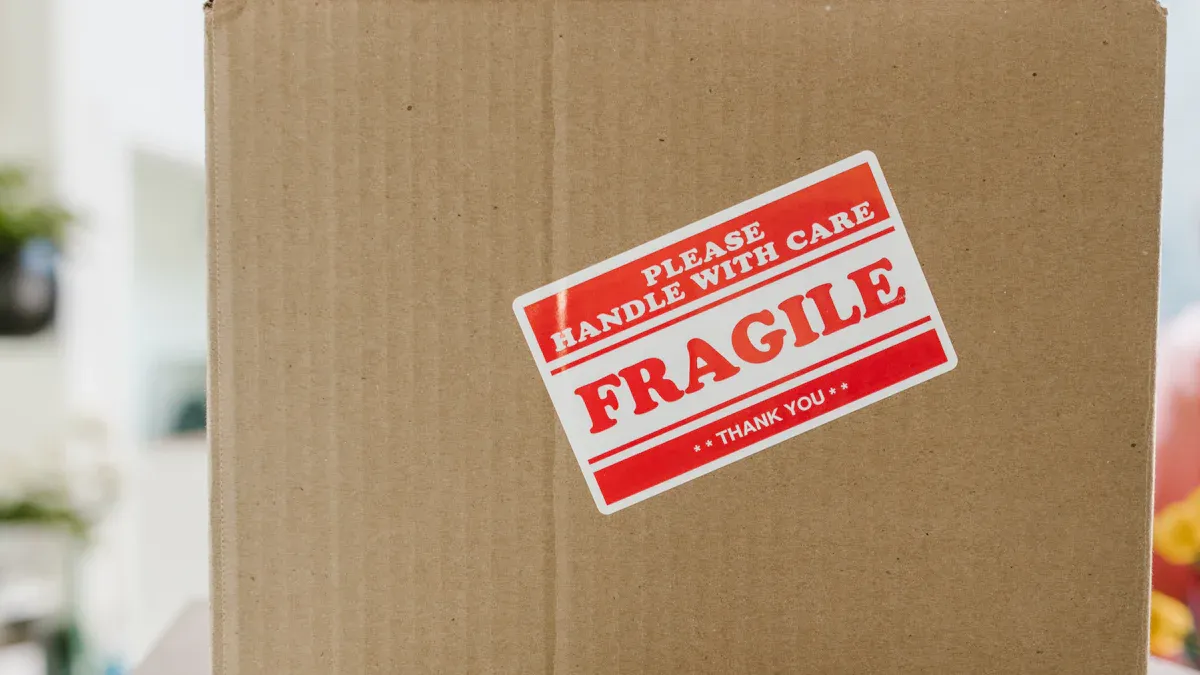
Clear labeling and accurate documentation play a big role in keeping your cargo safe. When you use the right labels and paperwork, you help everyone in the supply chain handle your goods correctly. This step lowers the risk of damage, loss, or delays.
Label Clarity
You need clear and readable labels on every package. Labels tell workers where your cargo should go and how to handle it. If a label is hard to read or in the wrong place, your shipment might get lost or damaged.
Best practices for label clarity include:
Place labels on a flat surface so scanners can read them easily.
Cover any old barcodes to avoid confusion.
Use strong, durable labels that will not peel off during shipping.
Print labels with high quality so all information stays clear.
Tip: Double-check that every label matches the shipping paperwork before your cargo leaves the warehouse.
Clear labeling gives important details about your shipment, such as the origin, destination, and special handling instructions. This helps logistics teams move your cargo safely and quickly. Good labeling also protects your items from risks during transit and keeps costs down.
Paperwork Accuracy
Accurate paperwork is just as important as clear labels. Shipping documents tell carriers and customs what is inside each package and where it should go. If you make a mistake on your paperwork, your cargo could get delayed or even lost.
You can reduce errors and claims by:
Using digital tools to check paperwork for mistakes before shipping.
Letting AI process shipping documents to improve accuracy.
Making sure all documents are complete and precise.
Keeping records of delivery and inspections for every shipment.
When you send the right documents with your cargo, you help carriers solve problems faster if something goes wrong. Complete paperwork also makes it easier to recover costs if you need to file a claim. Good documentation keeps everyone on the same page and lowers the risk of disputes or delays.
Secure Sealing
Keeping your cargo safe starts with secure sealing. When you seal packages the right way, you protect goods from tampering, moisture, and accidental opening. Many studies show that strong seals help prevent cargo damage and loss. Logistics companies that use secure sealing methods report fewer tampering incidents and better cargo safety.
Tape Selection
Choosing the right tape makes a big difference in shipment safety. High-quality packing tape keeps boxes closed during rough handling. You should avoid cheap or thin tape because it can peel off or break. Industry experts recommend using strong, pressure-sensitive tape for most packages.
Packing tape with reinforced fibers adds extra strength.
Water-activated tape bonds tightly to cardboard and resists tampering.
Tamper-evident tape shows clear signs if someone tries to open the box.
Tip: Always match the tape type to your package weight and shipping method.
A good tape choice helps you avoid costly claims and keeps your cargo secure from start to finish.
Sealing Techniques
How you seal a box matters as much as the tape you use. Proper sealing techniques stop boxes from popping open and keep contents safe. Experts suggest several steps for the best results:
Clean the box surface before applying tape.
Use enough tape to cover all seams and edges.
Overlap tape strips for extra hold.
Press down firmly to make sure the tape sticks well.
Add tamper-evident tape or labels for high-value shipments.
Many logistics companies use these steps to lower damage rates and prevent tampering. Security seals also play a key role in protecting cargo. They make it easy to spot if someone tries to open a package without permission.
Note: Secure sealing is not just about tape. It is about using the right materials and following the best steps every time.
When you use strong tape and proper sealing methods, you help your cargo arrive safely and in perfect condition.
Carrier Selection
Choosing the right carrier is one of the most important steps you can take to protect your shipments. Reliable carriers help you lower cargo damage and keep your goods safe from start to finish. You should always check a carrier’s background before trusting them with your freight.
Vetting Carriers
You need to look at several factors when you select a carrier. Start by checking if the carrier has experience with your type of cargo. Some carriers specialize in electronics, while others focus on heavy equipment or medical supplies. Ask for their performance records. On-time delivery rates and efficiency show how well they handle shipments.
Tip: Make sure the carrier can handle your busiest seasons. Flexibility and enough trucks or containers are key for smooth shipping.
You should also ask about their safety protocols. Strong carriers train their staff, use the right equipment, and have clear plans for risk management. These steps help prevent accidents and keep your cargo secure.
JUSDA offers a global network with air, land, sea, and rail options. This means you can choose the best route and carrier for every shipment.
Safety Records
Safety records tell you a lot about a carrier’s reliability. Always check their safety ratings and how often they maintain their vehicles. Carriers with good safety records have fewer accidents and less cargo damage.
Look for certifications like ISO 9001 or ISO 45001. These show that the carrier follows strict industry standards. You should also check if the carrier has any past violations or penalties. This helps you avoid risky partners.
JUSDA works only with carriers who meet high safety standards. With JUSDA, you get access to a trusted network that puts your cargo’s safety first.
Inspection and Monitoring
Keeping your cargo safe does not end after packing and sealing. You need strong inspection and monitoring steps to catch problems before they cause damage. These steps help you lower cargo damage rates and solve issues faster if something goes wrong.
Pre-Shipment Checks
You should always check your cargo before it leaves the warehouse. Pre-shipment checks make sure your goods have the right packaging, labels, and seals. This step helps you spot mistakes early. You can fix problems before your cargo moves, which saves time and money.
Many companies use a checklist for pre-shipment inspections. This list covers:
Checking packaging for damage or weak spots
Making sure labels are clear and correct
Verifying seals and closures
Confirming the right items and quantities
When you follow these steps, you help prevent damage during transport. Pre-shipment inspection protocols have shown to reduce damage incidents by 10–20%. You also build trust with your customers because you show you care about quality.
Damage Documentation
Even with the best checks, accidents can happen. You need to document any damage right away. Good documentation helps you file claims and get compensation faster. It also helps you find the cause of the problem so you can fix it for future shipments.
You should:
Take clear photos of any damage
Record the time, date, and location
Write a short description of what happened
Save all paperwork and digital records
Real-time monitoring tools make this process easier. These tools track conditions like temperature and shock during transit. If something goes wrong, you get alerts right away. Real-time monitoring has helped companies resolve claims 40–50% faster.
JUSDA’s JusLink AI Solution gives you full supply chain visibility. You can see your cargo’s status at every step. The risk control tower in JusLink sends early warnings if it detects problems. This smart system helps you act fast and protect your shipments from further damage.
Tip: Use digital tools like JusLink to track and document your cargo. You will save time and lower your risk of loss.
Climate Control
Temperature-Sensitive Goods
You must pay special attention to temperature-sensitive goods during transportation. These items include perishable foods, pharmaceuticals, and delicate electronics. Even small changes in temperature can ruin these products. You can see the main risks and needs for climate-sensitive cargo in the table below:
Aspect | Description |
|---|---|
Definition | Climate-sensitive freight needs special handling due to temperature sensitivities. |
Risks | Delays, power issues, and poor documentation can affect temperature maintenance. |
Importance of Packaging | Proper packaging and monitoring systems keep cargo safe. |
Financial Impact | Temperature changes can raise shipping costs and cause big losses. |
Types of Products | Perishable foods, medicines, and sensitive electronics need precise control. |
Waste Prevention | Careful management stops spoilage and waste. |
You need to plan every step when you ship temperature-sensitive goods. Start with pre-shipment preparation. Assess how sensitive your cargo is and use special packaging. Smart packaging, like IoT-enabled boxes, helps you track temperature in real time.
Tip: Always use data loggers or real-time tracking systems to monitor temperature during transit.
You should use refrigerated trucks or containers, called reefers, for transport. These vehicles have advanced cooling systems that keep goods at the right temperature. Cold chain storage facilities and warehouses also help protect your cargo before and after shipping.
Here are key steps for safe transport:
Prepare your shipment with the right packaging.
Monitor temperature with smart devices.
Use temperature-controlled vehicles.
Train your team to handle sensitive goods.
Keep detailed records and follow all rules.
If you follow these steps, you lower the risk of spoilage and damage. You also protect your business from financial loss. JUSDA uses advanced cold chain technology and real-time monitoring to keep your temperature-sensitive shipments safe and fresh from start to finish.
Technology and AI
JusLink AI Solution
You can use technology to make your supply chain smarter and safer. JusLink AI Solution helps you spot risks before they cause problems. The system uses predictive analytics to look at patterns in shipping data. You get alerts about possible delays, temperature changes, or rough handling. This helps you act fast and protect your cargo.
JusLink’s risk control tower gives you real-time updates. You see where your shipment is and what conditions it faces. If something goes wrong, you get a warning right away. You can fix issues before they lead to damage. JusLink also helps you plan better routes and choose the best carriers.
Customer Story: One electronics manufacturer used JusLink to track shipments across borders. The AI system found a risk of temperature spikes in one region. The company changed its route and avoided damage to sensitive goods.
Feature | Benefit |
|---|---|
Predictive Analytics | Stops damage before it starts |
Real-Time Monitoring | Gives instant alerts |
Route Optimization | Lowers risk of accidents |
JusElsa Assistant
JusElsa is your smart supply chain assistant. You can ask JusElsa questions about your shipments. The assistant uses natural language processing to understand your needs. JusElsa helps you check order status, track cargo, and get advice on packaging.
You get quick answers and useful tips. JusElsa makes it easy to follow best practices. The assistant also helps you document damage and file claims. This saves you time and keeps your records organized.
Tip: Use JusElsa to learn how to lower cargo damage. The assistant gives you step-by-step guides and reminders.
Many companies trust JusElsa to improve their shipping process. You can see better results and fewer damaged goods when you use smart tools like JusLink and JusElsa.
Expert Partnerships
Building strong partnerships with supply chain experts can help you lower cargo damage rates. You do not have to solve every logistics challenge alone. When you work with experienced providers like JUSDA, you gain access to proven strategies and industry-specific solutions.
Consulting
You can benefit from consulting services that focus on your unique needs. JUSDA’s team studies your current logistics process and finds ways to improve it. They look at your packaging, handling, and shipping methods. You get advice that matches your industry, whether you ship electronics, medical supplies, or heavy equipment.
Why choose expert consulting?
You get a fresh perspective on your supply chain.
You learn about new technologies and best practices.
You receive step-by-step plans to lower cargo damage.
Tip: Ask your consultant to review your entire shipping process. Small changes can make a big difference in damage rates.
JUSDA’s consultants use real data and case studies. They help you set up better packaging, smarter routing, and safer handling. You save money and protect your reputation.
Knowledge Sharing
Knowledge sharing helps you stay ahead in logistics. When you partner with JUSDA, you join a network of industry leaders. You can learn from their experience and avoid common mistakes.
Benefit | How It Helps You |
|---|---|
Industry Insights | You learn about trends and new risks. |
Training Resources | Your team gets better at safe handling. |
Success Stories | You see what works for others. |
You can join workshops, webinars, and training sessions. JUSDA shares tips, guides, and updates on the latest supply chain technology. You get the tools you need to keep your cargo safe.
Note: Sharing knowledge builds a culture of safety and improvement. You help your team grow and reduce cargo damage over time.
Partnering with experts like JUSDA gives you a clear advantage. You gain support, knowledge, and confidence to handle any logistics challenge.
You can lower cargo damage by following proven steps.
Choose quality packaging and design it to fit your products.
Use proper cushioning and sealing methods.
Label packages clearly for safe handling.
Stack and wrap pallets securely.
Train your team and use smart technology to monitor shipments.
JUSDA helps you improve every part of your supply chain with innovative solutions. Start using these strategies to protect your cargo and boost your business.
FAQ
What is the most common cause of cargo damage during shipping?
You often see damage from poor packaging or rough handling. Weak boxes, loose items, or bad stacking can lead to broken goods. Always check your packaging and handling steps before shipping.
How can technology help me reduce cargo damage?
You can use smart tools like JusLink AI Solution. These tools track your shipments in real time and send alerts if something goes wrong. Technology helps you act fast and prevent bigger problems.
Should I always use temperature control for my shipments?
You only need temperature control for sensitive goods like food, medicine, or electronics. For other products, standard shipping works well. Always check your product’s needs before choosing climate control.
What should I do if my cargo arrives damaged?
Take photos of the damage right away.
Save all paperwork and labels.
Contact your carrier or logistics partner.
File a claim with clear records.
Use digital tools to track and report the issue quickly.
See Also
Understanding Logistics Risks: Key Trends You Should Know
Stop Overpaying: Effective Strategies to Cut Supply Chain Costs
Enhancing Supply Chains: The Role of Risk Management
Understanding Supply Chain Costs: Strategies for Optimization
Affordable Transportation Management: Your Budget's Trusted Ally