Manufacturing Impact of India-China Flight Resumption


India and China share a complex relationship marked by both cooperation and tension. Direct India-China flights, suspended since the COVID-19 pandemic and border clashes in 2020, play a crucial role in this dynamic. Air connectivity significantly impacts manufacturing by facilitating swift movement of goods and personnel. The resumption of these flights holds immense significance for trade, potentially revitalizing supply chains and enhancing economic ties. This development could lead to improved logistics and increased efficiency in manufacturing sectors across both nations.
Recent Developments in Direct India-China Flights

Timeline of Flight Resumption
Key Dates and Milestones
Direct India-China flights have faced significant disruptions since early 2020. The suspension began due to the COVID-19 pandemic and escalated with border clashes in June 2020. Before this, in December 2019, there were 539 flights connecting the two nations. Airlines from both countries have expressed interest in resuming these routes, driven by high demand for travel and trade.
Government Announcements
China has actively urged India to restore direct flights, emphasizing mutual economic benefits. The Chinese foreign ministry has highlighted the importance of re-establishing air links. However, India remains cautious, considering the strained diplomatic relations and ongoing border disputes. Despite these challenges, discussions continue, reflecting a shared interest in improving connectivity.
Current Status of Direct India-China Flights
Number of Flights and Routes
As of now, direct flights between India and China remain suspended. Both nations have yet to finalize agreements on the number of flights and specific routes. Airlines are prepared to restart operations once governmental approvals are secured, indicating potential growth in connectivity.
Passenger and Cargo Capacity
The absence of direct flights has impacted passenger travel and cargo movement. Previously, these routes facilitated significant trade and business exchanges. The resumption of flights would enhance passenger capacity and improve cargo logistics, benefiting industries reliant on swift transportation.
Implications for the Manufacturing Sector
Supply Chain Dynamics
Impact on Raw Material Availability
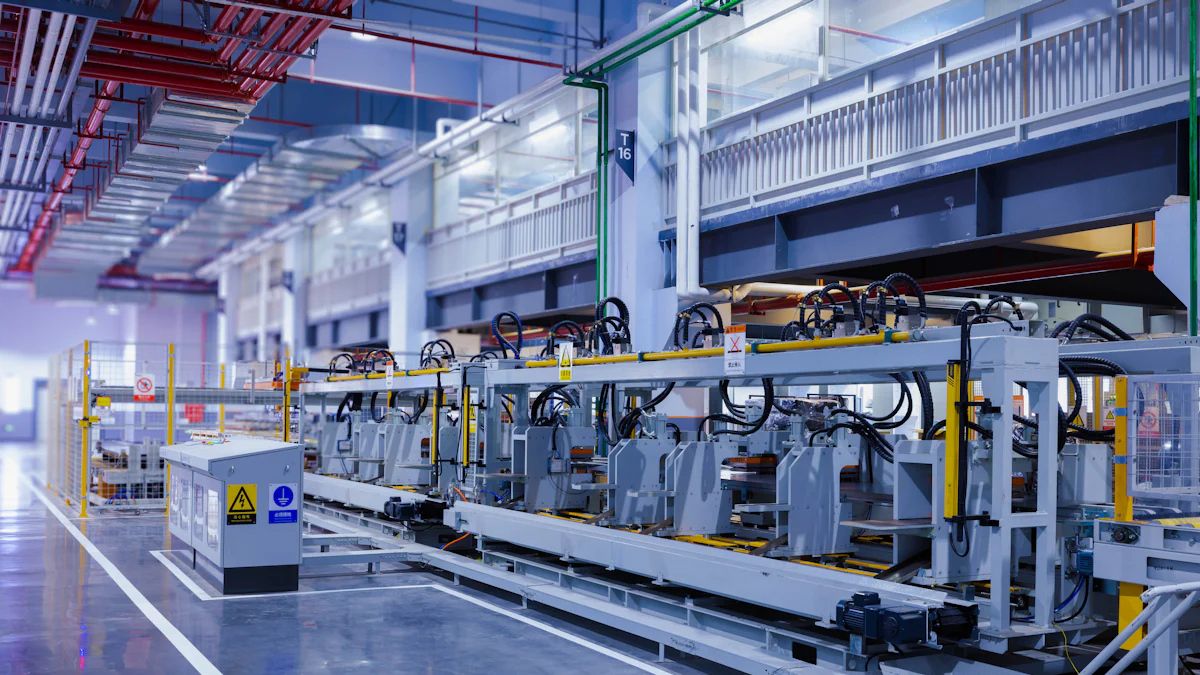
Direct India-China flights play a pivotal role in the manufacturing sector by ensuring the timely availability of raw materials. The suspension of these flights has disrupted the supply chain dynamics, causing delays in the import of essential components. Manufacturing units in India, heavily reliant on Chinese imports, have faced challenges in maintaining production schedules. The resumption of flights promises to alleviate these issues by restoring the flow of raw materials. This development will enable manufacturers to enhance their production capabilities and reduce dependence on alternative, often more expensive, sources.
Expert Testimony:
Experts warn that this singular focus on assembling parts — a process that relies on importing components — defeats the purpose of establishing a manufacturing hub.
Changes in Logistics and Transportation
The logistics and transportation landscape will undergo significant changes with the resumption of direct India-China flights. Previously, manufacturers had to rely on indirect routes, leading to increased costs and extended delivery times. Direct flights will streamline logistics operations, reducing transit times and costs. This improvement will benefit industries that require swift transportation of goods, such as electronics and automotive sectors. Enhanced logistics will also support the growth of e-commerce by facilitating faster delivery of products to consumers.
Industry Perspectives
Statements from Manufacturing Leaders
Manufacturing leaders express optimism about the resumption of direct India-China flights. They anticipate a positive impact on their operations, citing improved efficiency and reduced lead times. Many leaders highlight the importance of reliable air connectivity in maintaining competitive advantage in the global market. They believe that direct flights will enable them to meet customer demands more effectively and expand their market reach.
Industry Insights:
Manufacturing Leaders: "Direct flights are crucial for maintaining our competitive edge. They allow us to respond swiftly to market changes and customer needs."
Analysis from Economic Experts
Economic experts provide a comprehensive analysis of the implications of direct India-China flights on the manufacturing sector. They emphasize the potential for increased trade and economic collaboration between the two nations. Experts also highlight the importance of ensuring the availability of necessary expertise to support domestic manufacturing units. By enhancing production capabilities, these units can reduce their reliance on imports and maintain competitiveness in the global market.
Expert Testimony:
Ensuring the availability of necessary expertise will help domestic manufacturing units enhance production capabilities, reduce dependence on imports, and maintain competitiveness in the global market.
The resumption of direct India-China flights marks a significant step towards revitalizing the manufacturing sector. It promises to improve supply chain dynamics, enhance logistics, and foster economic growth. As both nations work towards restoring air connectivity, the manufacturing industry stands to benefit immensely from this development.
Economic and Trade Relations
Bilateral Trade Opportunities
Key Sectors Benefiting
Direct India-China flights offer significant opportunities for bilateral trade. The resumption of these flights can greatly benefit key sectors such as electronics, automotive, and pharmaceuticals. These industries rely heavily on efficient logistics and timely delivery of goods. Direct flights facilitate swift transportation, reducing lead times and enhancing supply chain efficiency.
Electronics: This sector stands to gain immensely from improved connectivity. Direct flights enable faster movement of components and finished products, crucial for maintaining competitiveness in the global market.
Automotive: The automotive industry benefits from the seamless flow of parts and materials. Direct flights ensure timely delivery, supporting production schedules and reducing costs associated with delays.
Pharmaceuticals: Direct flights enhance the transportation of medical supplies and equipment. This is vital for ensuring the availability of essential healthcare products.
Trade Agreements and Policies
Trade agreements and policies play a pivotal role in shaping the economic landscape between India and China. The resumption of direct India-China flights aligns with existing trade agreements, promoting smoother transactions and fostering economic collaboration. Both nations have expressed interest in strengthening trade ties, and direct flights serve as a catalyst for achieving this goal.
Existing Agreements: Current trade agreements facilitate the exchange of goods and services. Direct flights enhance these agreements by providing efficient logistics solutions.
Policy Support: Government policies supporting air connectivity can further boost trade. By prioritizing the resumption of direct flights, both countries can capitalize on economic opportunities.
Challenges and Risks
Geopolitical tensions pose significant Geopolitical tensions pose significant challenges to the resumption of direct India-China flights. The suspension of flights since the COVID-19 pandemic and subsequent border clashes in June 2020 highlights the impact of political dynamics on air connectivity. These tensions continue to hinder progress, affecting bilateral relations and trade.
Geopolitical tensions pose significant challenges to the resumption of direct India-China flights. The suspension of flights since the COVID-19 pandemic and subsequent border clashes in June 2020 highlights the impact of political dynamics on air connectivity. These tensions continue to hinder progress, affecting bilateral relations and trade.
Political Dynamics: Ongoing disputes and diplomatic challenges complicate efforts to restore direct flights. Both nations must navigate these complexities to improve connectivity.
Impact on Trade: Geopolitical tensions can disrupt trade flows, affecting industries reliant on direct flights. Addressing these issues is crucial for ensuring stable economic relations.
Regulatory and Compliance Issues
Regulatory and compliance issues present additional hurdles for the resumption of direct India-China flights. Both countries must address these challenges to facilitate seamless air travel and trade.
Visa Restrictions: Visa restrictions remain a significant barrier to restoring direct flights. Easing these restrictions can enhance business travel and support economic activities.
Compliance Requirements: Ensuring compliance with aviation regulations is essential for safe and efficient operations. Both nations must collaborate to address regulatory challenges and promote air connectivity.
Direct India-China flights hold immense potential for enhancing economic and trade relations. By addressing challenges and leveraging opportunities, both countries can strengthen their bilateral ties and foster economic growth.
Technological and Innovation Impact
Advancements in Manufacturing Technology
Role of Technology in Enhancing Efficiency
Technology plays a pivotal role in enhancing manufacturing efficiency. Indian companies have demonstrated significant value addition across various sectors, establishing their right to win in the global manufacturing landscape. They leverage advanced technologies to optimize production processes and improve product quality. Automation and robotics streamline operations, reducing human error and increasing output. The integration of IoT and AI in manufacturing processes enables real-time monitoring and predictive maintenance, minimizing downtime and maximizing productivity.
"Automation and robotics streamline operations, reducing human error and increasing output."
Collaboration in Research and Development
Collaboration in research and development (R&D) is crucial for technological advancement. Indian corporates focus on strengthening partnerships with global entities to foster innovation. These collaborations facilitate knowledge exchange and access to cutting-edge technologies. By working with international experts, Indian manufacturers enhance their capabilities and competitiveness. The importance of foreign expertise is evident in the Indian manufacturing industry's development. Delays in obtaining visas for Chinese technicians have affected operational tasks, highlighting the need for seamless collaboration.
"By working with international experts, Indian manufacturers enhance their capabilities and competitiveness."
Innovation in Supply Chain Management
Digitalization and Automation
Digitalization and automation revolutionize supply chain management. Indian manufacturers adopt digital tools to enhance supply chain visibility and efficiency. Technologies like blockchain ensure transparency and traceability, reducing risks and improving trust among stakeholders. Automation in logistics operations accelerates processes, reducing lead times and costs. These innovations support the creation of alternative supply chains, a megatrend in global manufacturing. By embracing digitalization, Indian companies strengthen their position in the global market.
"Technologies like blockchain ensure transparency and traceability, reducing risks and improving trust among stakeholders."
Future Prospects and Potential Outcomes
Long-term Economic Impact
Growth Projections for Manufacturing
The resumption of direct flights between India and China offers promising growth prospects for the manufacturing sector. Industry analysts predict a significant boost in production capabilities as supply chains become more efficient. A recent survey on future manufacturing growth projections highlights optimism among industry leaders. They anticipate a 20% increase in output over the next five years, driven by improved logistics and access to raw materials.
Key Findings:
75% of respondents expect enhanced production efficiency.
60% foresee increased competitiveness in global markets.
Strategic Partnerships and Alliances
Strategic partnerships will play a crucial role in leveraging the benefits of resumed flights. Companies in both countries are exploring alliances to enhance technological collaboration and market reach. These partnerships aim to foster innovation and streamline operations, ensuring a competitive edge in the global arena.
Potential Collaborations:
Joint ventures in electronics and automotive sectors.
Research collaborations focusing on sustainable manufacturing practices.
Policy Recommendations
Suggestions for Government and Industry
To maximize the benefits of flight resumption, both governments and industries must implement strategic policies. Experts recommend prioritizing infrastructure development to support increased air traffic. Additionally, easing visa restrictions for business travelers can facilitate smoother operations and enhance economic activities.
Policy Suggestions:
Invest in airport infrastructure to handle increased cargo.
Simplify visa processes for technicians and business professionals.
Importance of Sustainable Practices
Sustainability should remain a priority as manufacturing activities expand. Companies must adopt eco-friendly practices to minimize environmental impact. Emphasizing renewable energy sources and waste reduction can lead to long-term benefits for both economies.
Sustainability Initiatives:
Implementing energy-efficient technologies in production.
Encouraging recycling and waste management programs.
By focusing on strategic growth and sustainable practices, India and China can strengthen their manufacturing sectors and foster robust economic ties.
India-China flight resumption offers significant opportunities for manufacturing growth. Key findings highlight enhanced supply chain efficiency and reduced logistics costs. This development strengthens India-China relations, fostering economic collaboration. By integrating into global supply chains, India can boost domestic manufacturing and competitiveness. The availability of expertise further enhances production capabilities, reducing reliance on imports. As both nations navigate geopolitical challenges, the future of manufacturing looks promising with strategic partnerships and sustainable practices. This renewed connectivity positions both countries for robust economic growth and innovation in the manufacturing sector.
See Also
Insightful Strategies for Managing Supply Chain Disruptions
Efficient Fixes for High-Tech Manufacturing Supply Chain Challenges
Artificial Intelligence: Transforming Future Logistics