Emerging Supply Chain Trends for Manufacturers in 2025

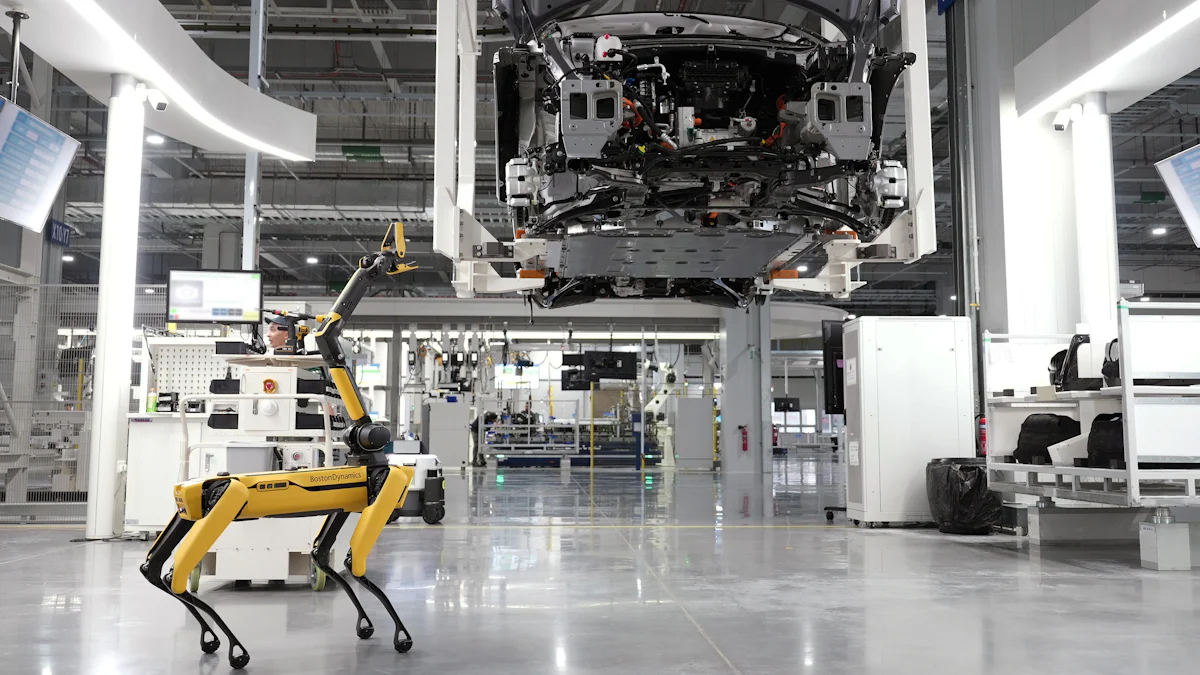
Manufacturers face a rapidly evolving landscape where supply chain disruptions threaten profitability and growth. Global economic uncertainty, material shortages, and rising costs demand proactive strategies. To thrive, the manufacturing industry must embrace resilience, agility, and innovation. A resilient supply chain can withstand disruptions, while agility ensures quick adaptation to shifting market demands. By leveraging digital tools and real-time data, manufacturers can streamline operations and mitigate risks. These efforts not only safeguard business continuity but also position companies to seize new opportunities in an unpredictable world.
Current Supply Chain Challenges in the Manufacturing Industry
Geopolitical and Trade Policy Risks
Impact of tariffs and trade policy changes
Geopolitical tensions continue to disrupt global supply chains, creating uncertainty for manufacturers. Tariffs and trade policy changes often lead to increased costs and delays in transportation. For example, the ongoing Russia-Ukraine war has caused significant disruptions, with sanctions impacting critical commodities like oil and natural gas. Similarly, the Israel-Hamas conflict has strained ports, leading to shipping delays and higher premiums.
Geopolitical risks have numerous potential consequences, from price fluctuations to reputational damage. Understanding how these risks can impact your business and extended supply chain is crucial to building a robust risk mitigation strategy.
Strategies to navigate geopolitical uncertainty
Manufacturers must adopt proactive strategies to mitigate these risks. Diversifying supply sources and reshoring operations can reduce dependency on volatile regions. Building strong relationships with local suppliers ensures a more stable inventory flow. Additionally, leveraging predictive analytics helps anticipate disruptions and adjust supply chain strategies accordingly.
Labor and Workforce Shortages
Rising labor costs and skill gaps
The manufacturing industry faces a growing labor crisis. Aging workers are retiring, leaving behind significant labor gaps. Rapid technological advancements have created a skills mismatch, while younger workers often view manufacturing as outdated. These factors, combined with competition from other sectors, exacerbate workforce shortages.
Aging Workforce: Many skilled workers are nearing retirement, taking valuable experience with them.
Skills Gap: Technological advancements have outpaced workforce training, creating labor gaps.
Perception Problem: Younger generations often see manufacturing as an undesirable career path.
Education Focus: Emphasis on four-year degrees has diverted talent from vocational training.
Solutions like upskilling and automation
Upskilling programs can bridge the skills gap by equipping workers with the expertise needed for modern manufacturing roles. Automation also plays a critical role in addressing labor shortages. Advanced robotics and AI-driven systems can handle repetitive tasks, allowing manufacturers to optimize productivity while reducing dependency on human labor.
Cybersecurity Threats in Supply Chain Management
Growing risks to supply chain data and systems
Cybersecurity threats pose a significant challenge to supply chain management. Supply chain attacks, such as island hopping, target vulnerable components to infiltrate entire networks. Malicious insider activity has also risen, with internal actors accounting for 35% of data breaches in 2024. These threats jeopardize inventory systems, disrupt operations, and damage reputations.
Supply chain attacks
Malicious insider activity
Inadvertent threats
Importance of robust cybersecurity frameworks
To combat these risks, manufacturers must implement robust cybersecurity frameworks. Regular audits, employee training, and advanced threat detection systems can safeguard supply chain networks. Partnering with cybersecurity experts ensures compliance with regulations and protects sensitive inventory data. By prioritizing cybersecurity, manufacturers can prevent costly disruptions and maintain trust with stakeholders.
Emerging Supply Chain Trends for 2025
Reshoring and Localized Supply Chains
Benefits of reshoring for the manufacturing industry
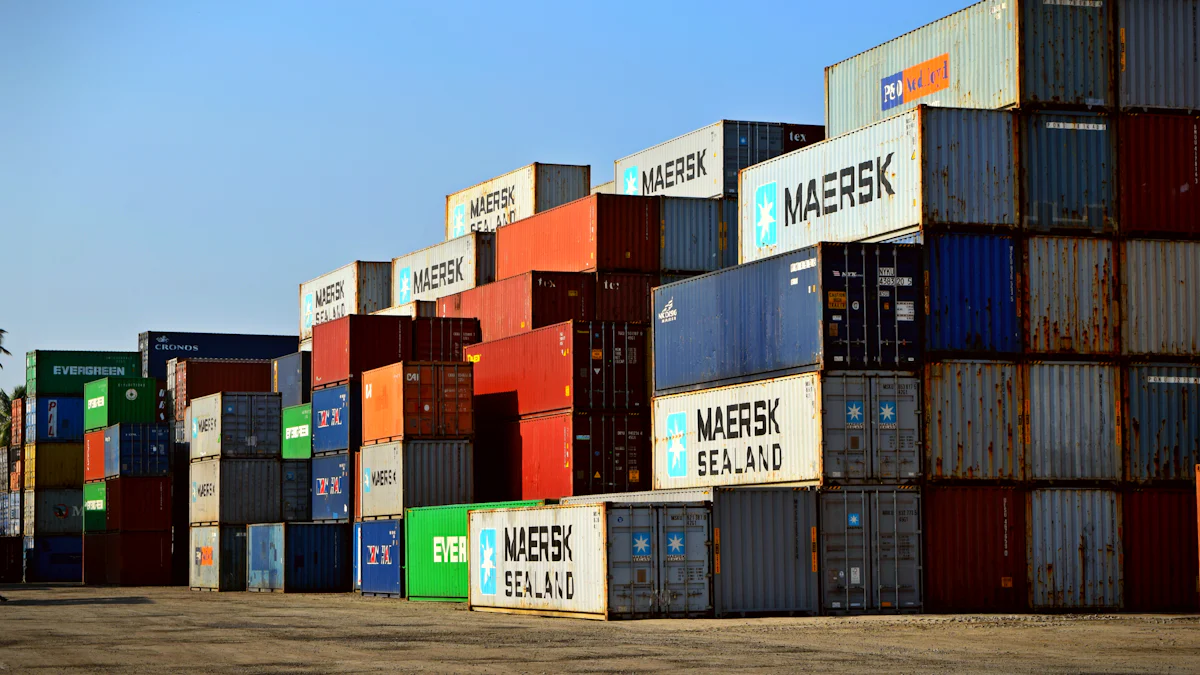
Reshoring has emerged as a pivotal trend in the manufacturing industry, offering numerous advantages. Shorter supply chains reduce exposure to global disruptions, ensuring risk mitigation. Localized operations enhance quality control by enabling closer oversight and faster problem resolution. Manufacturers benefit from reduced lead times, allowing products to reach customers more quickly. Additionally, reshoring stimulates local economies by creating jobs and fostering innovation hubs where research and development thrive alongside production. Shorter supply chains also contribute to sustainability by lowering carbon emissions, aligning with growing consumer demand for eco-friendly practices.
Challenges and strategies for successful implementation
Despite its benefits, reshoring presents challenges. High initial costs and the need for skilled labor can hinder implementation. Manufacturers can overcome these obstacles by leveraging automation to offset labor shortages and investing in workforce training programs. Building strong partnerships with local suppliers ensures smoother transitions and better communication. Strategic planning, including evaluating cost-benefit analyses and aligning reshoring efforts with long-term goals, is essential for success.
AI and Predictive Analytics in Supply Chain Management
Enhancing decision-making with AI
Artificial intelligence is revolutionizing supply chain management by improving visibility and enabling smarter decision-making. AI integration automates processes, enhances efficiency, and supports real-time risk management. By analyzing vast datasets, AI identifies patterns that help manufacturers optimize workflows and streamline operations. This level of end-to-end visibility empowers manufacturers to make informed decisions, reducing costs and improving overall performance.
Practical applications of predictive analytics
Predictive analytics, powered by AI, offers practical solutions for supply chain optimization. For instance, it helps maintain optimal inventory levels by forecasting demand, preventing both excess stock and stockouts. Companies like Tyson Foods have successfully used predictive analytics to enhance inventory management and reduce waste. Additionally, route optimization in logistics saves time and reduces fuel costs, as seen in leading pharmaceutical companies that improved distribution efficiency through demand forecasting. These applications demonstrate how AI in supply chain management drives tangible results.
Sustainability and Green Supply Chains
Importance of eco-friendly practices in the supply chain
Sustainability has become a critical focus for manufacturers. Green supply chains not only reduce environmental impact but also enhance brand reputation and consumer trust. Eco-friendly practices, such as using ethically sourced materials and low-emission transportation methods, align with global efforts to combat climate change. Manufacturers adopting sustainable practices position themselves as industry leaders while meeting regulatory requirements and customer expectations.
Steps to reduce environmental impact
Manufacturers can take several steps to implement sustainable supply chain practices. Conducting regular supplier audits ensures compliance with environmental standards. Collaborating with suppliers who prioritize sustainability fosters a greener supply chain. Utilizing low-emission transportation and optimizing logistics reduce carbon footprints. Joining industry-specific sustainability groups provides valuable resources and insights. By integrating these measures, manufacturers can achieve long-term environmental and economic benefits.
Advanced Automation and Robotics
Role of automation in improving efficiency
Advanced automation is transforming supply chain efficiency by streamlining operations and reducing human intervention. Manufacturers leverage robotic process automation (RPA) to handle repetitive tasks, allowing employees to focus on strategic activities. IoT sensors provide real-time data on inventory levels and asset tracking, enhancing visibility across the supply chain. AI and machine learning optimize transportation routes and predict demand fluctuations, ensuring seamless operations.
Inventory management automation minimizes errors and maintains optimal stock levels.
Logistics automation improves delivery schedules and reduces transportation costs.
Self-driving trucks accelerate delivery times, enhancing supply chain efficiency.
Warehouse automation increases storage capacity and boosts order fulfillment accuracy.
These advancements enable manufacturers to reduce costs, improve productivity, and meet customer demands more effectively.
Overcoming challenges in adopting robotics
Despite its benefits, adopting robotics in supply chains presents challenges. High initial costs deter smaller businesses from investing in advanced systems. Integrating robotics with existing infrastructure often leads to compatibility issues, especially with older equipment. Additionally, the demand for skilled workers capable of operating and maintaining robotic systems remains a significant hurdle.
To address these challenges, manufacturers can explore financing options to manage upfront costs. Investing in workforce training programs ensures employees acquire the necessary skills to operate robotics. Collaborating with technology providers helps streamline integration processes, minimizing disruptions. By overcoming these obstacles, manufacturers can unlock the full potential of robotics in supply chain management.
Strengthening Cybersecurity in the Supply Chain
Securing supply chain networks against threats
Cybersecurity threats continue to jeopardize supply chain networks, with 41% of organizations reporting third-party cyberattacks in 2023. These attacks disrupt operations, compromise sensitive data, and damage reputations. Manufacturers must adopt a risk-based approach to safeguard their supply chain systems. Implementing advanced cybersecurity solutions, such as threat detection software, mitigates risks. Training employees on cybersecurity best practices reduces vulnerabilities caused by human error.
The National Institute of Standards and Technology (NIST) provides guidelines for managing cybersecurity risks in supply chains. Adhering to these standards ensures compliance and enhances overall security. By prioritizing cybersecurity, manufacturers protect their operations and maintain stakeholder trust.
Best practices for cybersecurity in manufacturing
Manufacturers can secure their supply chain systems by following these best practices:
Conduct comprehensive risk assessments to identify vulnerabilities.
Establish a formal cybersecurity supply chain risk management program.
Collaborate with suppliers to improve security measures.
Strengthen data management processes to prevent breaches.
Limit supplier access to critical assets.
Monitor supplier activity for suspicious behavior.
Develop an incident response plan to address potential threats.
These measures create a robust defense against cyberattacks, ensuring uninterrupted supply chain operations and safeguarding sensitive information.
Integrating Supply Chain Trends with Business Strategies
Building Resilience in the Manufacturing Industry
Adapting to disruptions and market changes
The manufacturing industry must adapt quickly to disruptions and shifting market demands to maintain stability. Manufacturers can foster collaboration between departments and external partners to align production with demand forecasts. Strong relationships with diverse suppliers enhance responsiveness and reduce risks. Agile manufacturing practices allow companies to adjust production schedules efficiently. Real-time monitoring and just-in-time inventory management ensure optimal stock levels, preventing overstocking or shortages. Conducting regular risk assessments and developing mitigation strategies further strengthens supply chain resilience. By embracing these strategies, manufacturers can navigate uncertainties with confidence.
Creating a resilient supply chain for long-term success
Building long-term resilience requires a proactive approach. Reshoring or nearshoring operations shortens supply chains, reducing reliance on international freight. Diversifying shipping networks minimizes the impact of transportation disruptions. Safety stock buffers and AI-powered replenishment algorithms improve inventory control. Identifying vulnerabilities and implementing contingency protocols optimize processes. Leveraging supply chain technology enhances visibility and agility, enabling manufacturers to respond swiftly to challenges. These measures ensure a robust supply chain that supports sustained growth and productivity.
Leveraging Technology for Competitive Advantage
Digital transformation in supply chain management
Digital transformation is revolutionizing supply chain management in the manufacturing industry. Technologies like IoT, AI, blockchain, and robotics drive efficiency and transparency. IoT enables real-time data collection, enhancing operational visibility. AI predicts demand and manages inventory, reducing waste and improving decision-making. Blockchain ensures secure, traceable transactions, boosting trust and authenticity. Robotics automates logistics processes, increasing productivity and reducing errors. These advancements empower manufacturers to stay competitive in a dynamic market.
Technology | Description |
|---|---|
Internet of Things (IoT) | Enables real-time data collection and enhances operational visibility through continuous monitoring. |
Artificial Intelligence (AI) | Utilizes data to predict demand and manage inventory, enhancing risk management and operational efficiency. |
Blockchain Technology | Provides secure, traceable transactions and enhances product authenticity and supply chain transparency. |
Robotics and Automation | Automates logistics processes, reducing errors and increasing efficiency in goods handling and delivery. |
Examples of successful technology adoption
Leading manufacturers have embraced digital transformation to gain a competitive edge. For instance, a global electronics company implemented IoT sensors to monitor inventory levels, reducing stockouts by 30%. A major food manufacturer used AI-driven analytics to optimize production schedules, cutting costs by 15%. These examples highlight the transformative potential of technology in supply chain management.
Fostering Innovation and Collaboration
Partnering with stakeholders for innovation
Collaboration with stakeholders drives innovation in the manufacturing industry. Nike’s partnership with Apple to create the Nike+ product line exemplifies this. By combining Nike’s expertise in sportswear with Apple’s technological capabilities, they developed a groundbreaking running app. Manufacturers can replicate this success by establishing a shared vision, leveraging stakeholders’ strengths, and maintaining flexibility. Measuring progress through milestones ensures effective collaboration and fosters innovation.
Encouraging a culture of continuous improvement
A culture of continuous improvement enhances supply chain performance. Identifying inefficiencies reduces waste and operational costs. Improved quality control ensures products meet customer expectations, boosting satisfaction. Greater responsiveness allows manufacturers to adapt to market changes swiftly. Optimized processes lower costs and enhance competitiveness. Encouraging continuous improvement empowers teams to achieve more with fewer resources, driving long-term success.
Benefit | Description |
|---|---|
Enhanced Efficiency | Identifying and eliminating inefficiencies reduces lead times, waste, and operational costs. |
Improved Quality Control | Ensures products meet customer expectations, lowering defects and improving satisfaction. |
Greater Responsiveness | Increases agility and flexibility to react to market changes and customer needs. |
Cost Reduction | Optimizes processes and cuts waste to minimize operational costs and enhance competitiveness. |
Improved Productivity | Enables supply chain teams to achieve more with fewer resources through continual improvement. |
Manufacturers must embrace emerging supply chain trends to thrive in 2025. Key priorities include:
Sustainability: Reducing carbon footprints and adopting responsible sourcing.
Agility: Building adaptable supply chains to handle disruptions.
Automation: Leveraging AI and IoT for operational efficiency.
Cybersecurity: Strengthening defenses against digital threats.
Innovation: Using advanced technologies to enhance resilience.
Proactive adaptation ensures competitiveness in a volatile market. Aligning these trends with business strategies—such as reducing Scope 3 emissions, fostering supplier collaboration, and leveraging data for informed decisions—drives long-term success. Manufacturers who act now will secure a resilient, efficient, and sustainable future.
See Also
Five Key Trends Shaping Future Supply Chain Efficiency
Enhancing Supply Chain Solutions for High-Tech Manufacturing Challenges
Your Comprehensive Guide to Manufacturing Success Through Supply Chains
Career Advancement Opportunities in Tomorrow's Supply Chain Landscape
Sustainable Robotics Innovations Transforming Supply Chain Management Trends