Reshoring Revolution: How Czech Manufacturing Supply Chain Infrastructure is Attracting Global Businesses

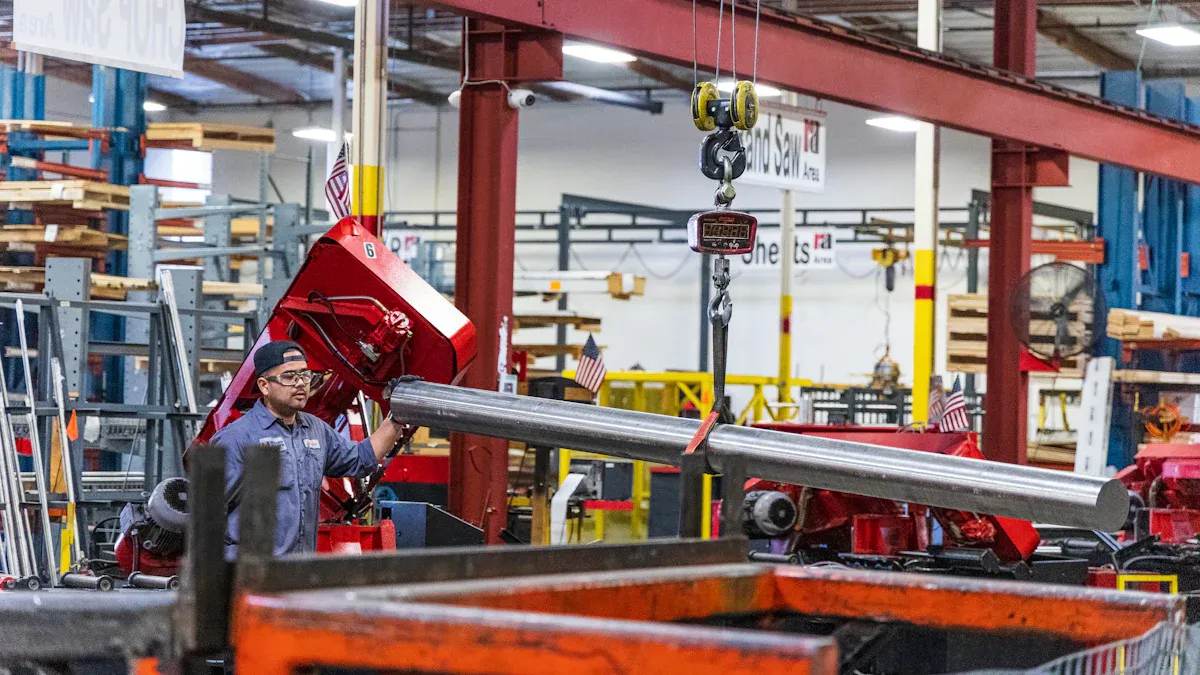
You face new risks and opportunities in today’s Manufacturing Supply Chain. Reshoring means bringing production back closer to you, which helps you control costs and respond faster to market changes. Many executives now expect supply chains to shift from Asia to the Americas. You can reduce delays, unlock value, and align with customer values. Reshoring also lowers dependencies on distant markets and helps you manage geopolitical risks. Strategic logistics partners and advanced infrastructure make these moves possible.
Key Takeaways
Reshoring brings production closer to home, allowing for better control over costs and faster responses to market changes.
Understanding the difference between reshoring and nearshoring helps you choose the best strategy for your supply chain needs.
Investing in technology and automation can enhance production speed and quality, making reshoring more effective.
Building strong relationships with local suppliers fosters innovation and improves supply chain resilience.
Sustainability is a key factor in reshoring decisions, as it aligns with customer values and reduces environmental impact.
Reshoring Overview

Definition
You may hear the term "reshoring" often in discussions about the Manufacturing Supply Chain. Reshoring means moving production and operations back to your home country. You bring factories, jobs, and suppliers closer to your business. This strategy helps you gain more control over your products and processes. You can respond quickly to changes in demand. You also reduce risks from long shipping routes and global disruptions. Many companies choose reshoring to improve quality, meet regulations, and support local economies.
Tip: Reshoring can help you build a stronger and more reliable supply chain. You can avoid delays and keep your customers happy.
Reshoring vs. Nearshoring
You might wonder how reshoring compares to nearshoring. Nearshoring means moving production to a nearby country instead of bringing it all the way home. Both strategies help you reduce risks and improve speed. However, they offer different outcomes for your Manufacturing Supply Chain.
Here is a simple table to show the main differences:
Aspect | Reshoring | Nearshoring |
|---|---|---|
Cost Efficiency | Higher labor costs offset by reduced shipping risks | Balances affordable labor with lower logistics costs |
Supply Chain Resilience | Complete control over production, eliminates global transport uncertainties | Maintains regional continuity without high costs |
Speed and Agility | Quicker responses to market changes due to localization | Shorter delivery timelines with regional flexibility |
Sustainability Goals | Reduces carbon emissions by cutting global shipping | Shortens transportation distances, aiding sustainability |
You get full control with reshoring, but you may pay more for labor. Nearshoring gives you a balance between cost and speed. Both options help you build a supply chain that is safer and more flexible.
Manufacturing Supply Chain Drivers
Cost and Risk
You face many cost factors when you decide where to manufacture your products. Rising labor costs in offshore locations make overseas production less attractive. You also deal with hidden costs that can surprise you, such as extra fees or unexpected delays. Shipping and long lead times add more expenses and slow down your response to market changes. Government incentives can help you save money if you bring production closer to home. You also need to think about supply chain resilience. Building a strong Manufacturing Supply Chain helps you avoid disruptions and keep your business running smoothly.
Here is a table that shows the main cost factors:
Cost Factor | Description |
|---|---|
Rising Labor Costs | Wages are increasing in many offshore countries. |
Hidden Costs | You may face extra expenses that you did not expect. |
Shipping and Lead Times | Local production reduces shipping costs and speeds up delivery. |
You also need to compare risks. Offshore supply chains often depend on single sources, which can make your business vulnerable. Reshoring lets you diversify your supply network and improve quality control. You get shorter lead times and better communication with local suppliers. You also gain more visibility and compliance oversight.
Geopolitical Factors
You see many geopolitical events that push companies to rethink their supply chains. Tariffs on steel and aluminum have led some firms to move production back to their home country. Automotive suppliers in Germany and Asia have responded to new trade rules by opening facilities in the United States. Many companies want to avoid risks from changing policies and international tensions. Reports show that almost one-third of U.S. companies have brought sourcing or production home in recent years. Over a third have shifted away from China, showing a big change in sourcing strategies.
Note: Geopolitical changes can quickly impact your Manufacturing Supply Chain. Staying flexible helps you respond to new rules and market demands.
Customer Demands
You notice that customers want products made closer to home. Many people prefer items labeled "Made in America" because they trust local quality. This demand encourages companies to reshore their operations. When you meet these expectations, you build brand loyalty and attract more buyers. Studies show that positive attitudes toward reshoring lead to stronger market responses and higher sales. Customers reward companies that listen to their preferences and invest in domestic manufacturing.
Here is a table that highlights how customer demands influence reshoring:
Source | Key Insight |
|---|---|
Reshoring: The Essential Guide to Bringing Manufacturing Home | Customers want local products, which drives reshoring decisions. |
Reshoring and Domestic Manufacturing Incentives | "Made in America" boosts brand loyalty and motivates companies to reshore. |
Reshoring from a demand-side perspective | Positive attitudes toward reshoring increase market responses and sales. |
Benefits of Reshoring
Supply Chain Control
You gain more control over your Manufacturing Supply Chain when you reshore production. Local operations let you oversee every step, from sourcing materials to final delivery. You can spot problems early and fix them quickly. Reshoring helps you build a stronger supply chain that can handle disruptions. You also get shorter lead times, which means your products reach customers faster.
Here is a table showing how reshoring improves supply chain control:
Improvement Type | Description |
|---|---|
Increased Resilience | Reshoring builds a robust supply chain that withstands disruptions. |
Shorter Lead Times | Domestic manufacturing reduces the time from production to delivery. |
Better Oversight of Quality | You gain enhanced control over product quality with local production. |
You also benefit from better resilience against geopolitical instability. You can adapt quickly to market changes and reduce long-term costs.
Quality and Compliance
You improve product quality and meet industry standards more easily when you reshore. Local suppliers work under familiar regulations, so you know what to expect. You can check vendors closely and make sure they follow legal and ethical rules. Domestic partners use established quality systems and keep good records. This makes compliance simpler and more reliable.
Here is a table that shows how reshoring affects compliance:
Compliance Factor | Impact |
|---|---|
Regulatory Framework | Local partners operate under familiar rules, making compliance easier. |
Quality Systems | Domestic suppliers use proven systems and documentation practices. |
Due Diligence | You can check vendors thoroughly to ensure legal and ethical standards are met. |
Speed and Flexibility
You respond faster to customer needs when you reshore your supply chain. Local suppliers offer shorter delivery times and greater flexibility. You can change production quickly to match market trends. Lower transportation costs and faster shipping help you deliver products sooner. You also gain better visibility and can focus on sustainability.
Local suppliers give you flexibility and quick delivery.
Faster time to market increases your pricing power.
You can adapt production to meet customer preferences.
Improved quality and flexibility help you stay competitive.
Tip: Reshoring boosts your ability to meet demand and adjust to changes, giving you an edge in the market.
Reshoring Challenges
Labor and Skills
You may face labor and skills gaps when you bring manufacturing back home. Many companies struggle to find enough workers with the right experience. Local labor often costs more and is harder to find. You need advanced technical skills for modern factories, such as AI, CNC programming, and robotics. The workforce is aging, and many skilled workers are retiring. This leads to a loss of knowledge and experience. Training and keeping new workers is difficult, especially as technology changes quickly.
Labor and Skills Gaps | Description |
|---|---|
Local labor is more expensive and harder to find, creating challenges for manufacturers. | |
Need for Advanced Technical Skills | Critical skills in advanced manufacturing such as AI, CNC programming, and robotics are lacking. |
Aging Workforce | The retirement of baby boomers is leading to a loss of institutional knowledge and skilled labor. |
Recruitment and Retention | Companies face difficulties in training and retaining skilled workers, exacerbated by rapid retirements. |
Technological Development | The speed of technological advancements is outpacing the training provided by educational institutions. |
Tip: You can partner with local schools and training centers to help close these gaps and build a stronger workforce.
Regulations
You must navigate a complex regulatory environment when you reshore your supply chain. Tariff policies change quickly and make long-term planning hard. Political cycles often influence these rules, which adds uncertainty. Some governments offer incentives for domestic production, which can help you. You need strong conditions for entrepreneurship and a stable investment climate. A predictable regulatory environment makes reshoring easier for manufacturers.
Unpredictable implementation of tariff policies complicates planning.
Political volatility creates regulatory unpredictability.
Access to incentives from local and national governments can support reshoring.
Strong conditions for entrepreneurship and a stable investment environment encourage reshoring.
A predictable regulatory environment that incentivizes domestic investments is necessary for manufacturers.
Note: You should stay informed about policy changes and seek expert advice to make the most of available incentives.
Logistics and Infrastructure
You may encounter infrastructure challenges when you reshore manufacturing. Labor shortages affect not only factories but also warehouses and distribution centers. Material flow can become complicated as trade policies shift. Many regions have outdated infrastructure that cannot support modern manufacturing needs. Power generation and logistics systems may not meet the demands of new technologies.
The American Society of Civil Engineers rated the U.S. energy infrastructure at D+, showing major problems in the power grid. Modern manufacturing, especially with AI, needs more electricity than the current grid can provide. The ASCE also gave the nation's overall infrastructure a C-minus, which means investment is not keeping up with needs. You must consider these factors when planning your reshoring strategy.
Callout: You can work with logistics partners who invest in advanced infrastructure and technology to overcome these challenges and support your supply chain goals.
Reshoring Strategies
Supply Chain Assessment
You need a clear plan before you move production closer to home. A supply chain assessment helps you understand your current network and spot areas for improvement. You can follow these steps to guide your assessment:
Define Scope and Goals
Set your objectives. Gather data about your supply chain. Decide what you want to achieve with reshoring.Map Your Supply Chain Network
Identify all stakeholders. Visualize how your product moves from start to finish. This helps you see risks and bottlenecks.Identify Critical Vulnerabilities
Look for weak points inside and outside your company. Check for risks that could slow down operations or increase costs.Leverage Technology and Data for Insights
Use digital tools to get real-time information. Analytics help you make better decisions and respond quickly to changes.
Tip: You can work with logistics partners like JUSDA Europe to access advanced warehousing, real-time inventory systems, and cross-border logistics. These resources give you more control and visibility during your assessment.
Technology and Automation
You can boost your reshoring success by adopting new technologies and automation. Automation improves production speed, quality, and efficiency. You can use robots, smart warehouses, and digital tracking to make your operations faster and more reliable. Automation also helps you solve labor shortages and keep costs low.
JUSDA Europe uses autonomous mobile robots and advanced warehouse management systems. These tools support fast order picking, safe handling, and accurate inventory tracking. You get higher throughput and consistent product quality. Automation lets you compete with overseas manufacturers and respond quickly to customer needs.
Note: Technology adoption gives you an edge in the Manufacturing Supply Chain. You can deliver products faster and keep your quality high.
Strategic Sourcing
You need strong sourcing strategies to make reshoring work. Building good relationships with suppliers helps you innovate and solve problems together. You can use technology to connect your data and streamline procurement. Risk management tools help you prepare for disruptions and keep your supply chain running smoothly.
Build strong supplier relationships. Work closely with your partners to understand their strengths.
Use technology for data integration. Centralized systems make it easier to track orders and manage inventory.
Implement risk management strategies. Predictive analytics and scenario planning help you stay ready for changes.
JUSDA Europe offers tailored sourcing solutions, including vendor managed inventory and customs support. You can benefit from their experience in handling complex supply chains and specialized products.

JUSDA Solutions
To provide you with professional solutions and quotations.
Tip: Strategic sourcing helps you stay flexible and resilient. You can adapt quickly to market changes and customer demands.
Decentralized Manufacturing and Asset-Light Models
You can improve your supply chain by using decentralized manufacturing. This means setting up smaller production sites closer to your customers. Localized production reduces transportation costs and lets you respond faster to market changes. You also lower your environmental impact by making products near where they are needed.
"This approach fosters agility, allowing for smaller-scale more localized production. When done well, it can reduce transportation costs, enable quicker response to market demand, and lower environmental impact through more localized production."
Many companies now use asset-light models. You can rent facilities or partner with logistics providers instead of owning everything. This gives you more flexibility and reduces your investment risk. JUSDA Europe’s network of advanced warehouses and logistics hubs supports asset-light strategies. You can scale your operations up or down as needed.
You can use decentralized manufacturing and asset-light models to build a resilient and efficient supply chain. These strategies help you adapt to global disruptions and meet evolving customer needs.
Manufacturing Supply Chain Case Studies
Automotive Sector
You see many changes in the automotive industry as companies bring production closer to home. Car makers want to reduce risks and respond faster to customer needs. They use reshoring to control quality and shorten delivery times. You can learn from their approach.
JUSDA Europe supports automotive companies with advanced logistics and warehousing. For example, JUSDA Europe’s battery warehouse in Dašice helps electric vehicle makers store and manage lithium-ion batteries safely. This warehouse uses special fire safety systems and holds certifications like ISO 9001, ISO 14001, and TAPA A. These certifications show that the facility meets high standards for quality, safety, and the environment.
When you use a certified warehouse, you gain trust and meet strict industry rules. ISO certification is now a basic requirement for many automotive suppliers. It helps you keep products consistent and traceable.
JUSDA Europe’s network of warehouses in Central Europe gives you fast access to key markets. You can deliver parts and batteries quickly to car factories. This reduces lead times and helps you avoid delays. The company’s advanced infrastructure, including modern transport and digital systems, supports smooth operations. You can track your inventory in real time and respond to changes in demand.
ISO-certified companies in the automotive sector often see higher revenue and lower costs.
You can use JUSDA Europe’s value-added services, such as kitting and repackaging, to prepare parts for assembly lines.
Modern logistics hubs help you manage returns and repairs, making your supply chain more flexible.
Electronics and Energy
Electronics and energy companies also benefit from reshoring. You can see how moving production closer to home brings many advantages. Companies that reshore often face fewer disruptions and solve problems faster.
Here is a table that shows the main benefits for electronics and energy firms:
Benefit | Description |
|---|---|
Cost Efficiency | Domestic production reduces costs related to time and money when addressing issues. |
Improved Collaboration | Working in similar time zones enhances communication and real-time monitoring. |
Reduced Financial Incentives | Foreign countries are offering fewer incentives, making reshoring more attractive. |
Government Support | U.S. government initiatives are encouraging the return of manufacturing jobs through subsidies. |
You can also look at these facts:
80% of firms faced disruptions during the pandemic.
Companies with U.S.-based production had 40% fewer issues.
Reshoring reduces lead times from 6 weeks to 6 days.
JUSDA Europe’s battery warehouse in Dašice is a good example for the energy sector. This facility stores batteries for electric vehicles and energy storage systems. The warehouse uses advanced safety systems and holds top certifications. You can trust that your products stay safe and meet all legal requirements.
Advanced infrastructure is key for reshoring. Modern warehouses and transport networks help you avoid bottlenecks and keep your supply chain running smoothly. Upgraded roads and railways support higher freight volumes and reduce delays.
You also protect your innovations when you reshore. Domestic production lowers the risk of intellectual property theft. This is important for high-tech products, where losing secrets can cost billions each year.
Many electronics and energy companies now:
Move operations closer to home.
Find new business opportunities as large manufacturers return.
Build stronger relationships with suppliers through better communication and transparency.
You can see that certifications like ISO 9001 help you meet industry standards. They show that your processes are consistent and reliable. ISO-certified companies often report higher revenue and lower costs within a few years.
Tip: When you choose partners with advanced infrastructure and strong certifications, you build a supply chain that is ready for the future.
Future Trends
Digital and Smart Manufacturing
You see digital transformation changing how companies reshore their supply chains. Many businesses now reevaluate their processes and upgrade their technology. You can use ERP systems to make your operations more efficient. Real-time data helps you make better decisions and track your products from start to finish.
Here are some key digital trends shaping reshoring:
AI-powered planning helps you optimize local production and cut costs.
Industrial automation and robotics reduce labor challenges and improve speed.
Digital twins let you test and improve your processes without risk.
Smart factories use IIoT devices to give you real-time control over operations.
Digital platforms help you build strong local supply chain ecosystems.
You can see how technology makes reshoring easier and more effective. The table below shows how different technologies impact your supply chain:
Technology | Impact on Reshoring |
|---|---|
AI-driven production lines | Automates assembly processes, enhancing efficiency. |
Predictive maintenance | Uses IoT sensors to minimize downtime. |
Supply chain analytics | Powered by blockchain to track parts manufacturing. |
JUSDA Europe invests in smart warehousing, automation, and digital inventory systems. These tools give you better visibility and control, making your supply chain more agile.
Tip: You can use digital tools to improve efficiency and respond quickly to market changes.
Sustainability
You notice that sustainability now plays a big role in reshoring decisions. Many companies choose locations that support clean energy and offer a diverse workforce. You can align your supply chain with your ESG goals by picking partners who value environmental and social responsibility.
JUSDA Europe’s strategic vision includes expanding intermodal solutions and focusing on sustainable transport. You benefit from lower emissions and more efficient logistics. The company’s commitment to ESG means you can meet your sustainability targets while building a resilient supply chain.
You can reduce your carbon footprint by using advanced transport options.
ESG criteria help you choose partners who share your values.
Sustainable practices make your supply chain future-ready.
Note: You build trust and meet customer expectations when you focus on sustainability and responsible growth.
You can strengthen your supply chain by planning carefully and using new technology. Strategic logistics partners help you find space, manage goods, and solve problems quickly. To succeed, you should:
Assess your costs and risks with smart tools.
Build strong ties with local suppliers.
Invest in automation and workforce training.
Create a clear action plan.
Reshoring is now a common strategy. Companies want faster service and better control. You can prepare for the future by focusing on quality and working closer to home.
Year | Trend Description |
|---|---|
2025 | Reshoring is a widespread movement. Companies seek more control and less reliance on foreign suppliers. |
FAQ
What does reshoring mean for your supply chain?
Reshoring means you move production back to your home country. You gain more control, reduce risks, and respond faster to market changes. This strategy helps you build a stronger and more reliable supply chain.
How can technology help you succeed with reshoring?
You use automation and smart systems to boost speed and accuracy. Robots and digital tools help you track inventory and improve quality. Technology makes your supply chain more efficient and flexible.
Why should you choose a logistics partner like JUSDA Europe?
You benefit from advanced warehouses, real-time tracking, and certified facilities. JUSDA Europe helps you manage goods, customs, and transport across Europe. You get reliable support for your reshoring strategy.
How does reshoring support sustainability goals?
You lower your carbon footprint by reducing long-distance shipping. Local production uses less energy and creates fewer emissions. Reshoring helps you meet environmental targets and build a greener supply chain.
See Also
Enhancing Supply Chain Strategies for Advanced Manufacturing Challenges
Essential Strategies for Achieving Success in Manufacturing
Discover 5 Cutting-Edge Techniques for Supply Chain Efficiency
Addressing Global Supply Chain Growth Challenges Effectively
Best Practices for Ensuring Success in Supply Chain Optimization