Mastering Air Freight Forwarding for Efficient Cargo Shipping


Air freight forwarding plays a vital role in international shipping by ensuring the fastest shipping method for businesses. It involves the transportation of goods via air freight services, offering unmatched speed and reliability. This method supports industries with time-sensitive demands, such as electronics and pharmaceuticals, by reducing delays and enhancing supply chain efficiency. The global air freight market, valued at USD 110.74 billion in 2024, is projected to grow steadily, reflecting its importance in global trade. By connecting continents and enabling just-in-time manufacturing, air freight forwarding ensures seamless operations and boosts competitiveness.
Key Takeaways
Air freight is the quickest way to ship items fast.
Picking a good carrier and packing well are very important.
Using tech tools and combining shipments saves time and money.
Benefits of Air Freight Forwarding
Speed and time efficiency
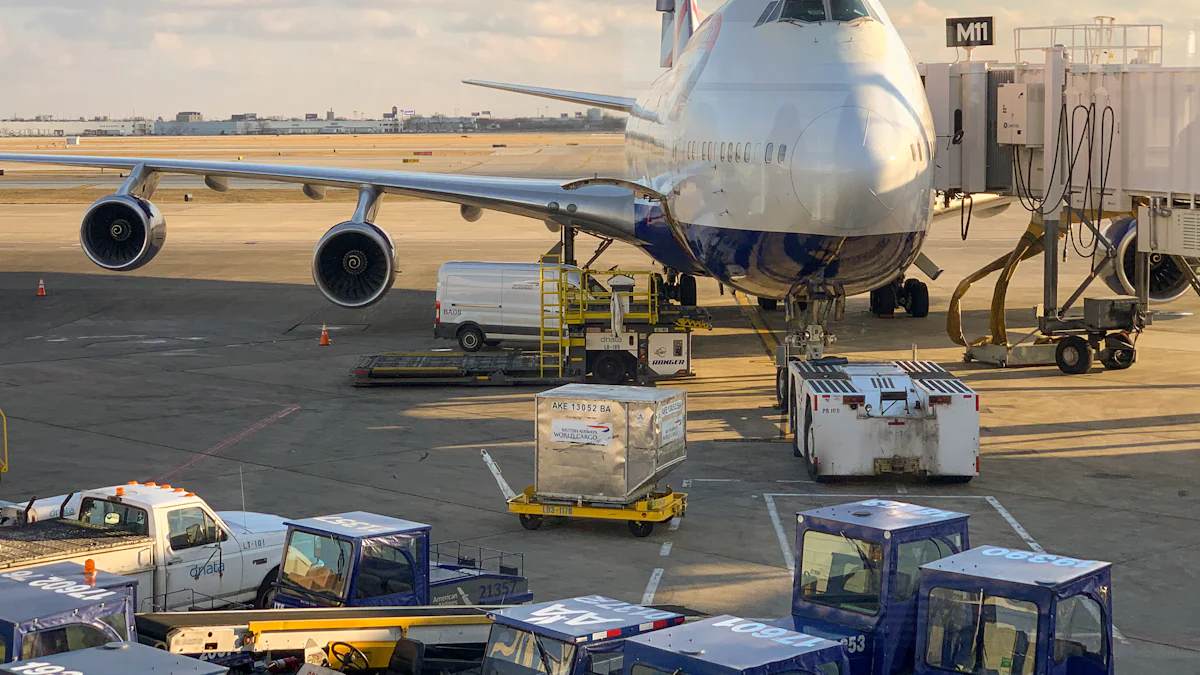
Air freight offers unmatched speed, making it the fastest mode of transportation for goods. This efficiency is crucial for businesses handling urgent shipments or time-sensitive products. Unlike road or sea freight, air freight ensures that goods reach their destination in a fraction of the time. Flights operate on fixed schedules, providing consistent delivery timelines. While air freight may cost more than other methods, the time saved often outweighs the expense, especially for industries like e-commerce and manufacturing that rely on rapid delivery.
Reliability and reduced risk of delays
Air freight forwarding stands out for its reliability. Airlines follow strict schedules, ensuring timely deliveries. This consistency minimizes delays, which is vital for maintaining customer satisfaction. Airports also enforce stringent security measures, protecting goods during transit. Additionally, air freight can handle diverse cargo types efficiently, making it a dependable choice for businesses. Whether you need to ship electronics, pharmaceuticals, or perishable items, air freight ensures your goods arrive safely and on time.
Global reach and accessibility
Air freight forwarding connects businesses to markets worldwide. Its global reach supports industries in regions like North America, Asia Pacific, and Europe. For example:
Region | Key Advantages |
|---|---|
North America | Dominates with 36.4% market share; strong presence of airlines like FedEx and UPS. |
Asia Pacific | Fastest-growing market; major exporters like China and Japan benefit from industrialization. |
Europe | Offers tailored logistics solutions for industries like fashion and pharmaceuticals. |
This accessibility allows businesses to expand globally, meeting customer demands across continents.
Ideal for high-value or time-sensitive goods
Air freight is the preferred choice for shipping high-value or time-sensitive goods. It ensures the safe and quick transportation of items like electronics, luxury goods, and pharmaceuticals. For example:
E-commerce businesses rely on air freight for delivering electronics and luxury items.
Manufacturers use it for time-sensitive components.
Humanitarian aid organizations depend on air freight for medicines and relief supplies.
This capability makes air freight indispensable for industries requiring precision and speed.
How Air Freight Forwarding Works
Booking and selecting the right carrier
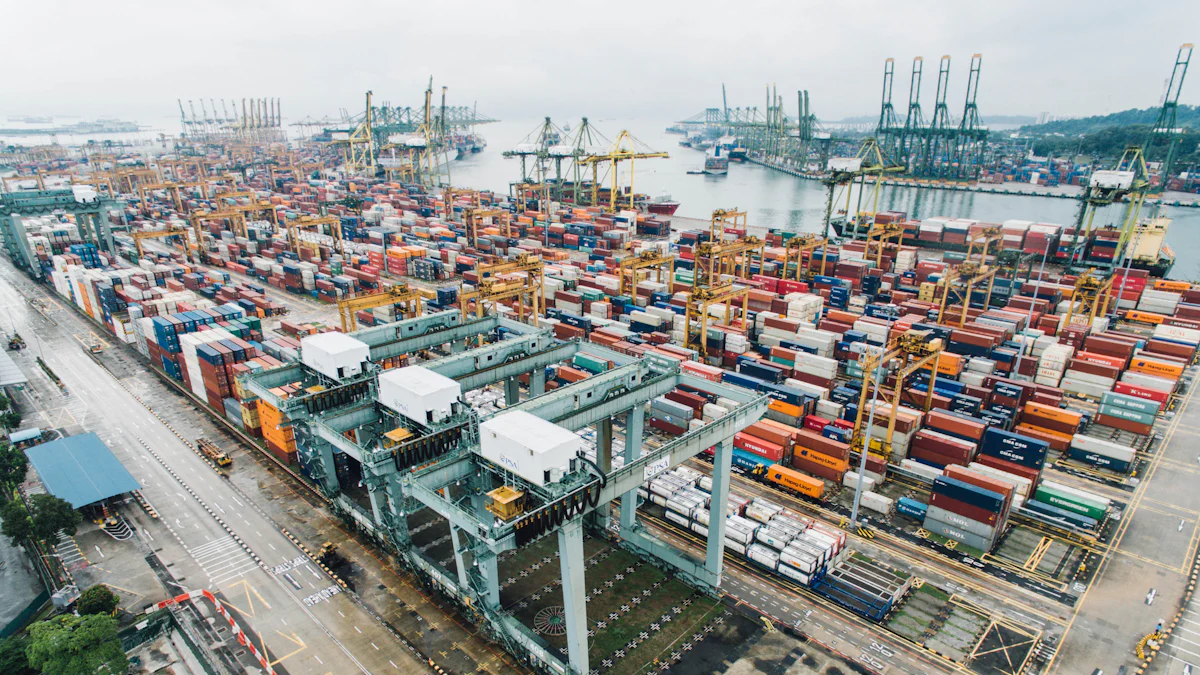
The first step in air freight forwarding involves choosing the right carrier. You should assess the carrier's expertise and industry experience to ensure they can handle your shipment effectively. Evaluate their network coverage to confirm they operate in your required regions. Prioritize carriers with reliable tracking systems and a strong reputation for timely deliveries. When booking, provide accurate details about your cargo, including weight and destination. This ensures the carrier can plan the transportation of goods efficiently. A commitment to excellent customer service is also essential, as it guarantees smooth communication throughout the process.
Packaging and preparing goods for shipment
Proper packaging is crucial for air freight. Individually wrap fragile items with bubble wrap or packing paper to prevent damage. Use a sturdy box that fits your items snugly, leaving space for padding materials like packing peanuts. For delicate goods, consider double boxing, with cushioning between the inner and outer boxes. Reinforce weak points with extra tape and label packages containing fragile items. These steps ensure your shipment remains secure during the transportation of goods.
Customs clearance and documentation
Customs clearance is a critical part of air freight forwarding. It requires compliance with regulations and accurate documentation. Delays often occur due to incomplete paperwork or unfamiliarity with customs procedures. To avoid this, work with experienced freight forwarders or customs brokers. They can help you navigate complex regulations and maintain smooth operations.
Delivery and final-mile logistics
Final-mile logistics determines how efficiently your shipment reaches its destination. Challenges like traffic congestion can delay deliveries. Using technology to optimize routes and manage costs improves delivery performance. This step directly impacts customer satisfaction, making it a vital part of air freight forwarding.
Best Practices for Air Freight
Choosing the right carrier for your needs
Selecting the right carrier is essential for successful air freight forwarding. You should evaluate carriers based on their expertise and experience in handling air freight, especially within your industry. Look for a provider with a comprehensive network that covers your required destinations. Assess their customer service to ensure they respond promptly and professionally to your inquiries. Reliable carriers also offer advanced tracking systems, allowing you to monitor shipments in real time. Prioritize those with a proven record of meeting delivery deadlines and managing disruptions effectively. Additionally, confirm their knowledge of customs regulations to avoid delays during the transportation of goods.
Ensuring proper packaging and labeling
Proper packaging and labeling protect your cargo during transit. Use sturdy boxes and cushioning materials to secure items, especially fragile goods. For hazardous materials, follow safety regulations to ensure compliance with air freight standards. Accurate labeling is equally important. Include sender and receiver details, along with any special handling instructions. This ensures smooth processing and reduces the risk of errors. By taking these steps, you enhance the safety and efficiency of your air freight shipments.
Staying updated on customs regulations
Customs regulations frequently change, making it crucial for you to stay informed. Non-compliance can lead to delays and increased costs. Work with experienced freight forwarders or customs brokers who understand the latest rules. They can help you navigate complex procedures and ensure your documentation is accurate. Staying proactive about regulatory updates minimizes risks and keeps your air freight forwarding operations running smoothly.
Maintaining clear and accurate documentation
Accurate documentation is vital for air freight. Missing or incorrect paperwork can cause delays and disrupt your supply chain. Always double-check shipping documents, including invoices, packing lists, and customs declarations. Use digital tools to streamline the documentation process and reduce errors. Clear records not only ensure compliance but also improve communication with carriers and customs authorities. By maintaining precise documentation, you enhance the reliability of your air freight operations.
Choosing the Right Air Freight Company with JUSDA
Evaluating experience and expertise
When selecting an air freight company, you should prioritize their experience and expertise. Look for a provider with a proven track record in air freight forwarding, especially within your industry. A company with comprehensive network coverage ensures your shipments reach global destinations efficiently. Evaluate their customer service responsiveness and professionalism. Advanced tracking systems are another key factor, as they provide real-time visibility of your cargo. Additionally, assess their reliability by reviewing their history of meeting deadlines and managing disruptions effectively. These factors help you choose a partner that aligns with your business needs.
Comparing costs and service offerings
Air freight costs vary based on factors like cargo weight, volumetric weight, seasonal demand, and destination. For example, shipping costs from China to the USA can range from $2.50 to $5.00 per kilogram. When comparing air freight companies, consider their service offerings. Some provide door-to-door delivery, while others specialize in handling specific cargo types, such as hazardous materials. Detailed tracking options also enhance the shipping experience. By understanding these differences, you can select a company that balances cost and service quality.
Assessing customer service and communication
Effective communication is essential in air freight forwarding. You should evaluate how promptly and professionally a company responds to inquiries. A reliable air freight company provides clear updates throughout the shipping process. Their customer service team should address concerns quickly and offer solutions to potential issues. Strong communication ensures smooth operations and builds trust, making it a critical factor when choosing the right air freight company.
Checking for certifications and compliance
Certifications demonstrate a company’s commitment to quality and compliance. For air freight companies, key certifications include ISO 9001 for quality management, ISO 14001 for environmental standards, and ISO 45001 for occupational health and safety. Additionally, ISO 28000 ensures supply chain security, while ISO 27001 focuses on information security. These certifications highlight a company’s ability to meet industry standards and manage risks effectively. Choosing a certified provider ensures your shipments are handled with professionalism and care.
Strategies to Maximize Efficiency in Air Freight Forwarding
Leveraging consolidated shipping options
Consolidated shipping combines multiple shipments into one, offering several advantages. This approach reduces costs since you only pay for the space your cargo occupies. It also minimizes the risk of damage by limiting handling touchpoints. Additionally, providers plan shipments efficiently, ensuring faster delivery to the market.
Advantage | Explanation |
|---|---|
Cost savings | Shippers pay only for the space their freight occupies by combining multiple shipments into a full truckload. |
Reduced chance of damages | Fewer handling touchpoints lead to a lower risk of product damage during transit. |
Speed to market | Efficient planning by providers allows for quicker delivery of freight to its destination. |
By leveraging consolidated shipping, you can optimize your air freight operations while maintaining cost efficiency.
Using technology for tracking and automation
Technology plays a vital role in improving air freight processes. Automated freight management systems provide real-time tracking, allowing you to monitor cargo at every stage. These systems also reduce delays by optimizing stock levels and ensuring timely order fulfillment. Digital solutions streamline communication and improve documentation accuracy. SaaS platforms offer centralized shipment tracking and invoicing, accessible from anywhere. AI-powered analytics predict shipping costs and transit times, enabling smarter decisions. By adopting these tools, you enhance visibility and reliability in air freight forwarding.
Streamlining documentation processes
Efficient documentation ensures smooth air freight operations. Complete and accurate paperwork, such as commercial invoices and packing lists, reduces delays. Electronic air waybills (eAWB) speed up the process and minimize paper waste. Forwarders also manage documentation to ensure compliance with regulations. By streamlining this step, you avoid disruptions and maintain efficient freight forwarding.
Building strong relationships with forwarders
Strong partnerships with forwarders improve efficiency. Clear communication is essential—provide detailed instructions and regular updates. Engage forwarders early when planning shipments to ensure smooth execution. Long-term partnerships foster trust and reliability, making them strategic allies. Regular performance reviews encourage commitment and continuous improvement. By nurturing these relationships, you create a collaborative environment that benefits your air freight operations.

JUSDA Solutions
To provide you with professional solutions and quotations.
Air freight forwarding offers unmatched speed, reliability, and global accessibility, making it essential for businesses handling high-value or time-sensitive goods. By following best practices like proper packaging, accurate documentation, and selecting the right forwarder, you can ensure smooth operations. To optimize your air freight, consider these actionable steps:
Build strong partnerships with carriers and forwarders.
Leverage technology for tracking and automation.
Consolidate shipments to reduce costs.
Streamline customs procedures for faster clearance.
Diversify transportation modes to enhance flexibility.
These strategies help you reduce costs, improve efficiency, and maintain a competitive edge in freight forwarding.
See Also
Exploring Innovations in Sea Freight Logistics for 2024
Mastering Lean Logistics to Achieve Manufacturing Excellence
A Detailed Look at the Future of LTL Freight