Mastering Lean Logistics Planning for Supply Chain Success

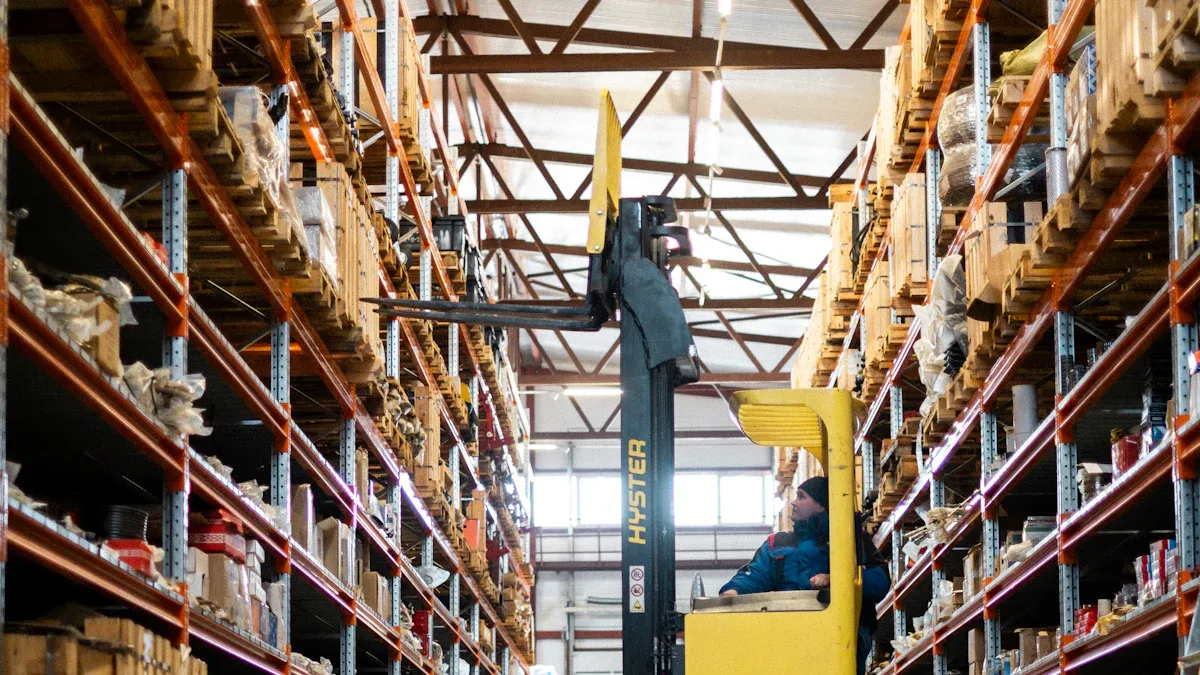
Efficient supply chain management has become the backbone of successful businesses. Lean logistics planning offers companies a proven way to eliminate waste, cut costs, and enhance operational efficiency. By focusing on streamlining processes and optimizing resources, it helps businesses achieve faster deliveries, higher customer satisfaction, and stronger profitability. The question remains: How can organizations effectively implement lean logistics planning to unlock their full potential?
Key Takeaways
Lean logistics removes waste and uses resources wisely to improve supply chains.
Use methods like Kaizen and PDCA to make processes better often.
Use technology and machines to make work faster and cheaper.
Check how the supply chain works with numbers to fix problems.
Focus on customers so the work meets their needs better.
Understanding Lean Logistics Planning
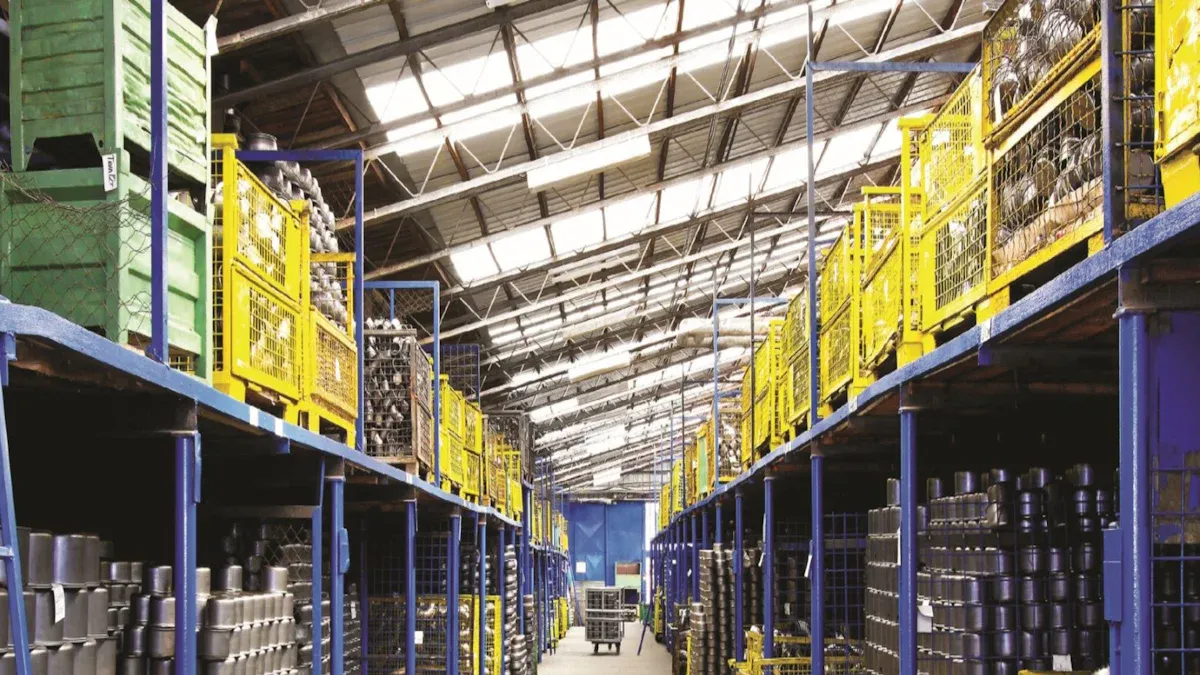
Defining Lean Logistics
Lean logistics focuses on streamlining processes to eliminate waste and maximize efficiency across supply chain operations. It emphasizes delivering value to customers by optimizing resources and reducing non-value-adding activities. Industry and academic literature provide several definitions that highlight its importance:
Definition | Source |
|---|---|
Production has a massive effect on added value for the customer, but other business activities as logistics determine how fast and effectively the company will finally earn money. | Lean Logistics 4.0: concepts and key performance indicators |
The aim of the article is to present the key assumptions of Lean Management, with particular focus on the components of Lean Management System and the assessment matrix of implementation the Lean concept. | Lean Logistics: Helping to Create Value by Bringing People, Information, Plant, Equipment and Materials Together at the Workface |
Logistics has an important role in part of competitive strategies that relates logistics activities. It considers economics dimension such as cost, time and distance. | The Conceptual Framework of Lean Sustainable Logistics |
These definitions underline the critical role of lean logistics in driving operational efficiency and achieving business goals.
Core Principles of Lean Logistics Planning
The key principles of lean logistics revolve around creating a streamlined and cost-effective supply chain. Businesses can achieve this by focusing on the following:
Eliminating Waste: Identifying and removing activities that do not add value to the customer.
Continuous Improvement: Regularly assessing processes to uncover inefficiencies and implement better practices.
Customer-Centric Approach: Ensuring that logistics operations align with customer needs and expectations.
Resource Optimization: Using resources effectively to minimize costs and maximize productivity.
By adhering to these principles, companies can build a robust logistics framework that supports long-term success.
The Role of Lean Logistics in Supply Chain Success
Lean logistics plays a pivotal role in enhancing supply chain management. It eliminates inefficiencies, reduces costs, and improves service speed, which directly impacts customer satisfaction. Businesses that adopt lean logistics planning benefit from:
Resource optimization that minimizes waste and lowers expenses.
Effective planning and allocation of resources, leading to higher productivity.
Streamlined operations that ensure cost savings without compromising efficiency.
Moreover, lean logistics creates an agile supply chain capable of responding quickly to market demands. By focusing on transportation, warehousing, and inventory management, companies can achieve significant cost savings while maintaining operational excellence.
Evaluating Supply Chain Inefficiencies
Identifying Waste and Bottlenecks
Supply chain inefficiencies often stem from waste and bottlenecks that disrupt operations and inflate costs. Businesses must identify these issues to streamline processes and improve performance. Common types of waste include excess inventory, unnecessary transportation, and overproduction. Bottlenecks, such as delays in manufacturing or distribution, further hinder efficiency.
Recent studies highlight trends that help organizations address these challenges:
Trend | Impact on Supply Chain |
|---|---|
Enables swift adjustments to minimize downtime | |
Integration with machine learning | Enhances forecasting accuracy and demand prediction |
Advanced variance decomposition | Identifies sources of variability for targeted interventions |
Enhanced data visualization | Improves decision-making through clearer insights |
Improved forecasting techniques | Reduces surplus inventory and meets customer demand |
By leveraging these advancements, companies can pinpoint inefficiencies and optimize their lean logistics strategies.
Using Metrics to Assess Performance
Metrics play a vital role in evaluating supply chain performance. Logistic Metric Scorecards, featuring KPIs like delivery time, order accuracy, and transportation costs, provide actionable insights. These scorecards, often integrated into dashboards, enable real-time monitoring and data-driven decision-making.
Resilience metrics also help organizations mitigate disruptions. A mathematical model based on inventory theory demonstrates how businesses can restore performance after setbacks. While internal and financial metrics dominate industry reports, external partner perspectives remain underexplored. Addressing this gap can enhance collaboration and overall efficiency.
By adopting robust metrics, companies can refine their lean logistics planning and achieve measurable improvements.
Mapping the Supply Chain for Improvement Opportunities
Supply chain mapping offers a powerful methodology for uncovering inefficiencies and identifying improvement opportunities. This process involves documenting information across suppliers and organizations to create a comprehensive network map. Mapping enhances visibility, reduces risks, and supports better decision-making.
Key benefits of supply chain mapping include:
Creating transparency and visibility in operations.
Identifying and responding to risks, boosting resilience.
Ensuring compliance with legal and ethical standards.
Mapping is not a one-time activity. Businesses must continuously update their supply chain maps to adapt to changing market conditions and maintain sustainable sourcing practices. By integrating mapping into lean logistics planning, companies can build resilient and efficient supply chains.
Implementing Lean Logistics Planning

Optimizing Inventory Management
Effective inventory management lies at the heart of lean logistics. Businesses must strike a balance between maintaining sufficient stock levels to meet customer demand and avoiding excess inventory that ties up capital and increases storage costs. Lean logistics emphasizes minimizing waste while ensuring inventory availability.
Several companies have achieved remarkable results by optimizing inventory management:
A large perishables retailer reduced inventory by 15%, saving $25.2 million in costs.
A $10 billion retailer cut stock levels by 25%, improving inventory availability and reducing shrinkage.
These examples highlight the financial and operational benefits of lean inventory practices. Businesses can adopt strategies such as just-in-time (JIT) inventory systems, demand forecasting, and real-time inventory tracking to optimize supply chain efficiency. By leveraging technology, companies can monitor stock levels, predict demand fluctuations, and avoid overstocking or understocking.
Tip: Implementing automated inventory management systems can enhance accuracy and reduce manual errors, further supporting lean logistics goals.
Streamlining Transportation and Routes
Transportation plays a critical role in lean logistics planning. Inefficient routes and poorly managed transportation networks can lead to higher costs, delayed deliveries, and dissatisfied customers. Streamlining transportation ensures that goods move efficiently through the supply chain, reducing waste and improving service quality.
Key metrics can help measure the efficiency of transportation and routing efforts:
Metric | Description |
|---|---|
Delivery Time | Measures the time taken to deliver goods to customers. |
Order Accuracy | Assesses the correctness of orders fulfilled. |
Transportation Costs | Evaluates the expenses associated with transporting goods. |
Inventory Turnover Rate | Indicates how quickly inventory is sold and replaced. |
Customer Satisfaction | Gauges customer contentment with the service provided. |
For instance, a retailer facing inconsistent delivery times used logistics performance metrics to identify that 30% of shipments were delayed at a specific warehouse. This insight enabled targeted interventions, leading to improved efficiency and customer satisfaction.
Businesses can also adopt route optimization software to identify the most efficient paths for deliveries. These tools consider factors such as traffic patterns, fuel consumption, and delivery windows to minimize costs and enhance reliability.
Note: Performance benchmarking and cost analysis can further refine transportation strategies, ensuring alignment with lean logistics principles.
Enhancing Warehouse Efficiency
Warehouses serve as critical hubs in the supply chain, making their efficiency a top priority for lean logistics. Poorly organized warehouses lead to wasted time, increased labor costs, and delayed order fulfillment. Lean logistics focuses on optimizing warehouse operations to maximize productivity and minimize waste.
Benchmark statistics demonstrate the impact of lean logistics on warehouse efficiency:
Metric | Description |
|---|---|
Order Accuracy | Measures the percentage of correctly fulfilled orders, impacting customer satisfaction and returns. |
Warehouse Space Utilization | Assesses the effectiveness of warehouse space usage, indicating layout efficiency and operational flow. |
Labor Productivity | Evaluates employee output relative to labor hours, reflecting process efficiency and workflow. |
Waste Reduction Levels | Monitors reductions in non-value-adding activities, ensuring lean principles are upheld. |
To enhance warehouse efficiency, businesses can implement strategies such as:
Reorganizing layouts to reduce travel time and improve workflow.
Adopting automation for repetitive tasks like picking and packing.
Training employees to follow lean practices and prioritize accuracy.
By focusing on these areas, companies can create streamlined warehouse operations that align with lean logistics planning. This not only reduces costs but also ensures faster order fulfillment and higher customer satisfaction.
Leveraging Technology and Automation
Technology and automation have revolutionized logistics operations, enabling businesses to achieve unprecedented levels of efficiency and accuracy. By integrating advanced tools and systems, companies can streamline processes, reduce costs, and enhance customer satisfaction. Lean logistics planning thrives on leveraging these innovations to eliminate waste and optimize workflows.
Key Technological Advancements Driving Efficiency
Modern logistics operations benefit from several groundbreaking technologies. These advancements have demonstrated measurable impacts on automation and overall logistics efficiency:
Technological Advancement | Impact on Logistics Efficiency |
|---|---|
AI-driven route optimization | Enables faster deliveries with less fuel consumption and more accurate delivery time windows. |
Robotic Process Automation (RPA) | Expected to transform supply chains by automating repetitive tasks, improving productivity and efficiency. |
Warehouse automation | Robots can manage inventory, pick and pack orders, and optimize storage layouts, enhancing operational efficiency. |
Drones and autonomous vehicles | Contribute to faster delivery times and reduced operational costs through efficient transportation methods. |
These technologies empower businesses to create lean logistics systems that prioritize speed, accuracy, and cost-effectiveness.
Real-World Impacts of Automation
Automation has become a cornerstone of lean logistics. Industry data reveals its transformative potential:
60% of companies anticipate RPA to reshape supply chains by 2025.
44% of executives report cost reductions due to AI adoption.
AI has boosted field worker productivity by 20% to 30%.
By adopting these technologies, businesses can reduce manual errors, optimize resource allocation, and enhance operational efficiency. For example, AI-driven route optimization ensures timely deliveries while minimizing fuel consumption, aligning perfectly with lean principles.
Tip: Companies should invest in scalable automation solutions to adapt to evolving market demands and maintain a competitive edge.
Applying Continuous Improvement Methodologies
Continuous improvement is a fundamental aspect of lean logistics. It involves regularly assessing and refining processes to eliminate inefficiencies and enhance performance. Businesses that embrace this mindset can build resilient supply chains capable of adapting to changing conditions.
Proven Methodologies for Continuous Improvement
Several methodologies have proven effective in enhancing logistics operations:
Methodology | Description | Benefits |
|---|---|---|
Kaizen | A continuous improvement strategy focusing on small, incremental changes. | Enhances efficiency and reduces waste in logistics operations. |
PDCA | A cyclical process of Plan, Do, Check, Act for continuous improvement. | Helps in detecting inefficiencies and planning solutions. |
Six Sigma | Aims to eliminate defects in processes to ensure quality. | Ensures high customer satisfaction by minimizing errors. |
These methodologies provide structured approaches to identifying and addressing inefficiencies, making them invaluable for lean logistics planning.
Practical Applications in Logistics
Continuous improvement methodologies can be applied across various logistics functions:
Kaizen encourages employees to suggest small changes that collectively lead to significant improvements.
PDCA helps businesses test new strategies, analyze results, and implement successful solutions.
Six Sigma ensures error-free processes, boosting customer satisfaction and reducing costs.
For instance, a company using Kaizen might reorganize its warehouse layout based on employee feedback, reducing travel time and improving order fulfillment speed. Similarly, PDCA can help refine transportation routes to minimize delays and fuel consumption.
Note: Continuous improvement requires a culture of collaboration and innovation. Businesses should empower employees to contribute ideas and take ownership of process enhancements.
Benefits and Challenges of Lean Logistics Planning
Key Advantages of Lean Logistics
Lean logistics offers transformative benefits that drive operational excellence and business growth. By adopting lean logistics planning, companies can achieve measurable improvements across various aspects of their supply chain.
Minimizing inventory risk reduces downtime and storage needs.
Process optimization lowers excess costs and enhances efficiency.
Improved cash flow results from reduced inventory levels.
Faster production and order fulfillment meet customer expectations.
Reduced storage space requirements lower operational expenses.
Enhanced customer satisfaction stems from delivering value more efficiently.
Continuous improvement creates a cycle of innovation in business processes.
These advantages highlight the power of lean logistics in creating streamlined operations that prioritize customer value. Businesses that embrace these principles can build resilient supply chains capable of adapting to market demands while maintaining profitability.
Overcoming Common Implementation Challenges
While lean logistics delivers significant benefits, implementing its principles can pose challenges. Companies often encounter resistance to change, lack of expertise, and difficulties in aligning processes with lean methodologies. Addressing these obstacles requires strategic planning and a commitment to continuous improvement.
Strategies to Overcome Challenges:
Employee Training: Equip teams with the knowledge and skills needed to adopt lean practices. Training programs foster a culture of collaboration and innovation.
Leadership Support: Strong leadership ensures alignment between organizational goals and lean logistics principles. Leaders must champion change and provide resources for successful implementation.
Technology Integration: Advanced tools like AI-driven route optimization and warehouse automation simplify complex processes and reduce errors.
Incremental Changes: Implementing small, manageable changes minimizes disruption and builds momentum for larger transformations.
By addressing these challenges proactively, businesses can unlock the full potential of lean logistics and achieve sustainable success.
Real-World Success Stories in Lean Logistics
Lean logistics has proven its effectiveness in real-world scenarios, delivering remarkable results across industries. One notable example comes from a port terminal in Brazil. By implementing lean logistics principles, the terminal achieved significant improvements in road flow management. This transformation reduced congestion, enhanced operational efficiency, and improved customer satisfaction.
Other success stories demonstrate the versatility of lean logistics:
A global retailer optimized inventory management, reducing stock levels by 25% and saving millions in costs.
A manufacturing company adopted lean transportation strategies, cutting delivery times by 30% and boosting customer loyalty.
A logistics provider leveraged automation to streamline warehouse operations, achieving a 20% increase in productivity.
These examples underscore the tangible benefits of lean logistics planning. Businesses that prioritize efficiency and customer value can achieve similar success, positioning themselves as leaders in their industries.
Lean logistics planning is essential for achieving supply chain efficiency and long-term success. It reduces waste, optimizes resources, and enhances customer satisfaction. Businesses must embrace continuous improvement methodologies like the PDCA cycle to adapt and thrive. This structured approach fosters accountability, agility, and a culture of learning, ensuring sustained performance gains.
Tip: Modern software solutions can replace outdated tools, automating processes and minimizing manual errors. Companies should act now to integrate lean logistics principles, leveraging technology and innovation to stay competitive in a dynamic market.
By taking these steps, businesses can unlock their full potential and lead their industries with confidence.
FAQ
What is the first step in implementing lean logistics planning?
The first step involves identifying inefficiencies in the supply chain. Businesses should map their processes, pinpoint waste, and analyze bottlenecks. This creates a clear starting point for improvement.
Tip: Use tools like supply chain mapping software to visualize inefficiencies and opportunities.
How does lean logistics improve customer satisfaction?
Lean logistics ensures faster deliveries, accurate orders, and reduced costs. These improvements directly enhance the customer experience by meeting expectations efficiently.
Emoji Insight: 🚚 Faster deliveries = Happier customers!
Can small businesses benefit from lean logistics?
Yes, lean logistics is scalable. Small businesses can adopt simple strategies like just-in-time inventory or route optimization to reduce costs and improve efficiency.
Note: Start small and expand lean practices as the business grows.
What role does technology play in lean logistics?
Technology automates repetitive tasks, optimizes routes, and enhances inventory management. Tools like AI and warehouse automation reduce errors and improve efficiency.
Example: AI-driven route optimization minimizes fuel costs and ensures timely deliveries.
How often should businesses review their lean logistics strategies?
Continuous improvement is key. Businesses should review strategies regularly, ideally quarterly, to adapt to market changes and maintain efficiency.
Callout: Regular reviews ensure the supply chain stays agile and competitive.
See Also
Achieving Success in High-Tech Manufacturing Through Lean Logistics
Unlocking Logistics Savings: Tips for Supply Chain Effectiveness
Proven Strategies for Successful Supply Chain Optimization
Expert Advice on Managing Risks in Supply Chains
Transforming Logistics Through Innovative Supply Chain Solutions