Mexico’s Nearshoring Surge Reshapes Industrial Real Estate: Warehouse Capacity Strains Amid Manufacturing Relocation and E-Commerce Growth

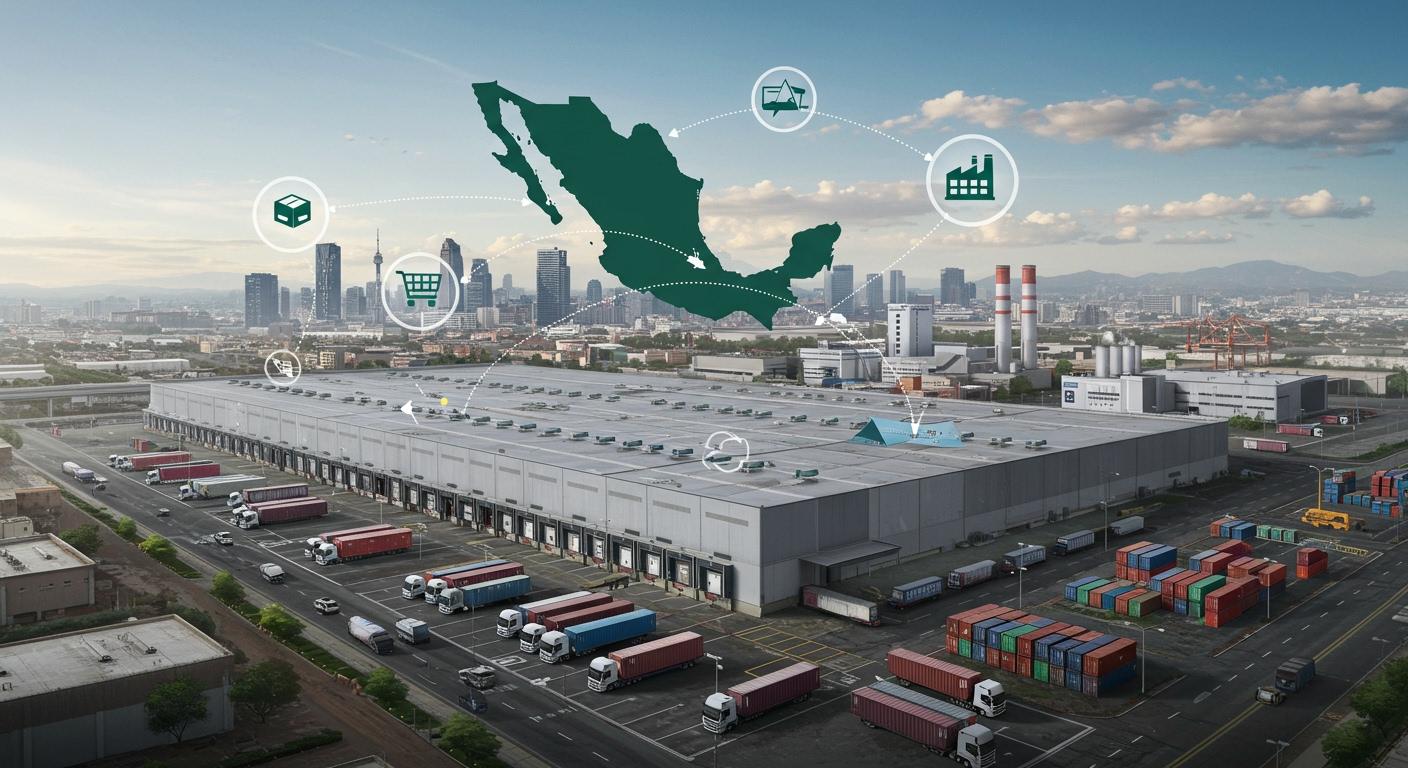
Mexico near-shoring is transforming the industrial real estate landscape, as manufacturing relocation fuels a surge in demand for warehouse capacity. With nearly 80% of U.S. executives planning to move production closer to home, Mexico has emerged as the leading destination for these shifts. Since the implementation of the USMCA in 2020, trade between the U.S. and Mexico has increased by almost 50%. The rapid growth of e-commerce is intensifying the shortage of Class A warehouse spaces and driving up rental costs. To address these pressing challenges, advanced supply chain solutions from JUSDA enable businesses to effectively manage the complexities of Mexico near-shoring, optimize warehouse capacity, and support seamless manufacturing relocation.
Key Takeaways
Near-shoring to Mexico is rapidly increasing as U.S. companies seek to reduce supply chain risks. This shift is driven by economic and geopolitical factors, making Mexico a strategic location for manufacturing.
The demand for warehouse space in Mexico is surging, particularly for Class A facilities. Companies must act quickly to secure space, as vacancy rates are historically low in major cities.
E-commerce growth is reshaping warehouse operations. Companies are investing in advanced technology and automation to meet rising consumer expectations for fast and efficient order fulfillment.
JUSDA offers innovative warehouse solutions that integrate technology and real-time inventory management. These solutions help businesses optimize operations and respond swiftly to market changes.
Investors should consider Mexico's industrial real estate opportunities, driven by government initiatives and strong trade relations with the U.S. Staying informed about market dynamics and compliance is crucial for success.
Mexico Near-Shoring Trends
Drivers of Near-Shoring
Mexico near-shoring has gained momentum due to a mix of economic, geopolitical, and trade policy factors. Companies seek to reduce risks in their supply chains by moving operations closer to the United States. The U.S. has shifted its strategy to de-risk supply chains, moving away from dependence on China and favoring friendly countries like Mexico. This approach addresses national security concerns and leverages Mexico’s proximity and shared economic interests with the U.S.
Mexico’s foreign direct investment reached nearly US$34.3 billion, showing a 10.2% increase and strong investor confidence. The country acts as a bridge between markets, making it a strategic location for near-shoring. Ongoing economic reforms and infrastructure development further improve the investment climate.
The United States-Mexico-Canada Agreement (USMCA) has played a key role in this trend. It provides preferential access to the U.S. market, reduces tariffs, and streamlines customs processes. These changes make Mexico an attractive alternative for companies seeking to optimize their supply chains.
Factor | Description |
|---|---|
USMCA | Provides preferential access to the US market, enhancing Mexico's attractiveness for nearshoring. |
Supply Chain Dependence | Reduces reliance on Chinese supply chains, making Mexico a strategic alternative. |
Economic Stability | Mexico's stable economic environment supports investment and business operations. |
Skilled Labor | Availability of a skilled workforce contributes to operational efficiency. |
Economic Reforms | Ongoing reforms improve the business climate and attract foreign investment. |
Impact on Manufacturing Relocation
Manufacturing relocation to Mexico has transformed the industrial real estate market. Key industries such as automotive, electronics, medical devices, and aerospace have moved production to Mexico. By the end of 2023, U.S. imports from Mexico reached $480 billion, setting a new record. The automotive sector alone accounted for 38% of total demand for industrial spaces.
Industrial space demand surged to 1.7 million square meters, a 14% increase from the previous year. According to the Mexican Association of Private Industrial Parks, at least 450 foreign companies plan to establish operations in Mexico by 2025. This shift has placed immediate pressure on warehouse capacity, as companies compete for space to support their expanded operations.
Warehouse Capacity Challenges
Rising Demand in Mexico
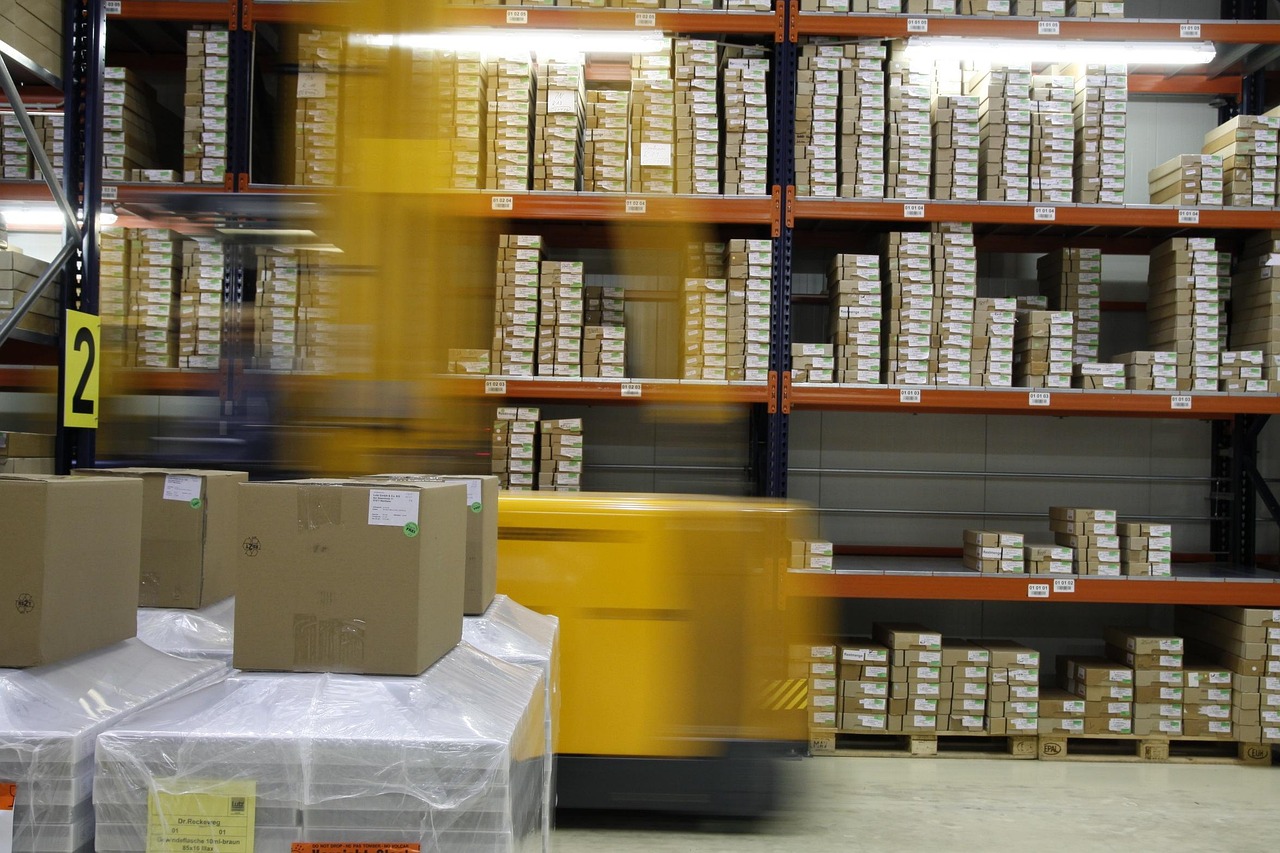
Mexico near-shoring has accelerated the demand for industrial warehouse space. Companies involved in manufacturing relocation seek modern facilities to support expanded operations. The surge in e-commerce has intensified competition for available space, especially in major cities.
The vacancy rates for industrial warehouses in Monterrey, Tijuana, and Mexico City remain historically low. Sustained demand persists despite ongoing construction projects.
In Q2 2025, Mexico City reported a vacancy rate of 1.43%. This figure highlights the difficulty companies face when searching for suitable industrial space.
The following table illustrates the dramatic growth in leased warehouse square footage across key sectors since the near-shoring trend gained momentum:
Sector | Square Footage (2019) | Square Footage (2024) | Growth (%) |
|---|---|---|---|
Automotive | 3 million | 16 million | 433% |
Electronics & Electrical | 3.7 million | 13.2 million | 257% |
Construction Materials | 1.2 million | 6.1 million | 408% |
Logistics & Distribution | 15 million | 29 million | 93% |
Manufacturing relocation has driven this expansion, with automotive and electronics sectors leading the way. The rapid increase in warehouse capacity requirements has outpaced supply, creating a highly competitive market.
Shortages and Cost Pressures
The shortage of Class A warehouse capacity in Mexico has resulted in significant cost pressures for businesses. Manufacturers and e-commerce companies must act quickly to secure available space, often making leasing decisions faster than in previous years.
Tijuana experienced an average annual growth of 12.6% in Class A industrial rental rates from 2020 to 2023. The growth rate slowed to 1.3% from 2023 to 2024, indicating stable but elevated demand.
In Mexicali, rental rates increased from $0.31 per square foot before the pandemic to $0.56 per square foot by Q4 2024. High demand and low vacancy rates have driven these changes.
The shortage of warehouse capacity has led to increased rental prices and higher operational costs. Manufacturers and e-commerce companies face challenges in maintaining supply chain efficiency. Nearshoring continues, but the pace has slowed compared to previous years. Economic uncertainties and protectionist measures in the United States have influenced investment expectations, adding complexity to the supply chain landscape.
Note: Companies must adapt quickly to these market conditions. Strategic planning and advanced supply chain solutions are essential for navigating the evolving industrial real estate environment in Mexico.
JUSDA’s Warehouse Solutions in Mexico
Advanced Technology and Automation
JUSDA delivers advanced warehouse solutions in Mexico by integrating cutting-edge technology and automation into every stage of the supply chain. The company uses intelligent systems to streamline warehouse operations, which helps manufacturers and retailers respond quickly to market changes. Automated picking, packing, and sorting processes reduce manual errors and improve efficiency. JUSDA’s facilities in Juarez and Guadalajara feature modern equipment and digital platforms that support high-volume operations.
The JusLink intelligent supply chain platform connects all warehouse activities with real-time data. This integration allows seamless communication between production, inventory, and distribution. Automated systems monitor inventory levels, track shipments, and manage order fulfillment. As a result, businesses experience fewer delays and greater accuracy in their logistics processes. JUSDA’s focus on technology ensures that warehouse capacity keeps pace with the demands of Mexico near-shoring and manufacturing relocation.
JUSDA’s commitment to automation not only increases operational speed but also enhances flexibility. Companies can scale their operations up or down based on demand, which is essential in today’s fast-changing market.
Real-Time Inventory Management
JUSDA’s real-time inventory management system provides full visibility and control over stock levels. The JusLink platform integrates with ERP and SAP systems, aligning inventory data with production schedules. This synchronization improves order accuracy and reduces lead times for manufacturers and retailers.
The following table highlights how JUSDA’s inventory management technology benefits clients:
Feature | Benefit |
|---|---|
JusLink Platform | Integrates ERP/SAP systems with production schedules |
Real-time Logistics Synchronization | Enhances order accuracy and reduces lead times |
Zero-redundancy Inventory | Streamlines supply chain from components to consumers |
With real-time logistics synchronization, companies can track inventory movement at every stage. Zero-redundancy inventory practices eliminate excess stock, which reduces costs and ensures products move efficiently from suppliers to end customers. JUSDA’s system supports rapid decision-making and helps businesses maintain optimal warehouse capacity.
Companies using JUSDA’s solutions gain a competitive edge by minimizing errors and responding faster to customer needs. This approach supports sustainable growth in Mexico’s dynamic industrial real estate market.
Manufacturing Relocation and Supply Chain Shifts
Logistics Network Evolution
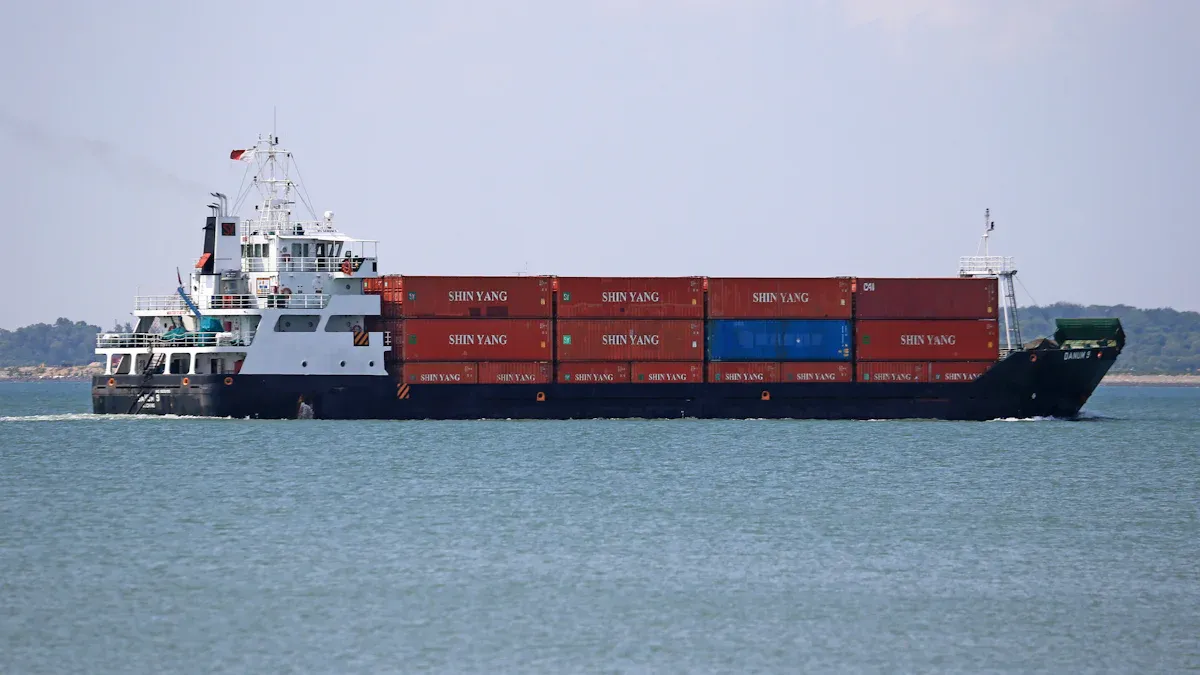
Mexico near-shoring has transformed logistics networks across the region. Companies now benefit from Mexico’s proximity to the United States, which reduces transit times and simplifies logistics. This shift allows businesses to respond quickly to changing market demands. Several factors have contributed to this evolution:
Nearshoring enhances supply chain efficiency by relocating business processes closer to the U.S. market.
Collaboration among government agencies, private companies, and logistics providers drives innovation and infrastructure improvements.
The Mexican government invests in infrastructure and security, streamlining regulatory processes for a favorable business environment.
A skilled workforce, supported by educational partnerships and vocational training, strengthens logistics operations.
Industrial parks, such as Central Business Park, offer advanced facilities and strategic locations for companies establishing a presence.
Despite these advancements, logistics providers face new challenges. The table below outlines some of the main obstacles:
Challenge | Description |
|---|---|
Requires significant funding for new distribution centers and transport routes. | |
Adjustments in Inventory Management | Changes in lead times require updated forecasting and inventory systems. |
Supplier Relocation Complexity | Moving suppliers involves audits and capacity building. |
Trade Regulations and Tariffs | Unpredictable policies complicate planning and cost management. |
Cross-Border Operations
Cross-border operations between Mexico and the United States have become more complex as manufacturing relocation accelerates. Companies must navigate customs compliance, border congestion, and security risks. High trade volumes can cause delays at entry points, making effective scheduling and pre-clearance strategies essential. Security concerns, such as cargo theft, require advanced measures and trusted partnerships.
Products often cross the border multiple times during production, which increases efficiency and lowers costs. Many businesses now use smaller, more frequent shipments to reduce inventory costs. Less-than-truckload (LTL) shipping helps conserve capital and minimize holding expenses. As cross-border services expand, manufacturers leverage Mexico’s production capabilities to optimize supply chains and maintain competitive warehouse capacity.
Note: Effective communication, including bilingual personnel, helps overcome language and cultural barriers, reducing misunderstandings and delays in cross-border logistics.
E-Commerce Growth and Warehouse Needs
Omnichannel Fulfillment
E-commerce in Mexico is expanding at a rapid pace. The country’s e-commerce market is projected to grow at 21.2% annually, reaching a value of $39.3 billion in 2024. This growth places Mexico among the fastest-growing e-commerce markets in Latin America, just behind Brazil and Colombia.
Country | Projected Growth Rate | Market Value (2024) |
|---|---|---|
Brazil | 27% | $52 billion |
Colombia | 27% | N/A |
Argentina | Over 20% | N/A |
Mexico | 21.2% | $39.3 billion |
Retailers in Mexico are transforming their warehouse operations to meet rising consumer expectations. Warehouses now serve as dynamic logistics hubs rather than passive storage spaces. Companies invest in advanced automation and inventory management systems to speed up order fulfillment. Walmart, for example, has built distribution centers equipped with AI and robotics to streamline inventory flow and improve supply chain resilience. Over 83% of products sold by Walmart in Mexico are sourced locally, supporting regionalized logistics models that reduce delivery times and risks.
Omnichannel fulfillment centers differ from traditional warehouses in several ways:
Feature | Omnichannel Fulfillment Centers | Traditional Warehouses |
|---|---|---|
Purpose | Rapid order fulfillment | Long-term storage |
Design | Dynamic layout | Static layout |
Technology | Advanced automation | Basic tracking |
Order Types | E-commerce and bulk | Primarily bulk |
Workforce | Logistics-focused, 24/7 | Customer service roles |
Last-Mile Logistics
Last-mile delivery presents unique challenges in Mexico. Major cities like Mexico City face heavy traffic congestion, which delays deliveries. The last mile can account for up to 53% of total shipping costs. Customers expect fast deliveries, real-time tracking, and flexible schedules. Security issues, such as theft during transportation, also impact costs and trust.
Challenge | Description |
|---|---|
Traffic congestion | Slows delivery in urban areas |
High logistics costs | Last mile is the most expensive segment |
Consumer expectations | Demand for speed and transparency |
Security issues | Theft and loss during transit |
Logistics providers use technology to improve last-mile efficiency. Real-time tracking and route optimization help reduce delays. AI and IoT technologies provide better visibility and proactive management of incidents. Some companies are testing autonomous vehicles and delivery drones to further enhance delivery speed and reliability.
As e-commerce continues to grow, efficient omnichannel fulfillment and last-mile logistics will remain critical for meeting customer expectations and supporting Mexico’s industrial real estate transformation.
JUSDA in North America: Supporting Near-Shoring
Integrated Logistics Services
JUSDA delivers a comprehensive suite of integrated logistics services designed to support companies near-shoring to Mexico. These services address the unique challenges of cross-border trade and manufacturing relocation. JUSDA’s approach ensures that clients experience seamless, secure, and efficient logistics operations between Asia, Mexico, and the United States.
Service Type | Description |
|---|---|
Cross-Border Logistics | Seamless, secure, and efficient solutions for logistics needs between Asia and Mexico. |
Customs Clearance | Management of customs processes to ensure compliance and smooth shipment flow. |
Compliance Management | Ensuring adherence to regulations throughout the logistics process. |
Real-Time Tracking | Providing updates on shipment status to enhance visibility and reliability. |
JUSDA’s solutions integrate ERP and SAP systems with production schedules, which enhances real-time logistics synchronization. This integration enables zero-redundancy inventory from component to manufacturer to consumer, improving efficiency at every stage. Localized hubs in Mexico allow for rapid response and tailored services, which are crucial for manufacturers expanding their global footprint. The JusLink platform provides end-to-end visibility and AI-driven control, helping companies manage disruptions and optimize inventory.
JUSDA’s integrated logistics services help manufacturers in Mexico build resilient supply chains that adapt quickly to market changes.
Risk Management and Compliance
Operating in Mexico’s dynamic logistics environment requires robust risk management and strict compliance. JUSDA implements a multi-layered strategy to protect shipments and ensure regulatory adherence. Companies benefit from comprehensive risk assessment and route planning, which considers cargo theft hotspots and road conditions. Enhanced security protocols, such as secure parking and convoy services, safeguard high-value shipments.
Meticulous documentation and customs management prevent delays at border crossings. JUSDA leverages technology like real-time GPS tracking and geofencing to monitor shipments and respond to incidents. Building strong relationships with reputable carriers and providing driver vetting and training further strengthen security. Insurance coverage addresses specific transportation risks in Mexico. Adapting to local conditions and using Less-Than-Truckload (LTL) services for smaller shipments also enhance security and flexibility.
Comprehensive risk assessment and route planning
Enhanced security protocols for high-value shipments
Meticulous documentation and customs management
Leveraging technology for visibility and security
Building strong carrier relationships
Driver vetting and training
Insurance and liability management
Adapting to local conditions
Considering LTL and consolidation strategies
JUSDA’s risk management and compliance framework ensures that near-shoring clients maintain secure, compliant, and efficient supply chains throughout North America.
Technology and AI in Warehouse Management
JusLink AI Solution
JUSDA uses the JusLink AI Solution to transform warehouse management and supply chain operations. This platform integrates advanced artificial intelligence with digital tools to optimize every stage of the supply chain. JusLink offers six core capabilities:
Supply Chain Trend Analysis: Identifies shifts in demand and supply patterns.
Freight Rate Trend Prediction: Forecasts shipping costs for better budgeting.
Sales Demand Forecasting: Predicts product sales to guide inventory planning.
Replenishment Strategies: Suggests when and how much to restock.
Risk Control Tower: Monitors risks in real time and provides early warnings.
Intelligent Supply Chain Assistant (JusElsa): Uses natural language processing to help users interact with the system easily.
JUSDA connects these features through a unified digital platform. This integration allows companies to manage inventory, shipments, and orders with greater accuracy and speed. The JusLink platform also supports seamless collaboration between suppliers, manufacturers, and logistics teams.
JusLink’s AI-driven approach helps businesses reduce manual work, standardize processes, and improve global supply chain efficiency.
Predictive Analytics and Visibility
Predictive analytics and real-time visibility play a key role in JUSDA’s warehouse management strategy. The JusLink platform uses data from multiple sources to forecast demand, predict freight rates, and monitor risks. This information supports better decision-making and helps companies avoid costly disruptions.
Benefit | Description |
|---|---|
Accurate Demand Forecasting | Prevents overstock and stockouts |
Real-Time Risk Monitoring | Alerts users to potential supply chain issues |
Enhanced Inventory Control | Reduces holding costs and improves efficiency |
Improved Customer Satisfaction | Ensures timely deliveries and reliable service |
JUSDA’s predictive analytics tools enable companies to respond quickly to market changes. Real-time data gives managers the visibility they need to track shipments, manage inventory, and address problems before they escalate. This proactive approach strengthens supply chain resilience and supports business growth.
Future Outlook for Mexico’s Industrial Real Estate
Investment Opportunities
Mexico’s industrial real estate sector stands at a pivotal moment. Nearshoring continues to drive new investment, opening doors for both domestic and international players. Several factors make the landscape attractive:
Government-backed projects, such as the Interoceanic Corridor, create new logistics routes and industrial hubs.
New tax incentives, including a 100% discount on Income Tax for the first three years, encourage strategic industries to establish operations.
The development of free zones attracts private sector investment, ensuring access to infrastructure and essential resources.
These initiatives support the expansion of manufacturing, logistics, and warehousing. Investors see opportunities in building modern facilities, upgrading existing spaces, and supporting supply chain resilience. The combined value of goods traded between the U.S. and Mexico reached $808 billion in 2023, reflecting strong market activity and ongoing demand for industrial space.
Strategic Considerations for Stakeholders
Stakeholders must evaluate several key factors before investing in Mexico’s industrial real estate. Geographic proximity to the United States reduces shipping times and improves inventory management. Companies can shift from long ocean shipping times of 45-65 days to shorter delivery windows of 7-10 days, allowing for better inventory control and faster market response.
Understanding tariffs and customs regulations remains crucial. Compliance ensures smooth cross-border operations. Many businesses choose to partner with experienced logistics providers to navigate the complexities of customs and tariffs.
Market dynamics also play a role. While trade between the U.S. and Mexico remains strong, concerns about potential protectionist policies may influence investment decisions. Stakeholders should monitor policy changes and assess risks to maintain stability.
Tip: Companies that invest in advanced logistics solutions and maintain flexibility will position themselves for long-term success in Mexico’s evolving industrial real estate market.
Mexico near-shoring, warehouse capacity constraints, and manufacturing relocation continue to reshape the industrial real estate landscape. Companies face new challenges as they adapt to rapid changes in logistics and supply chain demands. Advanced solutions from JUSDA help businesses overcome these obstacles. Investors and industry leaders can seize new opportunities by leveraging technology, improving efficiency, and staying agile in a dynamic market.

JUSDA Solutions
To provide you with professional solutions and quotations.
FAQ
What types of warehouse services does JUSDA offer in Mexico?
JUSDA provides general storage, bonded warehouses, distribution centers, and finished goods storage. The company also offers value-added services such as picking, packing, labeling, kitting, and repacking to support diverse industry needs.
How does JUSDA ensure real-time inventory visibility?
JUSDA uses advanced management systems like JusLink and eVMI. These platforms enable real-time inventory tracking and seamless integration with ERP and SAP systems, ensuring transparency and control for clients at every stage.
What compliance and risk management measures does JUSDA implement?
JUSDA emphasizes strict adherence to customs regulations and safety standards. The company uses comprehensive risk assessment, route planning, and real-time GPS tracking to protect shipments and ensure regulatory compliance throughout cross-border operations.
How does JUSDA’s technology benefit near-shoring companies?
JUSDA’s JusLink AI Solution provides predictive analytics, demand forecasting, and real-time risk monitoring. These features help companies optimize inventory, reduce costs, and respond quickly to market changes, supporting efficient near-shoring operations.
See Also
Transforming Industries Through Innovative Cloud Supply Chain Solutions
Embracing Automation: Advantages of Advanced Manufacturing Warehouses
Revolutionizing Logistics for the Future with AI Supply Chains
Reimagining Supply Chain Management with Cloud-Based Solutions
Boosting Warehouse Efficiency with Advanced Logistics Robotics