Mixed Market Pressures: 10% Drop for Shanghai-LA Amid Divergent Trans-Pacific and Trans-Atlantic Shipping Trends

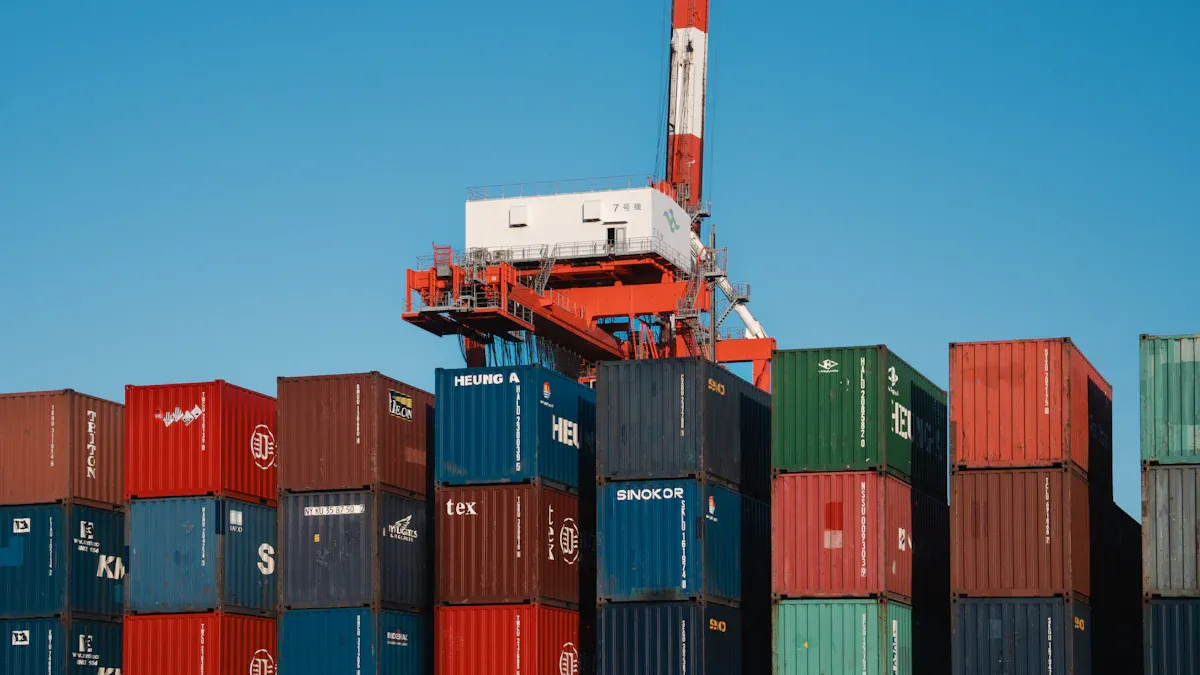
Container shipping rates on Asia–U.S. routes have pivoted downward after weeks of steady increases, as carriers adjust fleets and schedules in response to new U.S. port fees set to take effect and heightened trade uncertainty. As of September 11, spot rates averaged $2,322 per FEU from the Far East to the U.S. West Coast and $3,190 per FEU to the East Coast. The $868 per FEU spread between coasts is much wider than usual, reflecting tariff-driven market disruptions and shifting capacity strategies.
These trends underscore the complex mix of policy changes, supply shifts, and uneven regional demand currently shaping the global container shipping market heading into the fourth quarter.
Key Takeaways
Monitor mixed market pressures like fuel prices and geopolitical tensions to adapt your shipping strategies effectively.
Diversify your shipping network to reduce risks and maintain flexibility during disruptions.
Utilize route optimization software to analyze traffic and weather, ensuring timely deliveries.
Stay informed about regulatory changes and their potential impact on shipping costs and routes.
Collaborate with partners for better communication and resource sharing, enhancing your supply chain resilience.
Mixed Market Pressures

You face mixed market pressures every time you plan a shipping route. These pressures come from many sources. They include economic changes, political events, environmental shifts, and new regulations. Each type affects your decisions and can change how goods move across the world.
Economic Forces
Economic forces shape shipping routes in many ways. You see commodity prices swing up and down. When crude oil prices rise, fuel costs go up, and you pay more for freight. Sudden demand for certain goods can cause port congestion and higher charter rates. You must adjust your shipping plans to keep costs under control.
Commodity price changes influence freight costs and demand.
Fuel price spikes increase shipping expenses for everyone.
Port congestion leads to longer wait times and higher rates.
Political Shifts
Political shifts create uncertainty for shipping companies. Geopolitical conflicts, like the Russia-Ukraine war, force you to change routes and pay more for fuel. Tariffs between countries disrupt trade flows and make some ports less attractive. You may need to reroute ships to avoid tariff-exposed areas, which increases costs and delays.
Geopolitical events can block key ports and force rerouting.
Tariffs and sanctions change the cost and flow of goods.
Political changes require quick adjustments in logistics.
Environmental Factors
Environmental factors impact shipping reliability and cost. Climate change causes sea levels to rise and weather patterns to shift. You may see new routes open, like the Arctic Sea Route, but these can increase emissions. Extreme weather events damage ships and goods, leading to higher losses.
Experts say that more frequent storms and droughts disrupt global trade routes and supply chains, causing financial losses.
Impact of Environmental Events | Consequence on Shipping Routes |
|---|---|
Increased travel times | |
Disruptions in supply chains | Affects global trade |
Damage to ships and goods | Increased losses |
Regulatory Changes
Regulatory changes add new challenges for shipping. You must follow stricter fuel requirements and emission controls. Waste management rules increase costs. New docking fees at U.S. ports can reach millions per visit for large vessels. The EU emissions trading scheme and upcoming Fuel EU Maritime Regulation will raise costs for European routes.
Compliance with new rules means higher expenses.
Non-compliance can lead to penalties and shipment delays.
Companies use technology to manage complex regulations and reduce risks.
Mixed Market Pressures do not act alone. They interact and create complex challenges. For example, a political conflict can lead to new regulations and higher fuel costs. You must stay alert and adapt quickly to keep your shipping operations running smoothly.
Route Impacts
Route Changes
You see shipping routes change when market pressures shift. Ships often take longer paths to avoid risky areas. For example, many vessels now detour around Africa instead of passing through the Suez Canal. This change happens because of geopolitical tensions and safety concerns. Longer routes mean higher fuel costs and more time at sea. You also notice new trade lanes open when demand shifts or tariffs change. Operators must adapt quickly to keep goods moving.
Ships avoid the Suez Canal due to geopolitical risks, choosing longer and safer routes.
Tariffs on Chinese electric vehicles increase shipments, forcing vessels to use different paths and monopolize capacity.
Charterers and brokers adjust to new trade patterns, sometimes sending cargo through unfamiliar lanes.
Mixed Market Pressures force you to rethink traditional shipping paths. You must stay alert to changes in demand, regulations, and global events.
Frequency Shifts
Shipping frequency changes when economic and regulatory pressures rise. You may see fewer sailings when costs go up or when new rules make operations harder. Freight rates and operational expenses affect how often ships leave port. Sustainability regulations also play a role, making some routes less attractive.
The analysis shows that shipping frequency drops when costs and regulations increase. Service quality and availability suffer, making it harder for you to plan shipments. During the COVID-19 pandemic, ports like Los Angeles and Shanghai saw vessels waiting offshore for weeks. Essential deliveries faced long delays. The Suez Canal blockage in 2021 stopped cargo flow between Europe and Asia, raising transportation costs and reducing frequency.
Impact of Port Congestion | Description |
|---|---|
Delays | Goods may be postponed for several months due to congestion. |
Increased Costs | Higher operational expenses due to demurrage and detention charges. |
Supply Chain Disruptions | Cargo flow is interrupted, leading to shortages in markets. |
You must watch for changes in shipping schedules. Frequency shifts can disrupt your supply chain and affect your business.
Reliability Issues
Reliability becomes a major concern when market pressures rise. You face delays, missed deadlines, and unpredictable schedules. Shipping companies struggle to keep promises when routes change or congestion hits. Unreliable shipping leads to higher inventory costs and lost sales. You may need to keep extra stock to avoid shortages, which increases your expenses.
Financial Impact | Description |
|---|---|
Increased operational and inventory costs | Unreliable shipping schedules lead to higher buffer stocks and longer lead times, increasing inventory carrying costs. |
Lost sales | Delays disrupt manufacturing processes, resulting in missed sales opportunities, especially for time-sensitive products. |
Penalties and extra costs | Businesses may incur penalties for missed deadlines and face additional costs for expedited shipping. |
Higher working capital costs | Poor reliability forces businesses to maintain higher inventory levels, increasing working capital requirements. |
Disruptions to production lines happen when shipping delays occur.
You face more complexity and costs for contingency plans.
Any link failing in the supply chain causes stress for everyone.
Seasonal goods need special storage and handling, which becomes harder with unreliable schedules.
Unreliable shipping can cause customers to look for other suppliers. Extra logistics costs hurt your margins and make your products less attractive. Customer satisfaction drops when deliveries are late, risking long-term trust.
Cost Effects
Costs rise quickly when shipping routes change or become less reliable. You pay more for fuel when ships take longer detours. Port congestion and container shortages drive up shipping rates. Tariffs and regulatory changes increase expenses for everyone. Shipping giants raise prices to cover their own costs, which affects your bottom line.
Ships detouring around Africa face higher fuel costs and longer transit times.
Port congestion leads to competition for containers, raising shipping rates.
Tariffs on Chinese electric vehicles increase demand for shipping, monopolizing vessel capacity and inflating costs.
Anticipation of new tariffs during US elections strains shipping capacities and raises rates.
Major shipping lines increase prices to manage operational challenges.
You must factor these rising costs into your planning. Mixed Market Pressures make it harder to keep shipping affordable and reliable. You need to monitor trends and adjust your strategies to stay competitive.
Case Studies
Suez Canal Blockage
You saw how the Suez Canal blockage in 2021 stopped global shipping for six days. This event affected 422 ships, including 89 containerships. The backlog took nearly a week to clear, and normal transit jumped from 50 ships per day to over 100. The closure caused a 0.2%–0.4% drop in annual global trade. Ships carrying goods like electronics, steel, coal, and grains faced delays of one to several weeks. Rerouted vessels around the Cape of Good Hope added two weeks to delivery times and raised fuel costs by $30,000 per day.
Impact Description | Details |
|---|---|
Ships Affected | 422 ships waiting for passage |
Containerships Waiting | 89 containerships (40 north, 49 south) |
Backlog Clearance Time | Nearly a week |
Normal Transit Capacity | 50 ships/day, over 100 during backlog |
Global Trade Impact | 0.2%–0.4% reduction in annual trade |
You learned important lessons from this crisis:
A unified view of shipments improves data integrity.
The blockage caused $136.9 billion in global losses, with India hit hardest.
The event showed how vulnerable global shipping routes are to Mixed Market Pressures.
Fuel Price Volatility
Fuel prices change often and affect your shipping costs. High fuel costs increase your expenses and force you to adjust logistics strategies. You may see fuel surcharges added to your bills. Uncertainty in fuel prices leads to spikes in linehaul rates. Companies pass these costs to consumers, which can change buying habits. Smaller fleets struggle more because they cannot buy fuel in bulk.
Rising fuel prices make you rethink delivery routes.
You may invest in fuel-efficient vehicles to save money.
Data-driven forecasting helps you predict fuel trends and lock in better rates.
Long-term contracts with carriers give you more financial stability.
Strategy | Description |
|---|---|
Data-Driven Forecasting | Use analytics to predict fuel prices and secure favorable rates. |
Long-Term Contracts | Build relationships with carriers for predictable costs. |
Asia-North America Tariffs
Tariffs between Asia and North America change how you ship goods. You see trade routes shift and cargo volumes fluctuate. Demand for different container services rises and falls. Freight rates change across routes, making planning harder.
Impact Type | Description |
|---|---|
Tariffs lead to new shipping paths between Asia and North America. | |
Alterations in cargo volumes | Cargo amounts on certain lanes go up or down. |
Changes in demand for container services | Different container types see changing demand. |
Fluctuations in freight rates | Tariffs cause rates to rise or fall on various routes. |
Geopolitical Tensions
Geopolitical tensions disrupt shipping lanes and force you to reroute vessels. Conflicts in the South China Sea and Strait of Hormuz slow the flow of oil and goods. The Red Sea crisis caused a 60% drop in shipping transit, with 586 container vessels rerouted through the Cape of Good Hope. Tensions in the Strait of Hormuz affect oil prices and lead carriers to suspend freight contracts. Local disruptions, like the Suez Canal blockage, show how one event can impact global trade.
You face delays and higher costs when ships avoid risky areas.
Mixed Market Pressures from politics and conflict make shipping less predictable.
Adaptation Strategies
Route Optimization
You can improve your shipping operations by using route optimization strategies. Many companies use route optimization software that analyzes traffic patterns, compares delivery schedules, and studies historic results. This software also forecasts weather conditions to help you avoid delays. Real-time updates let you respond quickly to obstacles. Dynamic route adjustments allow you to change plans based on new information. Sustainable practices not only reduce your logistics footprint but also enhance your brand image.
Route optimization software analyzes traffic and weather.
Real-time updates help you avoid delays.
Dynamic adjustments keep your shipments on track.
Sustainable choices improve your company’s reputation.
Building a successful transportation route optimization strategy requires more than just mapping out the shortest path. It involves integrating data, technology, and real-world constraints into a dynamic system that can adapt to change and drive efficiency at scale.
Network Diversification
You can reduce risks by diversifying your shipping network. Relying on a single carrier makes you vulnerable to disruptions. Spreading shipments across different carriers helps you stay resilient during market volatility. Advanced tools make it easy to switch between carriers, so your goods keep moving even when problems arise.
Carrier diversification gives you options during disruptions.
A flexible approach helps you handle supply shortages and rate changes.
Quick adaptation keeps you competitive in global markets.
Tech and Data Use
You can use advanced technology and data analytics to improve efficiency. Maritime analytics makes fleet management easier and optimizes cargo tracking. Transportation Management Systems use algorithms to find the best routes based on real-time data. GPS tracking systems give you instant updates on traffic and road closures, so you can reroute quickly. Artificial intelligence analyzes traffic, weather, and ship schedules to suggest the best routes.
Predictive analytics help you avoid delays.
Technology strengthens safety and improves decision-making.
Stakeholder Collaboration
You gain flexibility by working closely with partners. Transparent communication lets everyone share information and align operations. Sharing resources, like labor and equipment, helps you meet demand during busy times. Coordinated planning with partners minimizes delays and reduces costs.
Open communication builds trust and efficiency.
Shared resources help you handle peak periods.
Collaborative planning keeps your supply chain strong.
Mixed market pressures change shipping routes and affect your logistics decisions. You need to watch market trends and adjust your strategies often. Flexible planning helps you stay ahead of disruptions.
Tip: Use real-time data and work with partners to build a strong supply chain.
Stay curious and keep learning about new regulations, fuel prices, and global events. You can protect your business by adapting quickly and making smart choices.
FAQ
What are mixed market pressures in shipping?
Mixed market pressures include economic changes, political events, environmental factors, and new regulations. You see these forces interact and shape shipping routes, costs, and reliability.
How do fuel prices affect shipping routes?
High fuel prices force you to choose longer or more efficient routes. You may see shipping companies raise rates or change schedules to manage rising costs.
Why do shipping routes change during geopolitical tensions?
Geopolitical tensions make some areas unsafe. You must reroute ships to avoid risks. This leads to longer travel times and higher expenses.
What can you do to adapt to sudden shipping disruptions?
You can use real-time data, diversify your carrier network, and work closely with partners. These steps help you respond quickly and keep your supply chain strong.
See Also
Understanding Current Trends in Logistics Risk Management
The Importance of Supply Chains in Global Trade
Addressing Challenges of Supply Chain Growth Globally